
Unpacking the Sausage McMuffin: What's Really in Your Morning Grab-and-Go?
You're running late, the coffee hasn't kicked in, and that golden arches sign beckons like a beacon of quick relief. For many Americans, the morning rush often leads to a drive-thru, with a Sausage McMuffin becoming the go-to breakfast. It seems so simple, doesn't it? A warm bun, a savory sausage patty, and a slice of cheese. But have you ever truly stopped to wonder what's packed inside that convenient package?
So, how many calories are in a Sausage McMuffin, anyway?
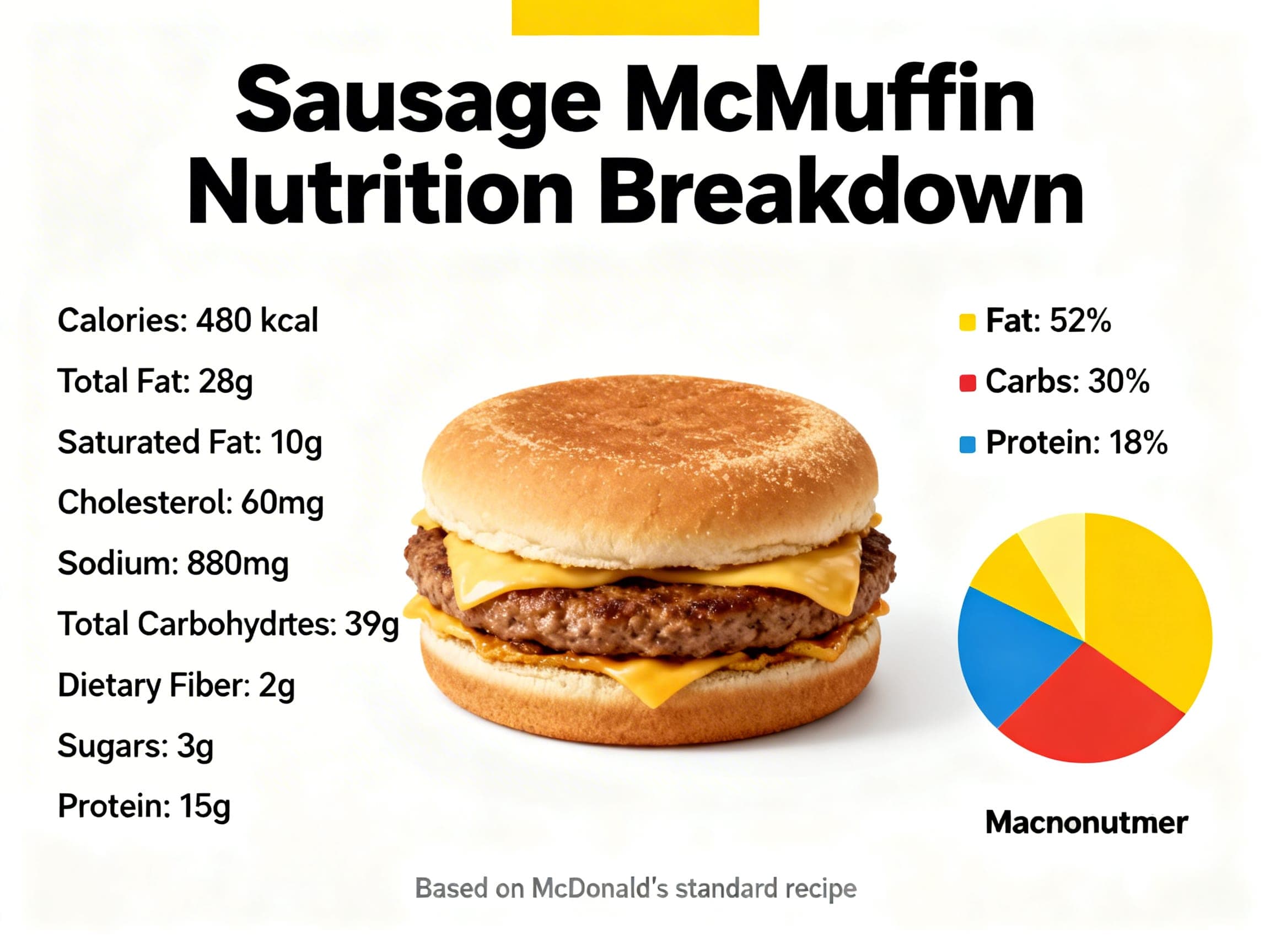
Let's cut right to the chase for the standard Sausage McMuffin without egg or other additions. As per McDonald's official nutrition information, a single Sausage McMuffin typically contains around 400 calories. This might seem like a manageable number, but it's important to understand where these calories come from and how they fit into your daily intake. For many, that's a significant chunk of their morning fuel.
Trying to quickly figure out exact calories and macros on the fly used to be a guessing game. It's tough to estimate when you're in a rush. But what if you could just scan that nutrition label (or even the meal itself) and get instant, accurate data? That's where something like Eatibo comes in, making it effortless to understand what you're eating without the guesswork.
Beyond the Calories: What about the fats, carbs, and sodium?
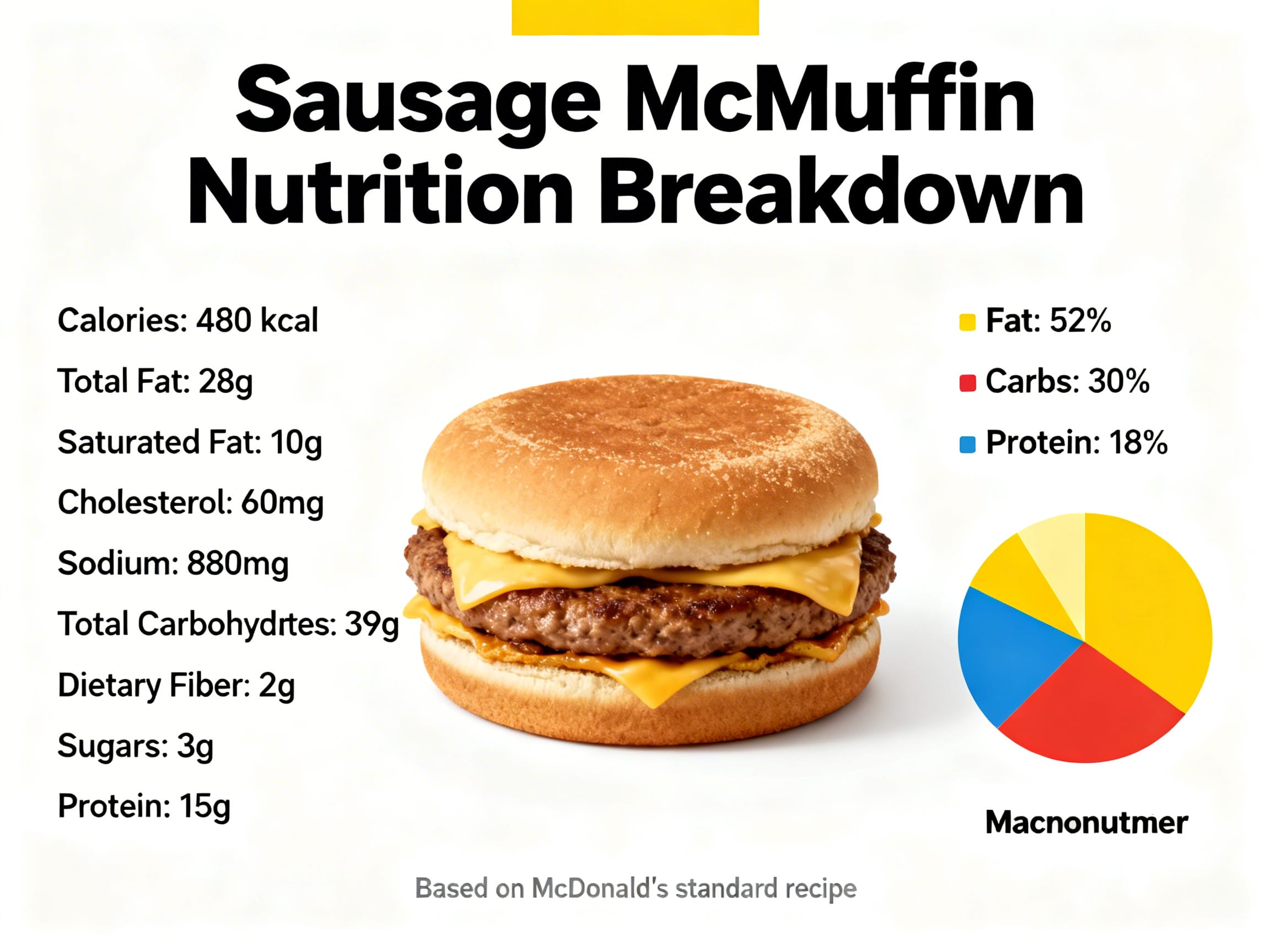
It's not just about the calorie count; the nutritional profile of a Sausage McMuffin goes much deeper. The average Sausage McMuffin packs a substantial amount of macronutrients and sodium. You're looking at approximately 25 grams of fat, with a significant 9 grams of saturated fat. Considering the American Heart Association recommends limiting saturated fat to about 13 grams per day for a 2,000-calorie diet, one McMuffin already uses up a large portion of that.
Carbohydrates typically hover around 30 grams, with a small amount of sugar. Protein comes in at about 14 grams, which is decent for satiety. However, one of the biggest considerations is the sodium content, often around 800-900 milligrams. The recommended daily limit for sodium for most adults is 2,300 mg, so a single McMuffin can account for over a third of that, contributing to concerns about blood pressure.
Are there any hidden ingredients or things I should know about?
While the core ingredients (muffin, sausage, cheese) seem straightforward, fast food often uses a variety of additives to enhance flavor, texture, and shelf life. The sausage patty, for instance, might contain flavor enhancers, preservatives, and various spices. The English muffin can include dough conditioners and other ingredients to maintain its soft texture. Seed oils, common in many processed foods, are also often used in the preparation. While these ingredients are generally recognized as safe by regulatory bodies, being aware of them helps you make more informed choices about what you're fueling your body with.
I love my Sausage McMuffin, but how can I make better choices?
If the Sausage McMuffin is your go-to, you don't necessarily have to give it up entirely. Instead, consider some smart modifications. At McDonald's, you could opt for an Egg McMuffin, which has fewer calories and less fat than the sausage version. The Egg White Delight McMuffin offers an even lighter option. Skipping the cheese can also reduce calories, fat, and sodium.
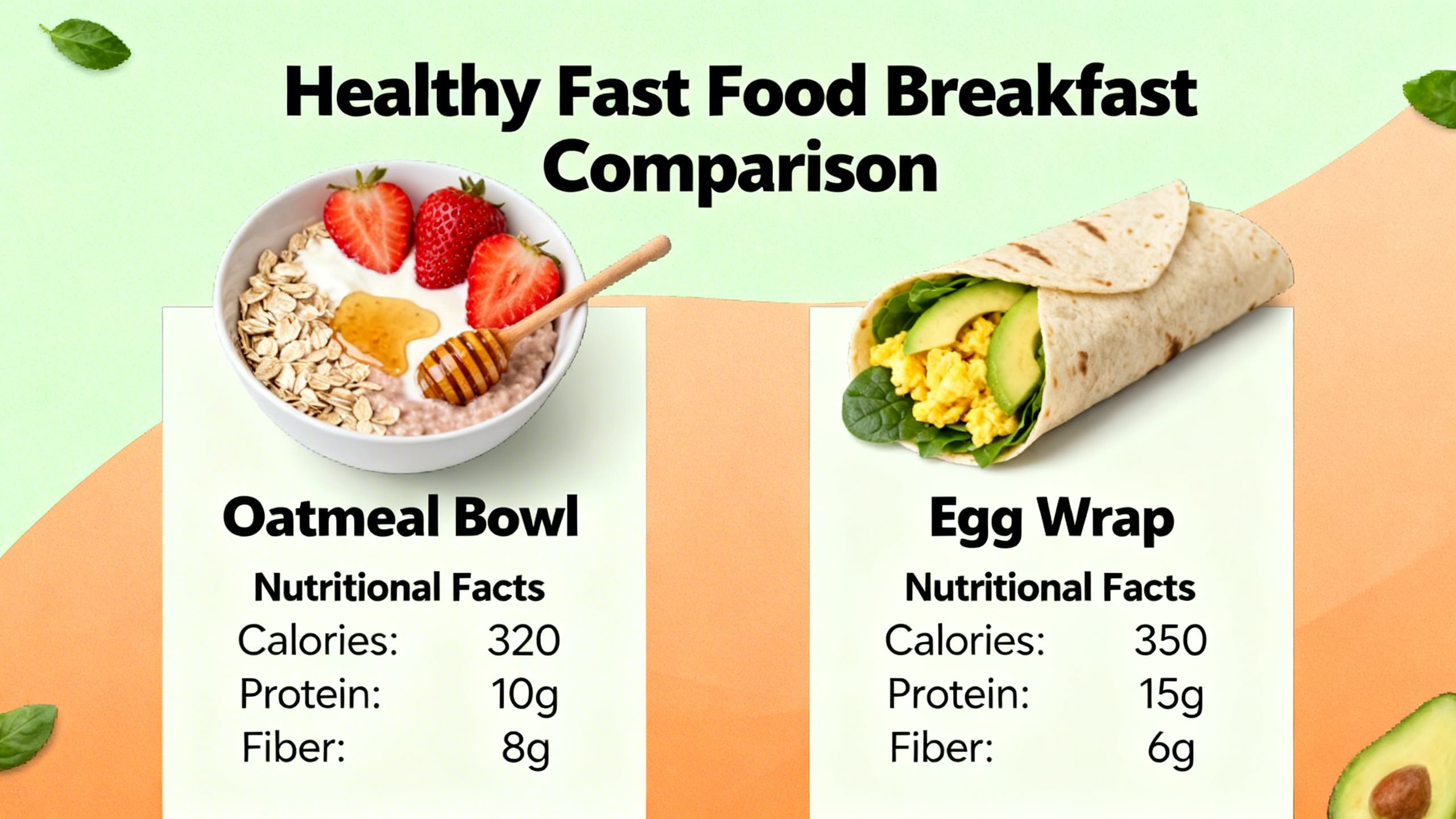
For those looking for quick, healthier alternatives on the go, consider packing a yogurt with some fruit and nuts, or making overnight oats the night before. These options offer more fiber, less saturated fat, and controlled sodium levels. Knowing the numbers is one thing, but making smarter choices tailored to your goals is another. Whether you're aiming for muscle gain, weight loss, or avoiding seed oils, Eatibo doesn't just show you what's in your food – it rates items as "Eat," "Limit," or "Skip," and even suggests simple swaps to help you stay on track, turning knowledge into actionable steps.
Can a quick breakfast truly fit into a healthy lifestyle?
Absolutely! The key is awareness and moderation. An occasional Sausage McMuffin won't derail your health goals if the rest of your diet is balanced and nutritious. The challenge arises when quick, processed breakfast items become a daily habit. Understanding the nutritional breakdown of your food empowers you to make conscious decisions, rather than falling into the trap of convenience without thought. Consistency in eating well over time is far more impactful than striving for perfect meals every single day.
Knowledge is power when it comes to your food choices. By taking a moment to understand what's in that convenient Sausage McMuffin – from its calorie count to its fat and sodium content – you can make more mindful decisions. Whether you're modifying your order or seeking healthier alternatives, being aware allows you to enjoy your food while still working towards your health and wellness goals.
Leave A Reply
Login to post your comment or signup if you dont have any account