
How Many Calories in a Bottle of Wine? Your Guide to Mindful Sips
That relaxing glass of wine after a long day? It might be adding more to your waistline than you think. Many of us meticulously track our meals, but then completely overlook our nightly pour. Understanding the calorie content of wine can be a real eye-opener for anyone trying to manage their weight or stick to specific dietary goals.
Is that innocent glass of wine wrecking your diet goals?
It's easy to forget that alcoholic beverages contain calories, and wine is no exception. A bottle of wine, especially certain varieties, can pack a significant caloric punch. We're talking anywhere from around 450 to over 800 calories in a standard 750ml bottle, which can be the equivalent of a full meal for some people. That's a statistic that often surprises even the most health-conscious wine lovers.
Okay, seriously, how many calories are we talking about in a whole bottle?
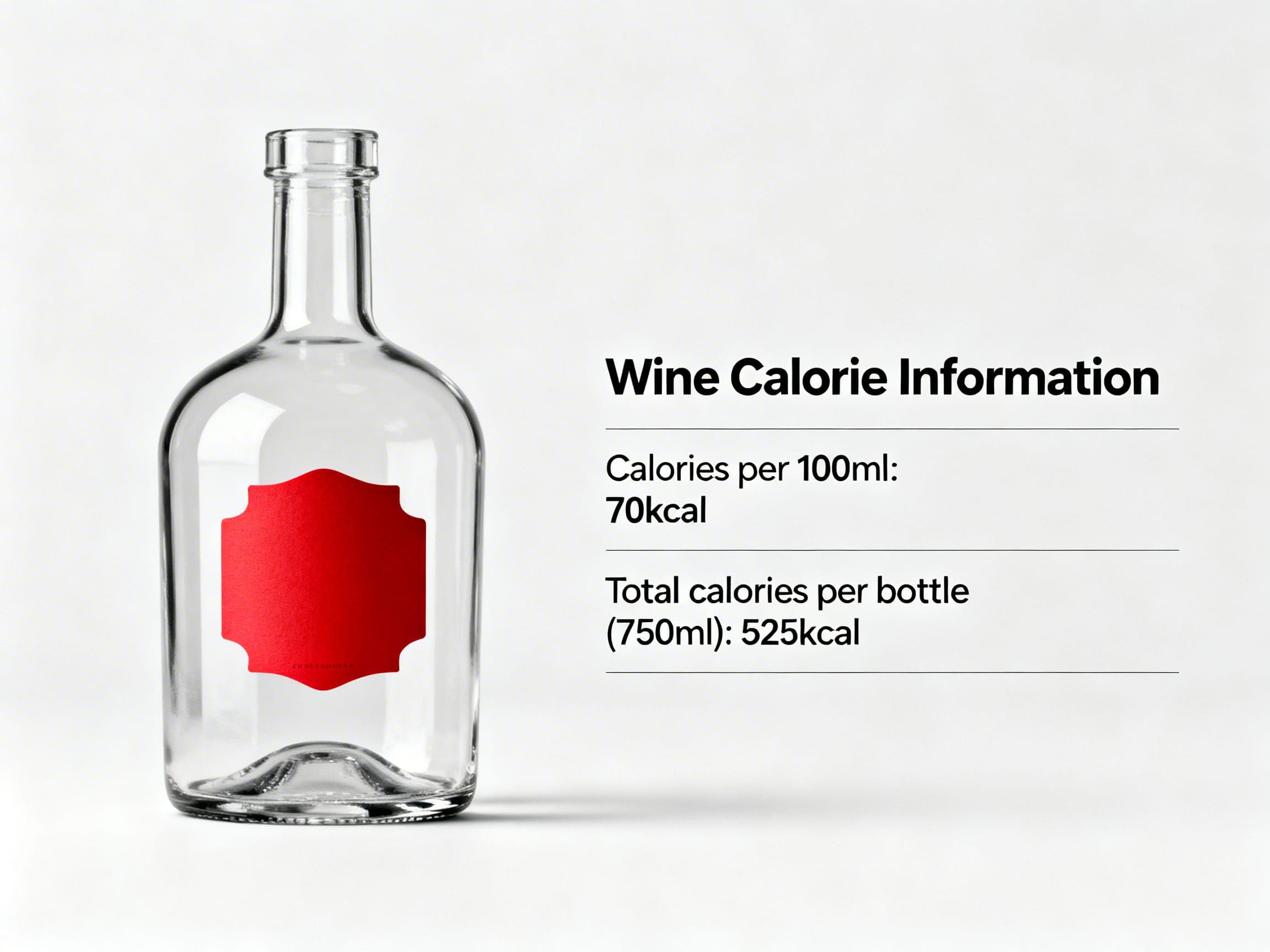
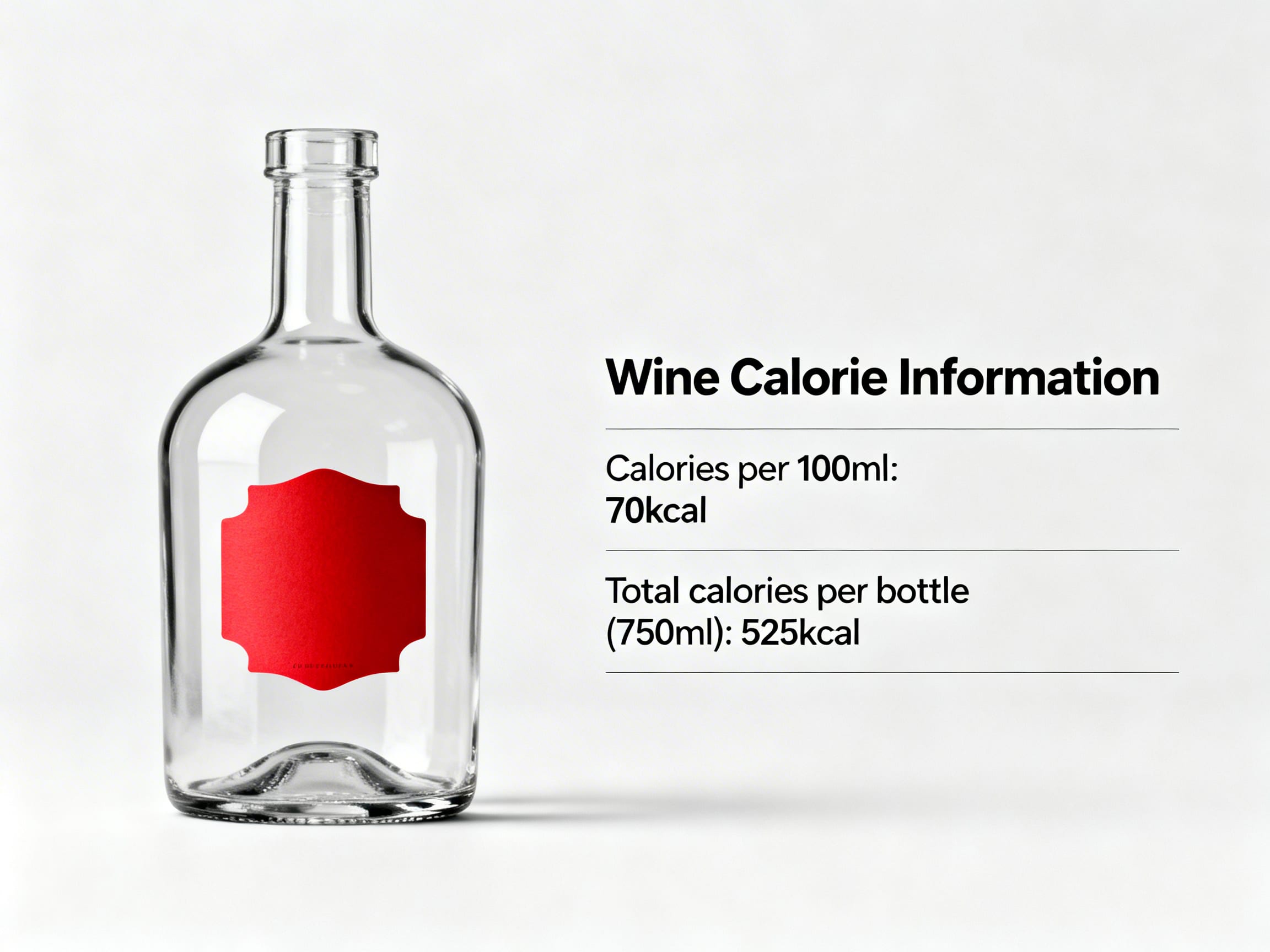
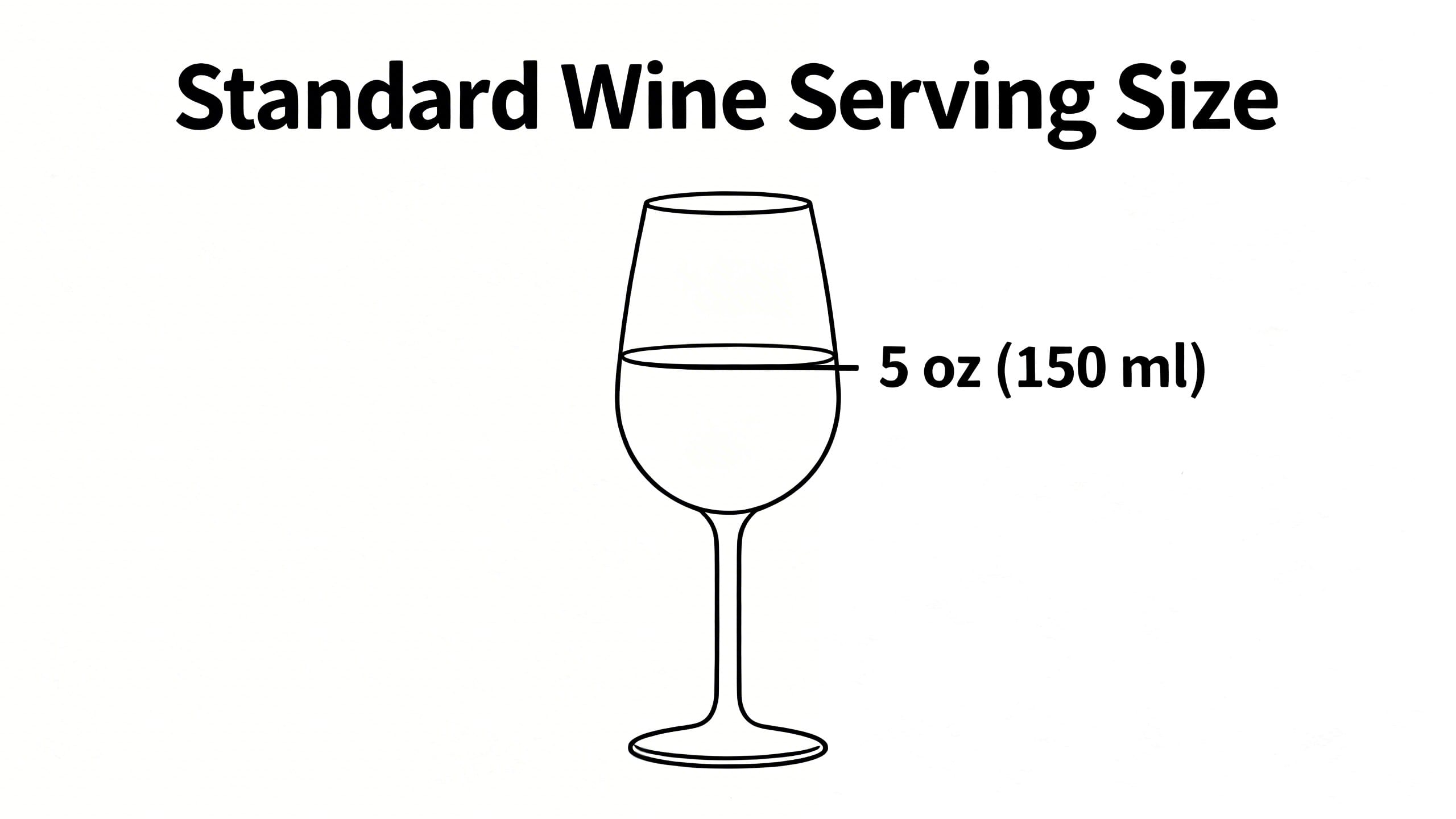
The number of calories in a bottle of wine varies quite a bit depending on its type, alcohol by volume (ABV), and residual sugar content. A standard 750ml bottle typically contains five 5-ounce (150ml) servings.
Here’s a general breakdown for a full bottle (750ml):
- Dry Red Wines (e.g., Pinot Noir, Merlot, Cabernet Sauvignon): These usually range from 450 to 600 calories per bottle. They tend to have higher ABV but lower residual sugar.
- Dry White Wines (e.g., Sauvignon Blanc, Chardonnay, Pinot Grigio): You’re looking at roughly 450 to 550 calories per bottle. Similar to dry reds, their calorie count is primarily driven by alcohol.
- Sweeter Wines (e.g., Moscato, Riesling, Dessert Wines): These can be much higher due to their sugar content, often climbing to 600 to 800+ calories per bottle. A true dessert wine could even exceed this.
- Sparkling Wines (e.g., Prosecco, Champagne): A Brut (dry) sparkling wine might be around 450-500 calories per bottle. However, Demi-Sec or sweet varieties will have more, easily reaching 600-700 calories.
The key factors influencing these numbers are alcohol content and residual sugar. Alcohol itself contains about 7 calories per gram, which is almost as much as fat (9 calories per gram) and more than carbohydrates or protein (both 4 calories per gram).
Why does my favorite Malbec have more calories than a Sauvignon Blanc?
It primarily comes down to alcohol content (ABV) and residual sugar. As mentioned, alcohol is calorie-dense, so a wine with a higher ABV will naturally have more calories. For instance, a Malbec often has an ABV of 13.5-15%, while a Sauvignon Blanc might hover around 12.5-13.5%. That difference in alcohol adds up quickly over a full bottle.
Residual sugar, which is the sugar leftover after fermentation, also contributes significantly. Sweeter wines intentionally have more residual sugar, directly increasing their calorie count. Even seemingly dry wines can have a small amount of residual sugar that adds to the total.
Imagine, instead of guessing, you could simply point your camera at any wine bottle label with Eatibo. Our AI instantly deciphers the ABV and sugar content to give you an accurate calorie breakdown, helping you make smarter choices without the guesswork. This means you can quickly compare two bottles on the shelf and pick the one that aligns better with your health goals.
Can I still enjoy wine and stick to my weight loss plan?
Absolutely! It's all about making informed choices and practicing moderation. Here are some tips to help you enjoy wine without derailing your diet:
- Choose Lower-Calorie Options: Opt for dry wines with lower ABV. Look for "Brut" on sparkling wines. These generally have less sugar and alcohol.
- Practice Portion Control: A standard serving is 5 ounces (about 150ml). Be mindful of how much you're pouring, as it's easy to overfill a glass, especially at home.
- Alternate with Water: Drinking a glass of water between each glass of wine can help you slow down and stay hydrated, potentially reducing overall consumption.
- Savor Each Sip: Enjoy your wine mindfully. Pay attention to the flavors and aromas, rather than just mindlessly drinking.
Want to see how that glass of wine fits into your overall day? Eatibo doesn't just tell you the calories; it integrates wine consumption into your personalized food log. You'll see weekly trends and get guidance on how to adjust your diet to reach your goals, even with occasional sips. This comprehensive view helps you understand the bigger picture of your nutrition.
What else should I know besides the calorie count?
While calories are a major concern for many, it's good to remember that wine offers little in the way of other macronutrients. It contains minimal protein or fat. Some wines might contain trace amounts of minerals, but generally, wine isn't a significant source of essential nutrients.
You might also consider additives like sulfites, which are naturally occurring but sometimes added to wines as a preservative. For those with sensitivities, knowing about these can be important. When using a tool like Eatibo, you can even get flags for potential additives or allergens, giving you a more complete picture of what you're consuming.
Ultimately, general health recommendations for alcohol consumption emphasize moderation. For women, this typically means up to one drink per day, and for men, up to two drinks per day.
Sip Smarter, Not Harder: Your Takeaways
Understanding the calorie content of wine empowers you to make more thoughtful choices. It's not about cutting out wine entirely, but rather about enjoying it in a way that supports your health and wellness goals.
Here’s what to remember:
- ABV and sweetness are your biggest clues for calorie estimation.
- Portion control is crucial – stick to standard serving sizes.
- Opt for drier, lower-ABV wines when you're looking to cut down on calories.
- Utilize tools like Eatibo to get instant, accurate nutritional information from wine labels.
- Enjoy wine mindfully and always in moderation.
Leave A Reply
Login to post your comment or signup if you dont have any account