
10 Best Foods for Prostate Health: Your Plate's Secret Weapon
Quick answer: Do not stop at the headline calorie or macro number. Start with the serving you will actually eat, then check calories, protein, fiber, sodium, added sugar, saturated fat, ingredients, and allergens against your real goal.
Key takeaways
- Serving size usually changes the answer more than the label headline.
- Compare the tradeoff that matters most for your goal: calories, protein, fiber, sodium, added sugar, saturated fat, ingredients, or allergens.
- One item rarely decides the whole diet; repeated weekly patterns matter more.
- Use official labels and menus when available, then log the real portion you ate.
Definition: In this guide, a smarter food decision means checking the real portion, the practical tradeoffs, personal limits, and the repeat pattern before turning one answer into a rule.
Prostate health refers to keeping the prostate gland functioning well and minimizing the risk of common issues as men age. Research on diet and prostate outcomes is ongoing, and food is only one factor. Use this guide for general education, and consult a clinician if you have symptoms or medical concerns.
What foods are best for a healthy prostate?
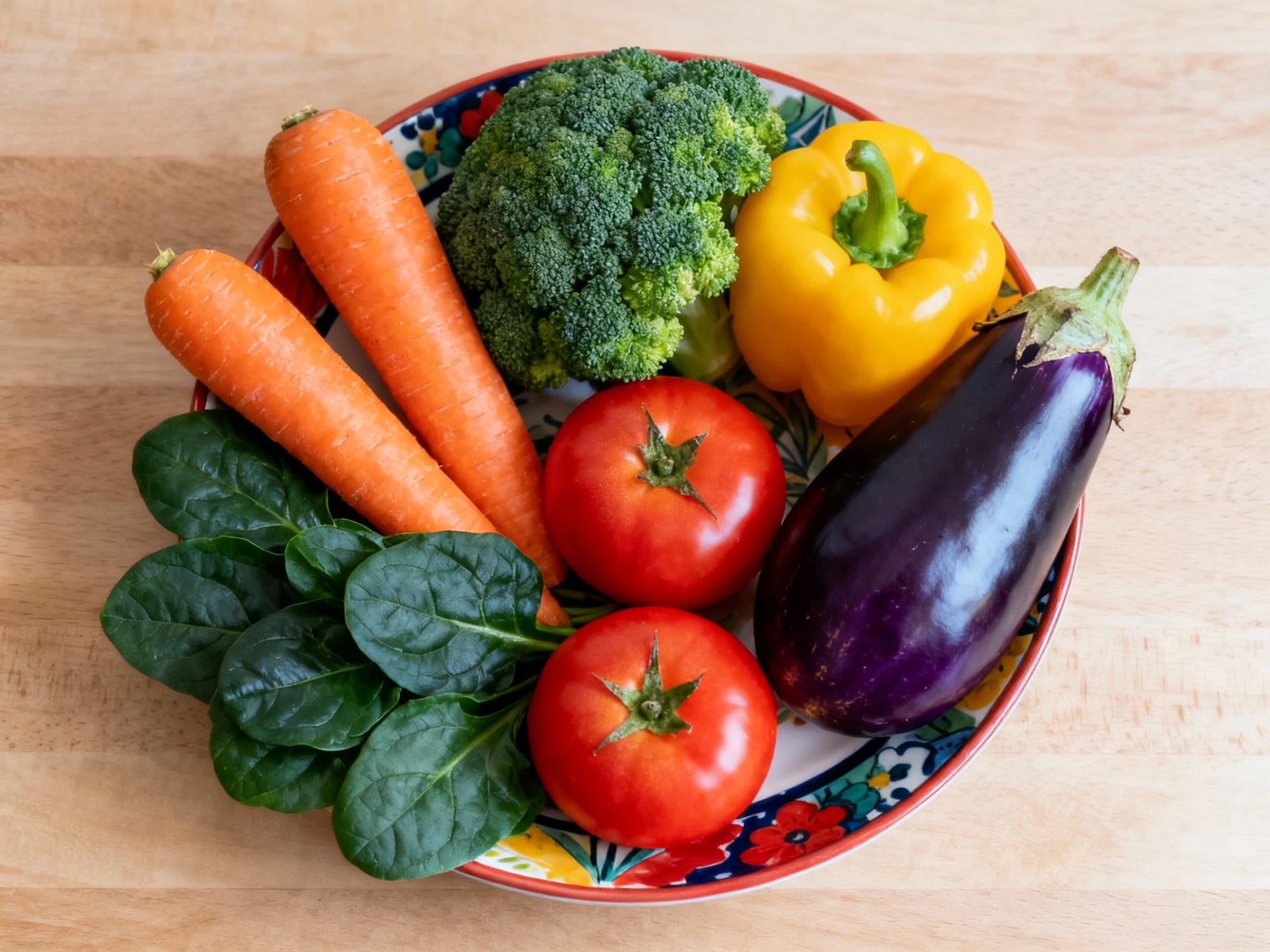
Here are ten foods often associated with prostate-supportive nutrients, plus simple ways to use them.
| Food | Key nutrients or compounds | Easy ways to eat |
|---|---|---|
| Tomatoes | Lycopene | Cooked tomatoes, marinara, roasted tomatoes |
| Berries | Antioxidants, vitamin C | Oatmeal, yogurt, smoothies |
| Fatty fish | Omega-3 fats | Baked or grilled salmon, sardines |
| Leafy greens | Folate, antioxidants | Salads, eggs, smoothies |
| Nuts | Zinc, selenium, healthy fats | Snacks, salad topping |
| Green tea | Catechins | Hot or iced tea |
| Cruciferous vegetables | Sulforaphane compounds | Roasted, steamed, stir-fries |
| Pomegranate | Polyphenols | Seeds, juice in moderation |
| Turmeric | Curcumin | Soups, curries, golden milk |
| Legumes | Fiber, plant protein | Soups, tacos, salads |
How can I easily add these foods to my daily diet?
- Add cooked tomatoes to pasta, soups, or eggs.
- Keep frozen berries on hand for quick smoothies.
- Swap one or two meals a week for a fatty fish option.
- Blend spinach or kale into a smoothie or omelet.
- Sprinkle nuts over salads or yogurt for crunch.
- Replace sugary drinks with green tea.
- Roast cruciferous vegetables for an easy side.
- Use turmeric in soups, curries, or warm milk.
- Keep canned beans for fast protein and fiber.
Are there foods I should limit or avoid for prostate health?
Many guidelines suggest limiting foods linked to inflammation or poor metabolic health. Consider reducing:
- Processed meats and frequent high-fat red meat.
- Ultra-processed snacks and sugary drinks.
- Excess saturated fat and trans fat.
- Heavy reliance on high-sugar, low-fiber foods.
Why personalized nutrition matters here
General lists help, but individual needs vary based on genetics, medications, allergies, and goals. A personalized plan can help you focus on nutrient gaps, avoid triggers, and make changes you can actually stick with.
Decision framework
| What to check | Why it changes the answer | Practical next step |
|---|---|---|
| Serving size or portion | Calories, sodium, sugar, carbs, and fat scale with the amount actually eaten | Log the realistic portion, not the ideal one |
| Protein, fiber, sodium, added sugar, and saturated fat | These decide whether the choice supports fullness and long-term habits | Compare the tradeoff that matters most for your goal |
| Ingredients, sauces, breading, or add-ons | Small extras can change the result quickly | Compare the base item and extras separately |
| Personal restriction applies | General nutrition advice cannot know every boundary | Follow allergy, medication, religious, or clinician-directed rules first |
Concrete examples
- If the food looks healthy but the serving is tiny, check what a realistic portion does to calories, sodium, or sugar.
- If two options have similar calories, choose the one with more protein, fiber, or ingredients you tolerate.
- If the food is occasional and you enjoy it, log it honestly instead of building a strict rule you will not keep.
Limits and safety notes
This guide is for everyday food awareness. It is not a diagnosis tool, allergy authority, medication checker, eating-disorder recovery plan, or substitute for a clinician or registered dietitian. For diagnosed conditions, pregnancy, kidney disease, diabetes medication, severe allergies, or clinician-directed diets, get professional guidance before changing your routine.
Where Eatibo fits
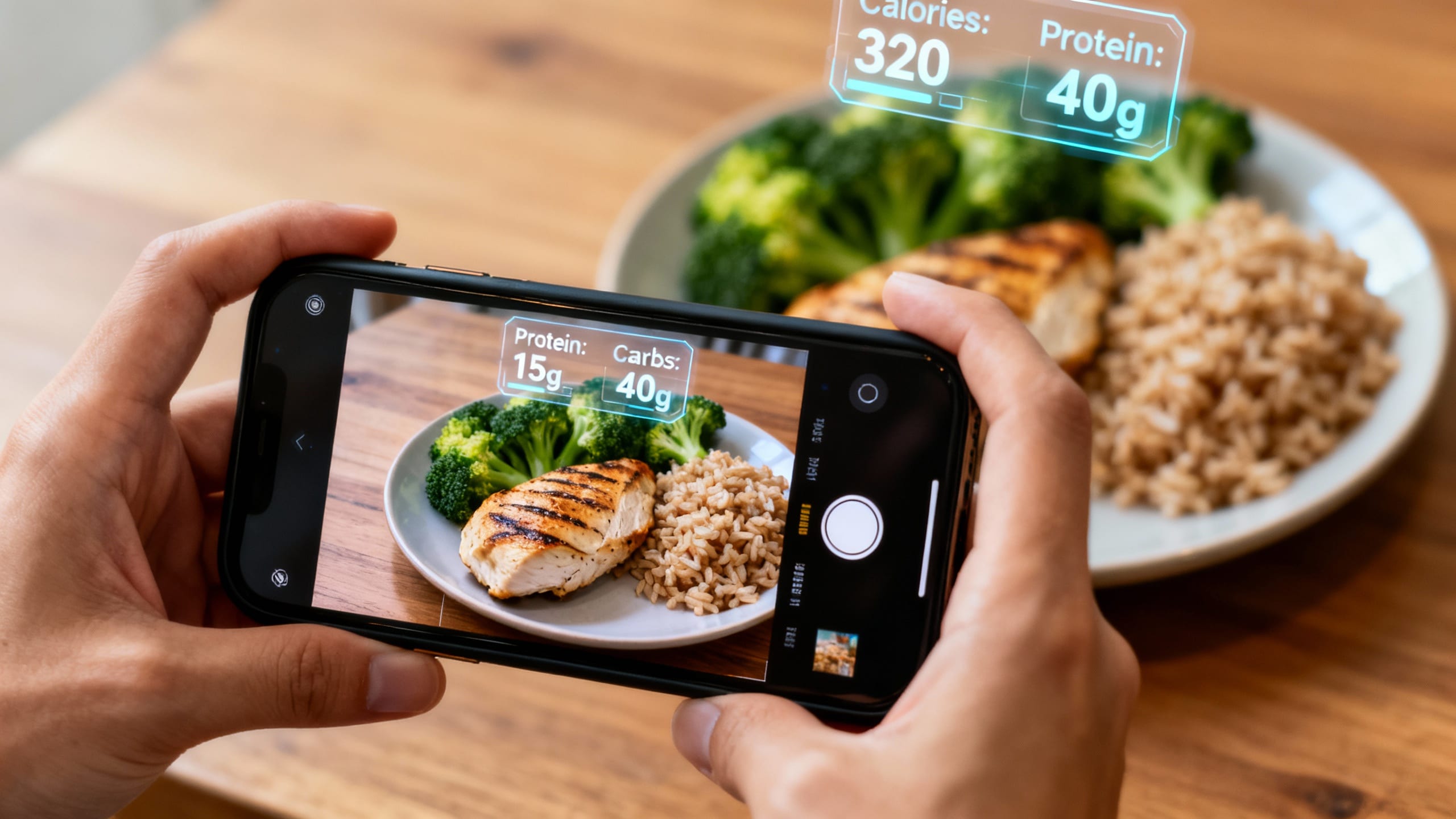
Eatibo is useful when a question turns into something you need to compare or log. You can scan a meal photo, barcode, nutrition label, or ingredient list, review calories and macros, check sodium, added sugar, allergens, additives, and ingredients, then save the result to your Nutrition Log. The point is not one perfect judgment; it is making the next similar choice easier because your own pattern is visible.
Sources and references
- FDA: Calories on the Nutrition Facts Label
- FDA: How to understand and use the Nutrition Facts label
- HHS/ODPHP: Current Dietary Guidelines for Americans
Frequently asked questions
Is this something I need to avoid completely?
Usually no. The better question is portion, frequency, and fit. A food can be fine occasionally but less useful as an everyday default if it repeatedly pushes sodium, added sugar, saturated fat, calories, or allergens past your limits.
What should I check first?
Start with the serving size you will actually eat. Then check the tradeoff most relevant to your goal: calories, protein, fiber, sodium, added sugar, saturated fat, ingredients, or allergens. The order matters because a tiny serving can hide a bigger real-world intake.
How can Eatibo help me decide faster?
Eatibo helps you scan or log the choice, compare the practical nutrition details, and review the pattern later. It is most useful for repeat decisions because the app can show whether similar foods are helping your weekly routine or quietly pushing it off track.
Related reading
- Savoring Summer: Your Guide to a Mediterranean-Inspired Glow
- Do Vapes Have Calories? Unpacking the Truth Beyond the Puff
- Savoring Smarter: Your Guide to Low-Calorie Wine
Last updated: June 1, 2026