
Navigating Ann's Health Food Store on Zang with a Smart Eating Strategy
Quick answer: Treat restaurant nutrition as an estimate, not a promise. Portions, sauces, fried coatings, sides, drinks, and substitutions can change the result quickly, so compare the menu first and log the plate you actually eat when possible.
Key takeaways
- Start with the menu item, then check sides, sauces, drinks, and serving size.
- Calories matter, but sodium, saturated fat, protein, fiber, and allergens often decide whether a meal fits your goal.
- Restaurant data varies by location and preparation, so avoid pretending an estimate is exact.
- If a place does not publish nutrition, use a close match and review the weekly pattern.
Definition: In this guide, a smarter dining decision means checking the menu context, the likely portion, personal limits, and the repeat pattern before turning one meal into a rule.
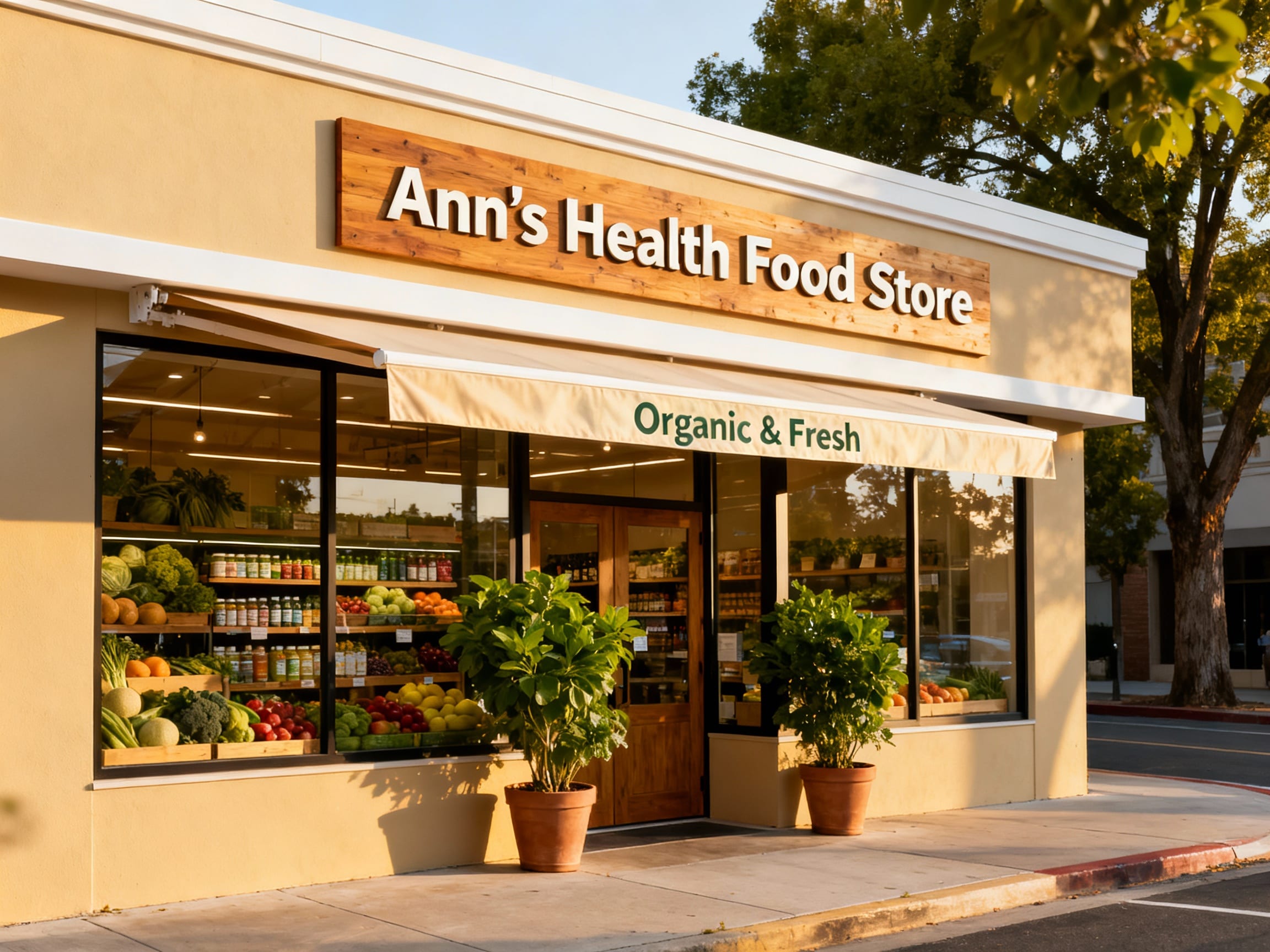
Ann's Health Food Store on Zang is a local Dallas shop known for organic, natural, and specialized dietary items. The shelves are full of “healthy” options, which makes fast, informed label decisions even more important.
Aisle-by-aisle smart shopping checklist
| Aisle | What to check | Why it matters |
|---|---|---|
| Snacks | Added sugar, seed oils | Snack items hide extras easily. |
| Pantry | Ingredient length | Shorter lists are usually simpler. |
| Frozen | Sodium and sauces | Frozen meals can stack sodium. |
| Dairy alternatives | Added sugars | “Healthy” labels can be misleading. |
| Supplements | Allergens and fillers | You want clean, clear labeling. |
How to shop Ann’s in 20 minutes
- Start in produce and build your base.
- Scan one or two new items per aisle to compare.
- Choose products that align with your specific goal.
- Review your cart before checkout and swap if needed.
Decision framework
| What to check | Why it changes the meal | Practical next step |
|---|---|---|
| Portion, side, sauce, and drink | These often add more calories, sodium, sugar, or saturated fat than the main item | Compare the full order, not just the entree |
| Fried, creamy, or sweet add-ons | Preparation changes can move a meal from moderate to heavy quickly | Ask for sauce on the side or choose grilled, roasted, or simpler options when that fits your goal |
| Published nutrition is missing | Local recipes and serving sizes vary | Use a close estimate, log the meal, and watch repeat patterns |
| Allergy, medication, or clinician-directed diet applies | Restaurant estimates cannot guarantee safety | Follow the stricter rule and ask staff or a qualified professional when needed |
Concrete examples
- If two meals look similar, compare the full order with sides and drinks before judging.
- If the menu does not publish nutrition, log a close match and check whether that type of meal repeats during the week.
- If sodium or allergens matter, ask about sauces, marinades, and substitutions instead of relying only on the menu title.
Limits and safety notes
Restaurant nutrition is approximate and can vary by location, supplier, preparation, and portion. This guide is not allergy clearance, diabetes management, eating-disorder recovery advice, or a substitute for a clinician or registered dietitian.
Where Eatibo fits
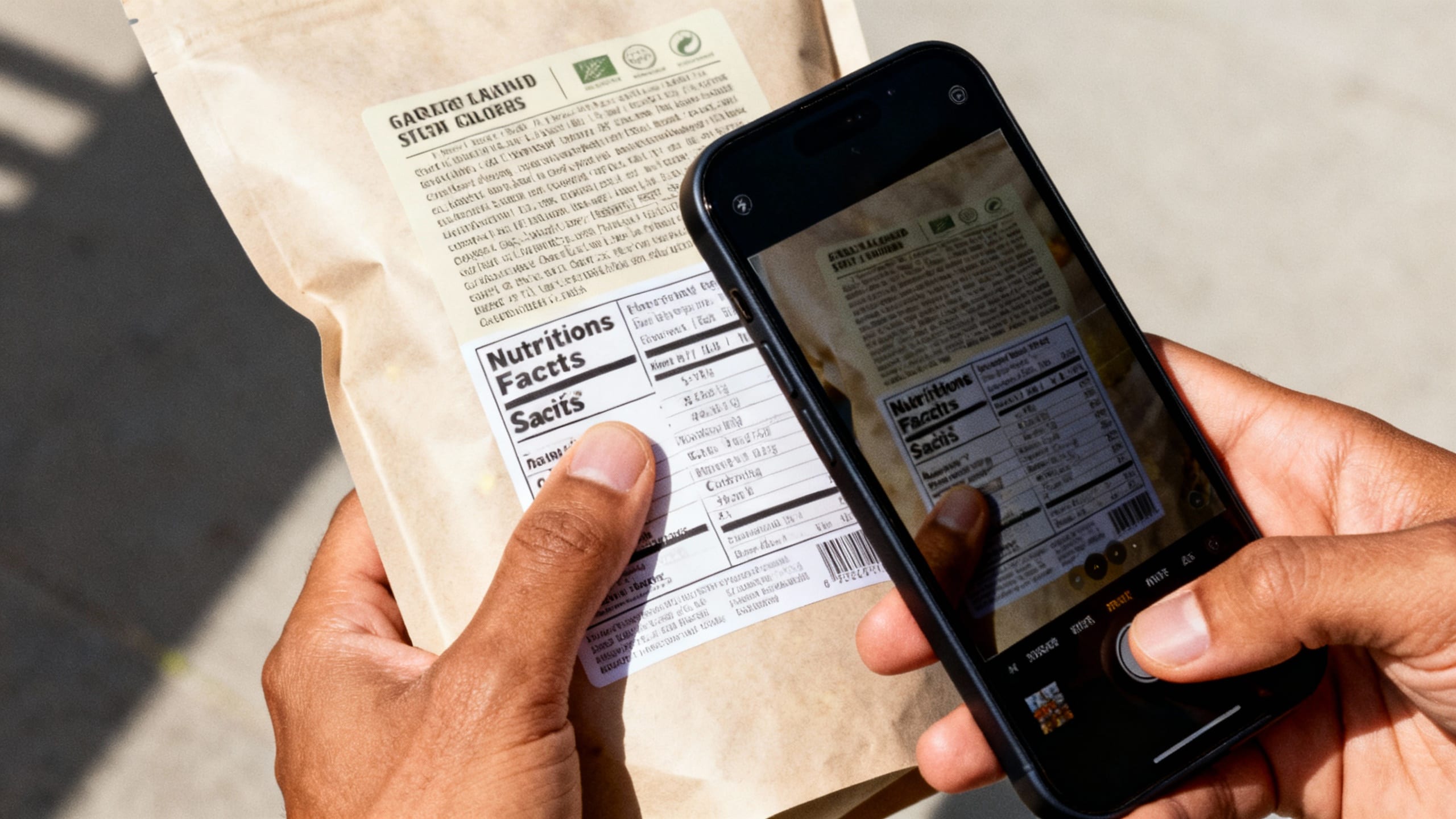
Eatibo is useful after the menu decision gets real. You can scan a plate, barcode, or nutrition label, compare calories and macros, check sodium, added sugar, allergens, additives, and ingredients, then save the meal to your Nutrition Log. The goal is not perfect restaurant math; it is seeing whether similar meals are helping or hurting your weekly pattern.
Before you make this your default order
Use one simple restaurant check before turning a good-sounding order into a habit. First, look at the full plate: entree, pita or rice, sauce, side, drink, and dessert. Second, decide which tradeoff matters today. For many restaurant meals, sodium and portion size are the hidden problems; for others, it is fried coating, creamy sauce, sweet drinks, or a low-protein plate that leaves you hungry later. Third, log the meal once after it arrives, because the actual portion often looks different from the menu description. If you eat at the same place again, you are not starting from zero. You have a saved reference point and can decide whether to repeat it, split it, swap a side, or keep it occasional. That is the difference between using nutrition data and collecting trivia.
Sources and references
- FDA: Calories on the Menu
- FDA: How to understand and use the Nutrition Facts label
- HHS/ODPHP: Current Dietary Guidelines for Americans
Frequently asked questions
Can I trust restaurant calorie numbers exactly?
Use them as estimates. Standard menu labels help, but local preparation, serving size, sauces, and substitutions can change the final meal.
What should I check first when eating out?
Start with the full order: entree, side, sauce, drink, and dessert. Then check the tradeoff that matters most for your goal, such as sodium, protein, added sugar, saturated fat, or calories.
How can Eatibo help after a restaurant meal?
Eatibo can log the actual plate and help you compare similar meals over the week, which is more useful than treating one estimate as perfect.
Related reading
- Making Smart Choices at Krieger's Health Foods: Your Guide to Personalized Wellness
- Shopping Smarter at Sunshine Health Foods: Your Guide to Truly Healthy Eating
- Unpacking Oikos Triple Zero Calories – What Your Yogurt Bowl Really Means for Your Goals
Last updated: June 1, 2026