
Smart Strategies to Boost High-Calorie Intake Healthily
You eat and eat, but the scale barely budges. Sound familiar? Many people, often called "hard gainers," struggle to put on weight or build muscle, despite feeling like they're constantly fueling their bodies. It's a common frustration, especially when societal narratives often focus on weight loss. But gaining weight healthily, whether for muscle, performance, or overall well-being, requires a strategic approach.
Why can't I gain weight, even when I eat a lot?
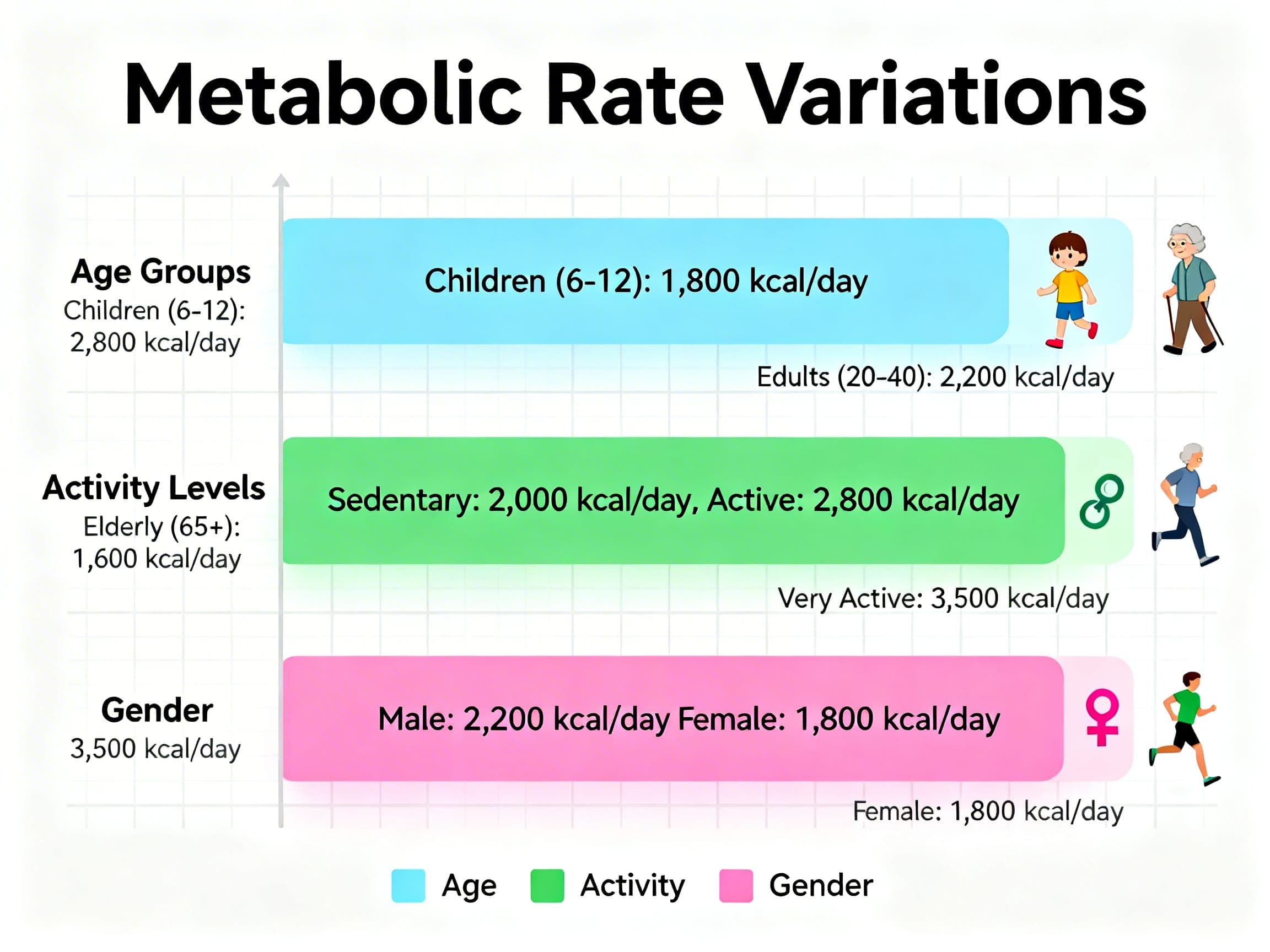
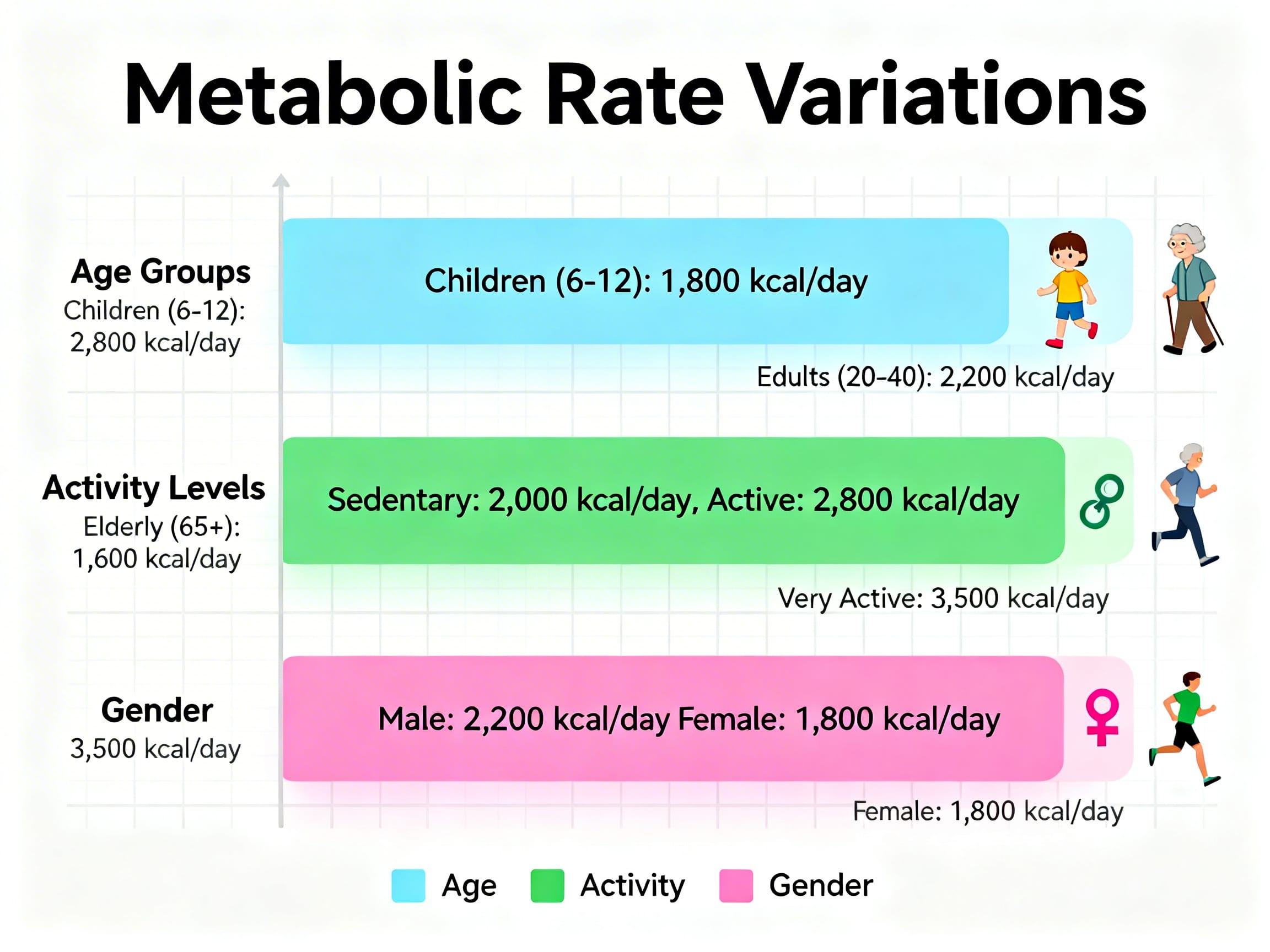
This is a question many people ask, and the answer isn't always as simple as "you're not eating enough." While a caloric surplus is essential for weight gain, various factors can make it challenging. Some individuals naturally have a faster metabolism, burning through calories more quickly even at rest. High activity levels, stress, or even certain underlying health conditions can also increase your daily energy expenditure. Sometimes, it's not just about the quantity of food, but also the quality and how well your body absorbs nutrients. So, if you're eating a lot but not seeing results, it's worth digging a little deeper into what and how you're eating.
What's the difference between "high calorie" and "nutrient dense"?
This distinction is crucial, especially when your goal is healthy weight gain. Simply put, "high calorie" refers to foods that pack a lot of energy into a small serving. Think about a candy bar or a bag of chips – they're high in calories. However, they're often low in essential vitamins, minerals, fiber, and healthy fats. These are often called "empty calories," and relying on them can lead to blood sugar spikes, inflammation, and a lack of proper nourishment.
"Nutrient-dense," on the other hand, means foods that offer a significant amount of nutrients relative to their calorie count. When trying to boost high-calorie intake healthily, you want to prioritize foods that are both high calorie and nutrient-dense. This ensures your body gets the building blocks it needs, not just energy.
This is where a tool like Eatibo becomes incredibly helpful. It helps you instantly identify not just the calorie count of a meal or product, but also its full macro breakdown, and flags any additives or potentially undesirable ingredients like seed oils. This means you can quickly see if that "high-calorie" option is truly a nutrient-dense choice that aligns with your health goals, ensuring you avoid empty calories and focus on quality fuel.
How can I actually eat more without feeling miserably full?
Trying to force-feed yourself can be uncomfortable and unsustainable. The key is to make subtle, strategic changes that increase your caloric intake without feeling overly stuffed. Liquid calories are your friend: smoothies made with full-fat dairy or plant milk, protein powder, nut butters, and fruits can pack a serious caloric punch. Eating more frequently throughout the day, maybe 5-6 smaller meals or substantial snacks, can also be easier than three huge ones.
Adding healthy fats to your existing meals is another simple trick. Drizzle olive oil over your vegetables, add avocado to your sandwiches and salads, or sprinkle nuts and seeds over oatmeal and yogurt. Making food more palatable and enjoyable, perhaps by adding herbs and spices, can also encourage you to eat more.
Are there specific foods I should prioritize for healthy weight gain?
Absolutely! Focusing on nutrient-dense, high-calorie foods will provide your body with quality fuel for muscle growth and overall health. Here’s a curated list:
- Healthy Fats: Avocados, nuts (almonds, walnuts, pecans), seeds (chia, flax, hemp), nut butters, olive oil, coconut oil.
- Protein Sources: Fatty fish (salmon, mackerel), lean meats (chicken, beef), eggs, full-fat dairy (Greek yogurt, cheese, milk), legumes (lentils, beans).
- Complex Carbohydrates: Oats, quinoa, brown rice, sweet potatoes, whole-grain bread.
- Dried Fruits: Raisins, dates, apricots (calorie-dense and easy to snack on).
- Smoothie Ingredients: Blend fresh fruits with protein powder, nut butter, and full-fat milk for a calorie and nutrient boost.
Eatibo can act as your personal nutrition coach here. When you're considering these foods, a quick scan with Eatibo will instantly show you their caloric and macro impact, helping you make informed choices. It can also suggest simple swaps if certain ingredients don't align with your goals, like recommending a higher-calorie, clean protein source when you're specifically targeting muscle gain.
What role does tracking play in reaching my calorie goals?
Guessing your calorie intake is often inefficient, especially when trying to gain weight. Most people tend to overestimate their intake when trying to lose weight and underestimate it when trying to gain. Accurate tracking helps you understand your baseline and ensures you're consistently hitting that caloric surplus needed for weight gain. It demystifies the "energy balance" equation – calories in versus calories out. By logging your food, you can identify where you might be falling short and make precise adjustments. This consistency and informed decision-making are critical for sustainable progress.
Beyond food: What else impacts my body's ability to 'boost' calories and gain effectively?
While nutrition is paramount, your lifestyle plays a huge supporting role in healthy weight gain. Quality sleep is essential for recovery and hormone regulation, both of which impact your body's ability to build muscle and utilize nutrients efficiently. Chronic stress can interfere with digestion and metabolism, potentially hindering your progress. Staying well-hydrated is also crucial for overall bodily functions.
If your goal is muscle gain, consistent resistance training is non-negotiable. Eating a caloric surplus without proper training can lead to unwanted fat gain instead of muscle. Think of it as providing the building blocks (calories and nutrients) and the blueprint (exercise) for your body to construct new tissue. Making informed choices about your food, consistently tracking your intake, and supporting your body with healthy lifestyle habits are the key pillars to successfully boosting your high-calorie intake and achieving your weight gain goals.
Leave A Reply
Login to post your comment or signup if you dont have any account