
Smart Strategies for Boosting Very High Calorie Intake Safely and Smartly
Tired of eating until you're stuffed but still not seeing the gains you want? Many people find it surprisingly difficult to consume enough calories to reach their fitness or health goals, even when they feel like they're constantly eating. This struggle is real, whether you're an athlete aiming for significant muscle hypertrophy, someone needing to gain weight due to a medical condition, or just have an accelerated metabolism.
Feeling Like a Bottomless Pit But Still Not Gaining? Here's Why.
It's frustrating when you're putting in the effort at the gym or trying to recover, but the scale or your physique isn't responding. The truth is, individual metabolic differences and high activity levels play a huge role. Your body might be burning through calories faster than you realize, or you might be making food choices that aren't as calorie-dense as you think. You might feel full quickly, lack the time to prepare elaborate meals, or simply make poor food choices that don't support your goals.
What Does "High Calorie" Really Mean for Your Body and Goals?
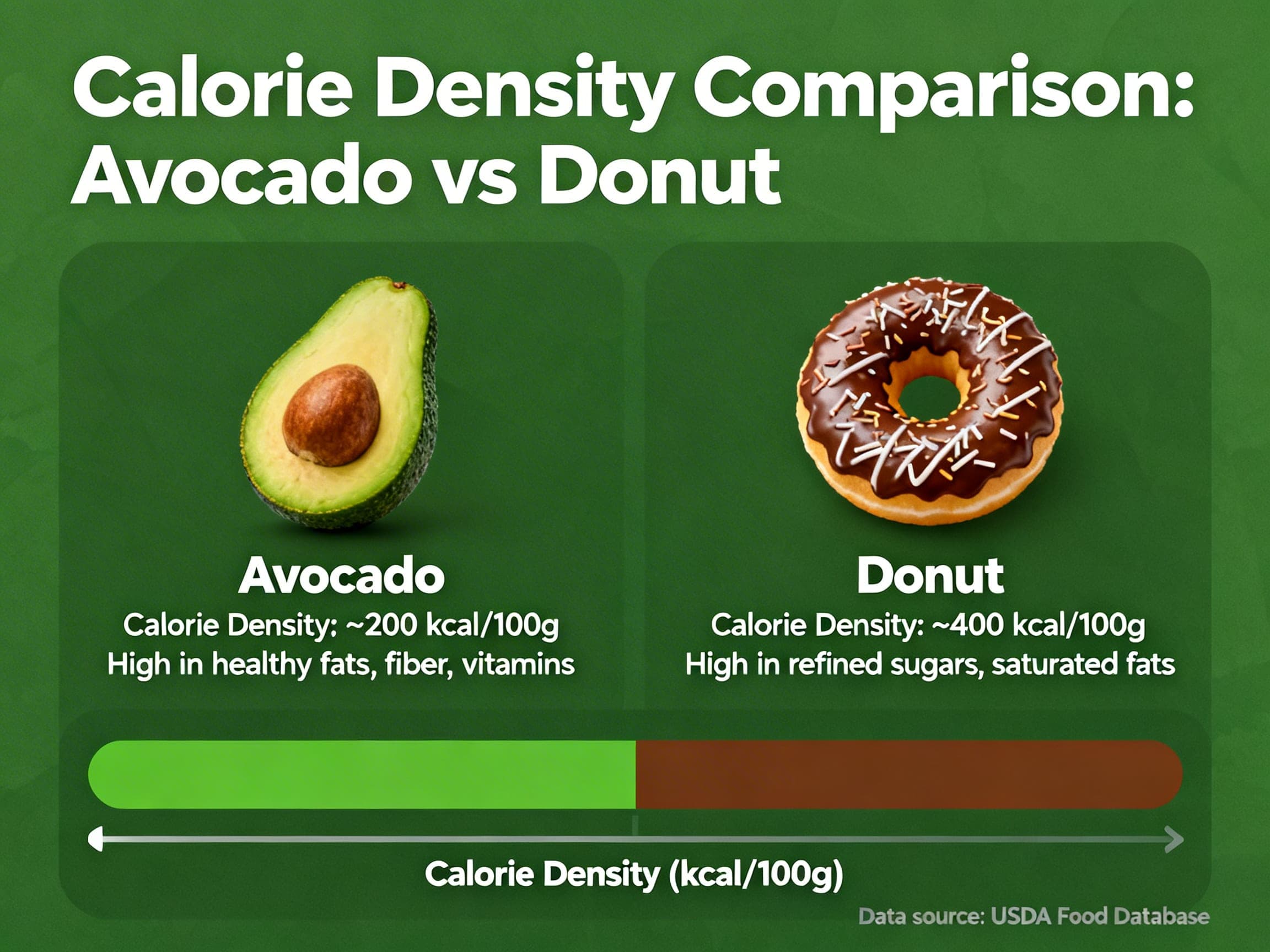
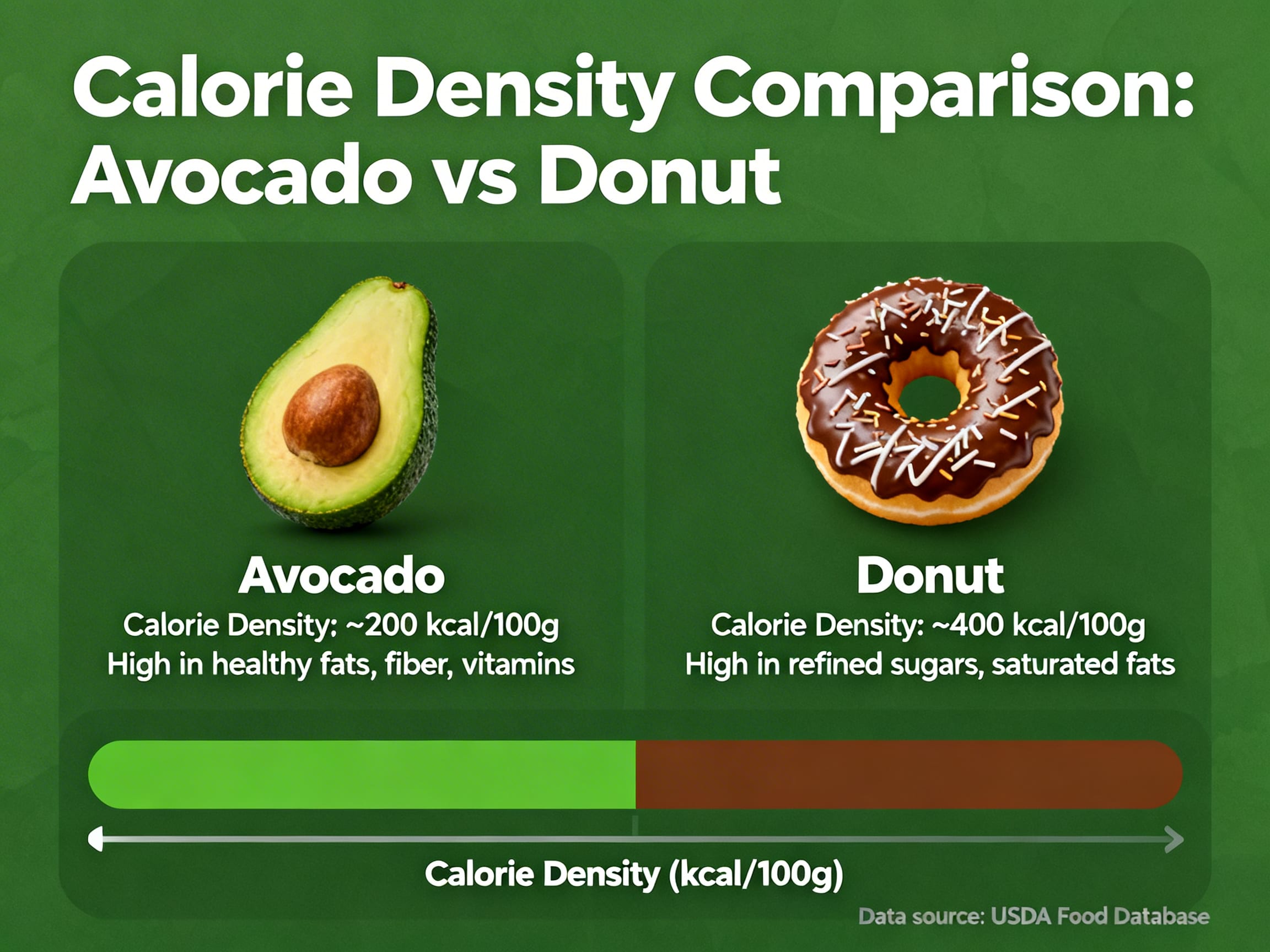
A healthy, effective way to increase calorie intake isn't just about eating more; it's about eating smarter. For muscle gain or healthy weight gain, you need to achieve a "calorie surplus," meaning you consume slightly more calories than your body burns. The key here is differentiating between empty calories and nutrient-dense options. While a donut offers calories, an avocado provides calories alongside healthy fats, fiber, and vitamins.
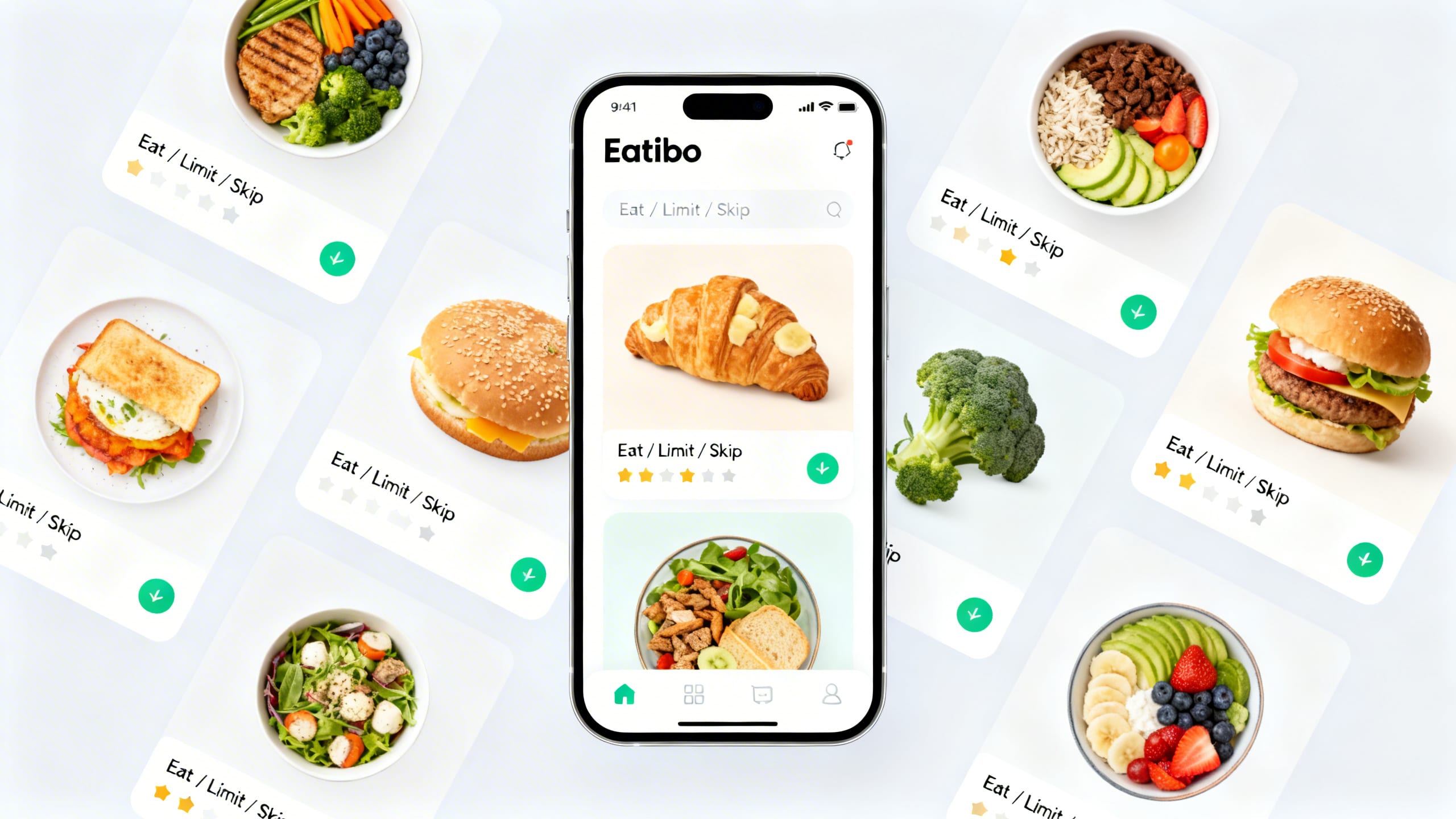
Instead of guessing, imagine being able to instantly see the calorie and macro breakdown of your meal. That’s where tools like Eatibo come in: point your camera, and it instantly tells you not just the calories, but also flags potential additives, helping you choose the right kind of high-calorie food. It guides you towards options that support sustained energy and overall health.
How Can You Maximize Calories Without Feeling Stuffed (or Sacrificing Nutrition)?
The secret to hitting your calorie goals isn't just about quantity; it's about quality and smart planning. To eat more calories without feeling sick or relying on unhealthy options, focus on calorie density. Here are some practical strategies:
- Embrace Healthy Fats: Add healthy fats like olive oil to vegetables, nuts and seeds to salads, or avocado to sandwiches and smoothies. Nuts and seeds are significantly more calorie-dense than leafy greens, meaning you consume a smaller volume for a higher calorie count.
- Liquid Calories: Smoothies are your best friend. Blend fruits, protein powder, nut butter, oats, and full-fat dairy or plant-based milk for a high-calorie, nutrient-packed drink.
- Snack Smart and Often: Instead of just three large meals, incorporate 2-3 substantial snacks throughout the day. Think Greek yogurt with granola and fruit, a handful of mixed nuts, or cheese and whole-grain crackers.
- Choose Full-Fat Options: Opt for full-fat dairy products like milk, yogurt, and cheese instead of their low-fat counterparts.
- Dried Fruit Power: Dried fruits like raisins, dates, and apricots are calorie-dense and easy to add to cereals, yogurts, or eat as a snack.
- Prioritize Protein: Adequate protein intake is crucial for muscle repair and growth, especially when you're in a calorie surplus. Aim for lean proteins like chicken, fish, eggs, and legumes.
Are You Accidentally Undermining Your High-Calorie Goals?
Many people make common mistakes when trying to bulk up or gain weight. An over-reliance on processed foods might give you calories, but it often lacks essential nutrients and can leave you feeling sluggish. Inconsistent eating patterns, not tracking your intake, and forgetting about liquid calories are also frequent pitfalls. Sometimes, people cut out "unhealthy" foods too aggressively without adequately replacing the calories, unknowingly sabotaging their goals.
This is where dedicated guidance and tracking become invaluable. With Eatibo, you can set specific goals for muscle gain or weight gain, and it tailors simple swaps and identifies "Eat / Limit / Skip" foods that align with your high-calorie, nutrient-dense objectives. It helps you see where you might be falling short or making less optimal choices, empowering you to adjust.
What Does a "Very High Calorie" Day Look Like in Practice?
A high-calorie day doesn't have to feel like a chore. Here's an example focusing on nutrient-dense options:
- Breakfast (approx. 700-800 calories): Large smoothie with 1 scoop protein powder, 1 cup full-fat Greek yogurt, 1 banana, 1/2 cup oats, 2 tbsp almond butter, and 1 cup whole milk.
- Mid-morning Snack (approx. 300-400 calories): A handful of mixed nuts (almonds, walnuts) and a piece of fruit like an apple or orange.
- Lunch (approx. 700-800 calories): Large whole-wheat wrap with chicken breast or chickpeas, avocado, cheese, a generous serving of hummus, and mixed greens. Side of dried fruit.
- Afternoon Snack (approx. 300-400 calories): Cottage cheese with berries and a sprinkle of flax seeds, or a protein bar.
- Dinner (approx. 800-1000 calories): Salmon or steak with a large serving of roasted sweet potatoes (tossed in olive oil) and steamed broccoli (with butter).
- Evening Snack (approx. 200-300 calories): Full-fat yogurt with a drizzle of honey or a small bowl of cereal with whole milk.
This sample day could easily push you beyond 3000-4000 calories, depending on portion sizes, all while emphasizing nutrient-rich whole foods.
Ready to Eat Smarter, Not Just More?
Boosting your calorie intake effectively requires a strategic approach. Focus on calorie density from healthy sources, ensure consistency in your eating habits, make smart food swaps, and most importantly, listen to your body. Tools like Eatibo can significantly simplify this process, helping you track progress and make informed choices without the guesswork. Take control of your nutrition goals and start eating smarter today.
Leave A Reply
Login to post your comment or signup if you dont have any account