
The Truth About California Roll Calories: Is Your 'Healthy' Sushi Really a Good Choice?
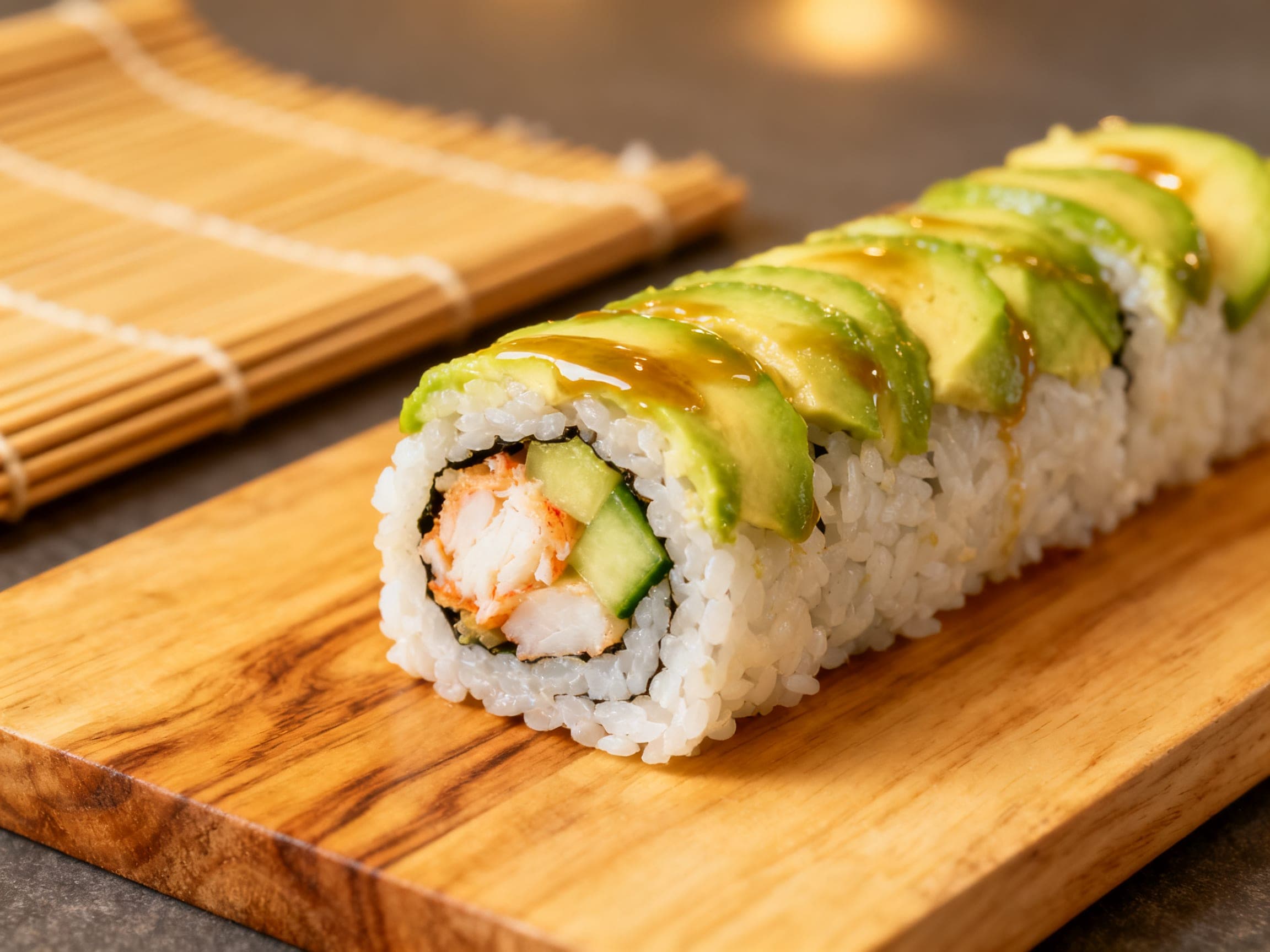
You grab a California roll for lunch, feeling virtuous about your "light" choice. It's sushi, after all, and sushi is healthy, right? While sushi can absolutely be part of a balanced diet, the California roll, a fan favorite, often surprises people with its actual nutritional profile. It's not always the low-calorie hero you might imagine.
What's Really Inside a California Roll, and How Many Calories Are We Talking?
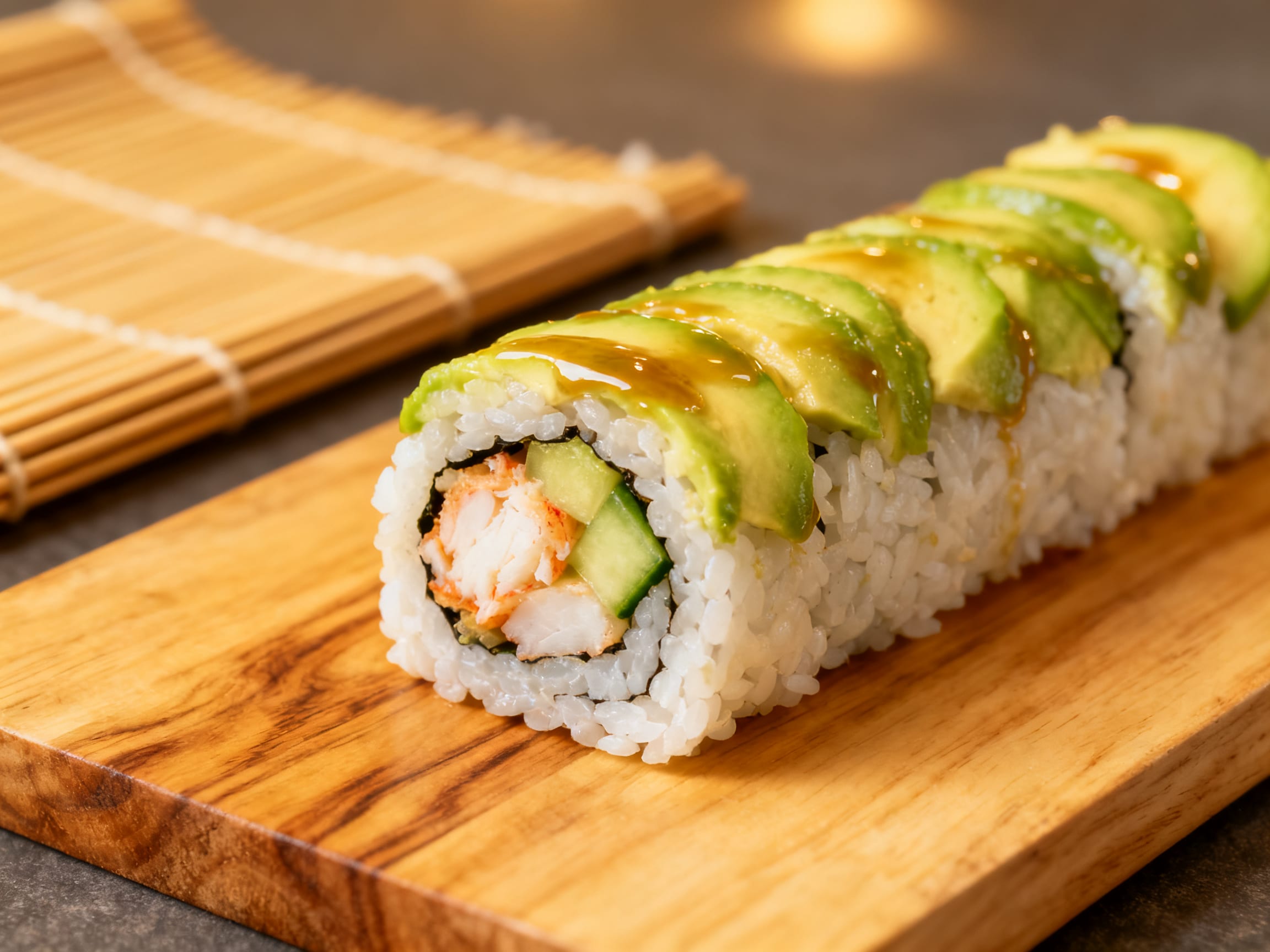
A typical 6-8 piece California roll, the kind you often find at a restaurant or grocery store, can range from approximately 250 to 300 calories. This might seem moderate, but let's break down where those calories come from. It's the combination of its key ingredients—sticky white rice, imitation crab (surimi), avocado, cucumber, and often, a touch of mayonnaise or sauce—that adds up.
Sushi rice is a major calorie and carbohydrate contributor. A single cup of sushi rice can contain around 200-240 calories. Given that a roll uses a substantial amount of rice, this quickly forms the caloric base. Avocado, while a fantastic source of healthy fats, also adds calories; a common portion in a California roll (e.g., 1/4 to 1/2 an avocado) can contribute 80-160 calories. Imitation crab (surimi) is usually moderate, with a 3 oz serving typically around 80-90 calories. And let's not forget the mayonnaise or other sauces, which can significantly boost the fat and calorie content.
It's tough to know exactly what's in every bite, especially with varying restaurant recipes and portion sizes. How can you truly know if that "light" lunch fits your goals? This is where an AI-powered tool like Eatibo comes in handy. Just point your camera at your roll, and Eatibo can give you instant calorie, macro, and even additive insights, helping you understand your meal transparently.
Why Do California Roll Calories Vary So Much?
The calorie count of California rolls isn't set in stone; it's a moving target influenced by several factors. The most obvious is portion size: an 8-piece roll will naturally have more calories than a 6-piece, and some rolls are simply bigger. The amount of rice used also plays a huge role; some establishments are more generous with their rice portions than others.
Perhaps the biggest variable, though, is the sauce. Many restaurants include a drizzle of mayonnaise, often spicy mayo, which can be calorie-dense. A tablespoon of mayonnaise can add around 90-100 calories, and if it's mixed into the roll or generously drizzled, those calories can really accumulate. Homemade rolls often have fewer calories because you control these ingredients precisely, whereas restaurant versions might use more oil or sauces for flavor.
How Does a California Roll Stack Up Against Other Lunch Options?
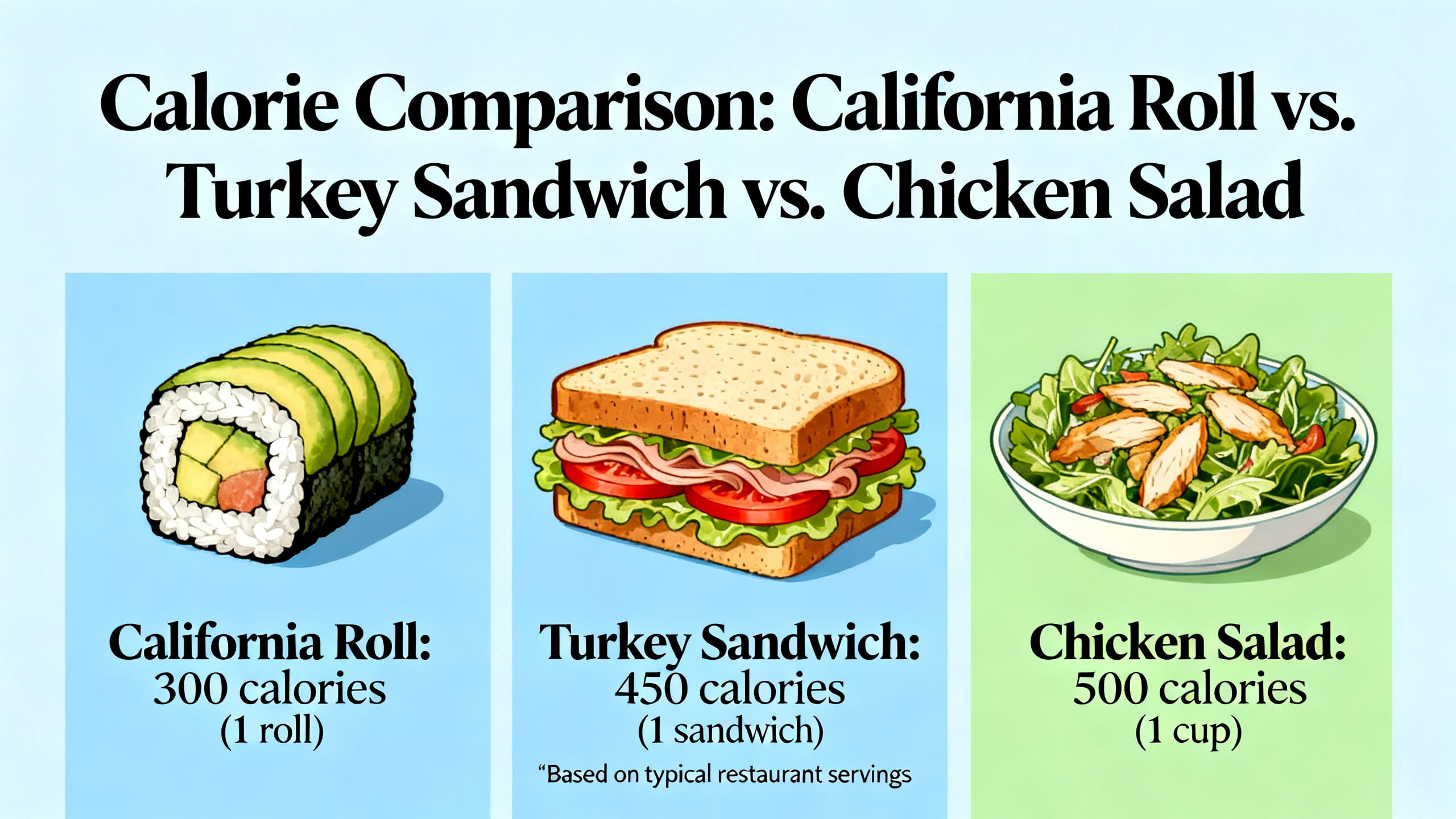
Comparing a California roll to other common lunch items can be eye-opening. While it might seem lighter than a burger and fries, it can sometimes be on par with or even exceed the calories in a moderately sized sandwich or a salad with dressing. For example, a chicken Caesar salad can range from 350-500 calories, and a turkey sandwich might be 400-600 calories, depending on ingredients. A plain tuna roll (without mayo) or sashimi (just fish) would typically be much lower in calories than a California roll. The key is to look at the overall picture, considering not just calories but also macronutrients like protein, fat, and carbs.
How Can You Enjoy Your California Roll Smarter?
The good news is you don't have to give up your beloved California roll entirely! There are smart ways to enjoy it while keeping your health goals in mind. Consider these modifications:
- Opt for "light rice" or "burrito style": If available, asking for less rice can significantly reduce carbohydrate and calorie content.
- Sauce on the side (or none): Requesting no mayo or sauce, or having it served on the side, gives you control over how much you consume.
- Add more veggies: Look for rolls with extra cucumber, carrots, or other vegetables to boost fiber and nutrients without a lot of extra calories.
- Balance your meal: Pair your roll with a simple side salad or miso soup for added nutrients and to help you feel fuller.
- Portion control: Stick to a 6-piece roll instead of a larger one, or share with a friend.
Want to enjoy sushi but stay on track with your goals? Eatibo can help you scan different rolls and even suggest healthier alternatives based on your personal dietary needs, whether you're aiming for weight loss, muscle gain, or avoiding seed oils. It's like having a nutrition coach in your pocket, guiding you to "Eat Smarter, One Scan at a Time."
Your Sushi Strategy: Balancing Enjoyment and Nutrition
Ultimately, no single food is inherently "bad." The key lies in understanding what you're eating and how it fits into your overall dietary pattern. By being aware of the ingredients and potential calorie contributions of your California roll, you're empowered to make informed choices. Whether you modify your order, practice portion control, or use tools like Eatibo to gain transparency, you can continue to enjoy your favorite sushi while staying aligned with your health and wellness goals. It's all about mindful eating and making educated decisions.
Leave A Reply
Login to post your comment or signup if you dont have any account