Beyond the Plate: How a Clean Aesthetic Can Inspire Your Health Journey

Quick answer: This is a light lifestyle context page, so keep the answer narrow. Use it for ideas or orientation, then switch to the actual meal, label, menu, or grocery decision when health or nutrition is involved.
Key takeaways
- Do not turn a lifestyle aesthetic into a medical or nutrition claim.
- If the topic leads to food, check the actual ingredients, portion, sodium, added sugar, protein, fiber, and allergens.
- Eatibo only fits when there is a real meal, menu, grocery, or label decision to compare or log.
- If the idea becomes a routine, verify it with actual meals and patterns rather than mood-board logic.
Definition: In this guide, a useful lifestyle answer means separating inspiration from nutrition decisions, then checking the real food context before making a rule.
The blue Mediterranean design style is calm, uncluttered, and intentional. Applying that same philosophy to food can reduce decision fatigue and help you build healthier routines.
Design principles that translate to nutrition habits
| Design principle | Nutrition habit | Why it helps |
|---|---|---|
| Simplicity | Short ingredient lists | Less guesswork in the grocery aisle. |
| Balance | Protein, fiber, and healthy fats | Supports steady energy. |
| Consistency | Repeatable meals | Easier weekly planning. |
| Clarity | Transparent labels | Fewer hidden sugars or oils. |
| Intention | Defined goals | Helps you choose Eat / Limit / Skip. |
How to create a low-clutter food routine
- Keep a short list of go-to meals you enjoy.
- Choose a primary goal for the week (low sugar, higher protein, or seed-oil-free).
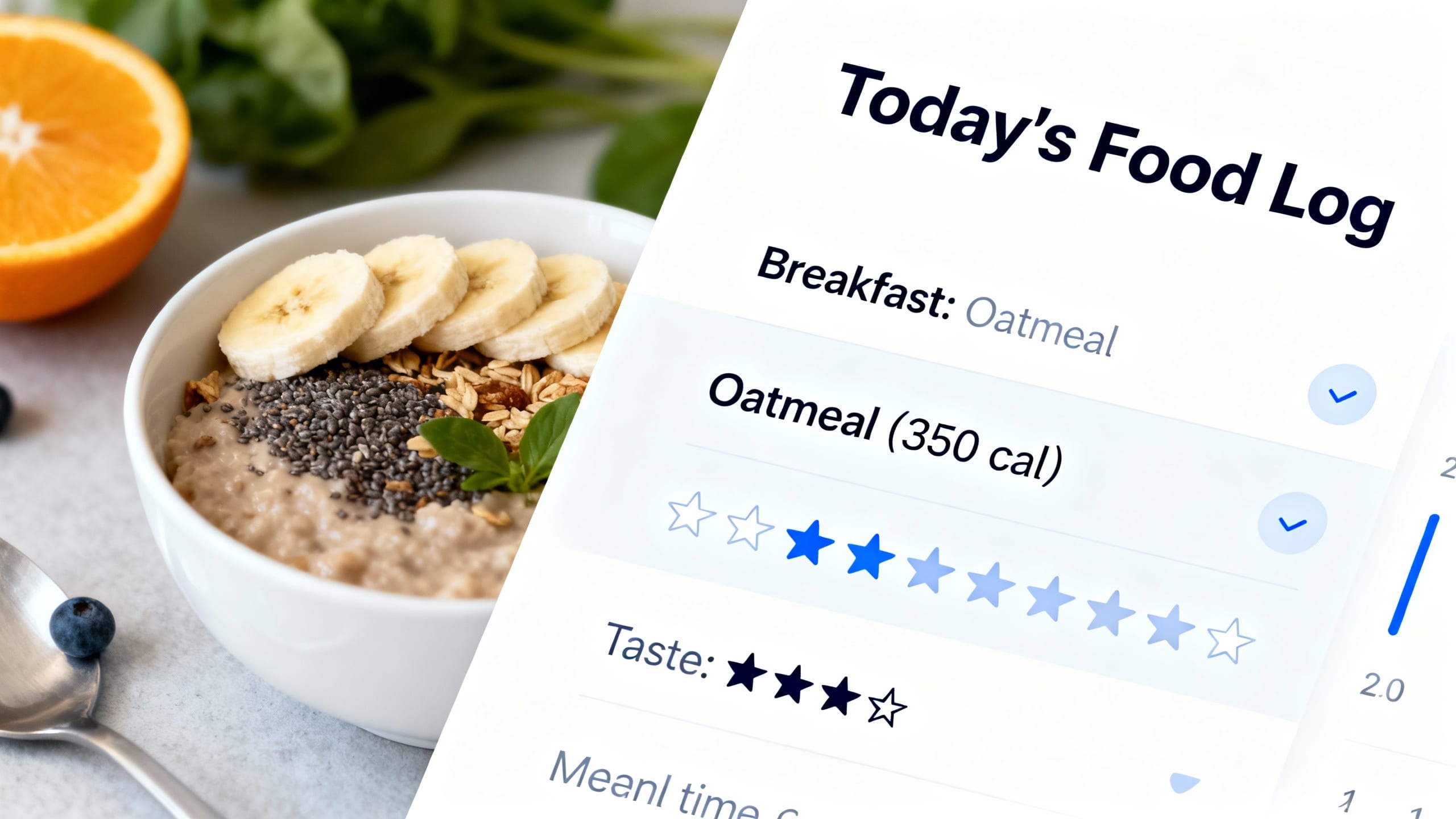
- Track meals in a simple log so patterns are visible.
- Make one small swap per week rather than a full overhaul.
Decision framework
| Reader question | What can go wrong | Better next step |
|---|---|---|
| The topic is design, travel, or lifestyle | It can drift into unsupported wellness claims | Answer the narrow question and avoid medical promises |
| The topic leads to food | A vibe does not tell you ingredients or portion | Check the actual meal, label, menu, or grocery item |
| The page is only loosely related to Eatibo | Forced product copy hurts trust | Mention Eatibo only when scanning, comparing, or logging food is natural |
| The topic stays lifestyle-only | Forced nutrition claims hurt trust | Keep the product connection short and factual |
Concrete examples
- If the idea changes what you buy or cook, check the actual label or recipe instead of relying on the aesthetic.
- If a page is only inspiration, keep it separate from medical or nutrition decisions.
- If the topic turns into a real meal, use a scan or log to compare the food itself.
Limits and safety notes
This page is lifestyle context, not diagnosis, treatment, allergy guidance, weight-loss advice, or a clinician-directed plan. When food, symptoms, medication, pregnancy, allergies, or diagnosed conditions are involved, use qualified professional guidance.
Where Eatibo fits
Eatibo fits only when inspiration becomes a food decision. If you are choosing a meal, menu item, packaged food, or grocery ingredient, scan it and compare the nutrition details. If the topic stays purely lifestyle, Eatibo should stay in the background.
Keep inspiration separate from nutrition decisions
Lifestyle ideas can make healthy routines feel more inviting, but they are not the same as nutrition evidence. A clean kitchen, a calm routine, or a Mediterranean-looking table may help you slow down and plan better meals; none of that tells you whether a packaged food is high in sodium, whether a drink has added sugar, or whether a meal has enough protein to keep you full. Use the aesthetic as a prompt, then check the real food. If the idea leads to a grocery trip, recipe, snack, or restaurant meal, scan the label or plate and make the decision there. That separation keeps the page honest: inspiration can support a habit, but the meal still has to stand on its own ingredients and portion.
A good routine also needs friction checks. If the plan requires rare ingredients, complicated prep, or a perfect morning, it may collapse quickly. Keep the visual idea, then choose one practical behavior attached to it: prep fruit, keep water visible, scan a new packaged food, or save a meal that worked. That makes the inspiration measurable without making the page pretend to be clinical evidence.
Keep one visible cue attached to one action: a water bottle next to lunch, fruit where you can see it, or a saved meal that worked last week. Small cues are easier to keep than a total lifestyle reset.
Sources and references
Frequently asked questions
Is this medical or nutrition advice?
No. It is lifestyle context. Use qualified professional guidance for symptoms, medication, pregnancy, diagnosed conditions, allergies, or clinician-directed diets.
When does this become a food decision?
When you choose a meal, grocery item, recipe, restaurant order, or packaged food. At that point, check the actual ingredients, portion, and label.
Why mention Eatibo at all?
Only because some lifestyle ideas turn into food choices. If there is no meal, menu, grocery, or label decision, Eatibo is not the main point.
Related reading
- 10 Best Foods for Prostate Health: Your Plate's Secret Weapon
- Do Vapes Have Calories? Unpacking the Truth Beyond the Puff
- Savoring Smarter: Your Guide to Low-Calorie Wine
Last updated: June 1, 2026