
Conquering Cravings with Delicious 500-Calorie Meals That Actually Satisfy
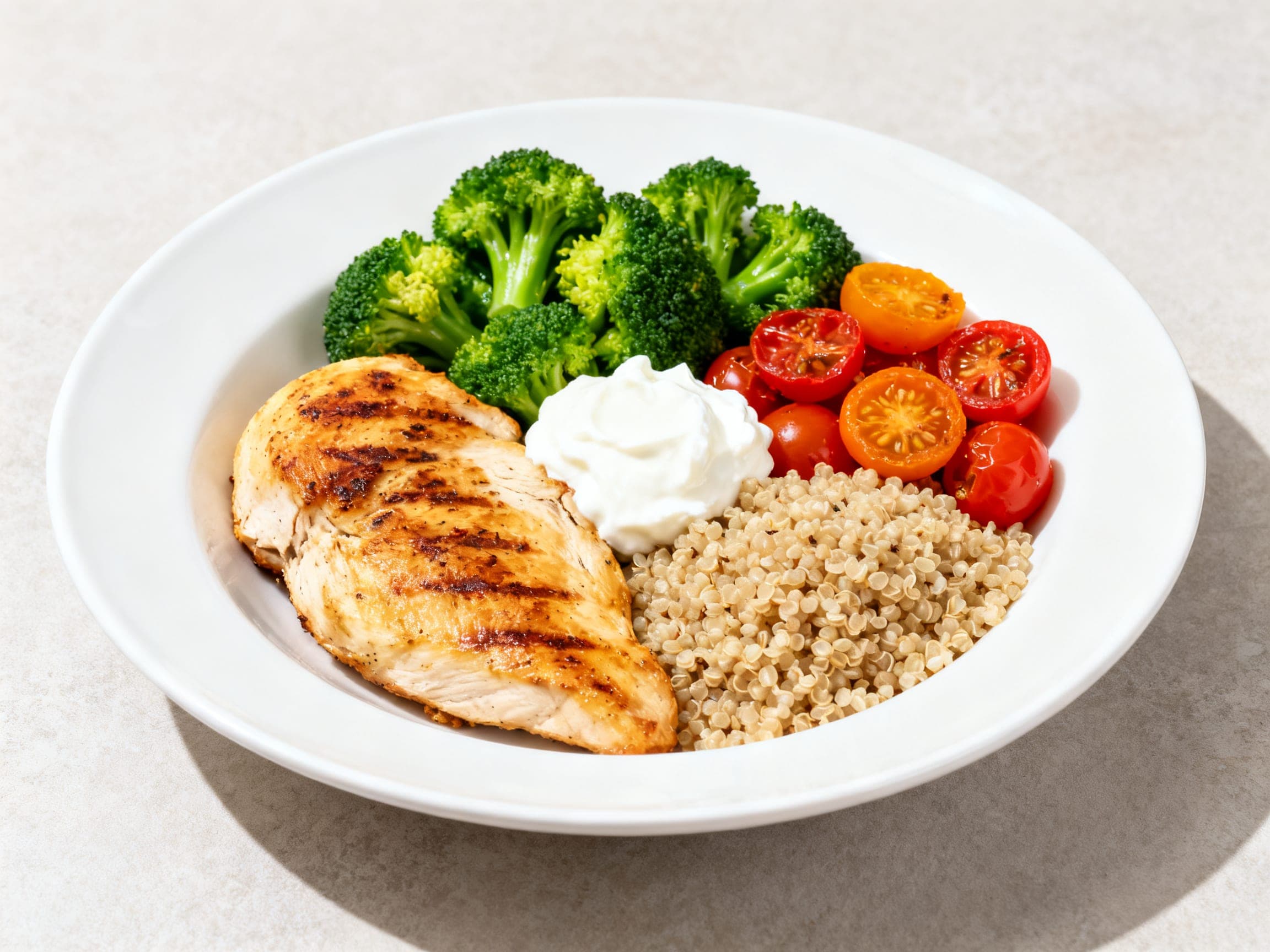
Ever felt that familiar pang of hunger an hour after a "healthy" meal, leaving you rummaging for snacks and questioning your entire diet plan? You’re not alone. The secret to sustainable healthy eating isn't about deprivation; it's about smart choices that keep you full and energized, all while hitting your calorie goals.
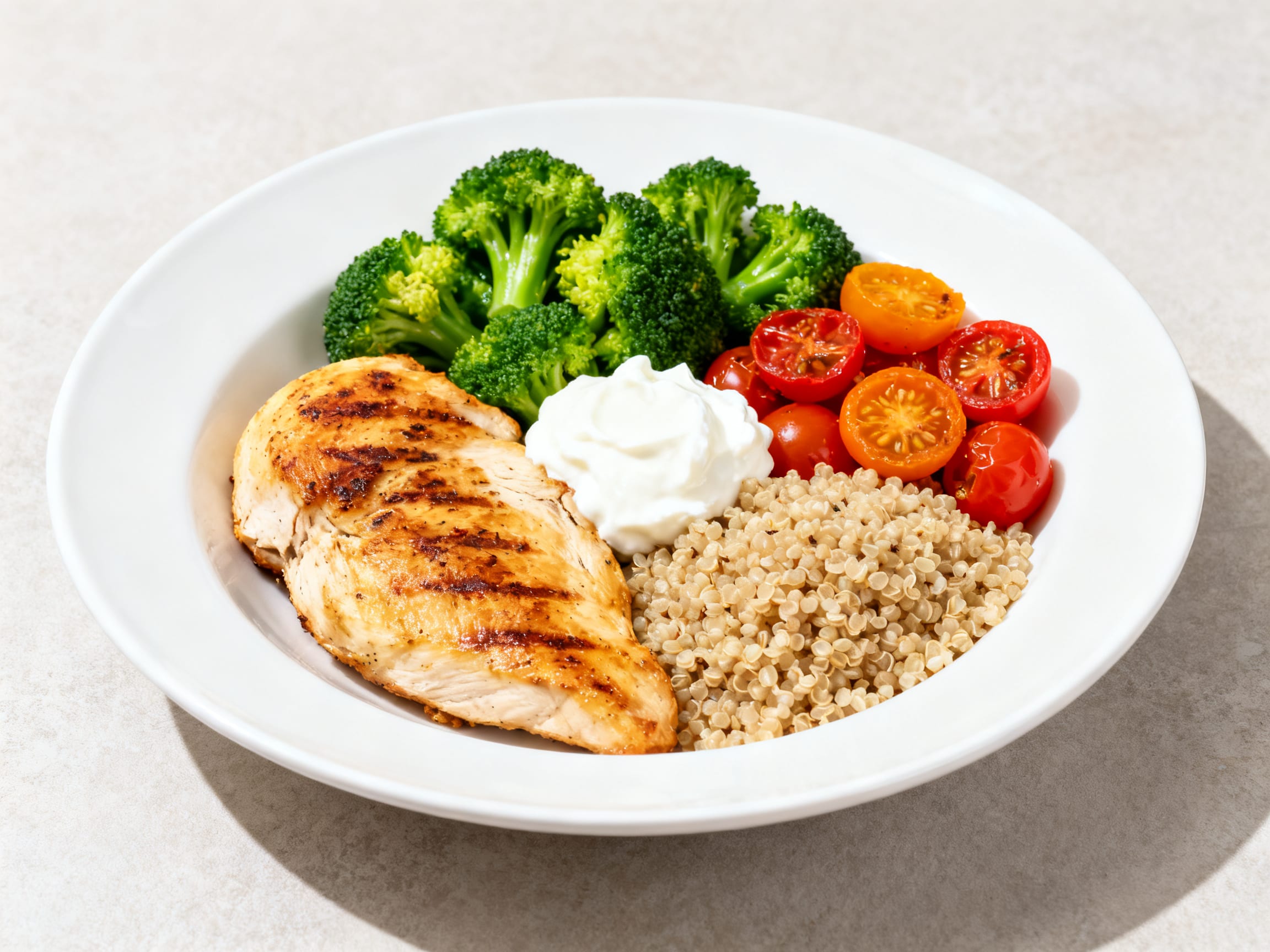
Why do 500-calorie meals matter for my health goals?
Focusing on 500-calorie meals can be a game-changer for managing your weight and boosting overall health. Many Americans consume more calories than recommended daily, often unknowingly. For instance, the average adult male in the US might consume around 2,500-3,000 calories, while adult females consume 2,000-2,500 calories, depending on age and activity levels. However, these numbers are often exceeded, contributing to weight gain and related health issues.
Mindful portion control around a 500-calorie target helps you stay within your daily caloric needs, which is crucial for weight management. It promotes energy balance, where the calories you consume align with the calories your body burns. This approach doesn't just aid in weight loss; it also helps maintain stable energy levels throughout the day and can reduce the risk of chronic diseases associated with obesity.
What makes a truly satisfying 500-calorie meal?
It's not just about hitting the number; it's about what makes up those 500 calories. A truly satisfying meal is rich in protein, fiber, and healthy fats. These macronutrients are key players in satiety, meaning they keep you feeling full for longer. Protein, for example, has a high satiety index, as does fiber found in fruits, vegetables, and whole grains. Healthy fats, like those in avocados or nuts, also contribute to fullness and nutrient absorption.
To ensure you're building a truly satisfying 500-calorie option, not just an empty calorie count, Eatibo can be incredibly helpful. This AI-powered app instantly shows you the protein, fiber, and fat content of your meals at a glance. It helps you understand if your meal is balanced and will actually keep you full.
How can I easily plan and track my meals to hit 500 calories?
Planning delicious and practical 500-calorie meals doesn't have to be a chore. Start by dedicating a little time to meal prepping. This could mean chopping veggies for a few days, cooking a batch of lean protein, or portioning out snacks. When shopping, prioritize whole, unprocessed foods. Navigating restaurant menus can be tricky, but many establishments now provide nutritional information; look for grilled options, ask for sauces on the side, and don't be afraid to customize.
Eatibo truly eliminates the guesswork from this process. You can point your camera at a homemade dish or even a restaurant meal, and instantly get its estimated calories and macros. This makes sticking to your 500-calorie target effortless, whether you're at home or eating out. If a meal exceeds your goal, Eatibo even helps you find "simple swaps" to adjust it, like suggesting a lighter dressing or smaller portion of a carb.
Are there common pitfalls to avoid when aiming for 500-calorie meals?
One common mistake is underestimating portions, especially with calorie-dense foods like nuts or oils. Another pitfall is focusing solely on the calorie count without considering micronutrients. While 500 calories of cookies technically fit the bill, they won't provide the vitamins, minerals, and satiety of a balanced meal. Neglecting variety can also lead to nutritional deficiencies and boredom, making it harder to stick to your goals long-term. Always aim for a diverse range of colorful fruits, vegetables, lean proteins, and whole grains to ensure you're getting all the nutrients your body needs.
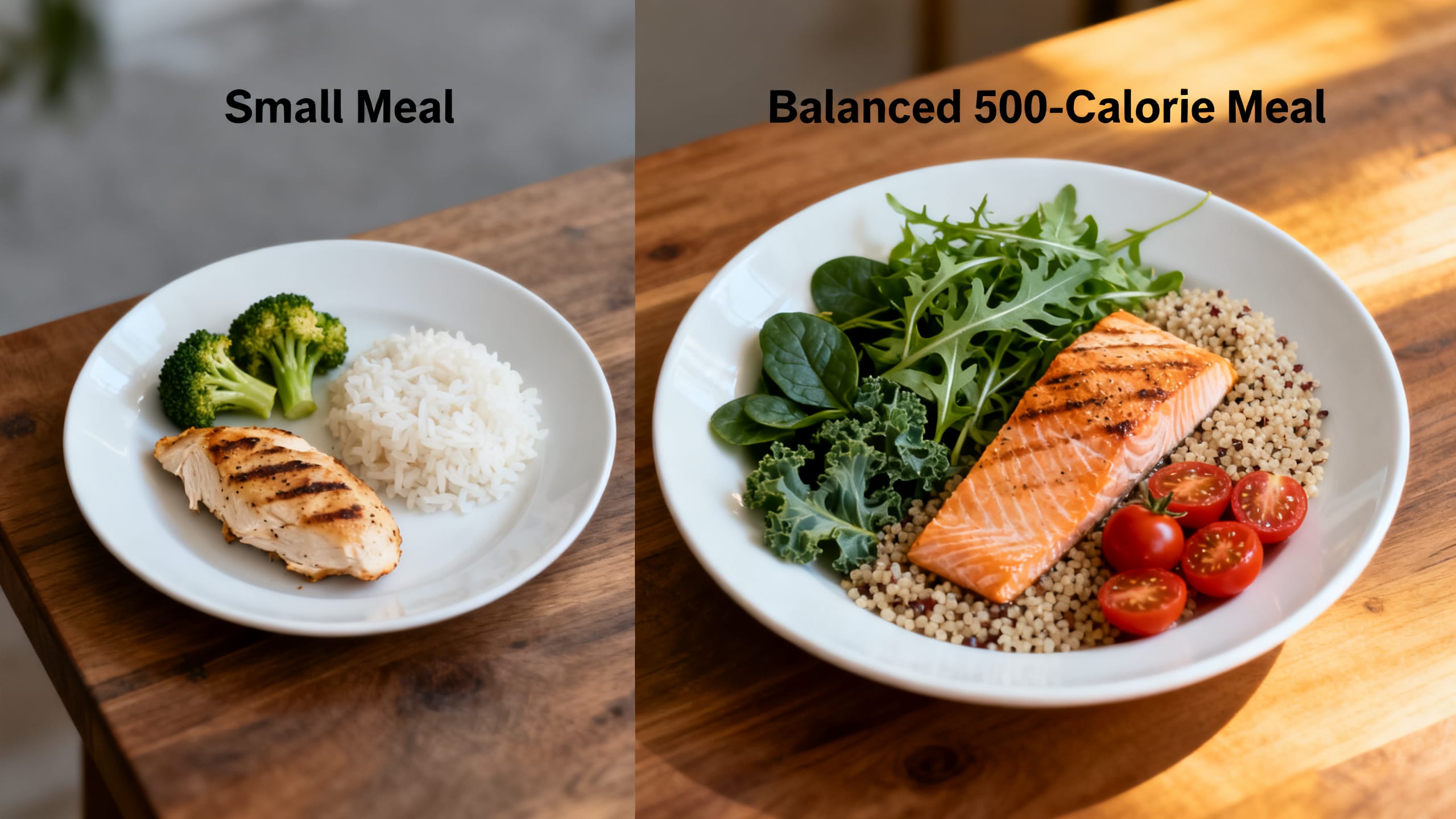
Where can I find quick, delicious, and diverse 500-calorie meal ideas?
The beauty of 500-calorie meals is their versatility. You can create endless combinations using simple templates:
- Breakfast: Greek yogurt (high protein) with berries (fiber) and a sprinkle of nuts (healthy fats). Or scrambled eggs with spinach and a slice of whole-wheat toast.
- Lunch: A large salad with grilled chicken or chickpeas, plenty of mixed greens, colorful veggies, and a light vinaigrette. Or a whole-wheat wrap filled with lean turkey, hummus, and crunchy vegetables.
- Dinner: Baked salmon or chicken breast with a generous serving of roasted broccoli and a small portion of quinoa or sweet potato. Stir-fries with lots of vegetables and a modest amount of protein are also great.
- Snacks: An apple with a tablespoon of peanut butter, a hard-boiled egg, or a small handful of almonds.
Remember to be creative and adapt these ideas to your personal preferences and what's available. The goal is to make healthy eating enjoyable and sustainable.
Eating well doesn't have to be a guessing game or a constant struggle against hunger. By focusing on nutrient-dense ingredients and understanding how to structure your plates, delicious and satisfying 500-calorie meals are entirely achievable. Start experimenting, trust your body, and embrace the power of smart nutrition to fuel your goals.
Leave A Reply
Login to post your comment or signup if you dont have any account