
Decoding Your Plate (and Your Pet's): A Smarter Way to Eat

Quick answer: Mediterranean-style eating works best as a pattern, not as a magic label. Look for vegetables, beans, whole grains, olive oil, seafood, yogurt, herbs, and minimally processed foods, then still check portions, sodium, protein, fiber, and added sugar.
Key takeaways
- The Mediterranean pattern is flexible; it is not one fixed meal plan.
- Olive oil, nuts, bread, rice, pasta, cheese, and wine can fit, but portions still matter.
- Protein, fiber, sodium, and added sugar make the difference between a helpful meal and a vague wellness claim.
- Use the label, menu, or meal photo when you need a decision you can repeat.
Definition: In this guide, a smarter Mediterranean food decision means checking the actual dish, the practical nutrition tradeoffs, personal limits, and the repeat pattern before treating a cuisine label as a health guarantee.
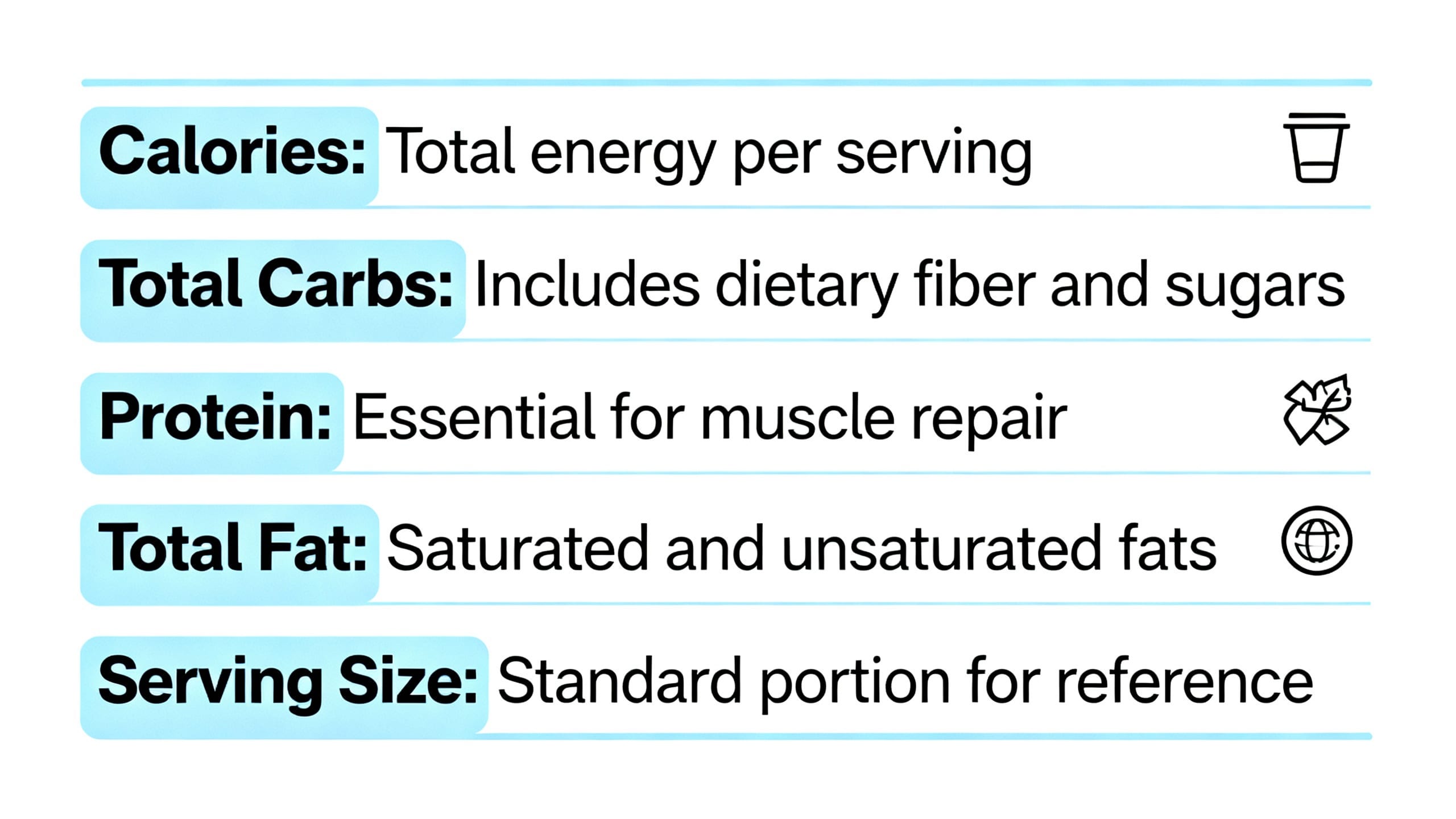
Decoding your plate means understanding calories, ingredients, and nutrient balance. The same habits help when you choose pet food, where labels also hide sugars, fillers, or additives.
What to look for on labels
| Label item | Why it matters |
|---|---|
| Serving size | Most comparisons fail here. |
| Ingredient list | Long lists can hide fillers. |
| Added sugars | Common in human and pet foods. |
| Protein and fiber | Helps with satiety and balance. |
| Allergens | Important for both you and your pet. |
A practical label workflow
- Compare serving sizes first.
- Scan or read the ingredient list.
- Check added sugar and sodium (for humans).
- Choose the simplest option that fits your goals.
Decision framework
| What to check | Why it changes the answer | Practical next step |
|---|---|---|
| Plant foods, legumes, whole grains, seafood, olive oil | These are the pattern's useful anchors | Build the plate around these before adding extras |
| Bread, pasta, rice, cheese, nuts, oil, or wine | Mediterranean foods can still be calorie-dense | Keep the portion visible instead of assuming the label makes it healthy |
| Sodium, added sugar, and saturated fat | Packaged and restaurant versions vary widely | Check labels, sauces, and sides separately |
| Medical or allergy boundary | A cuisine pattern is not personalized care | Follow clinician-directed limits first |
Concrete examples
- If a meal has vegetables, beans, olive oil, and fish, it may fit the pattern even without a perfect label.
- If a restaurant dish is mostly bread, cheese, creamy sauce, or fried sides, check the portion before assuming it is light.
- If you repeat the same Mediterranean meal weekly, log it once and adjust from your own trend.
Limits and safety notes
Mediterranean-style eating is a general pattern, not a medical prescription. For diagnosed conditions, pregnancy, kidney disease, diabetes medication, severe allergies, eating-disorder recovery, or clinician-directed diets, get qualified guidance before changing your routine.
Where Eatibo fits
Eatibo can turn a broad Mediterranean idea into a specific food decision. Scan the meal, menu, barcode, nutrition label, or ingredient list, then compare calories, macros, sodium, added sugar, allergens, additives, and weekly Nutrition Log patterns.
Turn one answer into a usable habit
A food answer is only useful if it changes the next decision. After you scan or log a meal, look for one pattern you can reuse: a portion that works, a label warning you want to remember, an ingredient you tolerate poorly, or a swap that keeps the meal enjoyable. Do not try to optimize every number at once. Start with the constraint that actually matters today, such as protein, fiber, sodium, added sugar, allergens, or total calories. Then check whether the same issue appears again later in the week. Eatibo is strongest in that repeat loop: scan, decide, log, review, and make the next similar choice with less effort. That is more realistic than treating a single meal estimate as the final truth.
The same rule applies to labels, leftovers, and takeout. A single scan can answer the moment, but the second and third scan show the habit. If a pattern keeps showing up, save a better default: a higher-protein breakfast, a lower-sodium packaged food, a snack that actually satisfies, or a restaurant order that does not need much adjustment next time.
Keep human food decisions separate from pet-care decisions. Eatibo can help with your meal, but a pet symptom, medication, or diet question belongs with a veterinarian. Mixing those jobs creates false confidence.
Sources and references
- American Heart Association: What is the Mediterranean Diet?
- HHS/ODPHP: Current Dietary Guidelines for Americans
- USDA/FNS: Dietary Guidelines for Americans
Frequently asked questions
Is Mediterranean food always healthy?
No. The pattern can be very useful, but portions, sodium, refined grains, cheese, alcohol, sauces, and sweets still matter.
What should I look for first?
Look for vegetables, beans, whole grains, olive oil, fish or lean protein, and minimally processed foods. Then check sodium, added sugar, protein, fiber, and serving size.
Where does Eatibo help?
Eatibo helps when you need to scan a real meal, menu, barcode, label, or ingredient list and compare it against your weekly pattern.
Related reading
- Decoding Daily Meals with Eatibo: A Smarter Way to Eat
- Your AI Nutrition Coach: Decoding What You Eat for a Healthier You
- Savoring the Mediterranean Taste – More Than Just a Diet
Last updated: June 1, 2026