
Elevate Your Plate: Unlocking the Magic of Mediterranean Seasoning
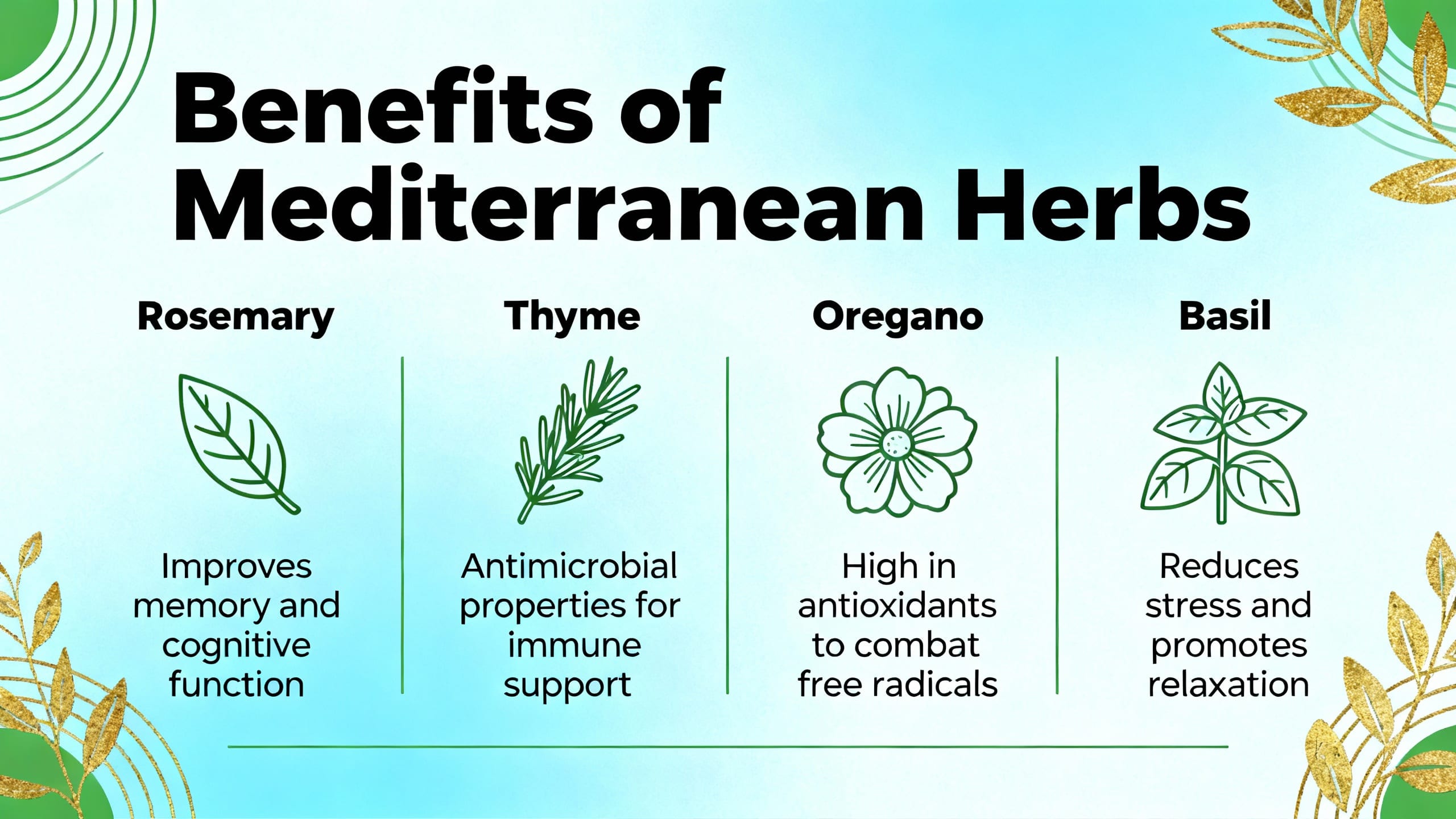
Quick answer: Mediterranean-style eating works best as a pattern, not as a magic label. Look for vegetables, beans, whole grains, olive oil, seafood, yogurt, herbs, and minimally processed foods, then still check portions, sodium, protein, fiber, and added sugar.
Key takeaways
- The Mediterranean pattern is flexible; it is not one fixed meal plan.
- Olive oil, nuts, bread, rice, pasta, cheese, and wine can fit, but portions still matter.
- Protein, fiber, sodium, and added sugar make the difference between a helpful meal and a vague wellness claim.
- Use the label, menu, or meal photo when you need a decision you can repeat.
Definition: In this guide, a smarter Mediterranean food decision means checking the actual dish, the practical nutrition tradeoffs, personal limits, and the repeat pattern before treating a cuisine label as a health guarantee.
Mediterranean seasoning is a simple spice blend used across Greek, Italian, and coastal dishes. It adds aroma and depth, helping meals taste richer without extra sugar or heavy fats.
What’s typically in Mediterranean seasoning
| Herb or spice | Flavor note | Common use |
|---|---|---|
| Oregano | Earthy and bold | Marinades, roasted vegetables |
| Thyme | Savory and light | Poultry, soups |
| Rosemary | Pine-like and fragrant | Roasted meats, potatoes |
| Basil | Sweet and fresh | Salads, sauces |
| Garlic and onion | Umami base | Almost everything |
Simple ways to use it
- Mix with olive oil and lemon for a quick marinade.
- Sprinkle on roasted vegetables or potatoes.
- Add to Greek yogurt for a quick dip.
- Season scrambled eggs or grain bowls.
Homemade vs. store-bought
| Option | Pros | Watch-outs |
|---|---|---|
| Homemade | Full control of ingredients | Requires a few spices on hand |
| Store-bought | Convenient and consistent | Some blends add extra sodium |
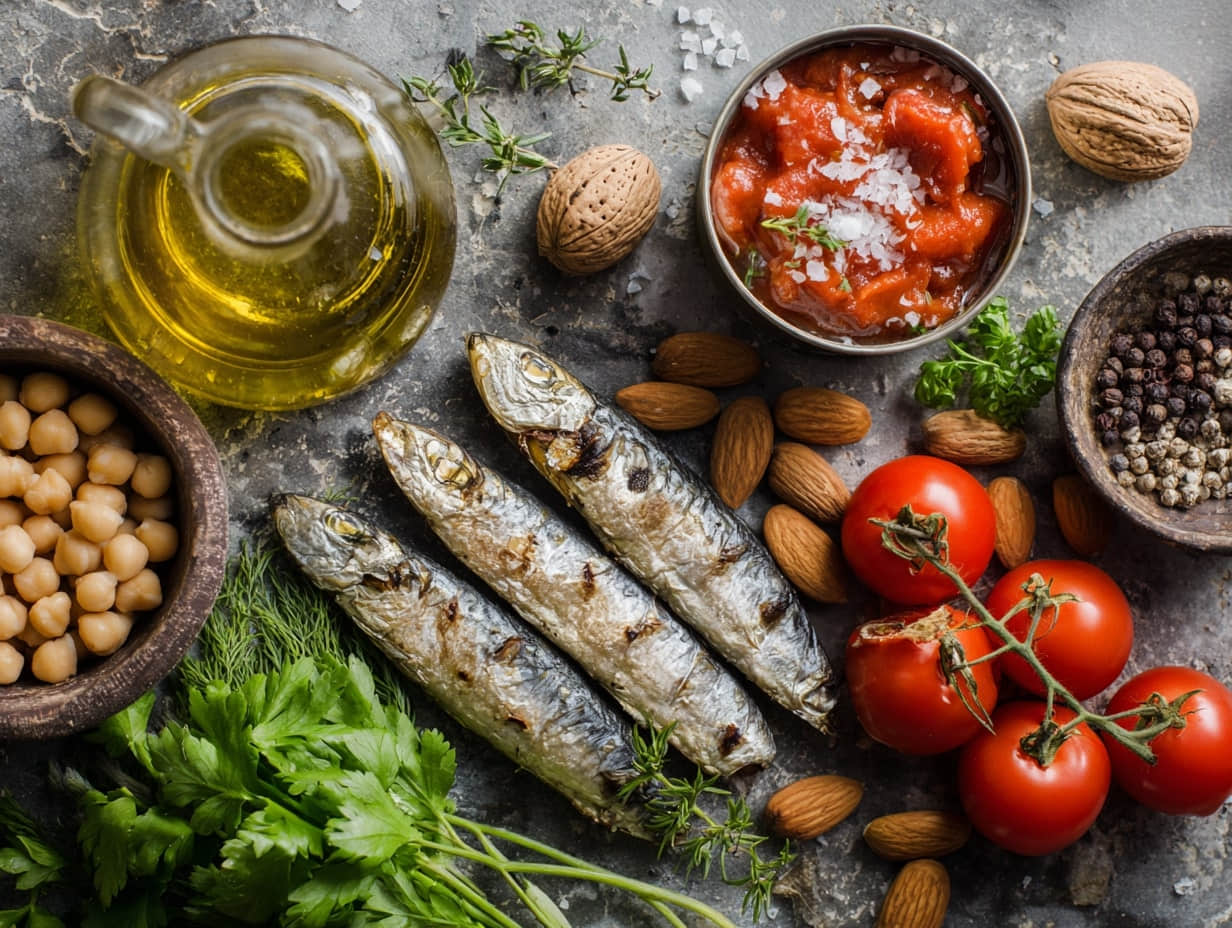
Decision framework
| What to check | Why it changes the answer | Practical next step |
|---|---|---|
| Plant foods, legumes, whole grains, seafood, olive oil | These are the pattern's useful anchors | Build the plate around these before adding extras |
| Bread, pasta, rice, cheese, nuts, oil, or wine | Mediterranean foods can still be calorie-dense | Keep the portion visible instead of assuming the label makes it healthy |
| Sodium, added sugar, and saturated fat | Packaged and restaurant versions vary widely | Check labels, sauces, and sides separately |
| Medical or allergy boundary | A cuisine pattern is not personalized care | Follow clinician-directed limits first |
Concrete examples
- If a meal has vegetables, beans, olive oil, and fish, it may fit the pattern even without a perfect label.
- If a restaurant dish is mostly bread, cheese, creamy sauce, or fried sides, check the portion before assuming it is light.
- If you repeat the same Mediterranean meal weekly, log it once and adjust from your own trend.
Limits and safety notes
Mediterranean-style eating is a general pattern, not a medical prescription. For diagnosed conditions, pregnancy, kidney disease, diabetes medication, severe allergies, eating-disorder recovery, or clinician-directed diets, get qualified guidance before changing your routine.
Where Eatibo fits
Eatibo can turn a broad Mediterranean idea into a specific food decision. Scan the meal, menu, barcode, nutrition label, or ingredient list, then compare calories, macros, sodium, added sugar, allergens, additives, and weekly Nutrition Log patterns.
Make the recipe easier to repeat
The most useful version of this dish is the version you can repeat without recalculating everything. Cook it once, then write down the portion you actually served, how much oil or sauce went in, and whether you added cheese, bread, rice, pasta, nuts, or another calorie-dense ingredient. If the meal felt too light, add protein or fiber before cutting flavor. If it felt heavy, adjust the biggest driver first, usually oil, starch, sauce, or portion size. A recipe can still be flexible: one day it may be a side dish, another day a full meal with fish, chicken, yogurt, beans, or eggs. Logging the first honest version gives you a baseline, so the next version becomes a small adjustment instead of another guess.
If you change the recipe later, change one variable at a time. Swap the starch, reduce the oil, add extra vegetables, or increase protein, but do not adjust everything in the same cook. That way you know whether the meal still tastes good and whether the nutrition tradeoff improved. The best recipe notes are boring but useful: portion, oil, salt, protein, and whether you wanted seconds.
Sources and references
- American Heart Association: What is the Mediterranean Diet?
- HHS/ODPHP: Current Dietary Guidelines for Americans
- USDA/FNS: Dietary Guidelines for Americans
Frequently asked questions
Is Mediterranean food always healthy?
No. The pattern can be very useful, but portions, sodium, refined grains, cheese, alcohol, sauces, and sweets still matter.
What should I look for first?
Look for vegetables, beans, whole grains, olive oil, fish or lean protein, and minimally processed foods. Then check sodium, added sugar, protein, fiber, and serving size.
Where does Eatibo help?
Eatibo helps when you need to scan a real meal, menu, barcode, label, or ingredient list and compare it against your weekly pattern.
Related reading
- Savoring the Mediterranean Diet: Your Guide to Healthier Grilling & Grocery Shopping
- Unlocking the Mediterranean Diet: Key Ingredients for a Longer, Healthier Life
- That Mouthwatering Aroma: Are You Making the Smartest Choices at Turco Mediterranean Grill?
Last updated: June 1, 2026