
Fried Egg Calories – Your Guide to a Healthier Fry

Quick answer: Do not stop at the headline calorie or macro number. Start with the serving you will actually eat, then check calories, protein, fiber, sodium, added sugar, saturated fat, ingredients, and allergens against your real goal.
Key takeaways
- Serving size usually changes the answer more than the label headline.
- Compare the tradeoff that matters most for your goal: calories, protein, fiber, sodium, added sugar, saturated fat, ingredients, or allergens.
- One item rarely decides the whole diet; repeated weekly patterns matter more.
- Use official labels and menus when available, then log the real portion you ate.
Definition: In this guide, a smarter food decision means checking the real portion, the practical tradeoffs, personal limits, and the repeat pattern before turning one answer into a rule.
That perfectly golden fried egg – a breakfast staple, a reliable dinner, a quick snack. It’s simple, satisfying, and seems straightforward. But how much do you really know about what’s on your plate when it comes to its nutritional breakdown? Many people find that even these seemingly simple foods can hide surprising calorie variations.
Your Morning Egg: A Simple Start or a Calorie Mystery?
Understanding the nutrition of common foods like fried eggs matters more than you might think. We often assume that a food's nutritional value is fixed, but even small choices, like the type of cooking oil you use, can significantly impact the overall calorie count and macro profile. That classic fried egg is surprisingly complex when you dig into the details.
How Many Calories Are Really in a Fried Egg? (It's More Than Just the Egg!)
So, what's the average calorie count for a fried egg, and what factors influence it? A large raw egg typically contains around 70-80 calories. However, once you introduce the cooking process, especially frying, those numbers can change quite a bit. The biggest variable isn't the egg itself, but how it's cooked and, more specifically, what you cook it in.
For instance, frying an egg in a tablespoon of butter can add approximately 100 calories, while a tablespoon of olive oil adds around 120 calories. Even a generous spray of non-stick cooking spray can add 5-10 calories, depending on the brand and amount used. This means a single fried egg can range anywhere from 75 calories (dry-fried) to over 200 calories (fried in a good amount of butter or oil). Beyond calories, an egg itself offers about 6 grams of protein and 5 grams of fat, with minimal carbs. Frying primarily adds more fat and, consequently, more calories.
Generic online searches for "fried egg calories" often give you a broad number, which might not reflect your specific egg. What if you eyeball the oil, or use a blend? This is where your AI-powered nutrition coach comes in. Just point your camera at your plate, and Eatibo instantly tells you the actual calories and macros for your unique fried egg, considering how it was prepared. It takes the guesswork out of your daily intake.
Oil Choice Matters: What's the Best Way to Fry Your Egg for Your Goals?
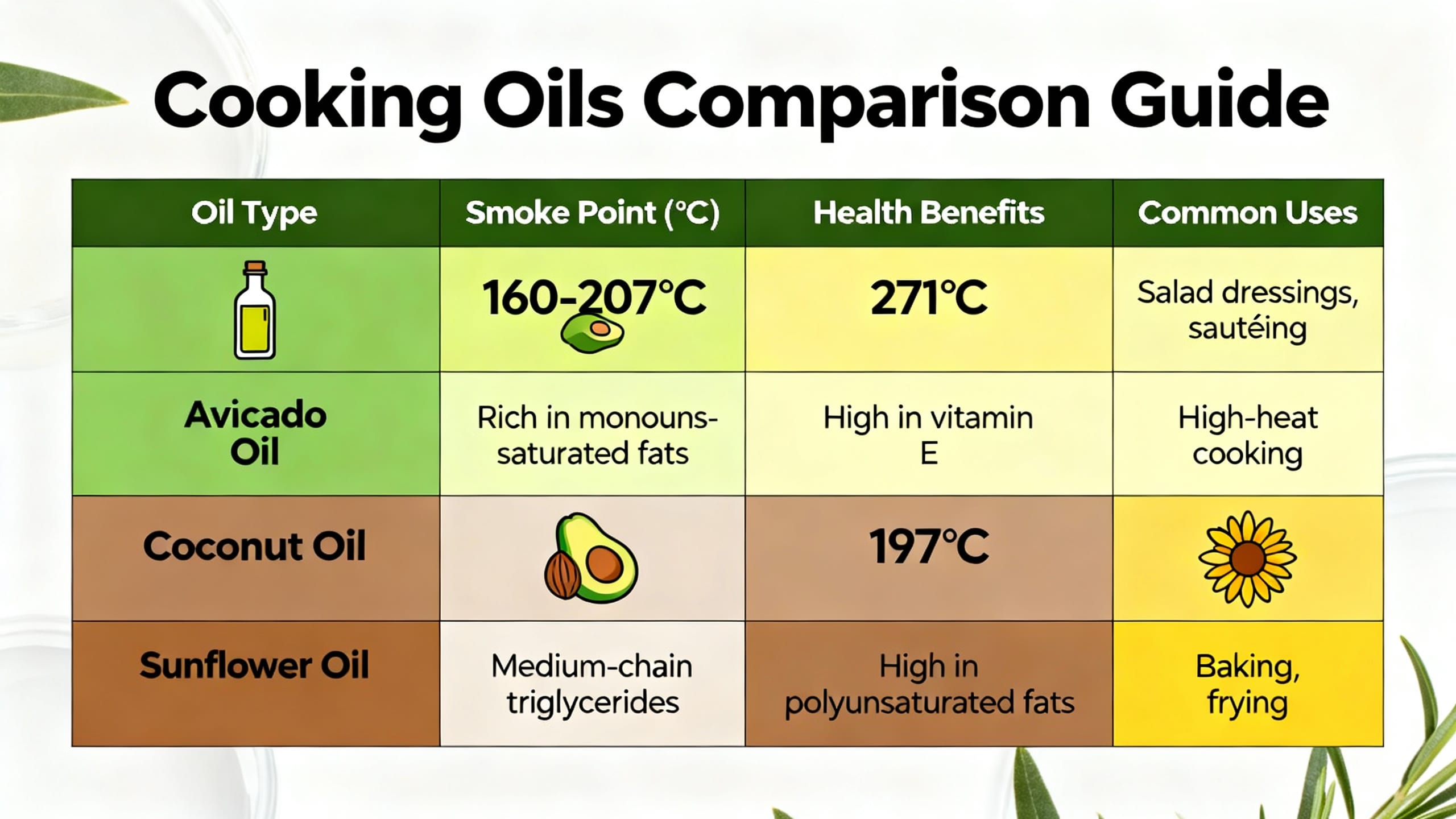
The type of cooking oil you choose plays a huge role in both the calorie count and the nutritional quality of your fried egg.
Here's a quick comparison of common cooking mediums and their impact:
- Butter: Adds a rich flavor but is high in saturated fat and calories (about 100 calories per tablespoon).
- Olive Oil: A popular choice, offering monounsaturated fats which are good for heart health. Around 120 calories per tablespoon.
- Avocado Oil: Similar to olive oil, with a high smoke point and healthy monounsaturated fats. Also around 120 calories per tablespoon.
- Coconut Oil: Contains saturated fats, but some studies suggest it has unique benefits due to medium-chain triglycerides (MCTs). About 120 calories per tablespoon.
- Non-Stick Cooking Spray: A lower-calorie option (typically 0-10 calories per spray, depending on the duration) that helps prevent sticking without adding significant fat.
- Dry Frying/Water Frying: Using a non-stick pan with no oil, or just a splash of water, is the lowest-calorie method, adding virtually no extra fat.
For health-conscious frying, opting for a minimal amount of healthy fats like olive or avocado oil is a good strategy. Even better, consider dry frying in a good non-stick pan or even water-frying for a truly low-fat option.
Beyond Calories: What Else Is Your Fried Egg Giving You?
Nutrition isn't just about calories; it's about the overall quality and benefits your food provides. Eggs are nutritional powerhouses, offering:
- High-Quality Protein: About 6 grams per large egg, containing all essential amino acids.
- Essential Vitamins: Rich in B12, D, and A.
- Minerals: A good source of selenium, phosphorus, and iron.
- Choline: Crucial for brain health and metabolism.
Modern science has largely debunked the myth that dietary cholesterol from eggs significantly raises blood cholesterol for most healthy individuals. So, you can enjoy your eggs without too much worry on that front. However, if you're using highly processed butter substitutes or certain cooking sprays with questionable additives, you might be introducing less desirable elements into your meal.
But nutrition isn't just about calories. It's about overall quality. Imagine scanning your fried egg and not only getting the calories but also an Eatibo rating – Eat, Limit, or Skip – based on your specific health goals. Whether you're aiming for muscle gain, weight loss, or even adhering to a seed-oil-free diet, Eatibo helps you make the smartest choice, even for something as simple as breakfast. It provides personalized guidance that a generic calorie counter simply can't.
Smart Swaps and Simple Strategies for a Healthier Fried Egg
Making your fried egg a more health-aligned choice is easier than you think with a few simple adjustments:
- Choose Healthy Fats Wisely: If you use oil, opt for a small amount of olive or avocado oil.
- Consider Dry Frying or Water Frying: For the absolute lowest calorie and fat option, use a good non-stick pan without oil or with a tiny bit of water.
- Portion Control: Stick to 1-2 eggs per serving, depending on your dietary needs and goals.
- Pair with Nutrient-Dense Sides: Don't let your fried egg fly solo! Pair it with whole-grain toast, a generous serving of veggies (spinach, tomatoes, mushrooms), or a side of fruit to create a balanced meal.
- Listen to Your Body and Track: Pay attention to how different preparations make you feel. Tracking your intake, ideally with a tool like Eatibo, helps you stay accountable and understand the impact of your choices.
Fry Smarter, Not Harder: Your Path to Informed Eating
Every meal, no matter how simple, contributes to your overall health journey. Understanding your food, not just relying on generic values, is key to making consistent, informed choices. Whether it's a fried egg or a complex dinner, a mindful approach to eating empowers you to align your diet with your health goals. With tools like Eatibo, you have the power to turn every meal into an opportunity for smarter nutrition.
Decision framework
| What to check | Why it changes the answer | Practical next step |
|---|---|---|
| Serving size or portion | Calories, sodium, sugar, carbs, and fat scale with the amount actually eaten | Log the realistic portion, not the ideal one |
| Protein, fiber, sodium, added sugar, and saturated fat | These decide whether the choice supports fullness and long-term habits | Compare the tradeoff that matters most for your goal |
| Ingredients, sauces, breading, or add-ons | Small extras can change the result quickly | Compare the base item and extras separately |
| Personal restriction applies | General nutrition advice cannot know every boundary | Follow allergy, medication, religious, or clinician-directed rules first |
Concrete examples
- If the food looks healthy but the serving is tiny, check what a realistic portion does to calories, sodium, or sugar.
- If two options have similar calories, choose the one with more protein, fiber, or ingredients you tolerate.
- If the food is occasional and you enjoy it, log it honestly instead of building a strict rule you will not keep.
Limits and safety notes
This guide is for everyday food awareness. It is not a diagnosis tool, allergy authority, medication checker, eating-disorder recovery plan, or substitute for a clinician or registered dietitian. For diagnosed conditions, pregnancy, kidney disease, diabetes medication, severe allergies, or clinician-directed diets, get professional guidance before changing your routine.
Where Eatibo fits
Eatibo is useful when a question turns into something you need to compare or log. You can scan a meal photo, barcode, nutrition label, or ingredient list, review calories and macros, check sodium, added sugar, allergens, additives, and ingredients, then save the result to your Nutrition Log. The point is not one perfect judgment; it is making the next similar choice easier because your own pattern is visible.
Sources and references
- FDA: Calories on the Nutrition Facts Label
- FDA: How to understand and use the Nutrition Facts label
- HHS/ODPHP: Current Dietary Guidelines for Americans
Frequently asked questions
Is this something I need to avoid completely?
Usually no. The better question is portion, frequency, and fit. A food can be fine occasionally but less useful as an everyday default if it repeatedly pushes sodium, added sugar, saturated fat, calories, or allergens past your limits.
What should I check first?
Start with the serving size you will actually eat. Then check the tradeoff most relevant to your goal: calories, protein, fiber, sodium, added sugar, saturated fat, ingredients, or allergens. The order matters because a tiny serving can hide a bigger real-world intake.
How can Eatibo help me decide faster?
Eatibo helps you scan or log the choice, compare the practical nutrition details, and review the pattern later. It is most useful for repeat decisions because the app can show whether similar foods are helping your weekly routine or quietly pushing it off track.
Related reading
- Decoding Corn Tortilla Calories: Your Smart Guide to Smarter Taco Nights
- Cracking the Code: How Many Calories Are Really in Your Scrambled Eggs?
- Acai Bowl Calories: Your Guide to a Smarter Treat
Last updated: June 1, 2026