Fueling Your Day: Smart Choices for High-Calorie Snacks
Quick answer: Do not stop at the headline calorie or macro number. Start with the serving you will actually eat, then check calories, protein, fiber, sodium, added sugar, saturated fat, ingredients, and allergens against your real goal.
Key takeaways
- Serving size usually changes the answer more than the label headline.
- Compare the tradeoff that matters most for your goal: calories, protein, fiber, sodium, added sugar, saturated fat, ingredients, or allergens.
- One item rarely decides the whole diet; repeated weekly patterns matter more.
- Use official labels and menus when available, then log the real portion you ate.
Definition: In this guide, a smarter food decision means checking the real portion, the practical tradeoffs, personal limits, and the repeat pattern before turning one answer into a rule.
Ever feel like you've eaten a full meal, but your stomach's still rumbling an hour later? Or maybe you hit the gym hard, and despite a good dinner, you feel completely drained? It's a common experience for many, often leading to reaching for whatever's quick and easy, which isn't always the most nourishing choice.
Many people hear "high-calorie" and automatically think "junk food." But what if I told you some of the best foods for your body are calorie-dense powerhouses, packed with nutrients that can genuinely fuel your day? The trick isn't to avoid calories, but to choose them wisely.
Why Do We Need High-Calorie Snacks?
High-calorie snacks serve a variety of important purposes beyond just "filling up." For active individuals, athletes, or those with demanding jobs, these snacks can provide the sustained energy needed to perform at their best and recover effectively. They're crucial for muscle gain, as building muscle requires a caloric surplus. Similarly, for individuals looking to achieve healthy weight gain, nutrient-dense, high-calorie options are far superior to empty calories.
Even if you're not an athlete, busy parents, students, or anyone with a fast-paced lifestyle can benefit from smart, calorie-dense fuel. These snacks can help bridge the gap between meals, preventing energy crashes and overeating later. For example, a moderately active adult might need between 2,000 to 2,800 calories daily, with highly active individuals needing even more. High-calorie snacks play a vital role in meeting these needs without feeling overly full.
Before you grab that snack, how do you know if it genuinely aligns with your muscle gain, weight loss, or seed-oil-free goals? That's where a tool like Eatibo becomes invaluable, instantly scanning nutrition labels or even your meal to give you real-time data on calories, macros, and more. It helps you make informed decisions tailored to your specific dietary needs.
What Makes a Snack "High-Calorie" and "Good For You"?
The difference between a "good" high-calorie snack and an unhealthy one lies in its nutrient density. While a candy bar might be high in calories, it often provides mostly sugar and unhealthy fats with little nutritional value. A healthy high-calorie snack, on the other hand, is rich in healthy fats, complex carbohydrates, protein, vitamins, and minerals.
Look for snacks that offer a good balance of macronutrients. Healthy fats (like those found in avocados or nuts) provide sustained energy and are crucial for hormone production. Complex carbohydrates (from whole grains or dried fruits) offer slow-release energy, while protein (in yogurt or eggs) aids satiety and muscle repair. Opting for whole, unprocessed foods is key to getting the most nutritional bang for your caloric buck. Research shows that ultra-processed high-calorie snacks are linked to negative health outcomes, whereas whole-food alternatives offer superior nutritional value and positive health impacts.
My Top Picks: Real-World High-Calorie Snacks That Actually Deliver
Choosing the right high-calorie snacks doesn't have to be complicated. Here are some practical, easy-to-find, and healthy options that truly deliver on nutrition:
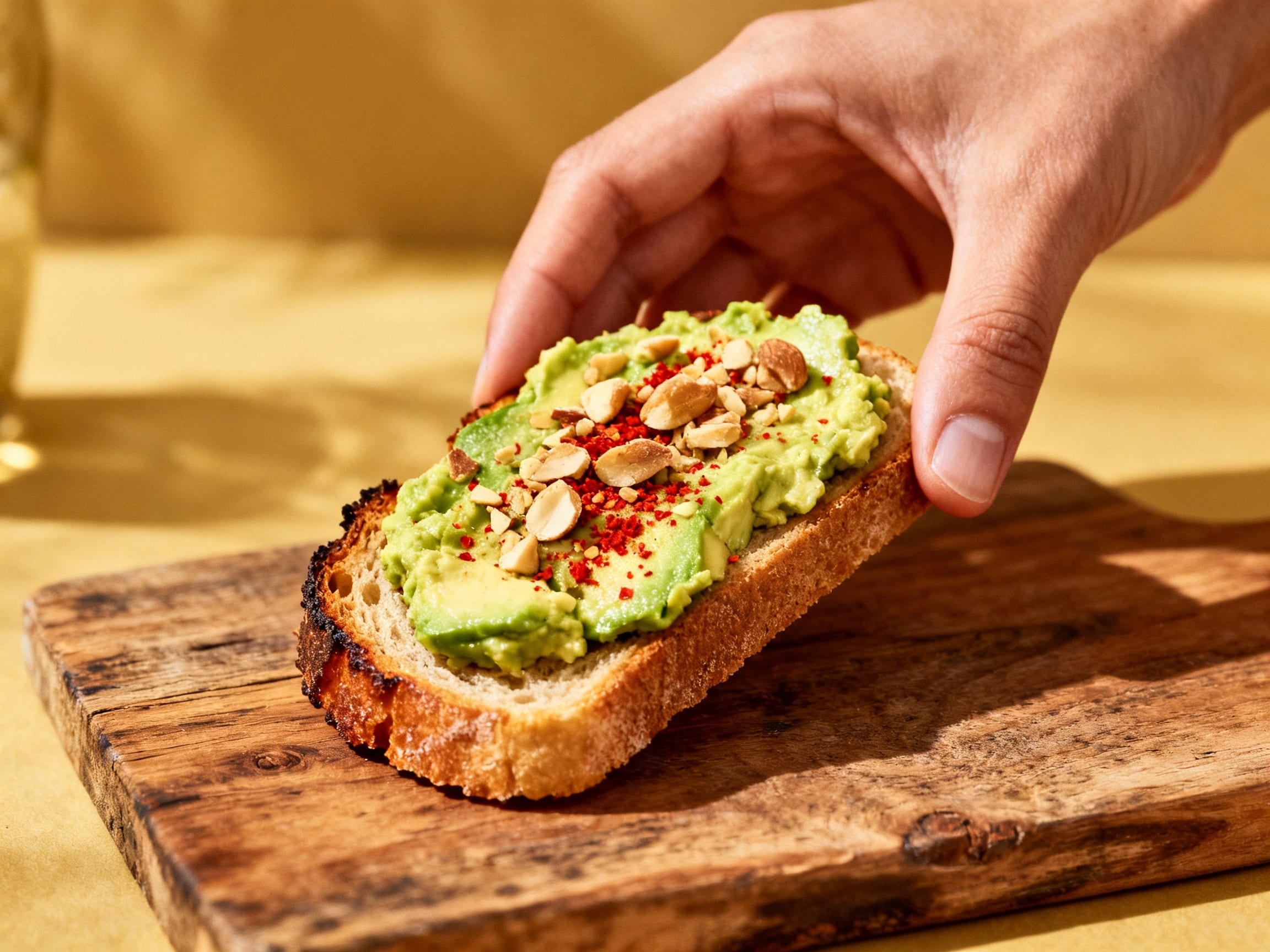
- Avocado on Whole-Grain Toast/Crackers: A fantastic source of healthy monounsaturated fats, fiber, and vitamins. Add a sprinkle of everything bagel seasoning for extra flavor.
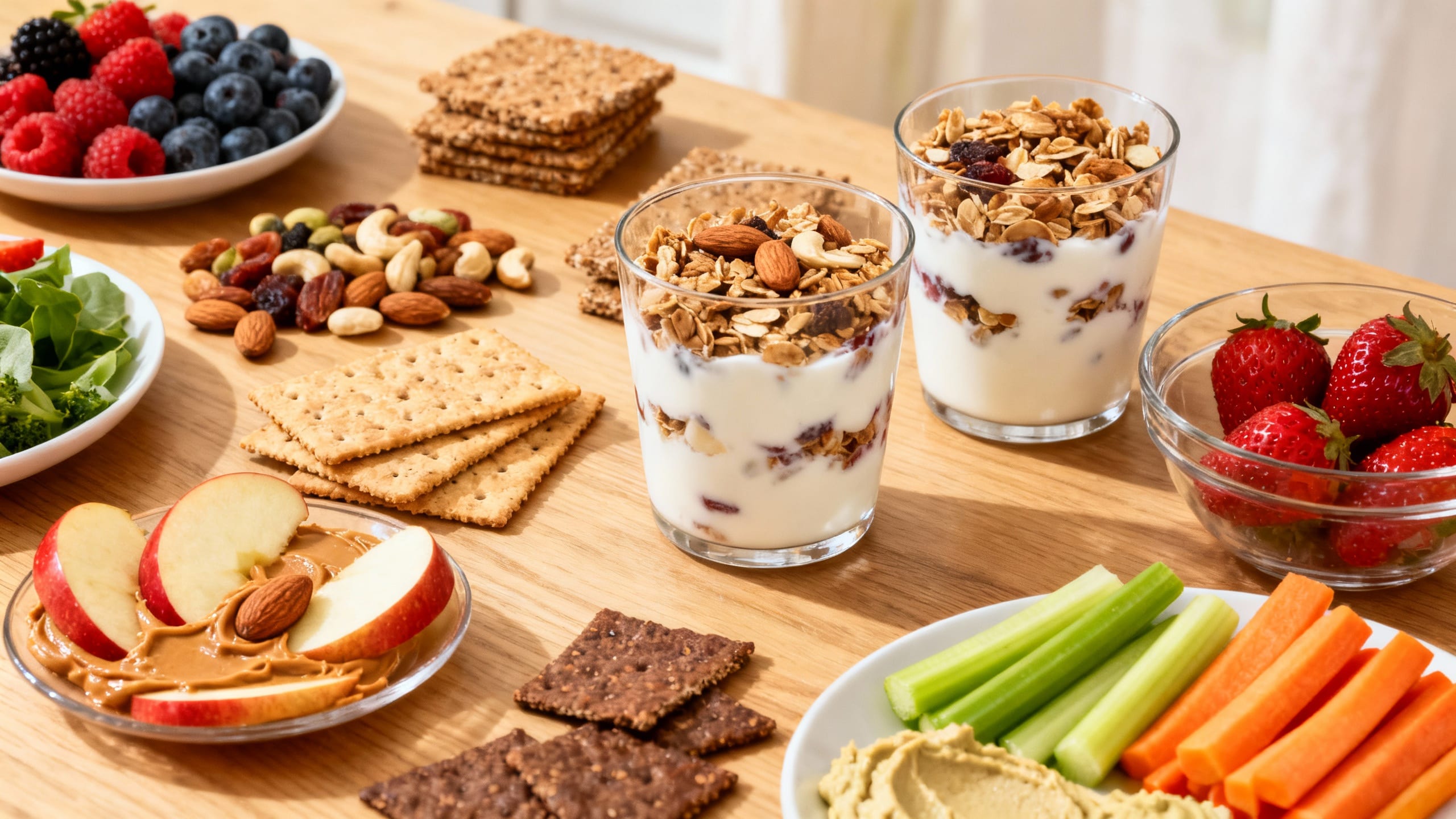
- Nuts and Seeds: Almonds, walnuts, cashews, chia seeds, and flax seeds are calorie-dense and packed with healthy fats, protein, and fiber. A small handful goes a long way.
- Nut Butters with Fruit or Veggies: Peanut, almond, or cashew butter spread on apple slices, celery sticks, or a banana is a classic for a reason. Look for natural versions with minimal added sugar.
- Full-Fat Greek Yogurt with Granola/Fruit: The full-fat version offers more calories and satiety. Add some granola and berries for a delicious, protein-rich snack.
- Dried Fruits: Dates, apricots, and raisins are naturally sweet and high in concentrated energy. They're great for a quick boost, but watch portion sizes due to their sugar content.
- Hard-Boiled Eggs: A portable powerhouse of protein and healthy fats, perfect for sustained energy.
- Homemade Energy Balls: Blend oats, nut butter, honey/maple syrup, and chia seeds for customizable, nutrient-dense bites.
Even with seemingly healthy options like protein bars or trail mix, ingredients can vary widely. Is that protein bar truly 'Eat' worthy for your low-sugar goal? A quick scan with Eatibo can flag hidden sugars, unwanted additives, or even steer you away from seed oils, rating it 'Limit' or 'Skip' so you make the best choice for your body.
How to Smartly Incorporate High-Calorie Snacks into Your Day
Strategic timing and portion control are crucial when incorporating high-calorie snacks. If you're looking for sustained energy, a snack rich in healthy fats and complex carbs a few hours before a workout can be beneficial. Post-workout, a combination of protein and carbs aids muscle recovery. Between meals, these snacks can prevent excessive hunger, helping you make better choices at your next main meal.
Portion control is key, especially with calorie-dense foods. For example, a serving of nuts is typically a small handful, not the entire bag. Pairing high-calorie items with a source of fiber or water (like fruit, vegetables, or a glass of water) can enhance satiety and aid digestion. Listen to your body's hunger cues and adjust your snack strategy based on your activity level and daily goals.
Beyond the Scan: Tracking Your Progress and Adapting Your Snack Strategy
Making smart snack choices is an ongoing journey. Pay attention to how different snacks make you feel – do they provide lasting energy, or do you crash soon after? Observe your energy levels, mood, and overall well-being. Tools like Eatibo's clean food log can help you track what you're eating and review weekly trends, providing valuable insights into how your snack choices impact your daily goals. This data empowers you to adapt your strategy and refine your approach to healthy eating.
Eating smarter starts with making informed choices, one scan at a time. Embrace the power of nutrient-dense, high-calorie snacks to fuel your body effectively and support your health journey.
Decision framework
| What to check | Why it changes the answer | Practical next step |
|---|---|---|
| Serving size or portion | Calories, sodium, sugar, carbs, and fat scale with the amount actually eaten | Log the realistic portion, not the ideal one |
| Protein, fiber, sodium, added sugar, and saturated fat | These decide whether the choice supports fullness and long-term habits | Compare the tradeoff that matters most for your goal |
| Ingredients, sauces, breading, or add-ons | Small extras can change the result quickly | Compare the base item and extras separately |
| Personal restriction applies | General nutrition advice cannot know every boundary | Follow allergy, medication, religious, or clinician-directed rules first |
Concrete examples
- If the food looks healthy but the serving is tiny, check what a realistic portion does to calories, sodium, or sugar.
- If two options have similar calories, choose the one with more protein, fiber, or ingredients you tolerate.
- If the food is occasional and you enjoy it, log it honestly instead of building a strict rule you will not keep.
Limits and safety notes
This guide is for everyday food awareness. It is not a diagnosis tool, allergy authority, medication checker, eating-disorder recovery plan, or substitute for a clinician or registered dietitian. For diagnosed conditions, pregnancy, kidney disease, diabetes medication, severe allergies, or clinician-directed diets, get professional guidance before changing your routine.
Where Eatibo fits
Eatibo is useful when a question turns into something you need to compare or log. You can scan a meal photo, barcode, nutrition label, or ingredient list, review calories and macros, check sodium, added sugar, allergens, additives, and ingredients, then save the result to your Nutrition Log. The point is not one perfect judgment; it is making the next similar choice easier because your own pattern is visible.
Sources and references
- FDA: Calories on the Nutrition Facts Label
- FDA: How to understand and use the Nutrition Facts label
- HHS/ODPHP: Current Dietary Guidelines for Americans
Frequently asked questions
Is this something I need to avoid completely?
Usually no. The better question is portion, frequency, and fit. A food can be fine occasionally but less useful as an everyday default if it repeatedly pushes sodium, added sugar, saturated fat, calories, or allergens past your limits.
What should I check first?
Start with the serving size you will actually eat. Then check the tradeoff most relevant to your goal: calories, protein, fiber, sodium, added sugar, saturated fat, ingredients, or allergens. The order matters because a tiny serving can hide a bigger real-world intake.
How can Eatibo help me decide faster?
Eatibo helps you scan or log the choice, compare the practical nutrition details, and review the pattern later. It is most useful for repeat decisions because the app can show whether similar foods are helping your weekly routine or quietly pushing it off track.
Related reading
- Fried Egg Calories – Your Guide to a Healthier Fry
- Cracking the Code: How Many Calories Are Really in Your Scrambled Eggs?
- Decoding the Costco Chicken Bake – Your Guide to Smart Indulgence
Last updated: June 1, 2026