
How Many Calories in a Fried Egg? Your Ultimate Guide
Cracking the Code: Your Morning Egg, More Than Just a Fry-Up
Everyone loves a fried egg, right? Whether it’s perched atop avocado toast, nestled in a breakfast sandwich, or simply enjoyed solo, it’s a universal breakfast (or anytime) staple. But have you ever stopped to think about what exactly you're getting, beyond just the delicious taste? It seems simple, but there's a surprising amount of nutritional nuance hidden in that golden yolk and crisp white.
We're diving deep into the humble fried egg to uncover its calorie count, its nutritional superpowers, and how your cooking choices truly impact your plate. Let's peel back the layers!
So, How Many Calories Are Actually in That Fried Egg?
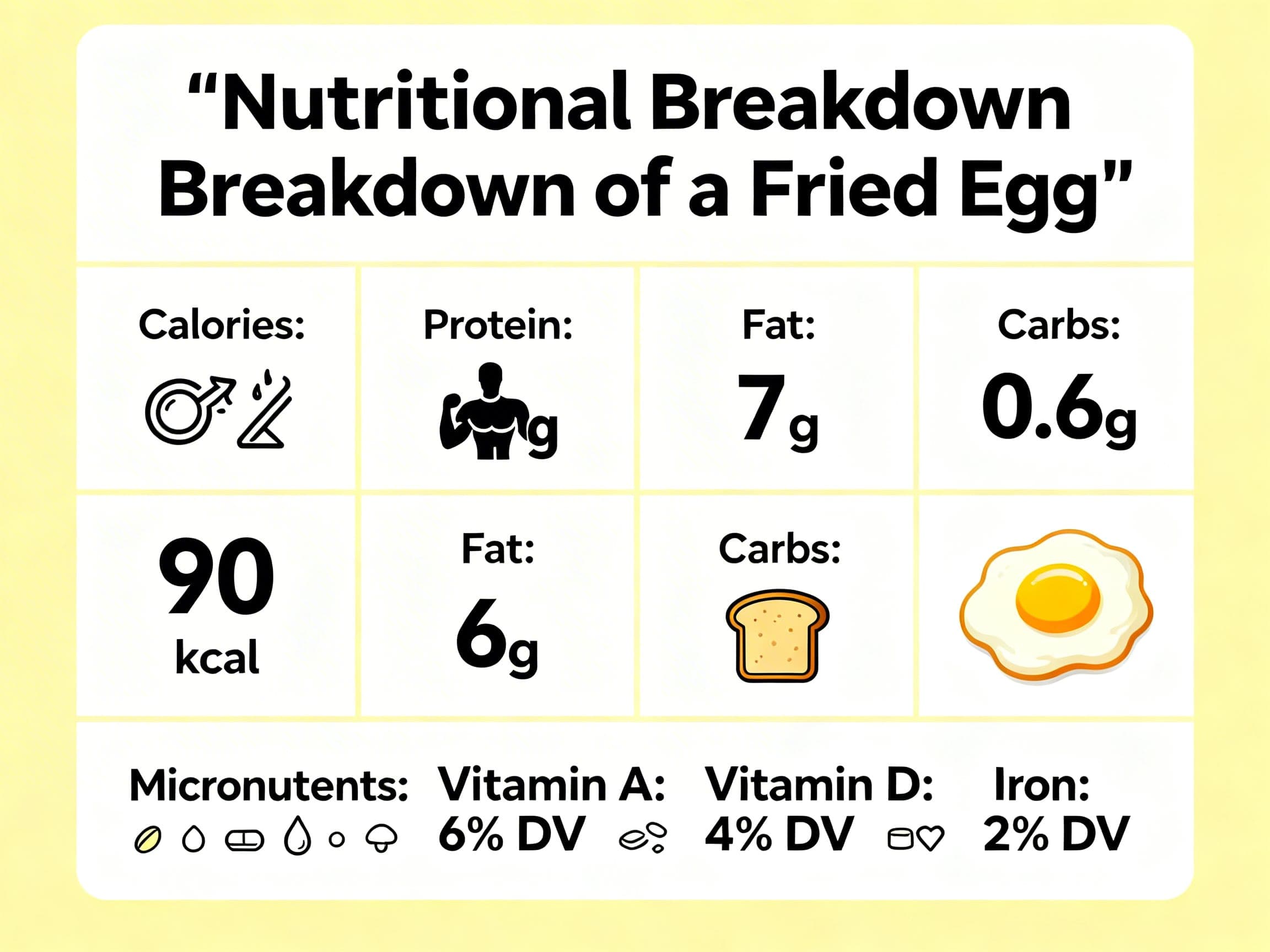
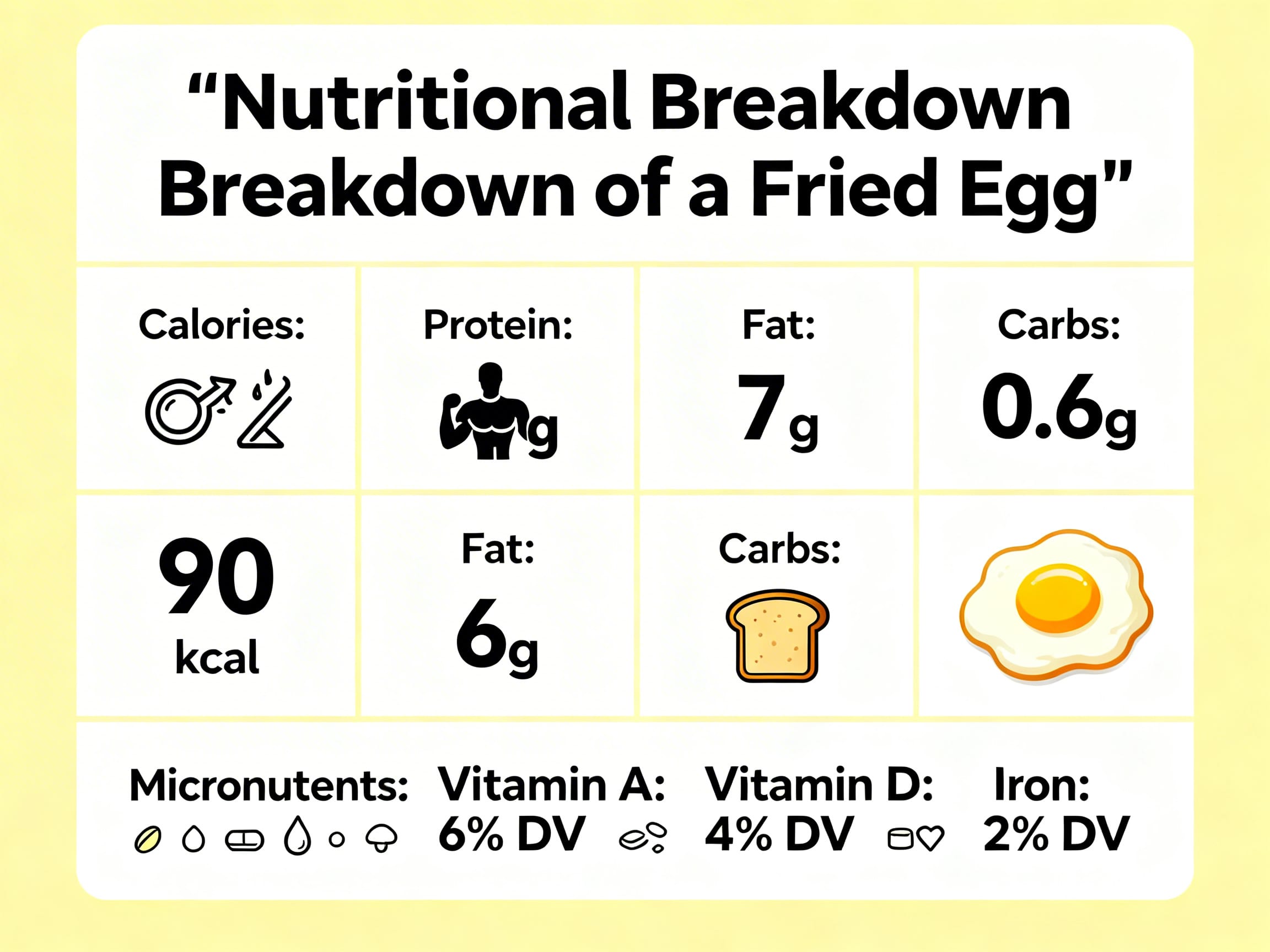
The core question has a surprisingly nuanced answer: it depends! A fried egg isn't just one universal number because how you cook it makes a big difference. Generally, a large fried egg contains approximately 90 calories when cooked without additional fat, and around 110-120 calories when fried with a teaspoon of butter or oil.
According to USDA FoodData Central, a large raw egg has about 72 calories. Once you introduce heat and, crucially, fat, those numbers shift. A dry-fried large egg (no added oil/butter) hovers around 90 calories. If you use a teaspoon of butter or a common cooking oil like olive oil, that number jumps to roughly 110-120 calories.
What Else Are You Getting from Your Fried Egg (Besides Deliciousness)?
Beyond just calories, fried eggs are nutritional powerhouses. They're packed with essential macro and micronutrients that fuel your body and support overall health.
Here’s a snapshot of what a large fried egg typically offers:
- Protein: Around 6 grams of high-quality protein, which is fantastic for muscle repair and satiety.
- Fats: Approximately 5 grams of fat, with a mix of saturated, monounsaturated, and polyunsaturated fats.
- Vitamins: Rich in Vitamin D, B12, and riboflavin.
- Minerals: A good source of selenium and choline, a vital nutrient for brain health.
Trying to hit specific protein targets for muscle gain or carefully manage fat intake for weight loss? Understanding the precise macros in your fried egg, accounting for how you cook it, is crucial. This is where tools like Eatibo become invaluable – imagine simply scanning your perfectly cooked egg and instantly seeing its exact calorie and macro breakdown, including the fat from the oil you used, helping you stay perfectly on track without any guesswork.
Does How You Fry It Really Change That Much?
Absolutely! Butter, olive oil, or just a splash of cooking spray – they all taste different, but do they really make a big nutritional difference? Yes, they do.
- Dry-fried: If you're using a non-stick pan with no added fat, you're looking at the lowest calorie and fat count for a fried egg (around 90 calories).
- With Butter: A teaspoon of butter adds about 34 calories and 3.8 grams of fat, increasing your egg's total to roughly 110-120 calories.
- With Olive Oil: A teaspoon of olive oil adds about 40 calories and 4.5 grams of fat, bringing your egg to a similar range of 115-125 calories.
While the calorie difference per egg might seem small, these additions can really add up over several eggs or daily consumption, especially if you're carefully tracking your intake.
Beyond Calories: Are Fried Eggs Good for You?
For a long time, eggs got a bad rap due to their cholesterol content. However, current dietary guidelines generally indicate that dietary cholesterol from eggs has less impact on blood cholesterol for most people than saturated and trans fats. This means, for most healthy individuals, a few eggs a week won't significantly raise your cholesterol levels.
Fried eggs, when prepared wisely, are incredibly beneficial. They offer excellent satiety, meaning they keep you feeling full longer, which can help with weight management. The rich nutrient profile, including choline for brain health and Vitamin D for bone health, makes them a nutrient-dense choice. Just be mindful of how you fry them and what you pair them with to keep your meal balanced and healthy.
How Can You Easily Track Your Egg (and Everything Else)?
Keeping tabs on your daily intake can feel like a chore, especially when you're trying to understand the nuances of a meal – not just the main ingredients, but the sauces, the oils, and even potential allergens. What if you could get all that information instantly? That's precisely what Eatibo does. Just point your phone camera at your breakfast plate – fried egg included – and it instantly gives you the calories, macros, and even flags additives or allergens, rating your meal as Eat, Limit, or Skip. It’s like having a smart nutrition coach in your pocket, making it simple to align your fried egg with your specific goals, from low-sugar to seed-oil-free.

Your Fried Egg, Your Health Goals: Making Informed Choices
The humble fried egg is a fantastic, versatile food that can certainly be a healthy part of your diet. The key takeaway is awareness: knowing how cooking methods and added fats can shift its nutritional profile empowers you to make choices that align with your personal health goals. Whether you're counting every calorie or just aiming for smarter eating, understanding your food choices, starting with something as simple as a fried egg, empowers you to take control of your nutrition journey.
Leave A Reply
Login to post your comment or signup if you dont have any account