
Is Gluten-Free Low Carb? Debunking the Myth for Smarter Choices
Quick answer: Do not stop at the headline calorie or macro number. Start with the serving you will actually eat, then check calories, protein, fiber, sodium, added sugar, saturated fat, ingredients, and allergens against your real goal.
Key takeaways
- Serving size usually changes the answer more than the label headline.
- Compare the tradeoff that matters most for your goal: calories, protein, fiber, sodium, added sugar, saturated fat, ingredients, or allergens.
- One item rarely decides the whole diet; repeated weekly patterns matter more.
- Use official labels and menus when available, then log the real portion you ate.
Definition: In this guide, a smarter food decision means checking the real portion, the practical tradeoffs, personal limits, and the repeat pattern before turning one answer into a rule.
You've gone gluten-free, perhaps feeling better overall, but then you notice the scale isn't moving as much as you'd hoped, or your blood sugar levels aren't quite where you want them. What gives? It's a common misconception that "gluten-free" automatically equates to "low-carb," and navigating the grocery aisles with this idea can lead to some surprising discoveries.
Are you actually eating low-carb just by going gluten-free?
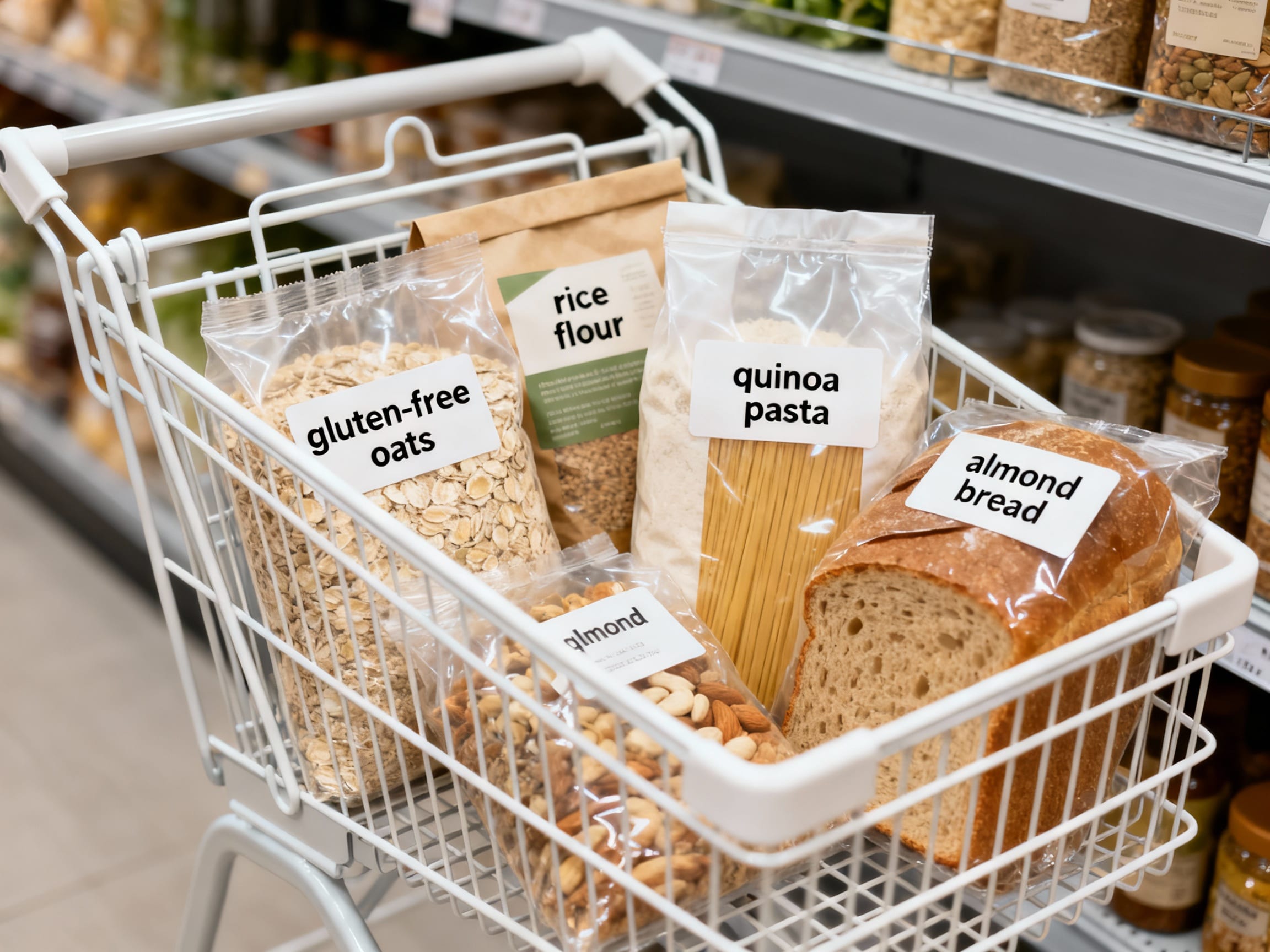
The short answer is: probably not as much as you think. While eliminating gluten is crucial for those with celiac disease or gluten sensitivity, it doesn't inherently reduce your carbohydrate intake. In fact, many popular gluten-free breads, pastas, and baked goods often contain similar, or sometimes even higher, carbohydrate counts than their traditional gluten-containing counterparts. This is often due to the types of flours and starches used.
This distinction is important because the primary goal of each diet is fundamentally different. It's easy to get caught in the "health halo" effect, where a product labeled "gluten-free" feels inherently healthier, regardless of its nutritional breakdown.
How are "gluten-free" and "low-carb" different dietary approaches?
These two diets address entirely separate dietary concerns. A gluten-free diet focuses on eliminating gluten, a protein found in wheat, barley, and rye. This is medically necessary for individuals with celiac disease, an autoimmune disorder, or for those with non-celiac gluten sensitivity, who experience adverse reactions to gluten. The goal is to prevent intestinal damage and alleviate symptoms.
A low-carb diet, on the other hand, restricts carbohydrate intake. People follow this diet for various reasons, including weight management, blood sugar control (especially for diabetes or pre-diabetes), or to support certain metabolic health goals. Its focus is on a macronutrient (carbohydrates) rather than a specific protein like gluten. You can see how one isn't a substitute for the other.
Why aren't all gluten-free foods naturally low-carb?
The main reason lies in the substitute ingredients used to achieve that "gluten-free" label. When wheat flour is removed from products, manufacturers replace it with other flours and starches to maintain texture and structure. Common gluten-free alternatives include rice flour, potato starch, tapioca starch, and corn starch. These ingredients are often very high in carbohydrates and can have a significant impact on blood sugar levels.
Consider a slice of gluten-free bread. While it lacks gluten, it might be packed with rice flour and potato starch, making its carbohydrate content similar to, or even higher than, a traditional wheat bread. Navigating these ingredient lists can feel like deciphering a secret code. How can you quickly tell if that "gluten-free" muffin is secretly a carb bomb? This is where a tool like Eatibo becomes invaluable. Just point your camera at the nutrition label, and Eatibo instantly breaks down the carbs, helping you see through the marketing claims and understand the true nutritional impact.
What are some genuinely low-carb and gluten-free food options?
To successfully combine both dietary goals, your best bet is to focus on whole, unprocessed foods that are naturally both gluten-free and low-carb. These items don't rely on substitute ingredients and offer robust nutritional profiles.
Excellent choices include:
- Lean Proteins: Meat, poultry, fish, eggs. These are naturally gluten-free and carbohydrate-free.
- Non-Starchy Vegetables: Leafy greens (spinach, kale), broccoli, cauliflower, zucchini, bell peppers, asparagus. Most vegetables, especially those grown above ground, are low in carbs and packed with nutrients.
- Healthy Fats: Avocados, olives, olive oil, coconut oil, nuts (almonds, walnuts, pecans), and seeds (chia, flax, pumpkin). These provide satiety and essential nutrients without adding carbs.
- Certain Dairy Products: Full-fat plain Greek yogurt, cheese, and unsweetened almond milk (check labels for added sugars).
How can you make smart choices when combining these dietary goals?
Making informed decisions requires a strategic approach to grocery shopping and meal planning. Start by prioritizing whole, unprocessed foods whenever possible. When you do reach for packaged gluten-free items, diligent label reading is absolutely essential. Don't just look for the "gluten-free" stamp; flip the package over and scrutinize the nutrition facts panel, specifically the carbohydrate count and the ingredient list. Look out for ingredients like corn syrup, sugar, and various starches.
Beyond just identifying the numbers, how do you act on that information to build meals that truly support your twin goals? Eatibo doesn't just show you calories and macros; its smart nutrition coach rates each item as Eat/Limit/Skip and tailors guidance specifically to your combined goals – whether that's "low-carb" AND "gluten-free." This kind of personalized insight can transform how you approach your diet, making it much easier to stay on track.
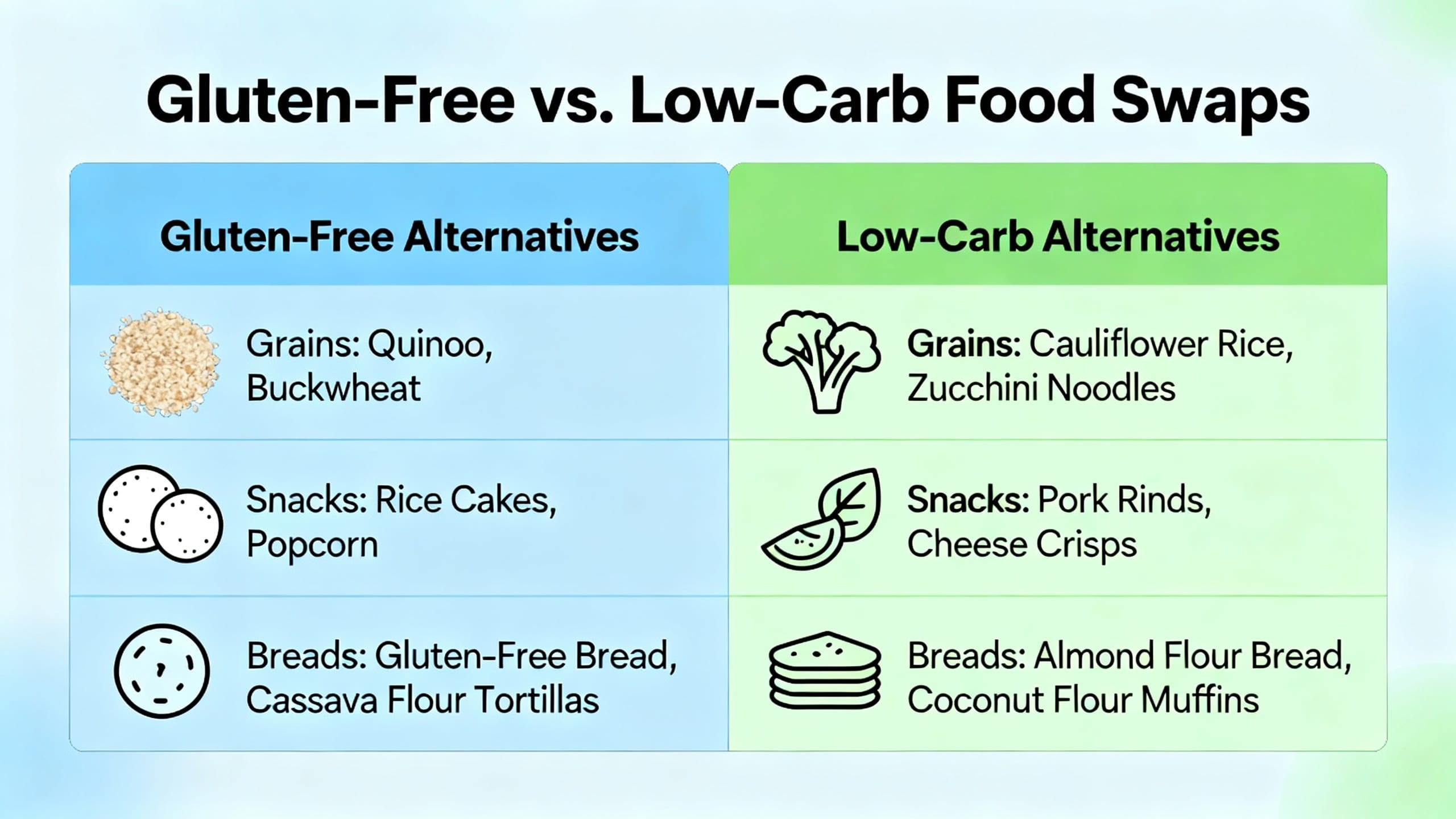
Consider smart swaps in your cooking. For example, use cauliflower rice instead of white or brown rice, spiralized zucchini or sweet potato noodles instead of traditional pasta, and almond or coconut flour in place of wheat flour in baking. These simple changes can drastically reduce your carb intake while keeping your meals delicious and gluten-free.
What's the takeaway for balancing gluten-free with low-carb?
The main takeaway is clear: "gluten-free" does not automatically mean "low-carb." These are two distinct dietary approaches with different objectives. For individuals managing both gluten intolerance and a desire to reduce carbohydrate intake, conscious eating and label literacy are paramount. Focus on whole, unprocessed foods as your foundation. When venturing into packaged goods, be a diligent label reader, understanding that many gluten-free alternatives can be surprisingly high in carbohydrates. Utilizing tools that simplify complex nutritional information can be incredibly helpful in making truly informed choices that align with all your health goals. Awareness is truly key to balancing these dietary needs successfully.
Decision framework
| What to check | Why it changes the answer | Practical next step |
|---|---|---|
| Serving size or portion | Calories, sodium, sugar, carbs, and fat scale with the amount actually eaten | Log the realistic portion, not the ideal one |
| Protein, fiber, sodium, added sugar, and saturated fat | These decide whether the choice supports fullness and long-term habits | Compare the tradeoff that matters most for your goal |
| Ingredients, sauces, breading, or add-ons | Small extras can change the result quickly | Compare the base item and extras separately |
| Personal restriction applies | General nutrition advice cannot know every boundary | Follow allergy, medication, religious, or clinician-directed rules first |
Concrete examples
- If the food looks healthy but the serving is tiny, check what a realistic portion does to calories, sodium, or sugar.
- If two options have similar calories, choose the one with more protein, fiber, or ingredients you tolerate.
- If the food is occasional and you enjoy it, log it honestly instead of building a strict rule you will not keep.
Limits and safety notes
This guide is for everyday food awareness. It is not a diagnosis tool, allergy authority, medication checker, eating-disorder recovery plan, or substitute for a clinician or registered dietitian. For diagnosed conditions, pregnancy, kidney disease, diabetes medication, severe allergies, or clinician-directed diets, get professional guidance before changing your routine.
Where Eatibo fits
Eatibo is useful when a question turns into something you need to compare or log. You can scan a meal photo, barcode, nutrition label, or ingredient list, review calories and macros, check sodium, added sugar, allergens, additives, and ingredients, then save the result to your Nutrition Log. The point is not one perfect judgment; it is making the next similar choice easier because your own pattern is visible.
Sources and references
- FDA: Calories on the Nutrition Facts Label
- FDA: How to understand and use the Nutrition Facts label
- HHS/ODPHP: Current Dietary Guidelines for Americans
Frequently asked questions
Is this something I need to avoid completely?
Usually no. The better question is portion, frequency, and fit. A food can be fine occasionally but less useful as an everyday default if it repeatedly pushes sodium, added sugar, saturated fat, calories, or allergens past your limits.
What should I check first?
Start with the serving size you will actually eat. Then check the tradeoff most relevant to your goal: calories, protein, fiber, sodium, added sugar, saturated fat, ingredients, or allergens. The order matters because a tiny serving can hide a bigger real-world intake.
How can Eatibo help me decide faster?
Eatibo helps you scan or log the choice, compare the practical nutrition details, and review the pattern later. It is most useful for repeat decisions because the app can show whether similar foods are helping your weekly routine or quietly pushing it off track.
Related reading
- Elevate Your Plate: Unlocking the Magic of Mediterranean Seasoning
- Savoring the Mediterranean: Your Guide to Delicious & Nutritious Dijon Chicken Catering
- Savoring the Mediterranean Diet: Your Guide to Healthier Grilling & Grocery Shopping
Last updated: June 1, 2026