
Savoring Smarter: Your Guide to Low-Calorie Wine
Quick answer: Do not stop at the headline calorie or macro number. Start with the serving you will actually eat, then check calories, protein, fiber, sodium, added sugar, saturated fat, ingredients, and allergens against your real goal.
Key takeaways
- Serving size usually changes the answer more than the label headline.
- Compare the tradeoff that matters most for your goal: calories, protein, fiber, sodium, added sugar, saturated fat, ingredients, or allergens.
- One item rarely decides the whole diet; repeated weekly patterns matter more.
- Use official labels and menus when available, then log the real portion you ate.
Definition: In this guide, a smarter food decision means checking the real portion, the practical tradeoffs, personal limits, and the repeat pattern before turning one answer into a rule.
That Friday feeling is fantastic, isn't it? Unwinding with a glass of wine after a long week is a cherished ritual for many. But if you’re also keeping an eye on your health goals, that blissful sip can sometimes come with a nagging calorie count in the back of your mind. You're not alone; balancing social life with fitness aspirations is a common dilemma.
Where Do All Those Wine Calories Come From, Anyway?
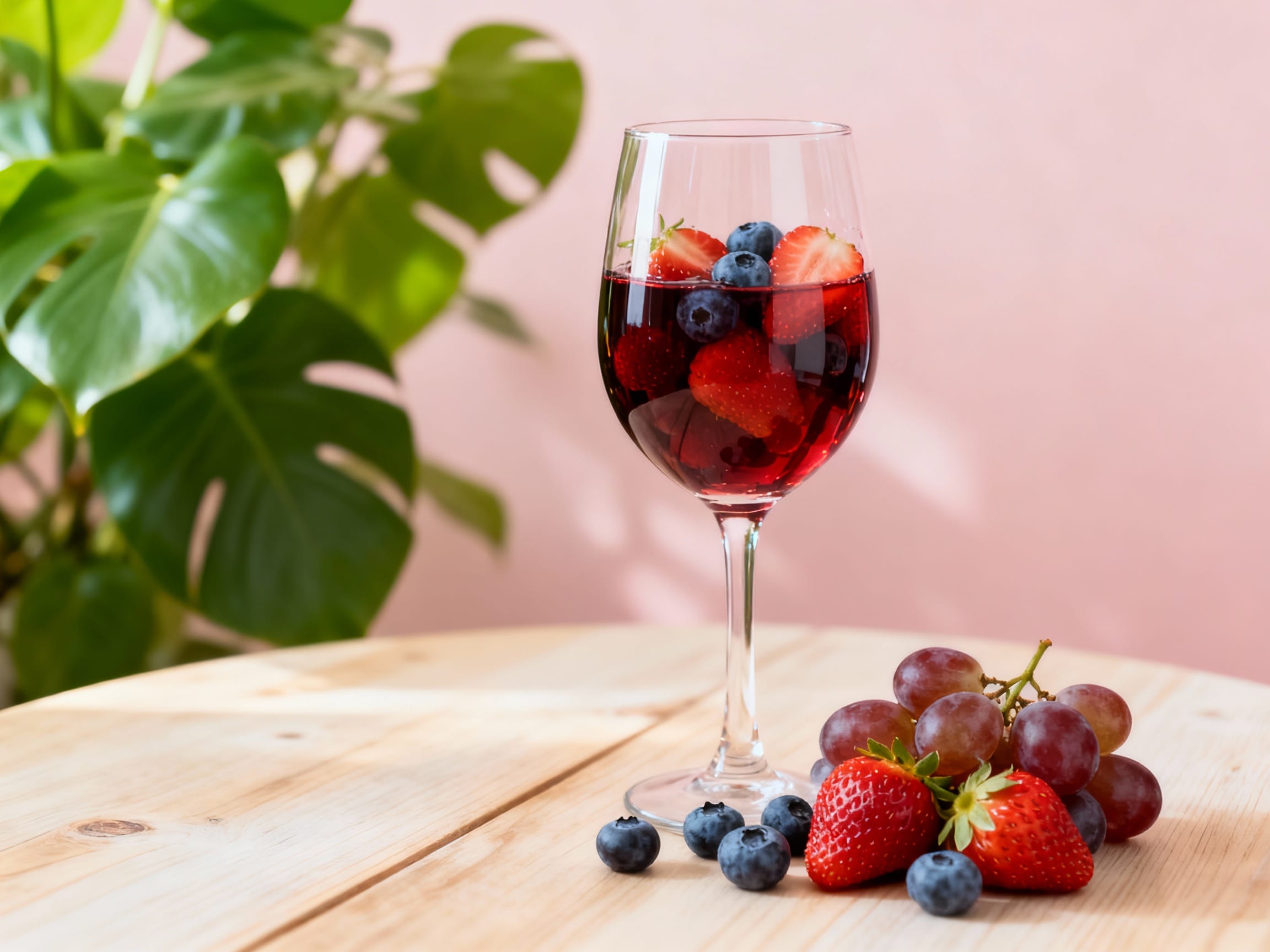
Before we dive into lighter options, let's understand the basics. Wine calories primarily come from two places: alcohol and residual sugar. The higher the alcohol by volume (ABV) and the more unfermented sugar left in the wine, the more calories it will contain.
For context, a standard 5 oz serving of wine generally holds:
- Red Wine: Around 125 calories
- White Wine: Approximately 121 calories
- Sparkling Wine: Usually about 96 calories
These numbers can add up quickly, especially if you're enjoying more than one glass or opting for sweeter varieties.
Are "Low-Calorie" Wines Actually Healthier, or Just Hype?
The good news is, "low-calorie" wines are definitely a thing, and they can be a smart choice for health-conscious indulgence. These wines typically achieve their calorie reduction in a few key ways: by having a lower alcohol content, less residual sugar, or sometimes both.
You might find wines marketed as "light," "low-carb," or "zero sugar," and these often deliver on their promise of fewer calories. For example, some low-calorie wines can shave off 20-30% of the calories compared to their traditional counterparts.
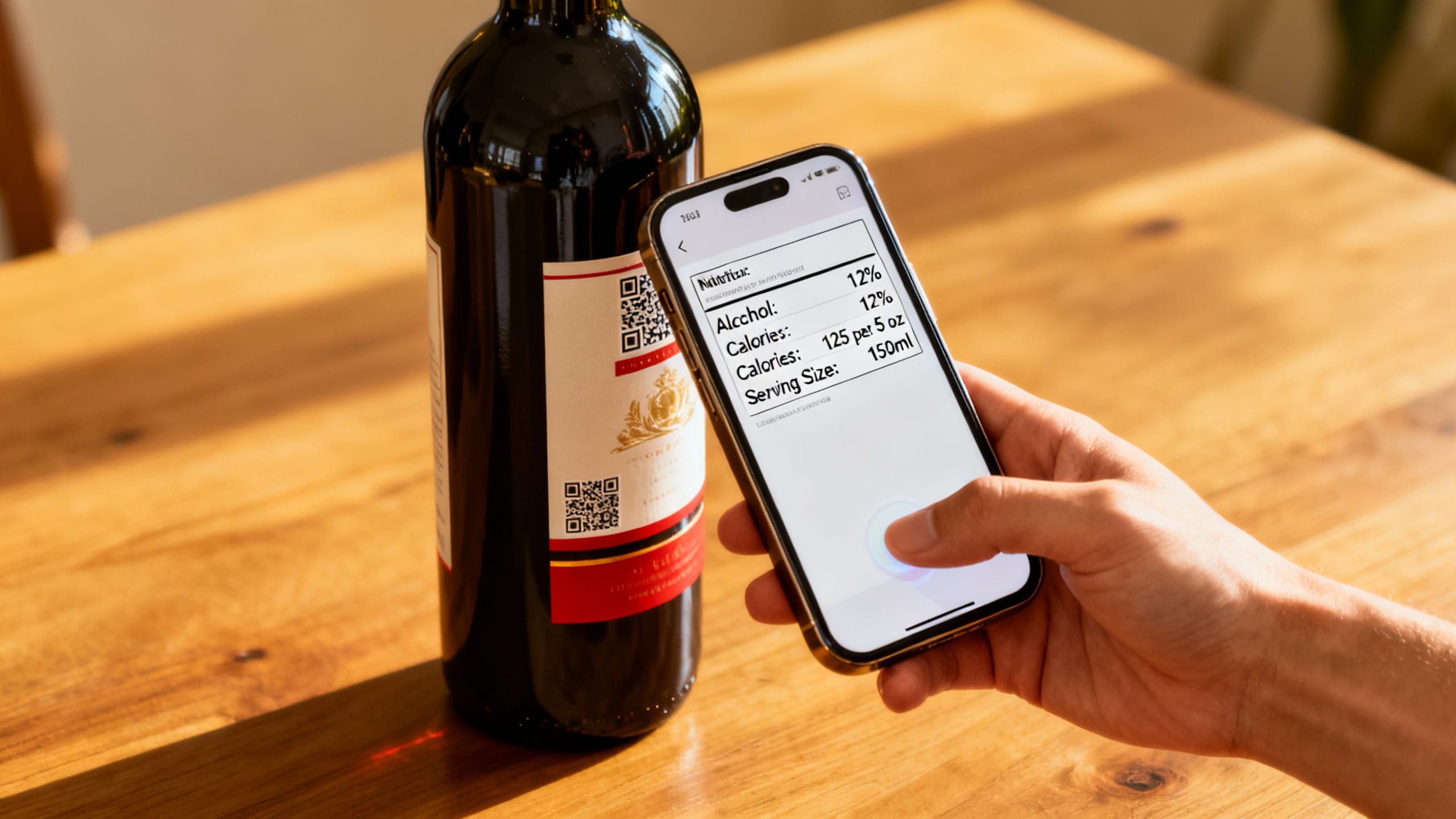
Ever wondered what's really in that "low-carb" wine? With Eatibo, you can point your camera at the bottle's nutrition label (if available, or even just the alcohol content) to instantly see the estimated calories, sugar, and even potential additives. No more guessing games about what you’re actually drinking.
How Can I Choose a Smarter Bottle for My Goals?
Making informed choices at the wine store doesn't have to be complicated. Here are a few tips to guide you:
- Look for Lower ABV: Wines with an alcohol content below 12% are generally lower in calories. Think lighter reds like Pinot Noir or crisp whites like Sauvignon Blanc.
- Opt for Drier Wines: Dry wines have less residual sugar, which means fewer calories. Sweet dessert wines, for instance, pack a much higher caloric punch.
- Read Labels (When You Can): While wine labels don't always fully disclose nutritional information, some low-calorie brands are starting to include it. Keep an eye out!
- Consider Sparkling: Brut Champagnes or Proseccos are often lower in calories than still wines due to their lower sugar content and smaller serving sizes.
What About Sulfites, Sugars, and Other Stuff in My Glass?
Beyond just calories, many people are curious about other components in wine, like sulfites or added sugars. While sulfites are naturally occurring in wine and often added as a preservative, concerns about them are common. Some "natural" or "organic" wines boast lower sulfite levels.
Artificial sweeteners or excessive additives are less common in quality wines, but it's always good to be informed. This is where personalized tools become incredibly valuable. Beyond just calories, Eatibo can also flag common allergens or ingredients you might want to 'Limit' or 'Skip' based on your unique dietary goals, whether it's low-sugar, seed-oil-free, or avoiding certain additives. It's like having a personal sommelier who knows your health plan inside and out.
Sipping Smart: Your Personalized Wine Strategy
Enjoying wine doesn't mean sacrificing your health goals. It's all about making smart, informed choices.
- Know Your Wine: Understand that ABV and dryness are key indicators of calorie content.
- Read Labels: Utilize available information on bottles to guide your selection.
- Mind Your Portions: Even low-calorie wine can add up if you overpour. A standard 5 oz serving is a good benchmark.
- Balance is Key: Integrate your wine consumption into a healthy, active lifestyle.
- Empower Your Choices: Tools like Eatibo can be incredibly helpful for instantly analyzing wine bottles and integrating your choices into your overall dietary plan. By tracking your consumption, you can see the cumulative effect of your wine choices on your caloric intake and macro goals, helping you savor smarter, one sip at a time.
Decision framework
| What to check | Why it changes the answer | Practical next step |
|---|---|---|
| Serving size or portion | Calories, sodium, sugar, carbs, and fat scale with the amount actually eaten | Log the realistic portion, not the ideal one |
| Protein, fiber, sodium, added sugar, and saturated fat | These decide whether the choice supports fullness and long-term habits | Compare the tradeoff that matters most for your goal |
| Ingredients, sauces, breading, or add-ons | Small extras can change the result quickly | Compare the base item and extras separately |
| Personal restriction applies | General nutrition advice cannot know every boundary | Follow allergy, medication, religious, or clinician-directed rules first |
Concrete examples
- If the food looks healthy but the serving is tiny, check what a realistic portion does to calories, sodium, or sugar.
- If two options have similar calories, choose the one with more protein, fiber, or ingredients you tolerate.
- If the food is occasional and you enjoy it, log it honestly instead of building a strict rule you will not keep.
Limits and safety notes
This guide is for everyday food awareness. It is not a diagnosis tool, allergy authority, medication checker, eating-disorder recovery plan, or substitute for a clinician or registered dietitian. For diagnosed conditions, pregnancy, kidney disease, diabetes medication, severe allergies, or clinician-directed diets, get professional guidance before changing your routine.
Where Eatibo fits
Eatibo is useful when a question turns into something you need to compare or log. You can scan a meal photo, barcode, nutrition label, or ingredient list, review calories and macros, check sodium, added sugar, allergens, additives, and ingredients, then save the result to your Nutrition Log. The point is not one perfect judgment; it is making the next similar choice easier because your own pattern is visible.
Sources and references
- FDA: Calories on the Nutrition Facts Label
- FDA: How to understand and use the Nutrition Facts label
- HHS/ODPHP: Current Dietary Guidelines for Americans
Frequently asked questions
Is this something I need to avoid completely?
Usually no. The better question is portion, frequency, and fit. A food can be fine occasionally but less useful as an everyday default if it repeatedly pushes sodium, added sugar, saturated fat, calories, or allergens past your limits.
What should I check first?
Start with the serving size you will actually eat. Then check the tradeoff most relevant to your goal: calories, protein, fiber, sodium, added sugar, saturated fat, ingredients, or allergens. The order matters because a tiny serving can hide a bigger real-world intake.
How can Eatibo help me decide faster?
Eatibo helps you scan or log the choice, compare the practical nutrition details, and review the pattern later. It is most useful for repeat decisions because the app can show whether similar foods are helping your weekly routine or quietly pushing it off track.
Related reading
- Do Vapes Have Calories? Unpacking the Truth Beyond the Puff
- 10 Best Foods for Prostate Health: Your Plate's Secret Weapon
- Beyond the Plate: How a Clean Aesthetic Can Inspire Your Health Journey
Last updated: June 1, 2026