
Sip Smart: Your Guide to Enjoying Low-Carb Beers Without the Guilt
Quick answer: Do not stop at the headline calorie or macro number. Start with the serving you will actually eat, then check calories, protein, fiber, sodium, added sugar, saturated fat, ingredients, and allergens against your real goal.
Key takeaways
- Serving size usually changes the answer more than the label headline.
- Compare the tradeoff that matters most for your goal: calories, protein, fiber, sodium, added sugar, saturated fat, ingredients, or allergens.
- One item rarely decides the whole diet; repeated weekly patterns matter more.
- Use official labels and menus when available, then log the real portion you ate.
Definition: In this guide, a smarter food decision means checking the real portion, the practical tradeoffs, personal limits, and the repeat pattern before turning one answer into a rule.
Remember that feeling? You're out with friends, everyone's having a cold one, and you're meticulously tracking carbs, wondering if you can even look at a beer without blowing your diet. For years, "low-carb beer" conjured images of bland, flavorless fizz. But what if I told you things have changed? You absolutely can enjoy a cold beer and stick to your low-carb lifestyle. It's all about knowing what to look for and making informed choices.
Can you really enjoy a beer without ditching your low-carb diet?
Yes, you absolutely can! The perception that all beer is a carb bomb is outdated. Thanks to brewing innovations, there's a growing variety of genuinely low-carb beers that deliver on taste without derailing your diet. The market has evolved significantly, moving beyond just "light" options to specifically formulated low-carb brews designed for health-conscious consumers.
What exactly makes a beer "low-carb," anyway?
A beer is considered low-carb primarily because of how its carbohydrates are reduced during the brewing process. Brewers achieve this by using specific yeast strains that ferment more of the sugars into alcohol, or by adding enzymes that break down complex carbohydrates into simpler sugars, which are then fermented out. Essentially, the goal is to leave fewer residual sugars in the final product. While regular beers can contain anywhere from 10-20 grams of carbs per serving, truly low-carb options typically boast 0-5 grams per 12-ounce serving.
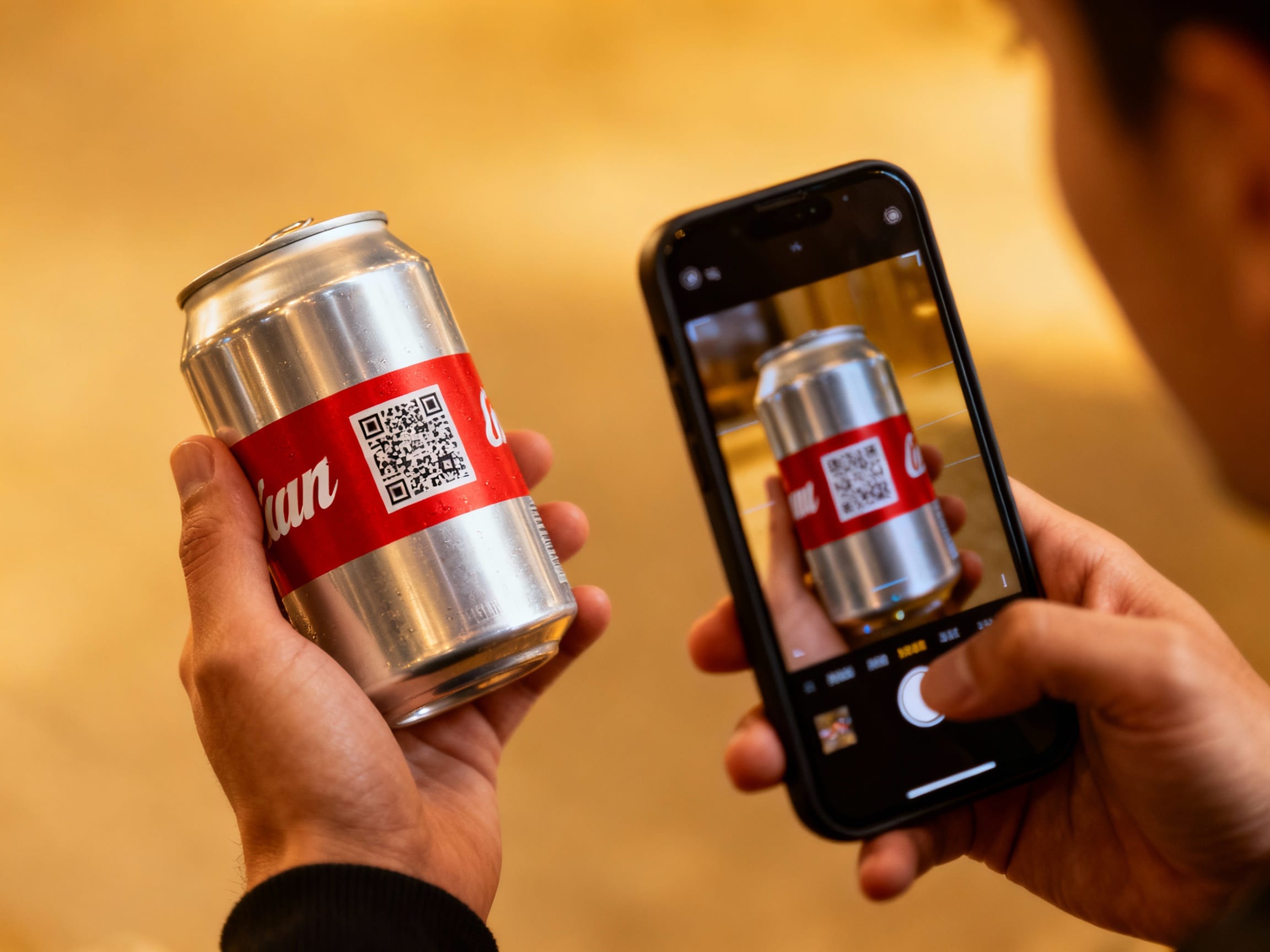
Instead of digging through obscure brewery websites or guessing, imagine simply pointing your phone at any beer can or bottle – even one you're not sure about – and instantly seeing its carb count. Eatibo does exactly that, giving you clear, real-time nutrition info for any beer.
How do I pick the best low-carb beer for my taste and my goals?
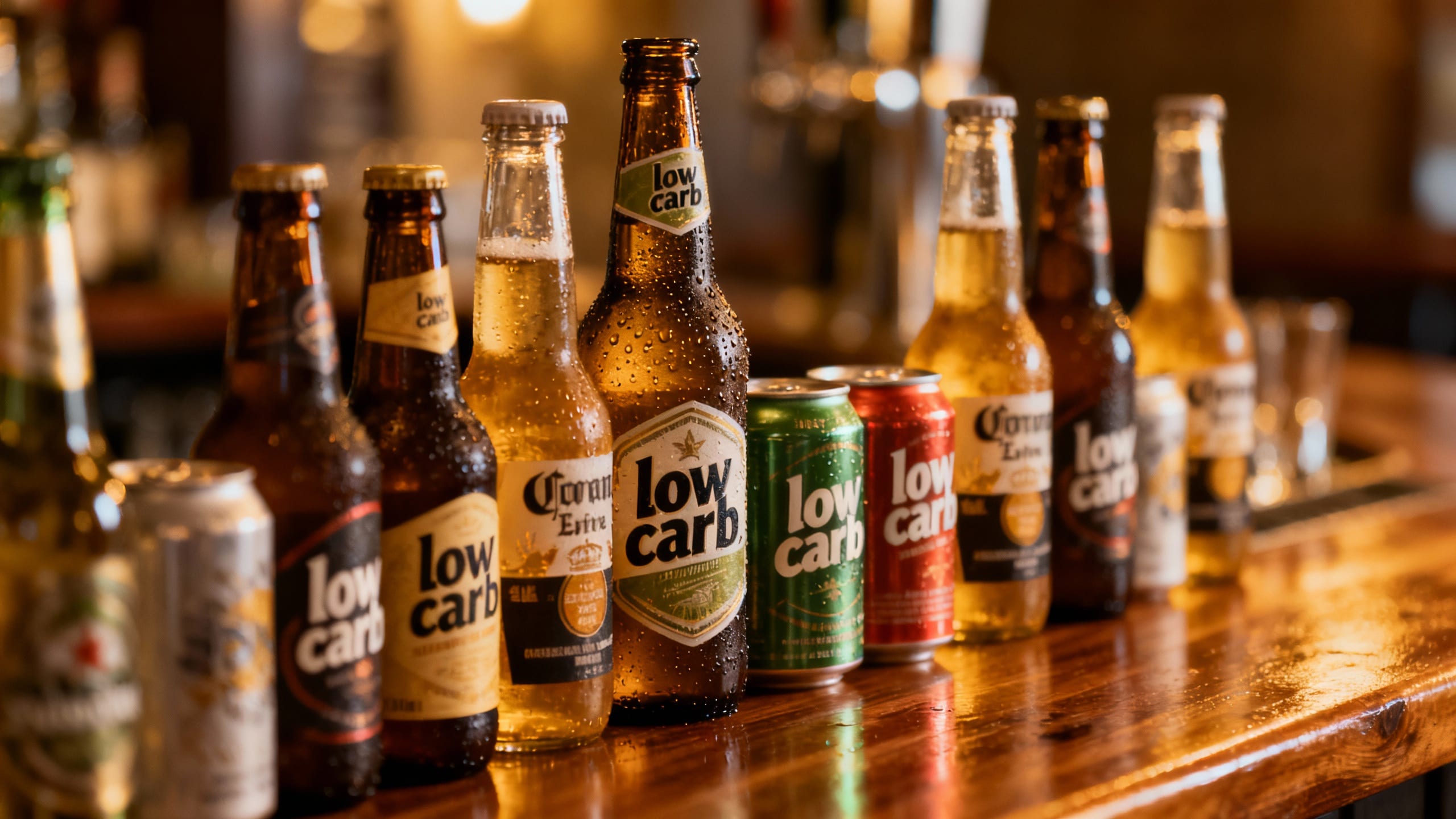
Picking the best low-carb beer involves balancing your taste preferences with your dietary goals. Not all "light" beers are truly "low-carb," so reading labels is crucial. Look for explicit "low-carb" claims or check the nutrition facts for carb content per serving. Many popular brands now offer excellent low-carb versions. For example, Michelob Ultra is a well-known choice with about 2.6g carbs per serving, while Miller Lite offers around 3.2g. Yuengling Flight, another contender, comes in at about 2.6g carbs. There are even craft brewers entering the low-carb space, offering IPAs and other styles that break the mold of traditional watery light beers.
And if your goal is more specific – say, strict keto, a seed-oil-free diet, or you're managing allergens – Eatibo doesn't just show you carbs. It flags additives and allergens, and then offers tailored 'Eat / Limit / Skip' guidance based on your personal health objectives. This means you can find the perfect low-carb beer that aligns with your entire dietary plan, not just its carb count.
What surprising things should I know about low-carb beer and my nutrition?
It's common to confuse "light beer" with "low-carb beer," but they aren't always the same. "Light" generally refers to lower calories, which often comes from reduced alcohol content, but not necessarily low carbs. Always check the label! Also, it's important to remember that while low-carb beers reduce your carb intake, alcohol itself can still impact your metabolism. Your body prioritizes processing alcohol, which can temporarily pause fat burning. So, even with low-carb options, moderation is key for maintaining your nutritional goals.
So, how can I enjoy low-carb beers responsibly and still reach my goals?
Enjoying low-carb beers while staying on track with your health goals boils down to a few simple strategies. First, moderation is paramount. Even low-carb options contribute calories and alcohol, so avoid overindulging. Second, stay hydrated by alternating your beers with water. This helps with overall well-being and can prevent excessive consumption. Third, focus on the big picture: ensure your overall diet is balanced and aligned with your goals. Using tools like Eatibo can give you consistent, accurate tracking of your food and drink choices, helping you make informed decisions effortlessly. With the right approach, you can definitely have your beer and drink it too!
Decision framework
| What to check | Why it changes the answer | Practical next step |
|---|---|---|
| Serving size or portion | Calories, sodium, sugar, carbs, and fat scale with the amount actually eaten | Log the realistic portion, not the ideal one |
| Protein, fiber, sodium, added sugar, and saturated fat | These decide whether the choice supports fullness and long-term habits | Compare the tradeoff that matters most for your goal |
| Ingredients, sauces, breading, or add-ons | Small extras can change the result quickly | Compare the base item and extras separately |
| Personal restriction applies | General nutrition advice cannot know every boundary | Follow allergy, medication, religious, or clinician-directed rules first |
Concrete examples
- If the food looks healthy but the serving is tiny, check what a realistic portion does to calories, sodium, or sugar.
- If two options have similar calories, choose the one with more protein, fiber, or ingredients you tolerate.
- If the food is occasional and you enjoy it, log it honestly instead of building a strict rule you will not keep.
Limits and safety notes
This guide is for everyday food awareness. It is not a diagnosis tool, allergy authority, medication checker, eating-disorder recovery plan, or substitute for a clinician or registered dietitian. For diagnosed conditions, pregnancy, kidney disease, diabetes medication, severe allergies, or clinician-directed diets, get professional guidance before changing your routine.
Where Eatibo fits
Eatibo is useful when a question turns into something you need to compare or log. You can scan a meal photo, barcode, nutrition label, or ingredient list, review calories and macros, check sodium, added sugar, allergens, additives, and ingredients, then save the result to your Nutrition Log. The point is not one perfect judgment; it is making the next similar choice easier because your own pattern is visible.
Sources and references
- FDA: Calories on the Nutrition Facts Label
- FDA: How to understand and use the Nutrition Facts label
- HHS/ODPHP: Current Dietary Guidelines for Americans
Frequently asked questions
Is this something I need to avoid completely?
Usually no. The better question is portion, frequency, and fit. A food can be fine occasionally but less useful as an everyday default if it repeatedly pushes sodium, added sugar, saturated fat, calories, or allergens past your limits.
What should I check first?
Start with the serving size you will actually eat. Then check the tradeoff most relevant to your goal: calories, protein, fiber, sodium, added sugar, saturated fat, ingredients, or allergens. The order matters because a tiny serving can hide a bigger real-world intake.
How can Eatibo help me decide faster?
Eatibo helps you scan or log the choice, compare the practical nutrition details, and review the pattern later. It is most useful for repeat decisions because the app can show whether similar foods are helping your weekly routine or quietly pushing it off track.
Related reading
- Is Gluten-Free Low Carb? Debunking the Myth for Smarter Choices
- Beyond the Bland: Delicious Low-Carb Chicken Recipes You'll Actually Crave
- What Foods to Avoid 24 Hours Before a PET Scan: Your Essential Guide
Last updated: June 1, 2026