
Beyond the Bland: Delicious Low-Carb Chicken Recipes You'll Actually Crave

Quick answer: A recipe is only useful if the serving size is honest. Check how much oil, salt, sauce, cheese, grain, starch, or protein is in your portion, then decide whether the meal fits your calorie, macro, sodium, fiber, or ingredient goal.
Key takeaways
- Recipe names can sound healthy while oil, salt, cheese, sauces, or portions drive the numbers.
- Serving size, protein, fiber, and sodium are usually more useful than a broad diet label.
- Ingredient swaps work best when they protect flavor and the reason you wanted the dish.
- Log the cooked portion once so future versions are easier to estimate.
Definition: In this guide, a smarter recipe decision means checking the real portion, the main nutrition drivers, personal limits, and the repeat pattern before turning a dish into a default.
Ever hit that mid-afternoon slump, feeling sluggish after lunch, and wish your meals could actually fuel you instead of weighing you down? Or maybe you've decided to embrace a low-carb lifestyle, only to find your go-to chicken recipes suddenly feel… redundant. You're not alone. Many people associate healthy eating, especially low-carb, with bland, boring food, but it doesn't have to be that way. What if the aroma of sizzling garlic and herbs could fill your kitchen, making a healthy dinner that you genuinely crave?
Why is Chicken Your Low-Carb Superpower?
Chicken truly shines as a hero in the low-carb kitchen because it's incredibly versatile, affordable, and packed with essential nutrients. Chicken is a fantastic source of lean protein, which is crucial for building and repairing muscle, and it helps you feel full and satisfied, making it easier to stick to your dietary goals. Its natural low-carbohydrate profile makes it an ideal base for countless meals without adding unwanted sugars or starches. Plus, it readily absorbs flavors, allowing for endless culinary creativity.
What Can I Actually Make? Our Top Low-Carb Chicken Recipes
Let's dive into some practical, tasty ideas that will make your low-carb journey exciting and delicious. These recipes are designed to be flavorful, easy to prepare, and perfect for any day of the week.
Zesty Lemon Herb Baked Chicken with Roasted Asparagus
This dish is a classic for a reason: it's simple, elegant, and packed with bright flavors. Baking ensures moist, tender chicken, and roasting asparagus alongside makes for an easy sheet pan meal. The lemon and herbs provide a fresh, aromatic punch that elevates the chicken without adding any carbs. It's a minimal fuss meal that delivers maximum satisfaction.
Spicy Chicken Lettuce Wraps
For a quick, fresh, and interactive meal, these lettuce wraps are a winner. Ground chicken is sautéed with vibrant veggies and a spicy, savory sauce, then spooned into crisp lettuce cups. They're light yet filling, offering a delightful crunch and a burst of flavor in every bite. This recipe is fantastic for a busy weeknight when you want something healthy but don't have much time.
Creamy Garlic Parmesan Chicken & Zucchini Noodles
Craving comfort food without the carb overload? This dish delivers. Tender chicken breasts are smothered in a rich, creamy garlic parmesan sauce, served over al dente zucchini noodles. It’s hearty, indulgent, and incredibly satisfying, proving that low-carb meals can indeed be luxurious. The zucchini noodles mimic pasta beautifully, soaking up all that delicious sauce.
Chicken Fajita Skillet
Who doesn't love fajitas? This one-pan wonder brings all the vibrant flavors of a Mexican fiesta to your low-carb plate. Sliced chicken and colorful bell peppers are seasoned with smoky spices and sautéed until tender-crisp. Serve it straight from the skillet or with low-carb tortillas or lettuce cups for a fun, flavorful, and easy weeknight dinner that’s surprisingly healthy.
Not sure if your chosen marinade keeps things truly low-carb, or if that store-bought sauce is secretly loaded with sugar? That's where Eatibo comes in – just scan the ingredients or nutrition label, and it'll instantly tell you the carb count and flag anything that might push you off track, even suggesting swaps for sauces or spices. It takes the guesswork out of making sure your delicious meals align with your low-carb goals.
Beyond the Plate: How to Master Your Low-Carb Journey
Making low-carb eating a sustainable lifestyle, rather than just a temporary diet, requires a few smart strategies. Meal prepping is a game-changer; dedicating a few hours on the weekend to chop veggies or cook a batch of chicken can save you immense time and decision fatigue during the week. Smart grocery shopping, focusing on whole, unprocessed foods, and reading labels carefully are also key. Many hidden carbs lurk in unexpected places like dressings, sauces, and even some spices.
Consistency is key, but tracking can feel like a chore. That's why tools like Eatibo are game-changers. Not only does it instantly scan your meals for calories, macros, and even sugar content, but it also gives you a clean food log and weekly trends. It helps you see your progress, tailor your guidance for muscle gain, weight loss, or low-sugar, and empowers you to make smarter choices based on your personalized data. In fact, studies show that people who consistently track their food intake are significantly more likely to achieve their dietary goals.
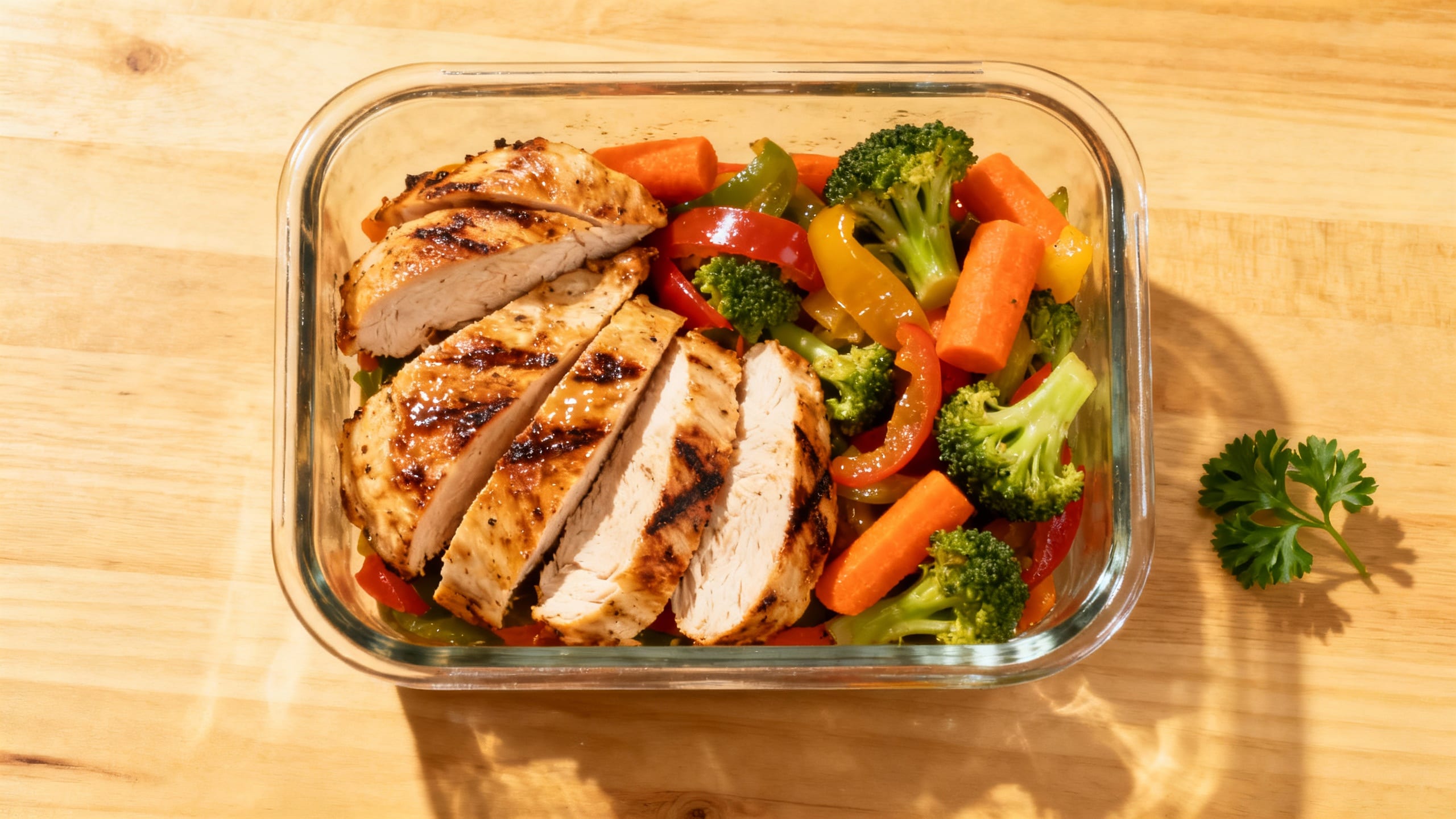
Ready to Transform Your Plate (and Your Energy)?
Embracing low-carb chicken meals doesn't mean sacrificing flavor or feeling constantly deprived. It's about discovering delicious, satisfying dishes that fuel your body and keep you energized throughout the day. By incorporating these flavorful recipes and smart strategies into your routine, you can enjoy a vibrant, healthy lifestyle without compromising on taste.
Start with one new recipe this week. Pay attention to how you feel – the sustained energy, the reduced cravings, the overall sense of well-being. And if you're serious about taking the guesswork out of low-carb eating and getting truly personalized nutrition coaching, download Eatibo today and start scanning your way to smarter, healthier meals.
Decision framework
| What to check | Why it changes the dish | Practical next step |
|---|---|---|
| Serving size | Recipe nutrition changes fast when the portion doubles | Log the cooked portion you actually eat |
| Oil, cheese, sauce, nuts, or starch | These ingredients can drive calories, sodium, or saturated fat | Measure once, then adjust future versions by feel |
| Protein and fiber | They affect fullness more than the recipe name does | Add beans, yogurt, fish, eggs, lean meat, or vegetables when useful |
| Personal restriction applies | General recipes do not know allergies, medications, or clinician rules | Use verified substitutions and professional guidance where needed |
Concrete examples
- If a dish feels healthy but uses several tablespoons of oil, measure once so the estimate is not fantasy.
- If you want more fullness, increase protein or fiber before cutting flavor.
- If a recipe becomes a weekly default, save the logged version so the next meal takes less work.
Limits and safety notes
Recipe guidance is approximate because ingredient brands, cooking methods, and portions vary. This guide is not allergy clearance, medication advice, eating-disorder recovery guidance, or a substitute for a clinician or registered dietitian.
Where Eatibo fits
Eatibo helps when a recipe becomes something you actually eat. Scan ingredients or a plate photo, check calories, macros, sodium, added sugar, allergens, and additives, then save the meal to your Nutrition Log so repeat versions are easier to compare.
Sources and references
- HHS/ODPHP: Current Dietary Guidelines for Americans
- USDA/FNS: Dietary Guidelines for Americans
- FDA: How to understand and use the Nutrition Facts label
Frequently asked questions
Is this recipe automatically healthy?
No. The answer depends on serving size, ingredients, oil, salt, sauce, protein, fiber, and how often you eat it.
What should I adjust first?
Adjust the biggest driver first: portion size, oil, sauce, cheese, starch, sodium, protein, or fiber. Small swaps work better when they keep the dish enjoyable.
How can Eatibo help with recipes?
Eatibo can scan ingredients or the finished plate, then save the estimate so repeat versions are easier to compare.
Related reading
- The Mediterranean Lentil Salad: Your Secret Weapon for a Healthy, Delicious Meal
- Is Gluten-Free Low Carb? Debunking the Myth for Smarter Choices
- Sip Smart: Your Guide to Enjoying Low-Carb Beers Without the Guilt
Last updated: June 1, 2026