
Savoring the Mediterranean: Your Guide to Healthy Appetizers

Quick answer: A recipe is only useful if the serving size is honest. Check how much oil, salt, sauce, cheese, grain, starch, or protein is in your portion, then decide whether the meal fits your calorie, macro, sodium, fiber, or ingredient goal.
Key takeaways
- Recipe names can sound healthy while oil, salt, cheese, sauces, or portions drive the numbers.
- Serving size, protein, fiber, and sodium are usually more useful than a broad diet label.
- Ingredient swaps work best when they protect flavor and the reason you wanted the dish.
- Log the cooked portion once so future versions are easier to estimate.
Definition: In this guide, a smarter recipe decision means checking the real portion, the main nutrition drivers, personal limits, and the repeat pattern before turning a dish into a default.
Ever wish your appetizers could be both delicious AND guilt-free? Imagine a spread where every bite feels like a mini-vacation to the sun-drenched coasts of Greece or Italy, yet it's contributing to your health goals. It sounds almost too good to be true, especially when so many party foods leave us feeling less than stellar. But the truth is, Mediterranean appetizers offer that perfect blend of flavor, tradition, and incredible health benefits, making them a fantastic choice for anyone looking to eat smarter without sacrificing enjoyment.
What Makes Mediterranean Appetizers So Good for You?
Mediterranean appetizers are renowned for their health benefits, largely due to their reliance on fresh, whole ingredients. This diet style emphasizes healthy fats, lean proteins, fiber-rich foods, and an abundance of antioxidants. You'll find staples like extra virgin olive oil, fresh vegetables, legumes, and certain dairy products, all contributing to a vibrant and nutritious plate. This approach to eating has been linked to numerous positive health outcomes, including improved heart health and increased longevity.
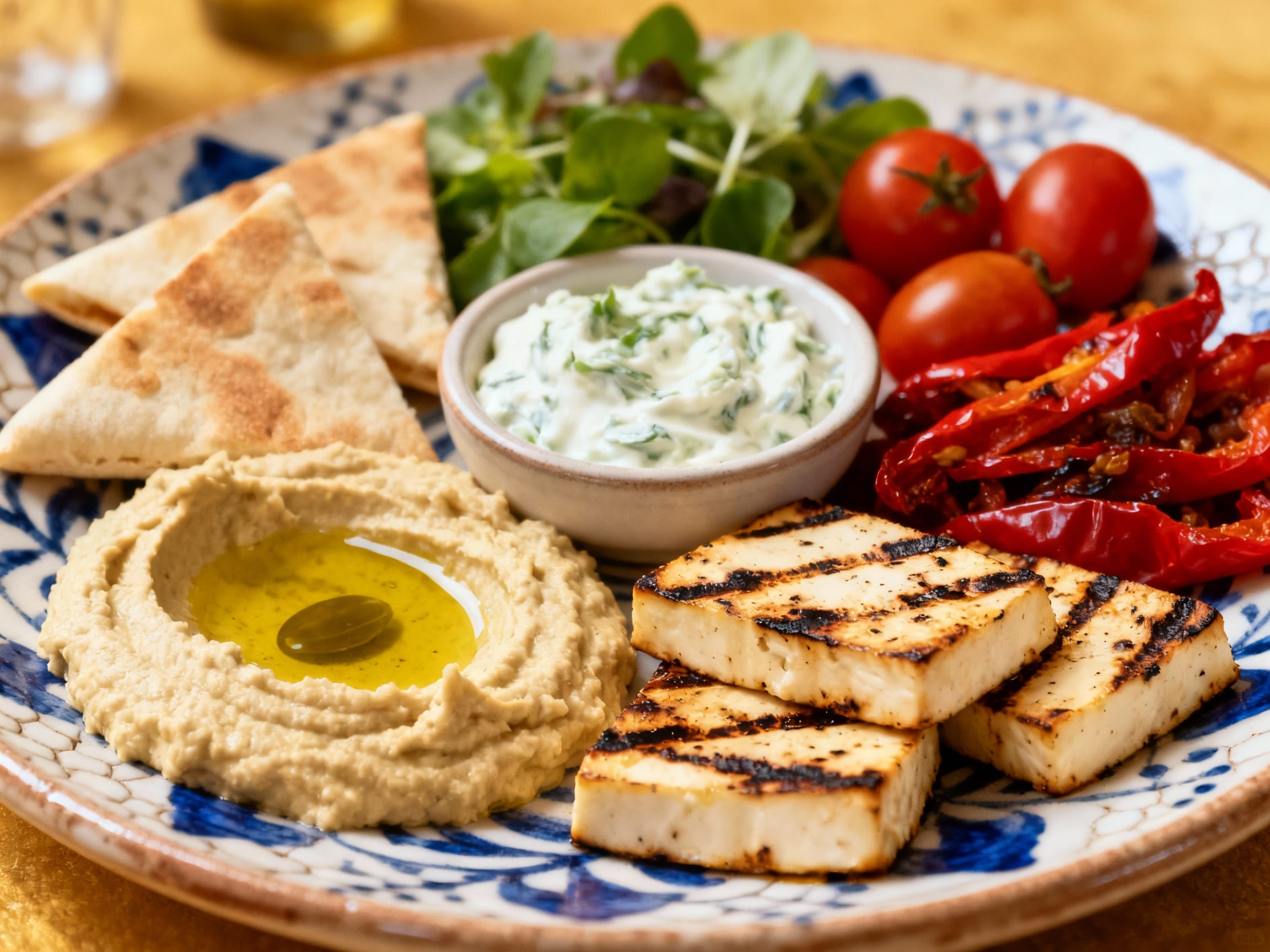
The historical wisdom behind these food choices is simple yet profound: eat what grows naturally and abundantly in the region. This means lots of fresh produce, healthy fats from olives, and protein from plant-based sources or lean dairy like feta and Greek yogurt. Compared to many Western diets, the Mediterranean diet is significantly lower in processed foods and unhealthy fats, which is a major win for your well-being.
Which Mediterranean Appetizers Are Easiest to Make at Home?
You don't need to be a gourmet chef to whip up some fantastic Mediterranean appetizers at home. Many options are surprisingly simple and quick to prepare.
- Hummus with Crudités: A classic for a reason! Just blend canned chickpeas with tahini, lemon juice, garlic, and a drizzle of olive oil. Serve with colorful veggie sticks like carrots, cucumbers, and bell peppers.
- Marinated Olives: Pick your favorite olives (Kalamata, Castelvetrano) and marinate them in olive oil, fresh herbs (rosemary, thyme), and a hint of orange zest.
- Bruschetta: Toast slices of whole-grain baguette, rub with garlic, then top with diced fresh tomatoes, basil, and a balsamic glaze.
- Greek Salad Skewers: Thread cherry tomatoes, cucumber chunks, feta cheese cubes, and Kalamata olives onto small skewers for a bite-sized Greek salad.
- Caprese Bites: Alternate cherry tomatoes, small mozzarella balls (bocconcini), and fresh basil leaves on a toothpick, drizzled with balsamic.
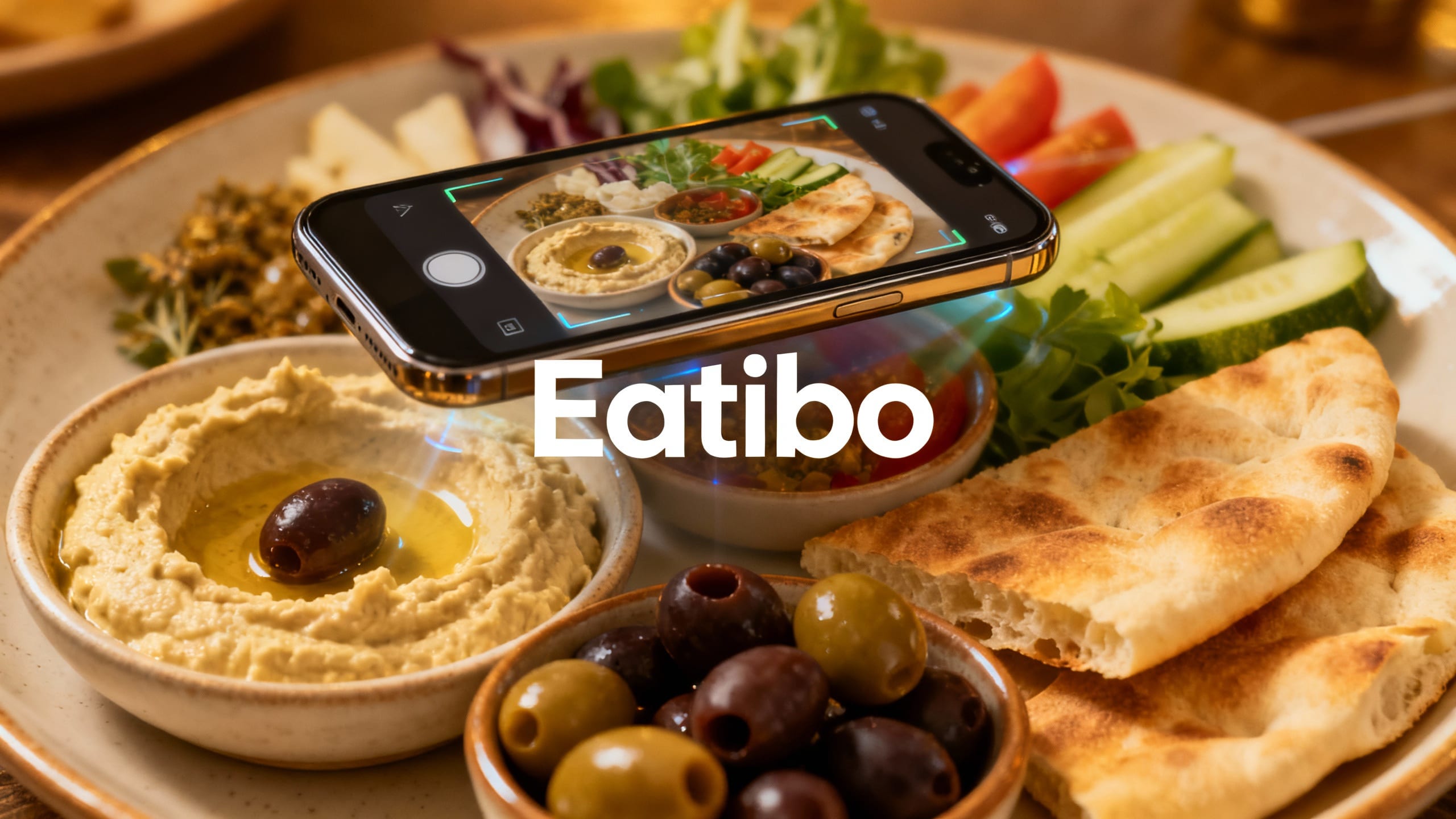
When you're choosing ingredients for these dishes, like canned chickpeas for hummus or a pre-made pesto for bruschetta, it's wise to check what's actually in them. This is where Eatibo comes in handy. Just point your phone at the nutrition label, and Eatibo can instantly show you the calories, macros, and even flag unwanted additives or seed oils. It's an easy way to ensure you're making the healthiest choice for your specific dietary goals—for example, confirming if that pesto is truly seed-oil-free!
How Can I Enjoy Mediterranean Appetizers Without Overdoing It?
While Mediterranean appetizers are healthy, portion control and mindful eating are still key to enjoying them without overdoing it. It's easy to get carried away when everything tastes so good!
Try serving appetizers on smaller plates or using pre-portioned servings to naturally limit intake. Pairing rich dips or spreads with non-starchy vegetables, rather than just bread, also boosts fiber and nutrient intake while keeping calorie counts lower. For instance, a serving of cherry tomatoes (about 100g) contains only around 18 calories, making them a virtually guilt-free vehicle for hummus. Listening to your body's hunger cues is also crucial. Eat slowly, savor each bite, and stop when you feel satisfied, not stuffed.
After that delightful meze, you might wonder how your choices fit into your daily nutrition. Simply scan your plate with Eatibo to get a clean food log and see how your Mediterranean choices contribute to your daily goals. It'll even give you tailored guidance, like suggesting healthier swaps or adjusting portion sizes for tomorrow, helping you track your actual intake effortlessly.
Where Can I Find Authentic Mediterranean Appetizer Ingredients?
Sourcing quality ingredients can make all the difference in your homemade Mediterranean appetizers. Most local grocery stores will carry the basics like fresh produce, olive oil, and common cheeses. However, for truly authentic flavors, consider exploring specialty markets or international food stores. These often stock a wider variety of olives, unique spices, and artisanal cheeses that can elevate your dishes. Farmers' markets are excellent for fresh, seasonal vegetables and herbs.
When buying olive oil, look for "extra virgin" and check the label for its origin. Reputable brands will often list the country or region of harvest. For feta cheese, authentic Greek feta is typically made from sheep's or goat's milk and packed in brine, offering a distinct tangy flavor. Don't be afraid to read labels and ask questions; higher quality ingredients often mean better taste and better nutrition.
Eating Smarter, One Mediterranean Bite at a Time
Incorporating Mediterranean appetizers into your diet is a delicious and effortless way to embrace healthier eating habits. It proves that healthy food doesn't have to be bland or boring; in fact, it can be incredibly flavorful and satisfying. By focusing on fresh, whole ingredients, smart portioning, and a little help from tools like Eatibo, you can enjoy these wonderful small plates and feel good about every bite. It’s all about making informed choices that support your wellness journey, one delightful Mediterranean appetizer at a time.
Decision framework
| What to check | Why it changes the dish | Practical next step |
|---|---|---|
| Serving size | Recipe nutrition changes fast when the portion doubles | Log the cooked portion you actually eat |
| Oil, cheese, sauce, nuts, or starch | These ingredients can drive calories, sodium, or saturated fat | Measure once, then adjust future versions by feel |
| Protein and fiber | They affect fullness more than the recipe name does | Add beans, yogurt, fish, eggs, lean meat, or vegetables when useful |
| Personal restriction applies | General recipes do not know allergies, medications, or clinician rules | Use verified substitutions and professional guidance where needed |
Concrete examples
- If a dish feels healthy but uses several tablespoons of oil, measure once so the estimate is not fantasy.
- If you want more fullness, increase protein or fiber before cutting flavor.
- If a recipe becomes a weekly default, save the logged version so the next meal takes less work.
Limits and safety notes
Recipe guidance is approximate because ingredient brands, cooking methods, and portions vary. This guide is not allergy clearance, medication advice, eating-disorder recovery guidance, or a substitute for a clinician or registered dietitian.
Where Eatibo fits
Eatibo helps when a recipe becomes something you actually eat. Scan ingredients or a plate photo, check calories, macros, sodium, added sugar, allergens, and additives, then save the meal to your Nutrition Log so repeat versions are easier to compare.
Sources and references
- HHS/ODPHP: Current Dietary Guidelines for Americans
- USDA/FNS: Dietary Guidelines for Americans
- FDA: How to understand and use the Nutrition Facts label
Frequently asked questions
Is this recipe automatically healthy?
No. The answer depends on serving size, ingredients, oil, salt, sauce, protein, fiber, and how often you eat it.
What should I adjust first?
Adjust the biggest driver first: portion size, oil, sauce, cheese, starch, sodium, protein, or fiber. Small swaps work better when they keep the dish enjoyable.
How can Eatibo help with recipes?
Eatibo can scan ingredients or the finished plate, then save the estimate so repeat versions are easier to compare.
Related reading
- Savoring the Mediterranean Diet: Your Guide to Healthier Grilling & Grocery Shopping
- Unlocking the Mediterranean Diet: Key Ingredients for a Longer, Healthier Life
- The Mediterranean Diet: A Timeless Taste of Health
Last updated: June 1, 2026