
The Mediterranean Diet: A Timeless Taste of Health
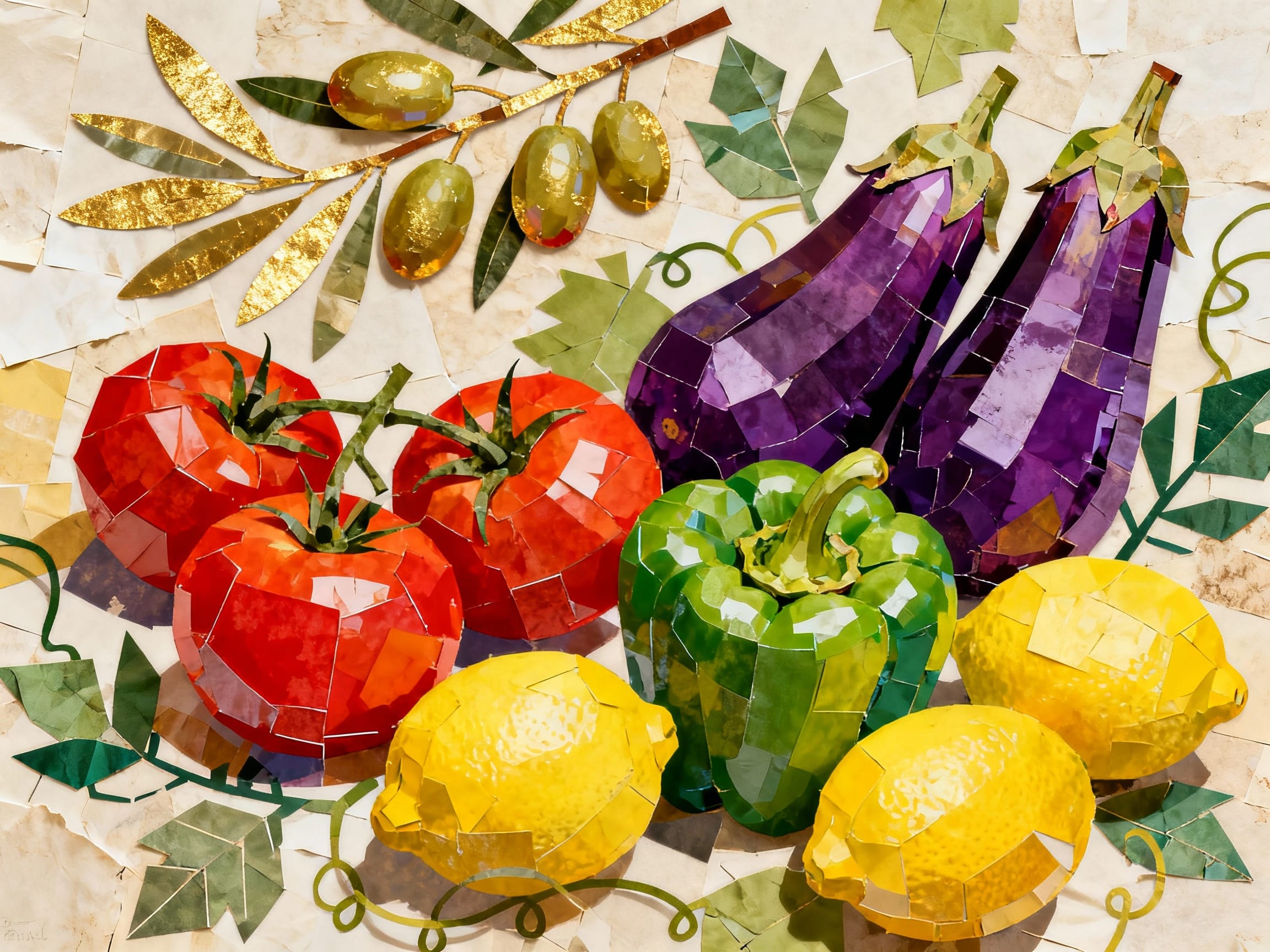
Quick answer: A Mediterranean-style plate is usually built from vegetables, beans, whole grains, olive oil, seafood, yogurt, herbs, nuts, and fruit. The label only helps if the actual meal still has reasonable portions, enough protein and fiber, and not too much sodium, refined starch, added sugar, or alcohol.
Key takeaways
- Mediterranean eating is a pattern, not a single approved food list.
- Olive oil, nuts, pasta, bread, cheese, and wine can fit, but the portion still counts.
- Packaged and restaurant versions vary, so sodium, added sugar, and serving size need a real check.
- Eatibo fits when you need to scan a label, menu, or plate and save the pattern for later.
Definition: In this guide, a smarter Mediterranean food decision means judging the actual dish, not the cuisine name: portion, ingredients, protein, fiber, sodium, personal limits, and how often it shows up in your week.
Mediterranean eating gets talked about like a shortcut to health, but the useful version is more ordinary: vegetables, legumes, fish, olive oil, grains, herbs, fruit, and shared meals that are repeated often enough to become a pattern. The risk with old blog content is turning that pattern into a slogan. A plate still needs to make sense in front of you.
What Makes Mediterranean Agriculture So Special?
The traditional pattern grew out of what the region could reliably produce: olives, grapes, wheat, beans, lentils, herbs, vegetables, fruit, seafood, and dairy in different local forms. Warm dry summers and mild wet winters shaped those ingredients. Terracing, seasonal cooking, and using legumes or grains to stretch meals are part of the story, but they do not automatically make every modern "Mediterranean" product a better choice.
How does this show up on a modern plate?
A practical Mediterranean-style plate might be lentils with herbs and olive oil, grilled fish with vegetables, yogurt with fruit and nuts, or a simple pasta dish balanced with beans and salad. The common thread is plant-forward food with room for seafood, fermented dairy, herbs, and unsaturated fats.
The hard part is the grocery aisle. A jar of tapenade, a frozen flatbread, a boxed pasta salad, or a restaurant platter may use the same Mediterranean language while adding a lot of sodium, refined starch, or saturated fat. Eatibo is useful here because you can scan the label or plate and check whether the actual product matches the pattern.
Are All "Mediterranean" Foods Created Equal?
Unfortunately, not all foods marketed as "Mediterranean" truly capture the essence or health benefits of the traditional diet. There's a big difference between an authentic extra virgin olive oil, cold-pressed from sun-ripened olives, and a heavily processed "Mediterranean-style" dressing loaded with seed oils and artificial flavors. It's crucial to read ingredient lists carefully. Look for whole, recognizable ingredients and be wary of excessive sugars, unhealthy fats, and preservatives that wouldn't have been found in a traditional Mediterranean pantry. Understanding regional variations also helps; a dish from Greece might emphasize different ingredients than one from Italy or Morocco, but the core principles of freshness and whole foods remain.
Who may find this pattern useful?
People often use Mediterranean-style eating for general heart-health goals, steadier meals, more vegetables, and less ultra-processed food. It can also be easier to maintain than strict plans because it has real meals: soups, salads, fish, beans, grain bowls, yogurt, fruit, and olive-oil-based cooking. That said, it still needs personal boundaries. Someone watching sodium, blood sugar, kidney-related nutrients, alcohol, or allergens should not treat the cuisine label as permission.
Where Can I Find the Best Mediterranean Ingredients in My Area?
Sourcing high-quality Mediterranean ingredients doesn't have to be a quest to the coast! Start by exploring your local farmers' markets for seasonal produce. This is where you'll find the freshest fruits and vegetables, often grown locally, mirroring the Mediterranean practice of eating what's in season. Many specialty grocery stores offer excellent imported olive oils, olives, cheeses, and authentic whole grains. Don't overlook the bulk bins for legumes and nuts. Reading labels is key: look for "extra virgin" on olive oil bottles and check country of origin for specialty items.

Why Is It More Important Than Ever to Understand Food Origins?
Understanding where our food comes from is more critical now than ever before. Climate change is impacting traditional Mediterranean agriculture, with rising temperatures and altered rainfall patterns threatening crops like olives and grapes. Supporting sustainable farming practices, whether locally or globally, helps preserve these traditions and ensures the long-term availability of healthy foods. Knowing the origin of your food also connects you to its journey from farm to table. For those committed to truly understanding what they're eating, Eatibo empowers you. Beyond just calories, you can track your intake of specific nutrients found abundantly in Mediterranean cuisine, like healthy fats or fiber, and even get simple swap suggestions to lean into more plant-forward, whole-food options, just like the traditional Mediterranean way.
Bringing the Mediterranean to Your Table, One Smart Choice at a Time
Embracing the Mediterranean way of eating isn't about strict rules; it's about a lifestyle shift. Start small by incorporating more vegetables, whole grains, and healthy fats into your daily meals. Prioritize quality, focusing on fresh, seasonal ingredients whenever possible. Most importantly, embrace the joy of cooking and sharing meals with loved ones, a central tenet of Mediterranean culture. Use tools like Eatibo to demystify nutrition labels and make informed choices, ensuring your plate truly reflects the health and heritage of Mediterranean agriculture.
Decision framework
| What to check | Why it changes the answer | Practical next step |
|---|---|---|
| Plant foods, legumes, whole grains, seafood, olive oil | These are the pattern's useful anchors | Build the plate around these before adding extras |
| Bread, pasta, rice, cheese, nuts, oil, or wine | Mediterranean foods can still be calorie-dense | Keep the portion visible instead of assuming the label makes it healthy |
| Sodium, added sugar, and saturated fat | Packaged and restaurant versions vary widely | Check labels, sauces, and sides separately |
| Medical or allergy boundary | A cuisine pattern is not personalized care | Follow clinician-directed limits first |
Concrete examples
- If a meal has vegetables, beans, olive oil, and fish, it may fit the pattern even without a perfect label.
- If a restaurant dish is mostly bread, cheese, creamy sauce, or fried sides, check the portion before assuming it is light.
- If you repeat the same Mediterranean meal weekly, log it once and adjust from your own trend.
Limits and safety notes
Mediterranean-style eating is a general pattern, not a medical prescription. For diagnosed conditions, pregnancy, kidney disease, diabetes medication, severe allergies, eating-disorder recovery, or clinician-directed diets, get qualified guidance before changing your routine.
Where Eatibo fits
Eatibo can turn a broad Mediterranean idea into a specific food decision. Scan the meal, menu, barcode, nutrition label, or ingredient list, then compare calories, macros, sodium, added sugar, allergens, additives, and weekly Nutrition Log patterns.
Sources and references
- American Heart Association: What is the Mediterranean Diet?
- HHS/ODPHP: Current Dietary Guidelines for Americans
- USDA/FNS: Dietary Guidelines for Americans
Frequently asked questions
Is Mediterranean food always healthy?
No. The pattern can be very useful, but portions, sodium, refined grains, cheese, alcohol, sauces, and sweets still matter.
What should I look for first?
Look for vegetables, beans, whole grains, olive oil, fish or lean protein, and minimally processed foods. Then check sodium, added sugar, protein, fiber, and serving size.
Where does Eatibo help?
Eatibo helps when you need to scan a real meal, menu, barcode, label, or ingredient list and compare it against your weekly pattern.
Related reading
- Savoring Health Decoding Mediterranean Sauces with Eatibo
- Savoring Health – The Mediterranean Diet Decoded
- Savoring Mediterranean: A Smart Approach to Dining at Safir
Last updated: June 1, 2026