
Savoring the Mediterranean Diet: Your Guide to Healthier Grilling & Grocery Shopping
Quick answer: Treat restaurant nutrition as an estimate, not a promise. Portions, sauces, fried coatings, sides, drinks, and substitutions can change the result quickly, so compare the menu first and log the plate you actually eat when possible.
Key takeaways
- Start with the menu item, then check sides, sauces, drinks, and serving size.
- Calories matter, but sodium, saturated fat, protein, fiber, and allergens often decide whether a meal fits your goal.
- Restaurant data varies by location and preparation, so avoid pretending an estimate is exact.
- If a place does not publish nutrition, use a close match and review the weekly pattern.
Definition: In this guide, a smarter dining decision means checking the menu context, the likely portion, personal limits, and the repeat pattern before turning one meal into a rule.
Imagine biting into a perfectly grilled piece of fish, bursting with fresh herbs and lemon, knowing it's not just delicious, but also deeply nourishing. That's the magic of the Mediterranean diet, a lifestyle embraced for centuries. It's not just a diet; it's a celebration of whole, flavorful foods that promote long-term health and well-being.
Is the Mediterranean Diet Really the Healthiest Way to Eat?
Yes, the Mediterranean diet is consistently praised by health experts and supported by extensive research as one of the healthiest eating patterns. Studies consistently link it to a reduced risk of cardiovascular disease, lower blood pressure, and increased longevity. Its emphasis on healthy fats, whole grains, and plant-based foods contributes to better cholesterol levels and reduced inflammation. This way of eating also aids in weight management without restrictive calorie counting, thanks to its focus on satiating whole foods and high fiber content. The core principles revolve around prioritizing unprocessed foods like fruits, vegetables, whole grains, legumes, nuts, and seeds, with extra virgin olive oil as the primary fat source, and lean proteins like fish and poultry enjoyed regularly.
What Should I Look For When Buying Mediterranean Groceries?
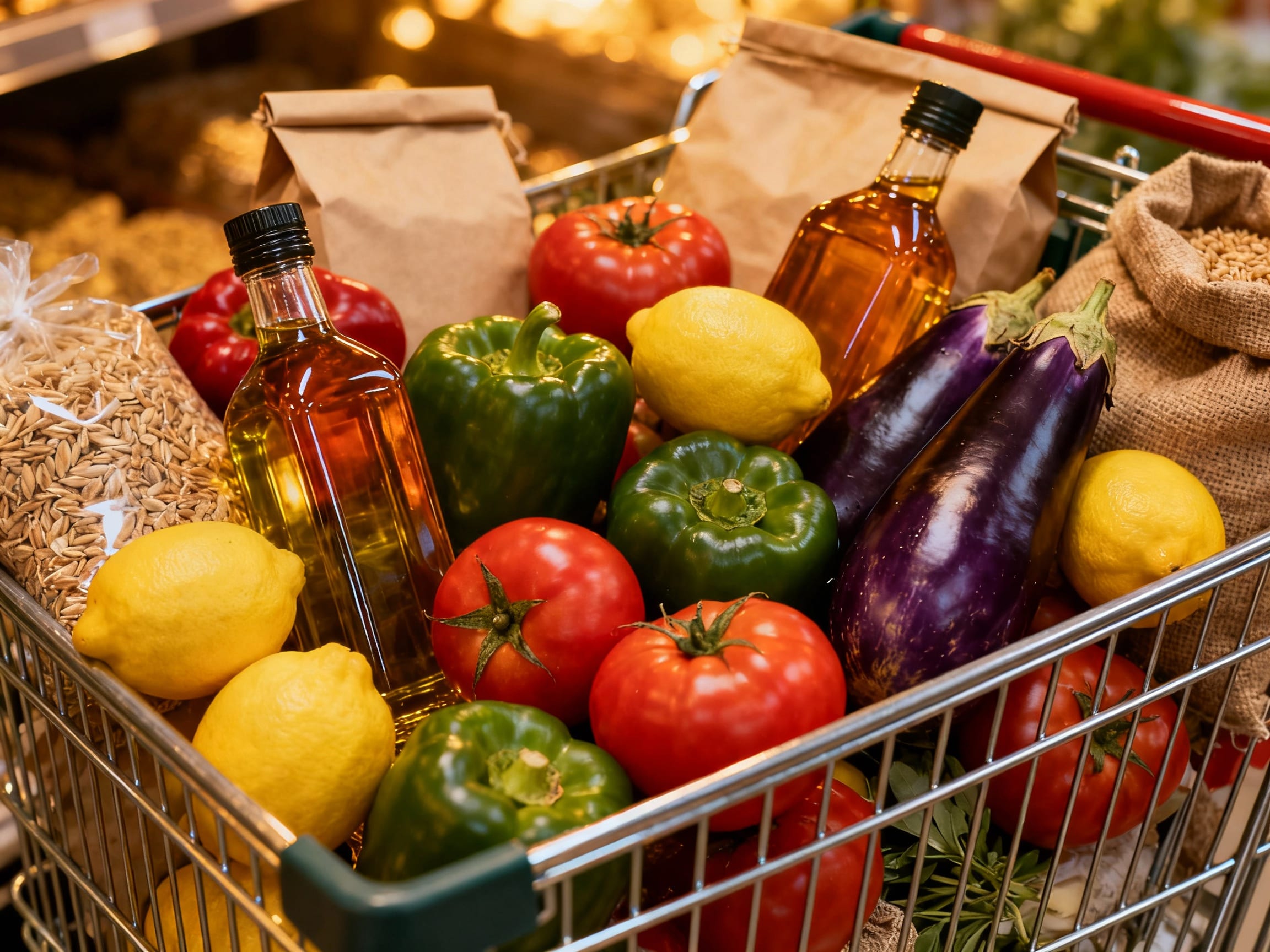
Filling your shopping cart with authentic, healthy Mediterranean ingredients is easier than you might think when you know what to look for. Stock up on extra virgin olive oil (EVOO) as your main cooking fat, alongside a wide variety of fresh, seasonal produce. Think colorful bell peppers, juicy tomatoes, leafy greens, and aromatic herbs. Opt for whole grains such as farro, couscous, quinoa, and whole-wheat bread, and don't forget legumes like lentils, chickpeas, and beans, which are excellent sources of plant-based protein. Nuts and seeds make great healthy snacks and additions to meals. When it comes to proteins, choose fresh fish, chicken, and plant-based alternatives.
Navigating the aisles can be tricky, especially with so many labels claiming "healthy." You'll want to read labels carefully to avoid hidden sugars, unhealthy fats (like certain seed oils), and excessive sodium, even in products that seem Mediterranean. This is where tools like Eatibo become your secret weapon. Simply point your camera at a nutrition label, and Eatibo instantly breaks down calories, macros, and flags unwanted additives or allergens, helping you make smart choices for your Mediterranean pantry.
How Can I Master Mediterranean Grilling at Home?
Mastering Mediterranean grilling at home is all about celebrating fresh ingredients and simple, robust flavors. Focus on lean proteins like various fish (salmon, sardines, cod) and chicken, alongside an abundance of vegetables such as zucchini, bell peppers, eggplant, and tomatoes, which all grill beautifully. The secret lies in simple marinades: combine good quality extra virgin olive oil with fresh lemon juice, garlic, and a generous sprinkle of dried or fresh herbs like oregano, thyme, and rosemary. For a quick and delicious meal, try marinating chunks of chicken or firm fish with these ingredients, threading them onto skewers with cherry tomatoes and bell peppers, and grilling until tender and lightly charred. Even halloumi cheese can be grilled for a savory, satisfying vegetarian option.
Can I Eat Mediterranean at Restaurants, and How Do I Choose Wisely?
Absolutely, you can stick to your Mediterranean goals when eating out, even at a dedicated Mediterranean grill, but it requires a bit of strategy. Common pitfalls include large portion sizes, excessive oil in some dishes, creamy sauces, and fried items. To navigate menus wisely, always ask for dressings and sauces on the side so you can control the amount. Opt for grilled over fried options, and prioritize salads and vegetable-heavy sides. You might also want to watch your bread consumption, or choose whole-grain pitas if available.
Even when you're out, making informed choices is crucial. If you're unsure about an item on the menu, especially with dishes that might have hidden ingredients, a quick scan with Eatibo (if you can get a glimpse of the nutritional info or an ingredient list) can give you peace of mind. It can flag anything that might derail your goals, like high seed oil content or unexpected additives, making it easier to enjoy your meal without compromise.
What Simple Swaps Will Make My Meals More Mediterranean?
Embracing the Mediterranean diet doesn't require a complete overhaul overnight; small, impactful changes can make a big difference. Start by swapping butter for extra virgin olive oil in your cooking and as a dip for bread. Replace red meat with fish, chicken, or legumes several times a week. Instead of sugary snacks, reach for fresh fruit, a handful of nuts, or a small portion of Greek yogurt. Choose whole grains over refined white bread or pasta. The goal is to gradually shift your eating habits towards more whole, unprocessed foods. Remember to also embrace the social aspect of the Mediterranean lifestyle – enjoying meals with loved ones and savoring every bite.

Embracing the Mediterranean lifestyle isn't about rigid rules, but about a joyful, flavorful approach to eating that nourishes both body and soul. Start small, focus on whole foods, and let the vibrant flavors of the Mediterranean guide your plate. Your health, and your taste buds, will thank you.
Decision framework
| What to check | Why it changes the meal | Practical next step |
|---|---|---|
| Portion, side, sauce, and drink | These often add more calories, sodium, sugar, or saturated fat than the main item | Compare the full order, not just the entree |
| Fried, creamy, or sweet add-ons | Preparation changes can move a meal from moderate to heavy quickly | Ask for sauce on the side or choose grilled, roasted, or simpler options when that fits your goal |
| Published nutrition is missing | Local recipes and serving sizes vary | Use a close estimate, log the meal, and watch repeat patterns |
| Allergy, medication, or clinician-directed diet applies | Restaurant estimates cannot guarantee safety | Follow the stricter rule and ask staff or a qualified professional when needed |
Concrete examples
- If two meals look similar, compare the full order with sides and drinks before judging.
- If the menu does not publish nutrition, log a close match and check whether that type of meal repeats during the week.
- If sodium or allergens matter, ask about sauces, marinades, and substitutions instead of relying only on the menu title.
Limits and safety notes
Restaurant nutrition is approximate and can vary by location, supplier, preparation, and portion. This guide is not allergy clearance, diabetes management, eating-disorder recovery advice, or a substitute for a clinician or registered dietitian.
Where Eatibo fits
Eatibo is useful after the menu decision gets real. You can scan a plate, barcode, or nutrition label, compare calories and macros, check sodium, added sugar, allergens, additives, and ingredients, then save the meal to your Nutrition Log. The goal is not perfect restaurant math; it is seeing whether similar meals are helping or hurting your weekly pattern.
Sources and references
- FDA: Calories on the Menu
- FDA: How to understand and use the Nutrition Facts label
- HHS/ODPHP: Current Dietary Guidelines for Americans
Frequently asked questions
Can I trust restaurant calorie numbers exactly?
Use them as estimates. Standard menu labels help, but local preparation, serving size, sauces, and substitutions can change the final meal.
What should I check first when eating out?
Start with the full order: entree, side, sauce, drink, and dessert. Then check the tradeoff that matters most for your goal, such as sodium, protein, added sugar, saturated fat, or calories.
How can Eatibo help after a restaurant meal?
Eatibo can log the actual plate and help you compare similar meals over the week, which is more useful than treating one estimate as perfect.
Related reading
- Unlocking the Mediterranean Diet: Key Ingredients for a Longer, Healthier Life
- The Mediterranean Diet: A Timeless Taste of Health
- Savoring Health Decoding Mediterranean Sauces with Eatibo
Last updated: June 1, 2026