
Savoring Smarter: How Mediterranean Grills and Pizza Fit Your Health Goals
Quick answer: Treat restaurant nutrition as an estimate, not a promise. Portions, sauces, fried coatings, sides, drinks, and substitutions can change the result quickly, so compare the menu first and log the plate you actually eat when possible.
Key takeaways
- Start with the menu item, then check sides, sauces, drinks, and serving size.
- Calories matter, but sodium, saturated fat, protein, fiber, and allergens often decide whether a meal fits your goal.
- Restaurant data varies by location and preparation, so avoid pretending an estimate is exact.
- If a place does not publish nutrition, use a close match and review the weekly pattern.
Definition: In this guide, a smarter dining decision means checking the menu context, the likely portion, personal limits, and the repeat pattern before turning one meal into a rule.
We've all been there: staring at a menu, torn between the delicious aroma of a cheesy pizza and the promise of a healthy Mediterranean bowl. Can you truly have both? The good news is, you absolutely can! It’s all about understanding what's on your plate and how to make smart choices.
Is Your "Healthy" Meal Secretly Sabotaging You?
It’s easy to assume that anything labeled "Mediterranean" is automatically good for you, or that all pizza is inherently "bad." But that's not always the case. Imagine discovering your favorite falafel wrap has hidden sugars, or that seemingly healthy salad is loaded with excessive sodium. What if you could know before you even take a bite? This article will help you uncover those hidden truths so you can make informed decisions.
What Makes Mediterranean Grill Food Actually Healthy?
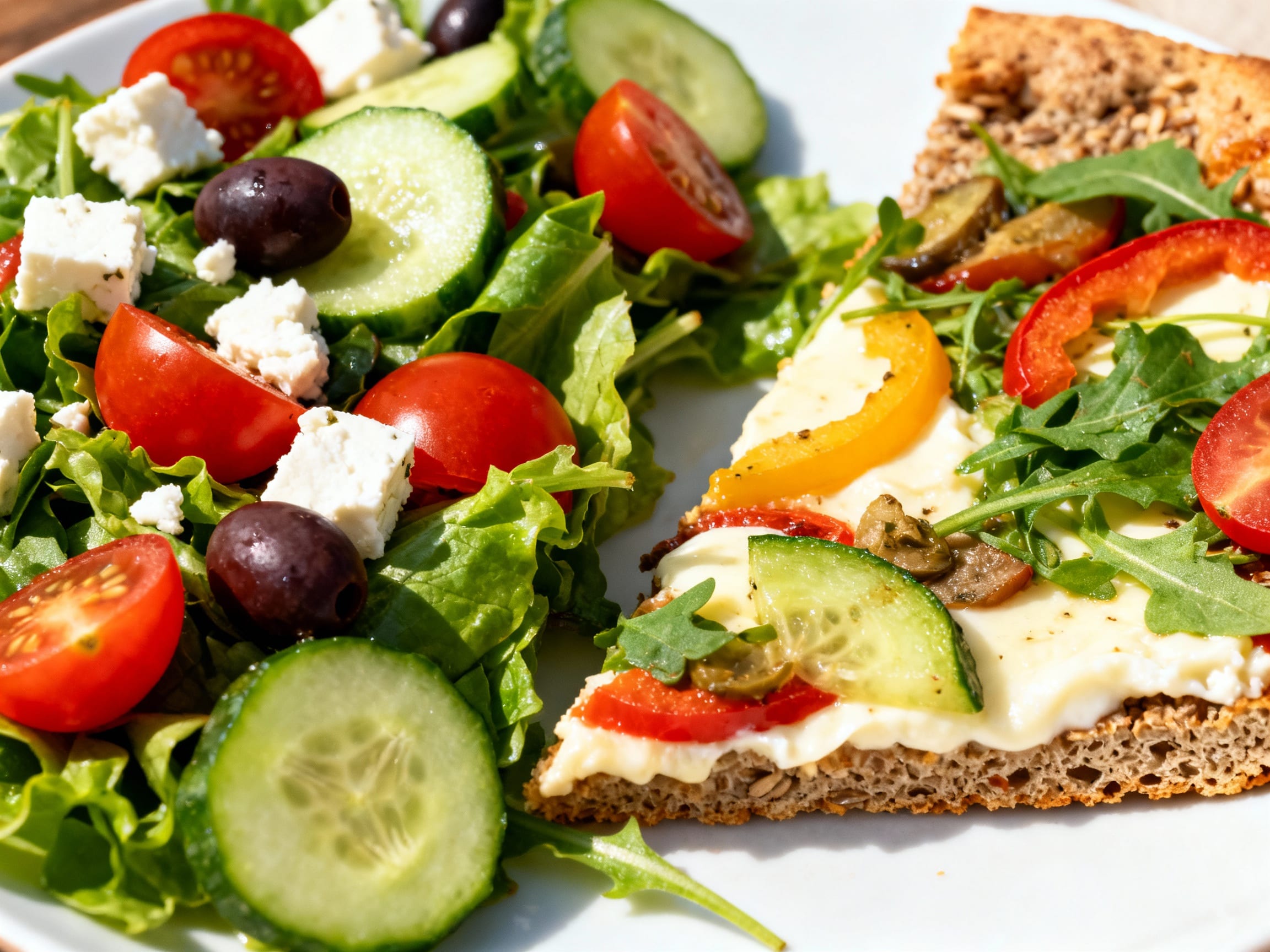
The core principles of traditional Mediterranean cuisine are indeed a blueprint for health: fresh vegetables, lean proteins, whole grains, and healthy fats like olive oil. Think grilled chicken shish tawook, hummus made from chickpeas, and vibrant tabbouleh. These dishes are often rich in fiber, vitamins, and beneficial monounsaturated fats.
However, restaurant preparations can sometimes veer off course. For instance, while olive oil is fantastic, some establishments might use excessive amounts or swap it for cheaper, less healthy seed oils (like soybean or canola oil) in cooking or dressings. Fried items, like falafel, while delicious, absorb a lot of oil and can significantly increase calorie and fat content. Even seemingly innocent sauces can be packed with hidden sugars or sodium.
Can Pizza Be a Part of a Healthy Lifestyle? (Yes, Seriously!)
For many, pizza is the ultimate comfort food, often synonymous with indulgence. But it doesn't have to be a dietary derailer. The key lies in smart customization and portion control. A classic Margherita pizza, with its simple tomato sauce, mozzarella, and basil, can be a relatively balanced meal.
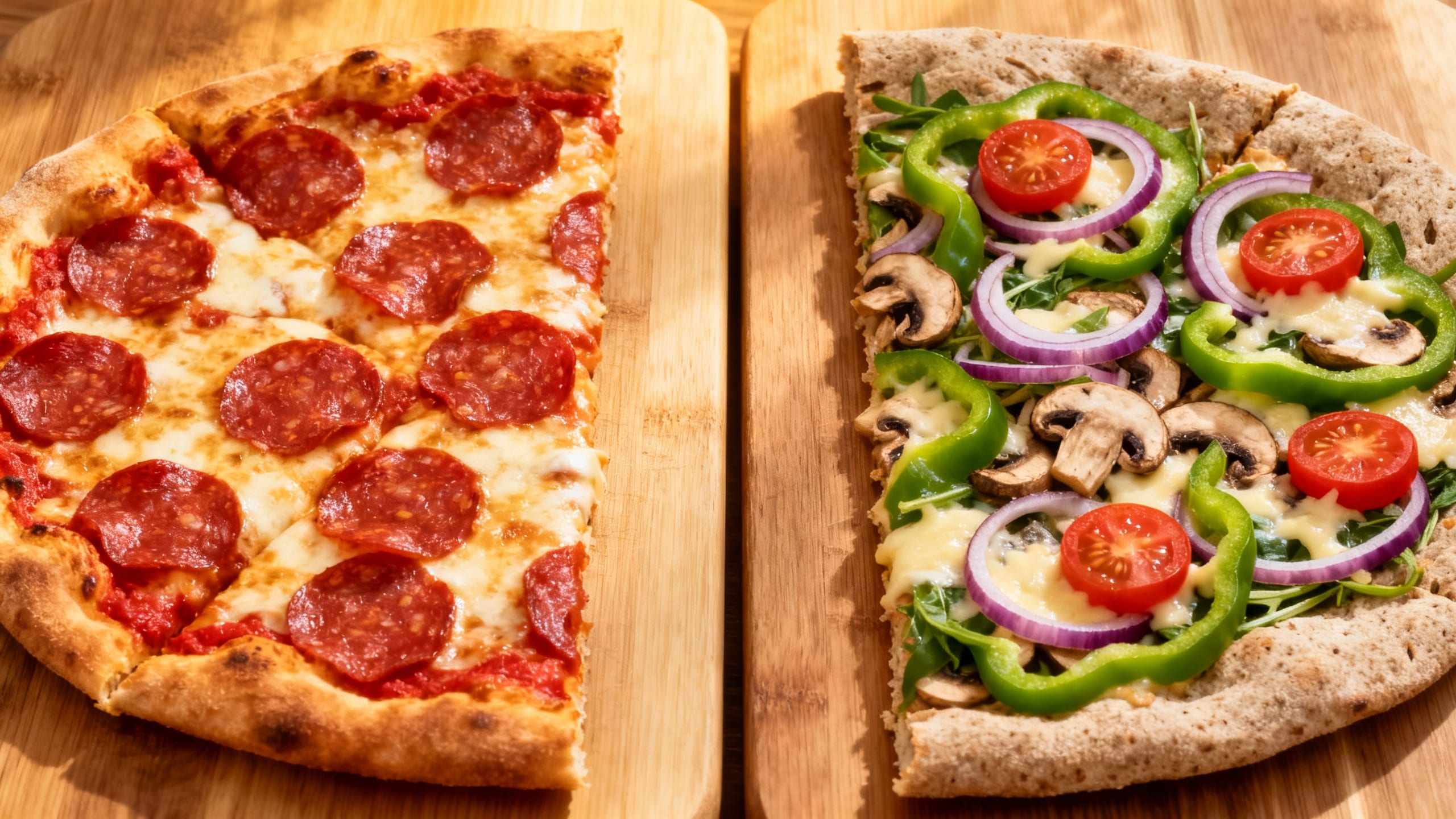
To make pizza even healthier, consider opting for whole wheat crusts to boost fiber intake. Load up on vegetable toppings like bell peppers, onions, mushrooms, and spinach. Choose leaner protein toppings such as grilled chicken instead of processed meats like pepperoni, which can be high in sodium and unhealthy fats. And remember, portion sizes matter: a single slice or two can be a satisfying meal without overdoing it.
How Do You Navigate Menus for Your Specific Health Goals?
From bustling city streets to quiet suburban centers, Mediterranean grills and pizzerias are everywhere. But how do you navigate these delicious options to align with your personal health journey? This is where reading menus critically becomes essential. Look for keywords like "grilled," "baked," or "steamed" over "fried." Don't hesitate to ask about ingredients in sauces or marinades.
This is where a smart tool like Eatibo becomes invaluable. Imagine scanning a menu description or a restaurant's online ingredient list with your phone. Eatibo instantly analyzes ingredients, flags potential allergens, and gives you an 'Eat/Limit/Skip' rating based on your personal goals – whether you're aiming for weight loss, limiting seed oils, or tracking macros. It takes the guesswork out of dining out, empowering you to make informed choices before you even order.
What's Really in Your Mediterranean or Pizza Meal? (Beyond the Obvious)
The nutritional impact of a meal often goes beyond the main ingredients. Many restaurants, in an effort to cut costs or enhance flavor, use ingredients that can undermine your health goals. Common seed oils like soybean or canola oil are prevalent in many restaurant kitchens and can contribute to inflammation. Dressings and sauces, particularly those for salads or gyros, often contain surprising amounts of sugar and sodium. Processed meats used as pizza toppings can also harbor preservatives and high sodium levels.
Always be mindful of these less obvious components. Don't be afraid to ask for dressings on the side, inquire about the cooking oils used, or request fresh vegetables instead of marinated ones if you're concerned about additives.
How Can You Track Your Intake and Stay on Track?
After enjoying a delicious meal, it can be tough to accurately recall everything you ate for your food log. This is where Eatibo shines. Simply take a picture of your plate or even a leftover piece of pizza – Eatibo scans the food, instantly telling you its calories, macros, and flags any additives or allergens. It then categorizes it as 'Eat,' 'Limit,' or 'Skip' based on your unique health profile, providing tailored guidance and simple swaps for next time. It’s like having a personal nutritionist in your pocket, making it easy to see how your Mediterranean grill or pizza choices fit into your overall weekly trends and goals.
Eat Smarter, Not Harder: Your Playbook for Enjoying Restaurant Favorites
Enjoying your favorite Mediterranean grill or pizza doesn't mean sacrificing your health goals. With a little knowledge and the right tools, you can savor every bite confidently. Here are a few actionable tips:
- Prioritize Fresh: Opt for dishes rich in fresh vegetables and lean, grilled proteins.
- Ask Questions: Don't hesitate to inquire about cooking oils, sauces, and marinades.
- Customize: Request whole wheat crusts, extra veggies, and dressings on the side.
- Practice Portion Control: Remember that even healthy foods can lead to weight gain if consumed in excess.
- Leverage Technology: Use tools like Eatibo to scan menus and your actual meals for instant nutritional insights tailored to your specific health objectives.
By adopting these strategies, you can continue to enjoy the diverse and delicious flavors of Mediterranean cuisine and pizza, all while staying on track with your personal health journey. Eat smarter, one scan at a time!
Decision framework
| What to check | Why it changes the meal | Practical next step |
|---|---|---|
| Portion, side, sauce, and drink | These often add more calories, sodium, sugar, or saturated fat than the main item | Compare the full order, not just the entree |
| Fried, creamy, or sweet add-ons | Preparation changes can move a meal from moderate to heavy quickly | Ask for sauce on the side or choose grilled, roasted, or simpler options when that fits your goal |
| Published nutrition is missing | Local recipes and serving sizes vary | Use a close estimate, log the meal, and watch repeat patterns |
| Allergy, medication, or clinician-directed diet applies | Restaurant estimates cannot guarantee safety | Follow the stricter rule and ask staff or a qualified professional when needed |
Concrete examples
- If two meals look similar, compare the full order with sides and drinks before judging.
- If the menu does not publish nutrition, log a close match and check whether that type of meal repeats during the week.
- If sodium or allergens matter, ask about sauces, marinades, and substitutions instead of relying only on the menu title.
Limits and safety notes
Restaurant nutrition is approximate and can vary by location, supplier, preparation, and portion. This guide is not allergy clearance, diabetes management, eating-disorder recovery advice, or a substitute for a clinician or registered dietitian.
Where Eatibo fits
Eatibo is useful after the menu decision gets real. You can scan a plate, barcode, or nutrition label, compare calories and macros, check sodium, added sugar, allergens, additives, and ingredients, then save the meal to your Nutrition Log. The goal is not perfect restaurant math; it is seeing whether similar meals are helping or hurting your weekly pattern.
Sources and references
- FDA: Calories on the Menu
- FDA: How to understand and use the Nutrition Facts label
- HHS/ODPHP: Current Dietary Guidelines for Americans
Frequently asked questions
Can I trust restaurant calorie numbers exactly?
Use them as estimates. Standard menu labels help, but local preparation, serving size, sauces, and substitutions can change the final meal.
What should I check first when eating out?
Start with the full order: entree, side, sauce, drink, and dessert. Then check the tradeoff that matters most for your goal, such as sodium, protein, added sugar, saturated fat, or calories.
How can Eatibo help after a restaurant meal?
Eatibo can log the actual plate and help you compare similar meals over the week, which is more useful than treating one estimate as perfect.
Related reading
- Savoring the Mediterranean: Your Guide to Delicious & Nutritious Dijon Chicken Catering
- Savoring the Mediterranean Diet: Your Guide to Healthier Grilling & Grocery Shopping
- Unlocking the Mediterranean Diet: Simple Secrets for a Healthier You
Last updated: June 1, 2026