
Mediterranean Island Secrets: Can Your Next Meal Add Years to Your Life?
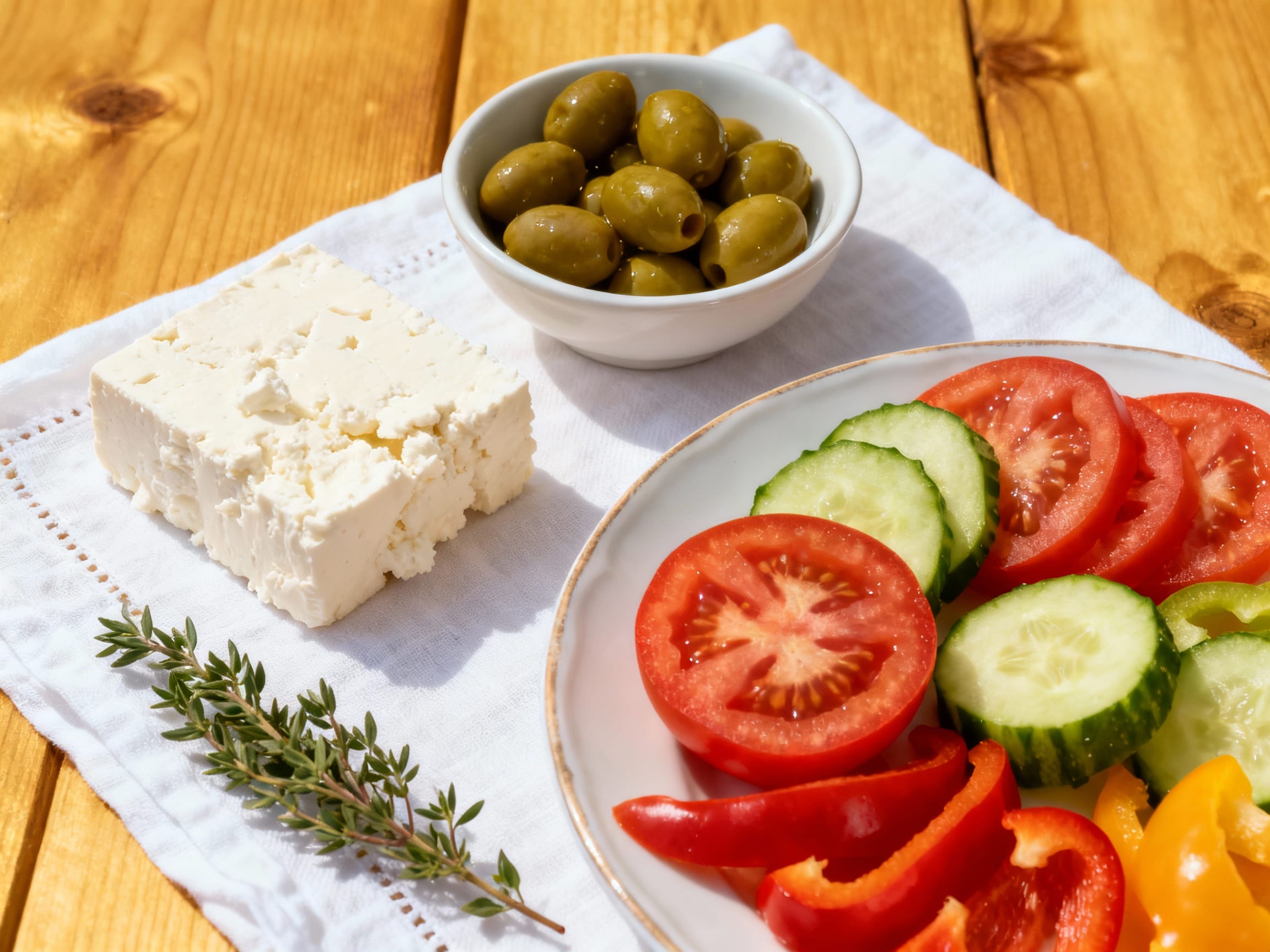
Quick answer: Mediterranean-style eating works best as a pattern, not as a magic label. Look for vegetables, beans, whole grains, olive oil, seafood, yogurt, herbs, and minimally processed foods, then still check portions, sodium, protein, fiber, and added sugar.
Key takeaways
- The Mediterranean pattern is flexible; it is not one fixed meal plan.
- Olive oil, nuts, bread, rice, pasta, cheese, and wine can fit, but portions still matter.
- Protein, fiber, sodium, and added sugar make the difference between a helpful meal and a vague wellness claim.
- Use the label, menu, or meal photo when you need a decision you can repeat.
Definition: In this guide, a smarter Mediterranean food decision means checking the actual dish, the practical nutrition tradeoffs, personal limits, and the repeat pattern before treating a cuisine label as a health guarantee.
Imagine waking up to the scent of fresh herbs and olive oil, the turquoise sea stretching before you. This isn't just a vacation fantasy; it's the recipe for a longer, healthier life on the Mediterranean islands. For centuries, islanders have held a secret to vibrant health within their kitchens – a secret that's now more accessible than ever, even if you're thousands of miles from the Aegean. We all crave delicious food, but what if every bite could also contribute to your well-being? On these sun-drenched islands, 'healthy eating' isn't a chore, it's a way of life.
What if Your Next Meal Could Add Years to Your Life?
For many people, the idea of eating for longevity sounds like a strict, joyless regimen. However, on islands like Ikaria, Greece, and Sardinia, Italy – famously known as "Blue Zones" – enjoying delicious food is central to their remarkably long lifespans. These communities boast a high concentration of centenarians, people living to 100 years or more, often in good health. Their secret isn't just good genes; it's deeply rooted in their daily meals and lifestyle.
Why Do Islanders Seem to Live Longer, Healthier Lives?
The answer lies in a combination of factors, but diet plays a starring role. The traditional Mediterranean diet is characterized by a high intake of fruits, vegetables, whole grains, legumes, and nuts. Olive oil serves as the primary source of fat, while fish and poultry are consumed in moderation, and red meat is limited. This dietary pattern is naturally rich in fiber, antioxidants, and healthy monounsaturated fats. For example, traditional Sardinian diets historically focused on whole grains, legumes, vegetables, and lean meats, with wine consumed moderately. Ikarians similarly thrived on wild greens, vegetables, fruits, legumes, and small amounts of fish and goat milk products.
These dietary choices translate to significant health benefits. Studies consistently link the Mediterranean diet to a reduced risk of cardiovascular diseases, type 2 diabetes, and certain cancers. Its emphasis on whole, unprocessed foods contributes to better blood sugar control, improved cholesterol levels, and reduced inflammation throughout the body.
How can you truly know you’re eating like an islander without being there? This is where modern tools can help. Eatibo can instantly scan any meal – whether it's a homemade Greek salad or a nutrition label for local feta – to break down its macros, ingredients, and even flag potential allergens or seed oils. This technology helps you build your own "Blue Zone" plate, allowing you to understand the nutritional profile of your food and make informed choices, no matter where you are.
Are These Island Secrets Just for Vacationers, or Can Anyone Eat This Way?
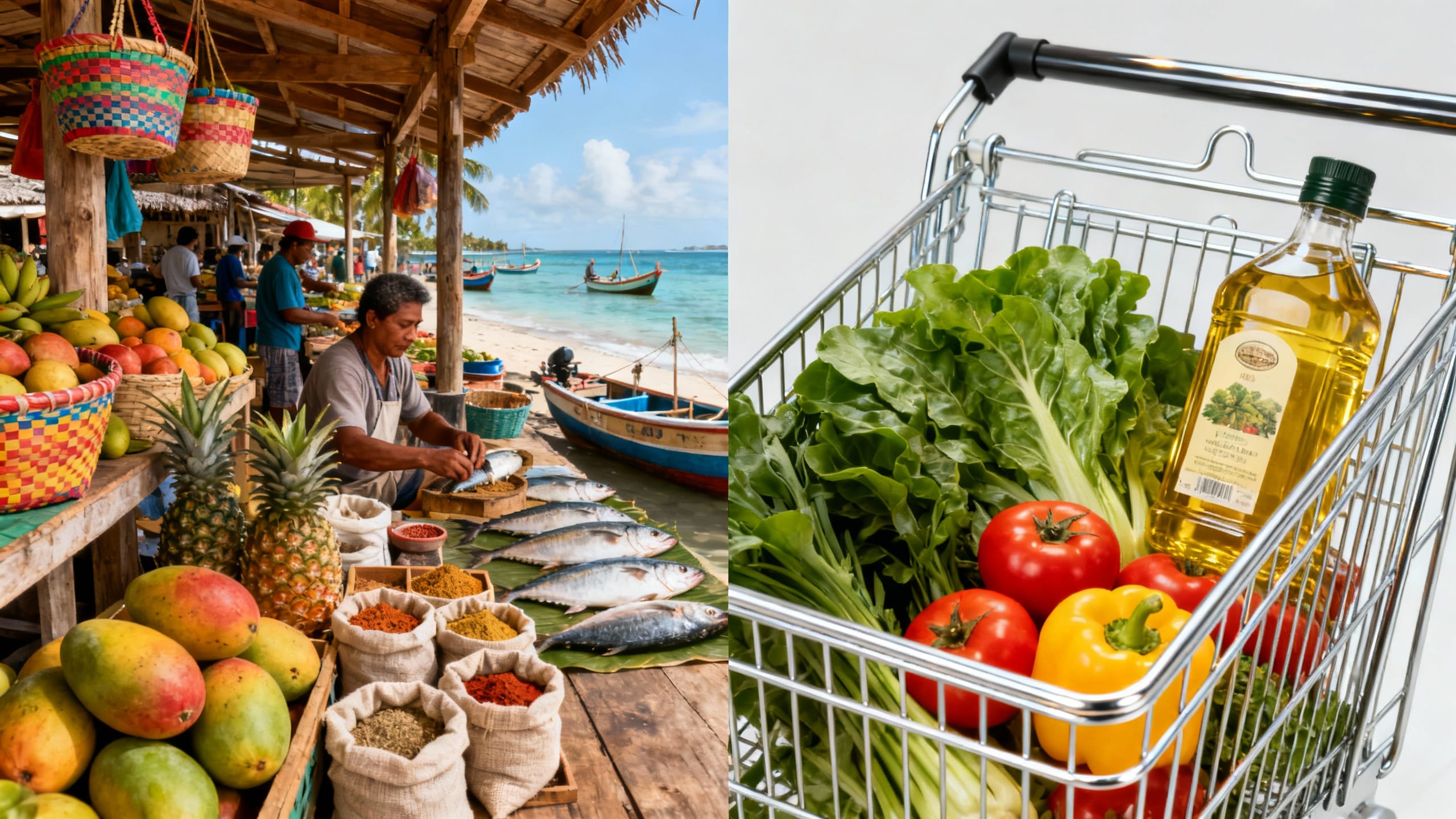
Fortunately, you don't need to move to a Mediterranean island to adopt their healthy eating habits. The core principles of the island diet are highly adaptable. It's less about specific exotic ingredients and more about a dietary philosophy: prioritize fresh, seasonal, whole foods, healthy fats, and limit processed items. You can easily swap out specific island vegetables for local seasonal produce and find sustainable fish options in your area. For instance, if you can't find specific Greek greens, spinach or kale work beautifully.
Beyond the Plate: What Else Drives Island Well-being?
While food is foundational, the longevity of Mediterranean islanders is also nurtured by a holistic lifestyle. Daily physical activity, often integrated naturally into their routines through walking, gardening, or farming, keeps them active without needing a gym. Strong social ties, a sense of community, and sharing meals with loved ones are also crucial. They tend to have a slower pace of life, which inherently reduces stress—another key factor in overall well-being.
Ready to Bring the Mediterranean to Your Kitchen?
Adopting new eating patterns can feel overwhelming, but Eatibo simplifies the journey. Its smart nutrition coach can help set goals like "low-sugar" or "seed-oil-free" to align with an islander's diet, offering simple swaps and tracking your progress week-to-week. This way, you can truly eat smarter, one scan at a time, making the transition to a healthier, more vibrant diet much easier.
Here are some practical steps to start incorporating Mediterranean island eating habits into your daily life:
- Start with one Mediterranean-inspired meal per day. Lunch or dinner is a great place to begin.
- Prioritize fresh produce, whole grains, and healthy fats. Fill your plate with colorful vegetables and fruits.
- Swap red meat for fish or legumes more often. Aim for fish a couple of times a week, and incorporate lentils, chickpeas, or beans into several meals.
- Cook at home more frequently. This gives you control over ingredients and preparation methods.
- Embrace olive oil as your primary fat. Use it for cooking, dressings, and even drizzling over finished dishes.
- Connect with food and share meals with others. Make eating a social and mindful experience.
Decision framework
| What to check | Why it changes the answer | Practical next step |
|---|---|---|
| Plant foods, legumes, whole grains, seafood, olive oil | These are the pattern's useful anchors | Build the plate around these before adding extras |
| Bread, pasta, rice, cheese, nuts, oil, or wine | Mediterranean foods can still be calorie-dense | Keep the portion visible instead of assuming the label makes it healthy |
| Sodium, added sugar, and saturated fat | Packaged and restaurant versions vary widely | Check labels, sauces, and sides separately |
| Medical or allergy boundary | A cuisine pattern is not personalized care | Follow clinician-directed limits first |
Concrete examples
- If a meal has vegetables, beans, olive oil, and fish, it may fit the pattern even without a perfect label.
- If a restaurant dish is mostly bread, cheese, creamy sauce, or fried sides, check the portion before assuming it is light.
- If you repeat the same Mediterranean meal weekly, log it once and adjust from your own trend.
Limits and safety notes
Mediterranean-style eating is a general pattern, not a medical prescription. For diagnosed conditions, pregnancy, kidney disease, diabetes medication, severe allergies, eating-disorder recovery, or clinician-directed diets, get qualified guidance before changing your routine.
Where Eatibo fits
Eatibo can turn a broad Mediterranean idea into a specific food decision. Scan the meal, menu, barcode, nutrition label, or ingredient list, then compare calories, macros, sodium, added sugar, allergens, additives, and weekly Nutrition Log patterns.
Sources and references
- American Heart Association: What is the Mediterranean Diet?
- HHS/ODPHP: Current Dietary Guidelines for Americans
- USDA/FNS: Dietary Guidelines for Americans
Frequently asked questions
Is Mediterranean food always healthy?
No. The pattern can be very useful, but portions, sodium, refined grains, cheese, alcohol, sauces, and sweets still matter.
What should I look for first?
Look for vegetables, beans, whole grains, olive oil, fish or lean protein, and minimally processed foods. Then check sodium, added sugar, protein, fiber, and serving size.
Where does Eatibo help?
Eatibo helps when you need to scan a real meal, menu, barcode, label, or ingredient list and compare it against your weekly pattern.
Related reading
- Savoring Summer: Your Guide to a Mediterranean-Inspired Glow
- Unlocking the Mediterranean Diet: Key Ingredients for a Longer, Healthier Life
- Savoring Health – The Mediterranean Diet Decoded
Last updated: June 1, 2026