
The Mediterranean Lentil Salad: Your Secret Weapon for a Healthy, Delicious Meal

Quick answer: A recipe is only useful if the serving size is honest. Check how much oil, salt, sauce, cheese, grain, starch, or protein is in your portion, then decide whether the meal fits your calorie, macro, sodium, fiber, or ingredient goal.
Key takeaways
- Recipe names can sound healthy while oil, salt, cheese, sauces, or portions drive the numbers.
- Serving size, protein, fiber, and sodium are usually more useful than a broad diet label.
- Ingredient swaps work best when they protect flavor and the reason you wanted the dish.
- Log the cooked portion once so future versions are easier to estimate.
Definition: In this guide, a smarter recipe decision means checking the real portion, the main nutrition drivers, personal limits, and the repeat pattern before turning a dish into a default.
Are you tired of healthy meals that taste bland or leave you hungry an hour later? Many Americans struggle with diet-related chronic conditions like heart disease, type 2 diabetes, and certain cancers, often feeling overwhelmed by finding both healthy and exciting meal options. Imagine a vibrant, satisfying salad that bursts with flavor and actually fuels your body for hours. That's the magic of a Mediterranean lentil salad.
What Makes the Mediterranean Diet So Special, Anyway?
So, why is everyone talking about the Mediterranean diet, and what are its core benefits? This eating pattern isn't just a fleeting trend; it's a lifestyle rooted in the traditional eating habits of countries bordering the Mediterranean Sea. It emphasizes whole foods like fruits, vegetables, whole grains, legumes, nuts, and healthy fats, especially olive oil, while limiting processed foods and red meat. Research consistently links the Mediterranean diet to improved cardiovascular health, reduced inflammation, better blood sugar control, and increased longevity. It’s about nourishing your body with delicious, unrefined ingredients.
Why Lentils? The Tiny Powerhouses You Need in Your Life.
And what about lentils? Why are these humble legumes perfect for this salad and your diet in general? Lentils are true nutritional powerhouses, packed with protein, fiber, iron, and folate. For example, just one cup of cooked lentils can provide about 18 grams of protein and 16 grams of fiber, making them incredibly filling and excellent for digestive health and blood sugar management. They're an outstanding plant-based protein source, offering a fantastic alternative or complement to meat.
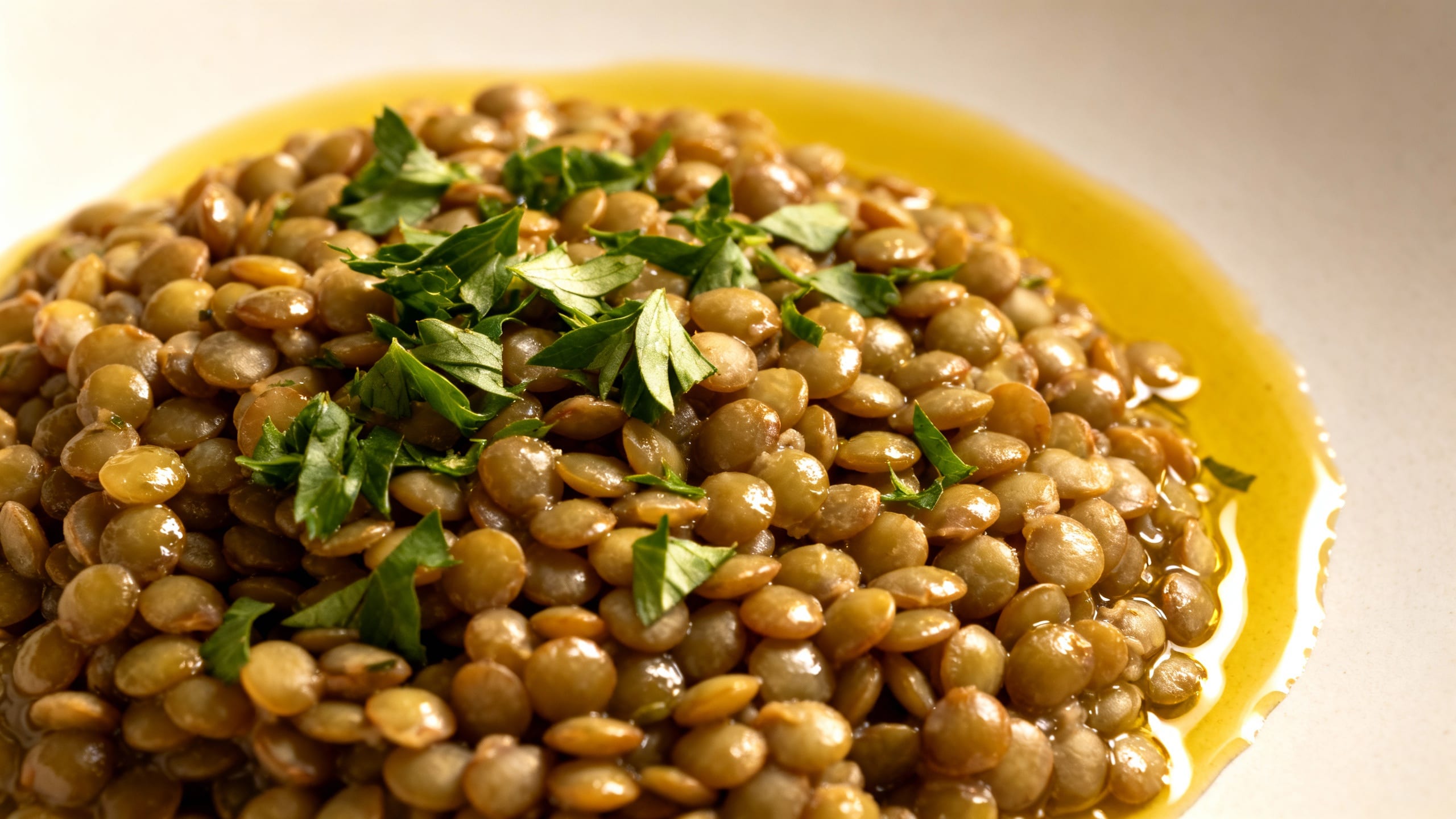
Building Your Best Mediterranean Lentil Salad: Ingredients & Tips
Ready to create your own masterpiece? A great Mediterranean lentil salad starts with a few key components, allowing for endless customization.
- Base: Cooked lentils are your foundation. Green, brown, or French Puy lentils work beautifully – just ensure they're cooked until tender but still hold their shape.
- Veggies: Think fresh and crisp! Diced cucumber, juicy cherry tomatoes, thinly sliced red onion (soak it in cold water for 10 minutes to mellow its bite), colorful bell peppers, and briny Kalamata olives are classic choices. You can also toss in some fresh spinach or arugula for extra greens.
- Herbs: This is where the Mediterranean vibrance truly shines. Generous amounts of fresh parsley, mint, and dill elevate the flavor profile dramatically. A pinch of dried oregano can also add depth.
- Dressing: Keep it simple and bright. A good quality extra virgin olive oil, fresh lemon juice, a splash of red wine vinegar, minced garlic, and a pinch of salt and black pepper are all you need.
- Optional Add-ins: For an extra layer of flavor and texture, consider crumbled feta cheese (if you eat dairy), chickpeas for more protein, roasted vegetables like zucchini or eggplant, or even grilled chicken or fish for a heartier meal.
Ever wondered about the exact macros of those Kalamata olives or if your chosen feta fits your low-sugar goal? This is where an AI-powered tool like Eatibo comes in. Just point your camera at the ingredients you're considering, and get instant insights into calories, macros, and even potential allergens, helping you build your perfect, personalized salad with confidence.
How Do I Meal Prep This Masterpiece (Without It Getting Soggy)?
Meal prepping is a game-changer for healthy eating, and this salad is perfect for it – with a few tricks to avoid sogginess. The key is to store your ingredients separately and combine them just before you're ready to eat.
- Cook your lentils in advance and store them in an airtight container for up to 4-5 days.
- Chop your non-leafy vegetables (cucumber, tomatoes, peppers, onions) and store them in a separate container.
- Wash and chop your fresh herbs, keeping them dry and separate.
- Prepare your dressing and store it in a small jar.
- When it's time for lunch or dinner, simply combine your desired portions of lentils, veggies, herbs, and dressing. If using leafy greens like spinach, add them right before serving.
Beyond the Bowl: How This Salad Fits Your Health Goals
This versatile Mediterranean lentil salad can effortlessly support a variety of dietary needs and health goals. Its high fiber and protein content contribute significantly to weight management by keeping you feeling full and satisfied, reducing the urge to snack. For those focusing on muscle gain, the plant-based protein in lentils provides essential building blocks. It’s also naturally low in sugar, making it an excellent choice for individuals managing blood sugar levels or following low-sugar diets.
Knowing how a meal like this impacts your unique health journey is crucial. With Eatibo, you don't just eat smarter; you track smarter. Log your Mediterranean lentil salad with a quick scan, see it instantly reflected in your clean food log, and watch your weekly trends to understand how your choices are moving you towards your muscle gain, weight loss, or seed-oil-free goals.
Ready to Transform Your Plate?
The Mediterranean lentil salad is more than just a meal; it's a testament to how simple, whole ingredients can come together to create something incredibly delicious and profoundly nourishing.
- Start with quality, fresh ingredients. The better your produce, the better your salad will taste.
- Don't be afraid to experiment with herbs and spices. Fresh herbs are non-negotiable for authentic Mediterranean flavor.
- Make it a staple for easy, healthy meals. It's perfect for lunch, a light dinner, or as a side dish.
- Embrace the Mediterranean lifestyle, one delicious bowl at a time.
Decision framework
| What to check | Why it changes the dish | Practical next step |
|---|---|---|
| Serving size | Recipe nutrition changes fast when the portion doubles | Log the cooked portion you actually eat |
| Oil, cheese, sauce, nuts, or starch | These ingredients can drive calories, sodium, or saturated fat | Measure once, then adjust future versions by feel |
| Protein and fiber | They affect fullness more than the recipe name does | Add beans, yogurt, fish, eggs, lean meat, or vegetables when useful |
| Personal restriction applies | General recipes do not know allergies, medications, or clinician rules | Use verified substitutions and professional guidance where needed |
Concrete examples
- If a dish feels healthy but uses several tablespoons of oil, measure once so the estimate is not fantasy.
- If you want more fullness, increase protein or fiber before cutting flavor.
- If a recipe becomes a weekly default, save the logged version so the next meal takes less work.
Limits and safety notes
Recipe guidance is approximate because ingredient brands, cooking methods, and portions vary. This guide is not allergy clearance, medication advice, eating-disorder recovery guidance, or a substitute for a clinician or registered dietitian.
Where Eatibo fits
Eatibo helps when a recipe becomes something you actually eat. Scan ingredients or a plate photo, check calories, macros, sodium, added sugar, allergens, and additives, then save the meal to your Nutrition Log so repeat versions are easier to compare.
Sources and references
- HHS/ODPHP: Current Dietary Guidelines for Americans
- USDA/FNS: Dietary Guidelines for Americans
- FDA: How to understand and use the Nutrition Facts label
Frequently asked questions
Is this recipe automatically healthy?
No. The answer depends on serving size, ingredients, oil, salt, sauce, protein, fiber, and how often you eat it.
What should I adjust first?
Adjust the biggest driver first: portion size, oil, sauce, cheese, starch, sodium, protein, or fiber. Small swaps work better when they keep the dish enjoyable.
How can Eatibo help with recipes?
Eatibo can scan ingredients or the finished plate, then save the estimate so repeat versions are easier to compare.
Related reading
- Unlocking Flavor: The Mediterranean Sauces You Need in Your Life
- Savoring the Mediterranean Taste – More Than Just a Diet
- Saffron-Kissed Secrets: Unpacking the Mediterranean Yellow Rice Phenomenon
Last updated: June 1, 2026