
Unlocking Flavor: The Mediterranean Sauces You Need in Your Life
Quick answer: A recipe is only useful if the serving size is honest. Check how much oil, salt, sauce, cheese, grain, starch, or protein is in your portion, then decide whether the meal fits your calorie, macro, sodium, fiber, or ingredient goal.
Key takeaways
- Recipe names can sound healthy while oil, salt, cheese, sauces, or portions drive the numbers.
- Serving size, protein, fiber, and sodium are usually more useful than a broad diet label.
- Ingredient swaps work best when they protect flavor and the reason you wanted the dish.
- Log the cooked portion once so future versions are easier to estimate.
Definition: In this guide, a smarter recipe decision means checking the real portion, the main nutrition drivers, personal limits, and the repeat pattern before turning a dish into a default.
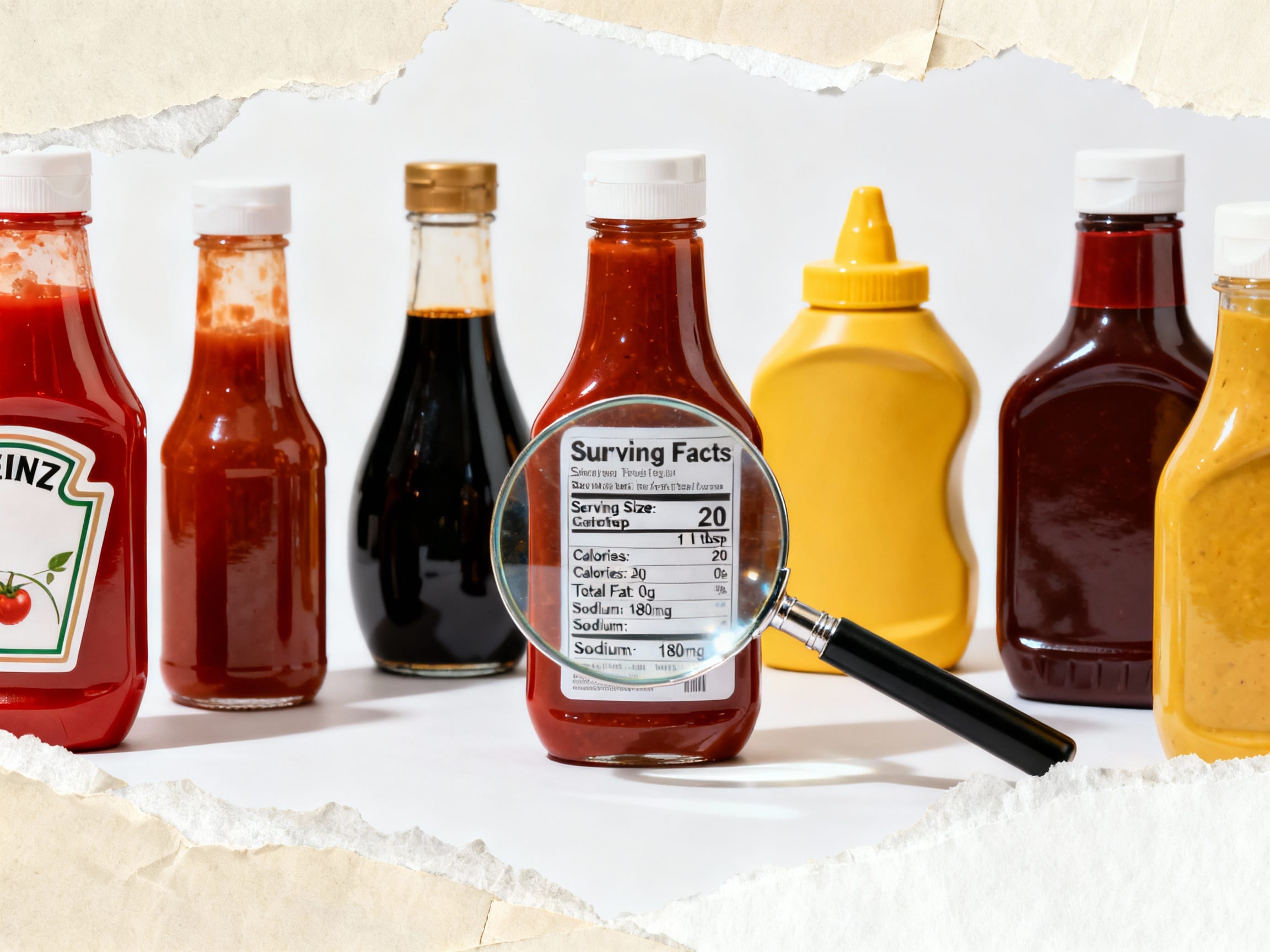
You’re trying to eat better, you’ve swapped out processed foods, but what about the hidden culprits lurking in your pantry? It’s a common scenario: you pick up a bottle of sauce, thinking it’ll add flavor to your healthy meal, only to find a long list of ingredients that sound more like a chemistry experiment than food.
The Hidden Culprits in Your Kitchen?
Why can store-bought sauces be a diet minefield, even when you're trying to eat healthy? Many popular store-bought sauces, even those marketed as "healthy," are secretly packed with excessive sugar, unhealthy seed oils (like soybean, canola, or sunflower), and artificial additives. These can quietly sabotage your health goals, making it hard to stick to a clean eating plan.
For instance, some conventional marinara sauces, salad dressings, and BBQ sauces can contain surprising amounts of added sugars and sodium, turning what should be a simple flavor enhancer into a nutritional challenge. It’s tough to keep track of everything on a label. This is where a tool like Eatibo comes in handy. You can quickly scan nutrition labels to uncover hidden ingredients in any sauce, instantly seeing "Eat/Limit/Skip" ratings for additives, sugar, or unhealthy fats. Just point your camera, and Eatibo tells you what's really inside, simplifying your grocery decisions.
What Makes a Sauce "Mediterranean" – And Why Does it Matter?
What defines a Mediterranean sauce, and what are its core health benefits? At its heart, the Mediterranean diet emphasizes fresh, whole ingredients, healthy fats, and a rich array of herbs and spices. This philosophy naturally extends to its sauces, which are built on staples like extra virgin olive oil, ripe tomatoes, fresh garlic, and aromatic herbs.
These sauces aren't just delicious; they are nutritional powerhouses. Extra virgin olive oil, a cornerstone, is rich in monounsaturated fatty acids and antioxidants, which are known to benefit heart health and reduce inflammation. Ingredients like tomatoes provide lycopene, while garlic and herbs contribute numerous health-promoting compounds. The Mediterranean diet as a whole is consistently linked to benefits like a reduced risk of cardiovascular diseases, lower inflammation, and even increased longevity.
Which Mediterranean Sauces Should I Keep on Hand?
What are some versatile and healthy Mediterranean sauces I can easily incorporate into my cooking? Beyond traditional marinara, a world of vibrant flavors awaits.
- Authentic Pesto: Made with fresh basil, pine nuts, Parmesan cheese, garlic, and extra virgin olive oil, pesto is rich in healthy fats and antioxidants. It's fantastic on pasta, sandwiches, or as a spread.
- Tahini Dressing: A creamy, nutty sauce made from ground sesame seeds, lemon juice, garlic, and water. Tahini is a good source of healthy fats, protein, and minerals. Drizzle it over salads, roasted vegetables, or falafel.
- Tzatziki: This refreshing Greek sauce combines strained yogurt with cucumber, garlic, dill, and a touch of olive oil. It's packed with probiotics for gut health and makes a great dip or topping for grilled meats and veggies.
- Romesco: A Spanish sauce featuring roasted red peppers, tomatoes, garlic, nuts (almonds or hazelnuts), and olive oil. Romesco is smoky, savory, and perfect with fish, poultry, or as a dip for crusty bread.
Can I Make Them Myself, or Are There Healthy Store-Bought Options?
How easy is it to make these sauces, and what should I look for if buying them pre-made? Making Mediterranean sauces at home is surprisingly simple and allows for complete control over ingredients, ensuring maximum freshness and nutritional value. Many recipes are quick to assemble, requiring minimal cooking.
If you opt for store-bought, be a savvy shopper. Look for sauces with short ingredient lists. Prioritize those made with extra virgin olive oil, no added sugar, and minimal preservatives. Crucially, check for the absence of unhealthy seed oils. Eatibo can be your secret weapon here. It helps shoppers quickly evaluate store-bought sauces against personalized goals, like identifying "seed-oil-free" or "low-sugar" options on the fly. Eatibo's instant scan and custom goal tracking make finding the right sauces effortless, helping you make informed choices that align with your health journey.
How Can These Sauces Transform My Meals?
What are practical ways to use these sauces to elevate everyday dishes? Mediterranean sauces are incredibly versatile.
- Marinades: Use a lemon-herb sauce or a thinned pesto to marinate chicken, fish, or vegetables before grilling or roasting.
- Dips: Tzatziki, romesco, and tahini dressing make excellent dips for raw vegetables, pita bread, or crackers.
- Pasta Sauces: Classic marinara or pesto can instantly transform a simple pasta dish.
- Sandwich Spreads: Swap out mayonnaise for a dollop of hummus or a spread of romesco for a healthier, more flavorful sandwich.
- Salad Dressings: Whisk together olive oil, lemon juice, herbs, and a touch of garlic for a fresh, vibrant dressing.
Eat Smarter, One Sauce at a Time.
Embracing Mediterranean sauces is a delicious way to boost your health without sacrificing flavor. Whether you experiment with homemade versions or carefully select store-bought options, these vibrant additions can transform your meals. Remember, eating well doesn't mean bland food; it means discovering better flavor. Use tools like Eatibo to make informed choices, track your progress, and confidently navigate the grocery aisles. Your taste buds and your body will thank you!
Decision framework
| What to check | Why it changes the dish | Practical next step |
|---|---|---|
| Serving size | Recipe nutrition changes fast when the portion doubles | Log the cooked portion you actually eat |
| Oil, cheese, sauce, nuts, or starch | These ingredients can drive calories, sodium, or saturated fat | Measure once, then adjust future versions by feel |
| Protein and fiber | They affect fullness more than the recipe name does | Add beans, yogurt, fish, eggs, lean meat, or vegetables when useful |
| Personal restriction applies | General recipes do not know allergies, medications, or clinician rules | Use verified substitutions and professional guidance where needed |
Concrete examples
- If a dish feels healthy but uses several tablespoons of oil, measure once so the estimate is not fantasy.
- If you want more fullness, increase protein or fiber before cutting flavor.
- If a recipe becomes a weekly default, save the logged version so the next meal takes less work.
Limits and safety notes
Recipe guidance is approximate because ingredient brands, cooking methods, and portions vary. This guide is not allergy clearance, medication advice, eating-disorder recovery guidance, or a substitute for a clinician or registered dietitian.
Where Eatibo fits
Eatibo helps when a recipe becomes something you actually eat. Scan ingredients or a plate photo, check calories, macros, sodium, added sugar, allergens, and additives, then save the meal to your Nutrition Log so repeat versions are easier to compare.
Sources and references
- HHS/ODPHP: Current Dietary Guidelines for Americans
- USDA/FNS: Dietary Guidelines for Americans
- FDA: How to understand and use the Nutrition Facts label
Frequently asked questions
Is this recipe automatically healthy?
No. The answer depends on serving size, ingredients, oil, salt, sauce, protein, fiber, and how often you eat it.
What should I adjust first?
Adjust the biggest driver first: portion size, oil, sauce, cheese, starch, sodium, protein, or fiber. Small swaps work better when they keep the dish enjoyable.
How can Eatibo help with recipes?
Eatibo can scan ingredients or the finished plate, then save the estimate so repeat versions are easier to compare.
Related reading
- Savoring Health Decoding Mediterranean Sauces with Eatibo
- Savoring the Mediterranean Taste – More Than Just a Diet
- Saffron-Kissed Secrets: Unpacking the Mediterranean Yellow Rice Phenomenon
Last updated: June 1, 2026