
Unpacking Ritz Crackers: More Than Just a Cracker?
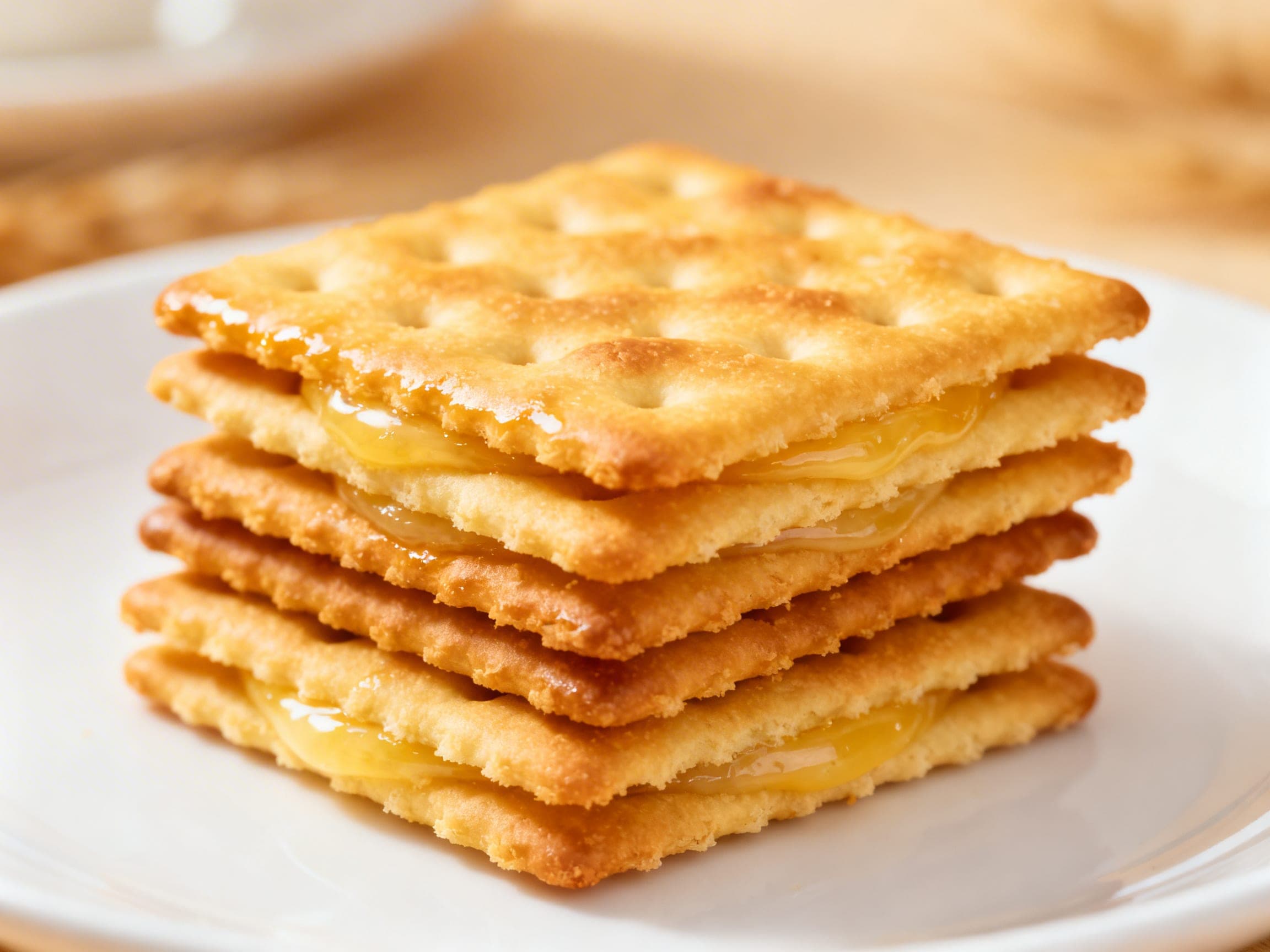
We've all been there: reaching for that classic, buttery cracker, perhaps while watching a movie or as a quick snack. Ritz crackers have been a pantry staple for generations, synonymous with comfort and convenience. But as we become more mindful of what we eat, a simple question often pops up: what are we really snacking on?
Understanding the nutritional breakdown of even seemingly innocent foods like a Ritz cracker can empower you to make better choices for your health goals. It's not about banning foods, but about being informed.
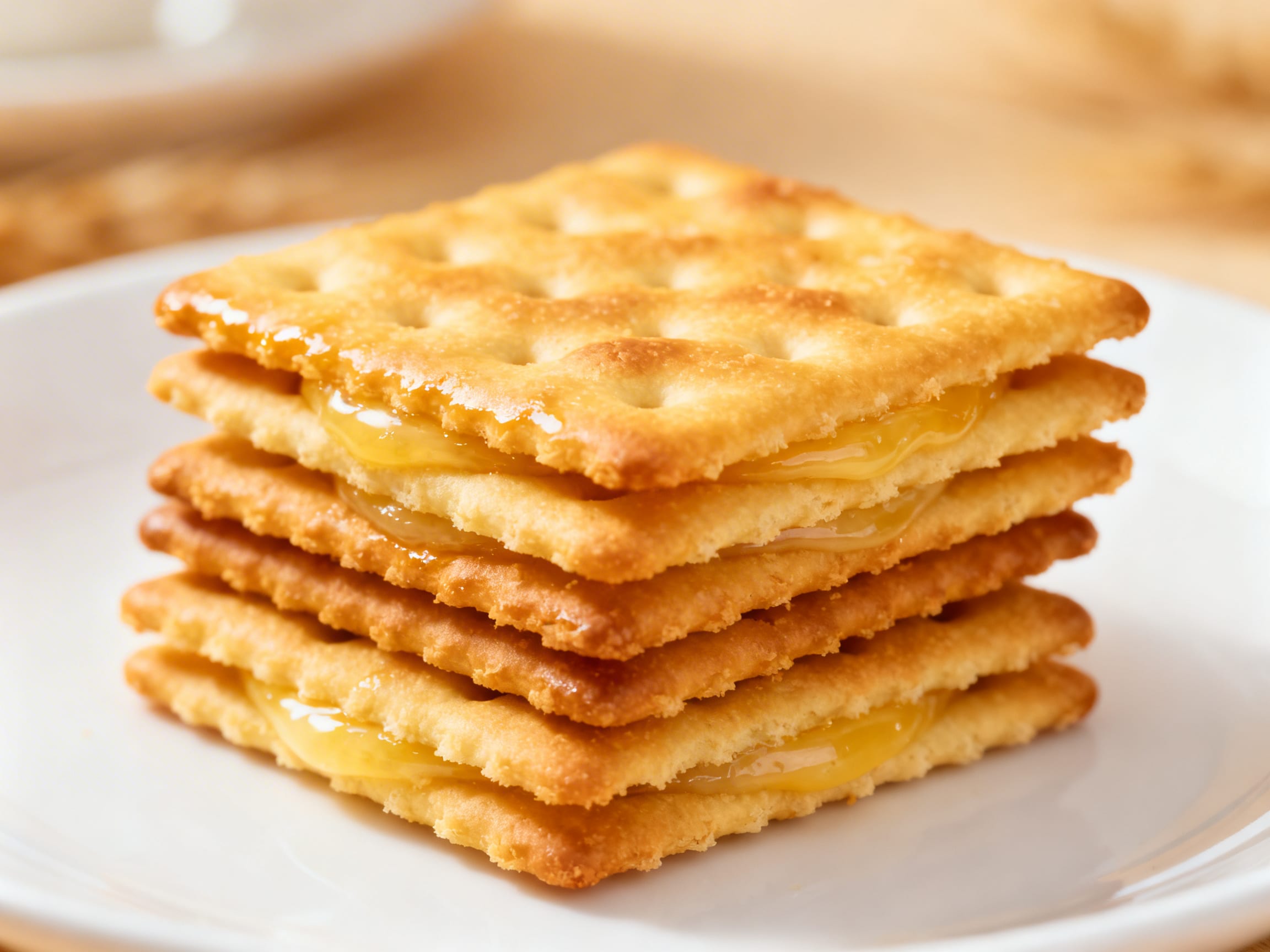
So, How Many Calories Are in a Single Ritz Cracker?
Let's cut right to the chase, because this is often the first thing people wonder. A single original Ritz cracker typically contains about 16-17 calories. While that might sound small, keep in mind that the standard serving size is usually listed as 5 crackers, which would bring you to around 80-85 calories.
Serving sizes can be tricky, right? How many of us stop at just five? It's easy for those numbers to add up quickly without us even realizing it. Ever wonder how quickly you can find this out for anything? Instead of squinting at tiny labels, tools like Eatibo let you point your camera at a Ritz box and get instant calorie and macro info, making it easy to know exactly what you're eating.
Beyond Calories: What Else Is Hiding in Those Crumbly Bites?
While calories are a good starting point, they don't tell the whole story. A serving of 5 Ritz crackers (around 80-85 calories) typically provides:
- Carbohydrates: Roughly 10-11 grams, mostly from enriched flour, which means they're primarily refined carbohydrates.
- Fats: About 4-5 grams, with a mix of saturated and unsaturated fats, often from vegetable oils like canola or palm oil.
- Protein: A minimal amount, usually less than 1 gram.
- Sodium: Around 100-110 mg, which can contribute to your daily intake, especially if you're watching your salt.
- Fiber: Very little, often less than 1 gram, meaning they aren't contributing much to your daily fiber goals.
Common ingredients also include sugar, which adds to the carbohydrate count, and sometimes high fructose corn syrup in certain varieties. These ingredients, particularly refined flours and certain oils, are important to consider for those with specific dietary sensitivities or goals.
Are Ritz Crackers Actually "Good" or "Bad" for You?
The truth is, no food is inherently "good" or "bad" in isolation. It's all about context, portion sizes, and your overall dietary pattern. Ritz crackers, being relatively low in fiber and protein and higher in refined carbohydrates and certain fats, can be considered "empty calories" if consumed frequently and in large quantities without balance. This means they provide energy but not a lot of essential micronutrients.
For someone looking to lose weight, frequent snacking on crackers can make calorie goals harder to meet. For those trying to adhere to specific dietary plans like seed-oil-free or low-sugar, knowing more than just calories is crucial. An app like Eatibo not only gives you the full ingredient breakdown but also flags additives and can even rate foods as 'Eat,' 'Limit,' or 'Skip' based on your personal goals, helping you decide if Ritz fits your plan.
Compared to a whole-grain cracker, Ritz crackers generally offer less fiber and more refined ingredients. This doesn't mean you can never enjoy them, but understanding their nutritional profile helps you balance them with more nutrient-dense options.
How Can You Enjoy Crackers Smarter?
If you love Ritz crackers, there's no need to eliminate them entirely. Here are some ways to enjoy them more mindfully:
- Practice Portion Control: Stick to the suggested serving size, or even fewer, and truly savor each bite.
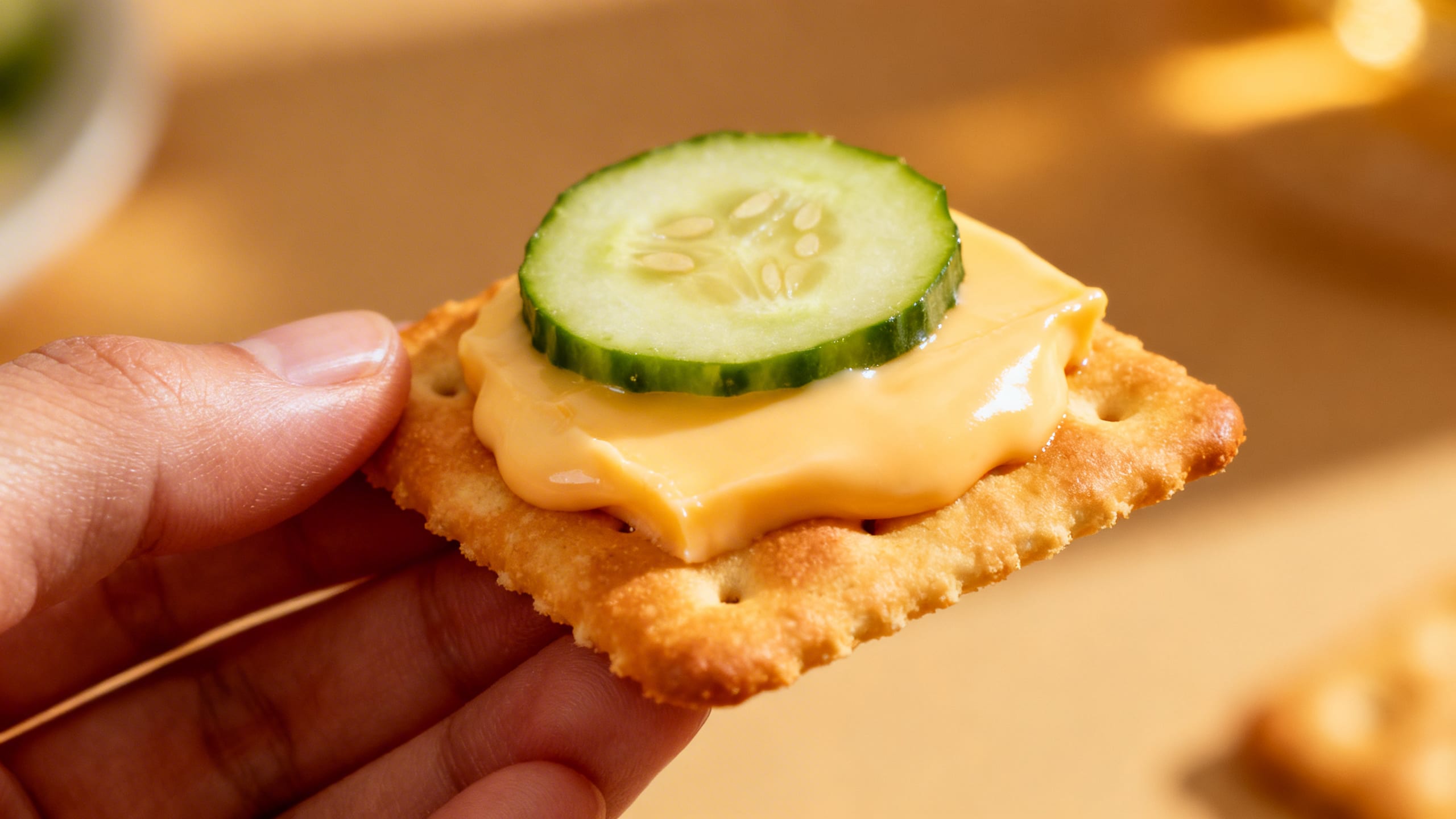
- Pair with Protein and Fiber: Combine Ritz crackers with nutrient-rich foods to make your snack more satisfying and balanced. Think a slice of cheese, a dollop of hummus, or some avocado. This adds protein, healthy fats, and fiber, helping you feel fuller longer.
- Mindful Eating: Pay attention to your body's hunger cues. Are you truly hungry, or just bored?
- Occasional Treat: View them as an occasional treat rather than an everyday staple.
Making Every Snack Choice an Informed One
Whether it's a Ritz cracker, a bag of chips, or a piece of fruit, every food choice contributes to your overall health and well-being. The key is knowledge. Looking beyond just the calorie count and understanding the full nutritional picture – including macros, ingredients, and additives – empowers you to make decisions that align with your personal health goals.
Next time you reach for a snack, take a moment to understand what's in it. This awareness is the first step toward achieving your health and nutrition goals. Whether you're tracking manually or using smart tools like Eatibo to simplify complex nutrition data, every informed choice moves you closer to a healthier you.
Leave A Reply
Login to post your comment or signup if you dont have any account