
Cracking the Code: How Many Calories Are Really in Your Ritz Crackers? (And Why It Matters More Than You Think)
Quick answer: Do not stop at the headline calorie or macro number. Start with the serving you will actually eat, then check calories, protein, fiber, sodium, added sugar, saturated fat, ingredients, and allergens against your real goal.
Key takeaways
- Serving size usually changes the answer more than the label headline.
- Compare the tradeoff that matters most for your goal: calories, protein, fiber, sodium, added sugar, saturated fat, ingredients, or allergens.
- One item rarely decides the whole diet; repeated weekly patterns matter more.
- Use official labels and menus when available, then log the real portion you ate.
Definition: In this guide, a smarter food decision means checking the real portion, the practical tradeoffs, personal limits, and the repeat pattern before turning one answer into a rule.
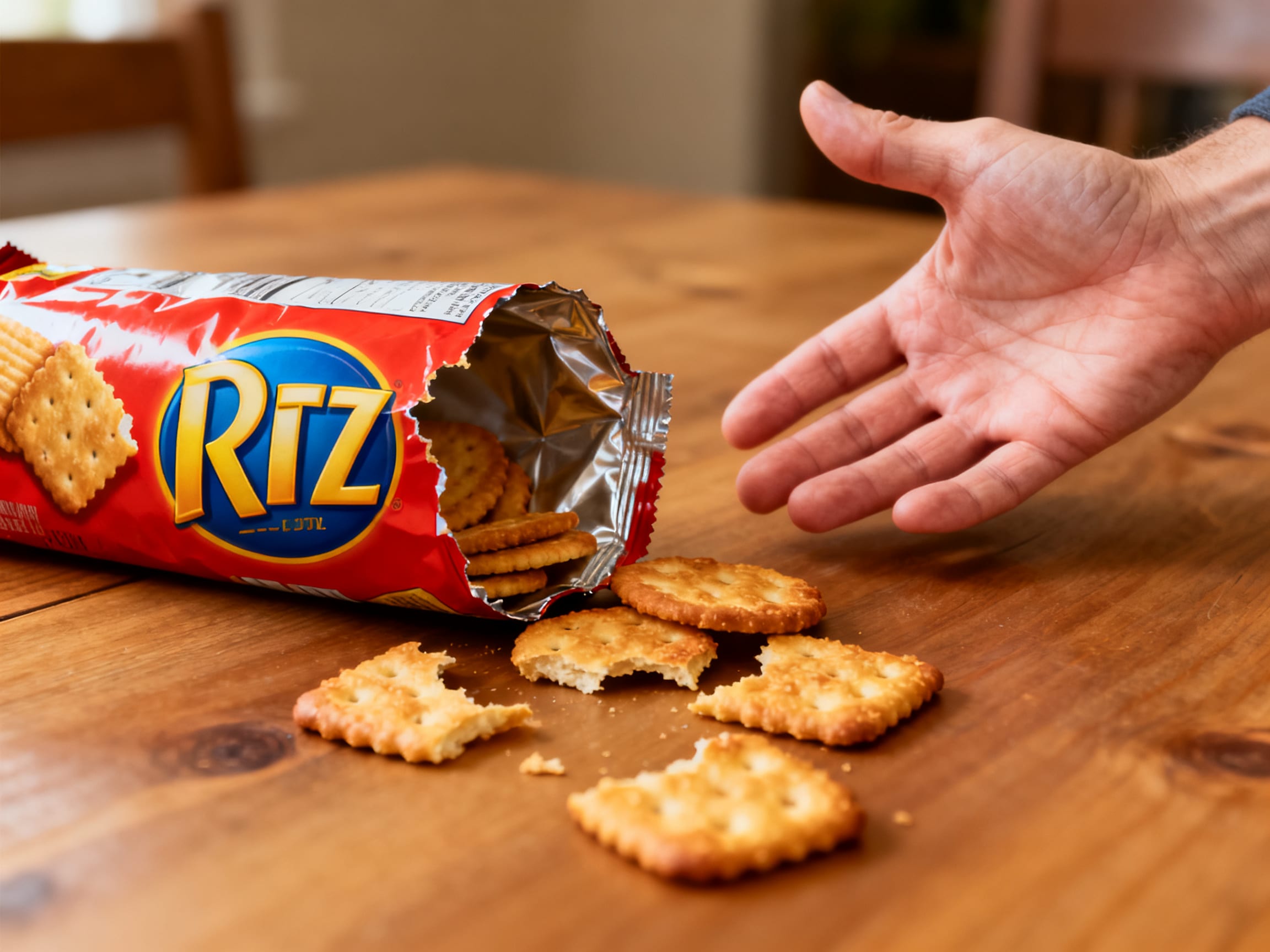
We've all been there: reaching for "just a few" Ritz crackers, only to find the sleeve mysteriously empty. They're a classic, a staple for parties, and a comforting snack. But have you ever paused to consider what those seemingly innocent, buttery bites actually add up to nutritionally?
That Moment When "Just a Few" Turns Into the Whole Sleeve...
It’s easy to underestimate the calories in snacks, especially those small, seemingly light ones. Our brains often associate small size with low caloric impact, leading us to graze without much thought. Before you know it, what started as a small portion has become a significant addition to your daily intake. This casual snacking can be a sneaky culprit when you're trying to manage your weight or stick to dietary goals.
So, Seriously, How Many Calories Are We Talking About Per Cracker?
Let's get straight to the numbers. A standard serving of Ritz Original Crackers is 5 crackers, which contains approximately 80 calories. This means each individual Ritz cracker clocks in at about 16 calories. While 16 calories might seem negligible on its own, it quickly adds up when you consider how easy it is to eat 10, 15, or even 20 crackers in one sitting. That's 160, 240, or 320 calories, respectively – a substantial amount for a "light" snack.
Finding this precise data on a tiny nutrition label can be a chore, requiring squinting and mental math. This is where tools like Eatibo shine. Just point your camera at the box, and you instantly know the calories per serving, without the hassle of searching or interpreting small print.
It's Not Just Calories: What Else Are You Eating with Your Ritz?
Beyond the calorie count, it's crucial to look at the bigger picture of what makes up a Ritz cracker. Each 5-cracker serving provides:
- Total Fat: 4.5g (5% Daily Value)
- Saturated Fat: 1g (5% Daily Value)
- Carbohydrates: 10g (4% Daily Value)
- Sugars: 1g
- Protein: 1g
The ingredient list also tells an important story. Ritz crackers are primarily made from enriched flour, which means essential nutrients are stripped during processing and then some are added back in. They also contain soybean oil and/or canola oil, which are common seed oils that some individuals choose to limit in their diet due to their high omega-6 fatty acid content. While Ritz are low in sugar, their overall nutritional profile leans towards "empty calories" – providing quick energy without much in the way of vitamins, minerals, or fiber.
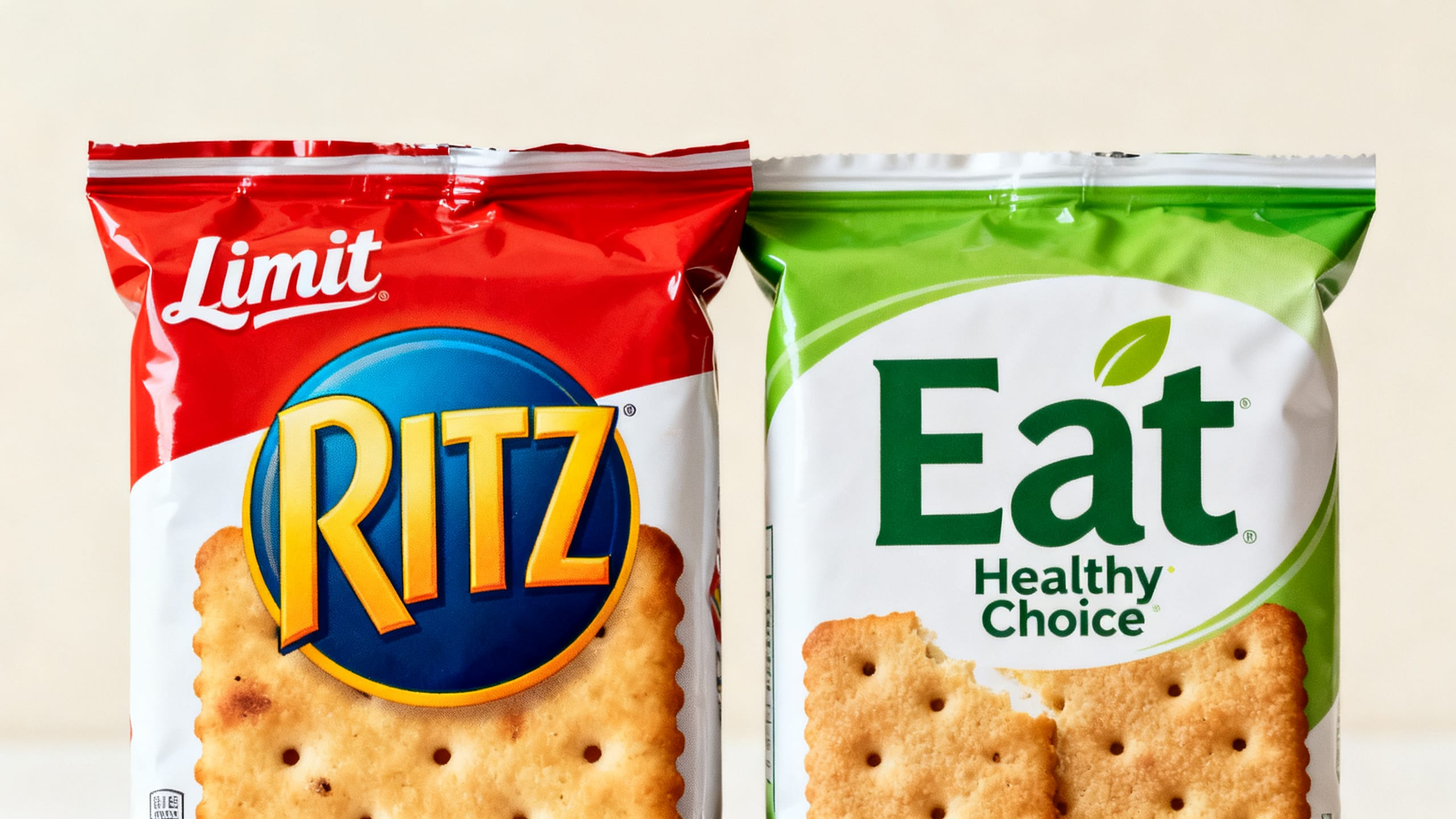
Are Your Ritz Crackers "Eat," "Limit," or "Skip" for Your Goals?
How Ritz crackers fit into your diet largely depends on your personal health goals. If you're aiming for weight loss, limiting added sugars, or avoiding certain seed oils, those 16 calories per cracker, along with the ingredients, might make them a "Limit" or "Skip" item for frequent consumption. However, if you're maintaining weight and enjoying a balanced diet, they might be an "Eat" in moderation.
This is where personalized guidance becomes invaluable. Eatibo doesn't just give you the calories; it rates items like Ritz as "Eat," "Limit," or "Skip" based on your specific health goals – whether you're aiming for muscle gain, weight loss, or avoiding certain ingredients. It takes the guesswork out of decoding labels and aligns food choices with your unique dietary needs.
Smart Swaps: Enjoying Your Snacks Without Derailing Your Progress
Does this mean you need to banish Ritz crackers forever? Not at all! Awareness is key. If you love the savory crunch, consider these smart swaps or strategies:
- Portion Control: Measure out a serving (5 crackers!) and put the box away. Pair them with a source of protein like cheese or a healthy fat like avocado to increase satiety.
- Whole-Grain Alternatives: Look for crackers made with 100% whole grains or seeds. These often offer more fiber and nutrients for similar calorie counts, helping you feel fuller longer.
- Veggie Sticks: For a truly low-calorie, nutrient-dense crunch, opt for carrot sticks, cucumber slices, or bell pepper strips with a healthy dip like hummus.
- Homemade Crackers: If you're feeling ambitious, making your own crackers can give you full control over ingredients, allowing you to use healthier flours and oils.
The Takeaway: Knowledge is Your Best Snacking Buddy
Understanding the calorie count and nutritional composition of foods like Ritz crackers empowers you to make more informed decisions. It's not about demonizing any single food, but about being mindful of how your choices align with your overall health and wellness goals. Occasional treats are perfectly fine, but consistent awareness of what you're eating is the real secret to sustainable health. So, next time you reach for "just a few," you'll do so with a clearer picture of their impact.
Decision framework
| What to check | Why it changes the answer | Practical next step |
|---|---|---|
| Serving size or portion | Calories, sodium, sugar, carbs, and fat scale with the amount actually eaten | Log the realistic portion, not the ideal one |
| Protein, fiber, sodium, added sugar, and saturated fat | These decide whether the choice supports fullness and long-term habits | Compare the tradeoff that matters most for your goal |
| Ingredients, sauces, breading, or add-ons | Small extras can change the result quickly | Compare the base item and extras separately |
| Personal restriction applies | General nutrition advice cannot know every boundary | Follow allergy, medication, religious, or clinician-directed rules first |
Concrete examples
- If the food looks healthy but the serving is tiny, check what a realistic portion does to calories, sodium, or sugar.
- If two options have similar calories, choose the one with more protein, fiber, or ingredients you tolerate.
- If the food is occasional and you enjoy it, log it honestly instead of building a strict rule you will not keep.
Limits and safety notes
This guide is for everyday food awareness. It is not a diagnosis tool, allergy authority, medication checker, eating-disorder recovery plan, or substitute for a clinician or registered dietitian. For diagnosed conditions, pregnancy, kidney disease, diabetes medication, severe allergies, or clinician-directed diets, get professional guidance before changing your routine.
Where Eatibo fits
Eatibo is useful when a question turns into something you need to compare or log. You can scan a meal photo, barcode, nutrition label, or ingredient list, review calories and macros, check sodium, added sugar, allergens, additives, and ingredients, then save the result to your Nutrition Log. The point is not one perfect judgment; it is making the next similar choice easier because your own pattern is visible.
Sources and references
- FDA: Calories on the Nutrition Facts Label
- FDA: How to understand and use the Nutrition Facts label
- HHS/ODPHP: Current Dietary Guidelines for Americans
Frequently asked questions
Is this something I need to avoid completely?
Usually no. The better question is portion, frequency, and fit. A food can be fine occasionally but less useful as an everyday default if it repeatedly pushes sodium, added sugar, saturated fat, calories, or allergens past your limits.
What should I check first?
Start with the serving size you will actually eat. Then check the tradeoff most relevant to your goal: calories, protein, fiber, sodium, added sugar, saturated fat, ingredients, or allergens. The order matters because a tiny serving can hide a bigger real-world intake.
How can Eatibo help me decide faster?
Eatibo helps you scan or log the choice, compare the practical nutrition details, and review the pattern later. It is most useful for repeat decisions because the app can show whether similar foods are helping your weekly routine or quietly pushing it off track.
Related reading
- Cuántas Calorías Debo Consumir al Día: Unraveling the Calorie Conundrum
- Cracking the Code: How Many Calories Are Really in Your Scrambled Eggs?
- Fried Egg Calories – Your Guide to a Healthier Fry
Last updated: June 1, 2026