
Saffron-Kissed Secrets: Unpacking the Mediterranean Yellow Rice Phenomenon
Quick answer: A recipe is only useful if the serving size is honest. Check how much oil, salt, sauce, cheese, grain, starch, or protein is in your portion, then decide whether the meal fits your calorie, macro, sodium, fiber, or ingredient goal.
Key takeaways
- Recipe names can sound healthy while oil, salt, cheese, sauces, or portions drive the numbers.
- Serving size, protein, fiber, and sodium are usually more useful than a broad diet label.
- Ingredient swaps work best when they protect flavor and the reason you wanted the dish.
- Log the cooked portion once so future versions are easier to estimate.
Definition: In this guide, a smarter recipe decision means checking the real portion, the main nutrition drivers, personal limits, and the repeat pattern before turning a dish into a default.
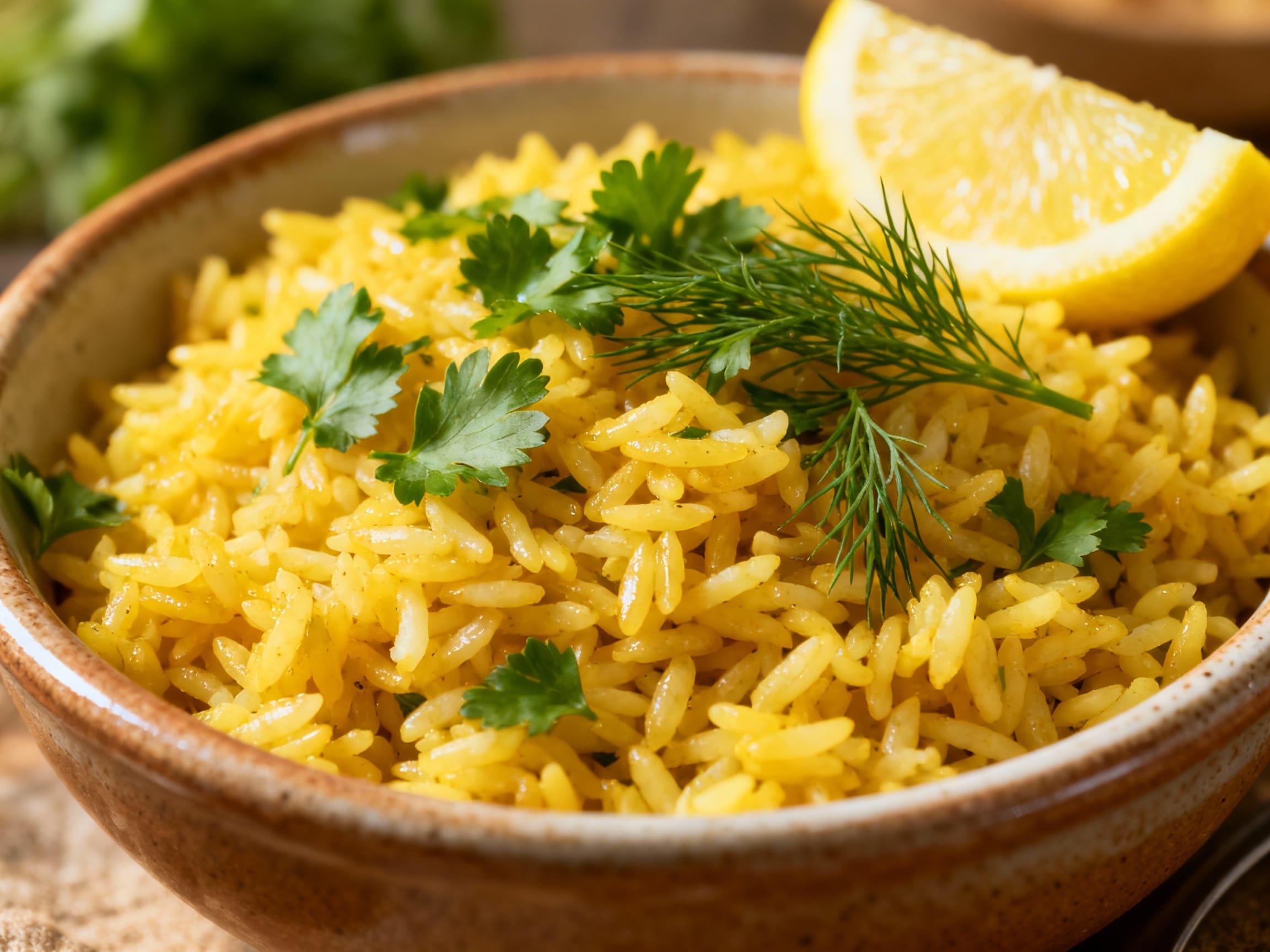
Imagine a dish that whispers tales of ancient spice routes, sun-drenched coastlines, and generations gathered around a communal table. You might be envisioning Mediterranean yellow rice. It's more than just a colorful side dish; it's a culinary staple steeped in history and flavor.
Is that Golden Glow More Than Just a Pretty Face?
You've likely seen it gracing restaurant menus or vibrant food blogs – that inviting, golden-hued rice that instantly catches the eye. Its visual appeal is undeniable, often evoking thoughts of exotic locales and rich, aromatic flavors. But is there more to this golden grain than just its stunning color? Absolutely. This vibrant dish carries with it a surprising depth of cultural significance and nutritional benefits that go far beyond aesthetics.
What Exactly is Mediterranean Yellow Rice? (And Where Does it Come From?)
Mediterranean yellow rice refers to a family of rice dishes characterized by their distinctive golden color, typically derived from spices like saffron or turmeric. Its roots are deeply intertwined with the historical spice trade routes that crisscrossed the Mediterranean basin. While many instantly think of Spanish paella, yellow rice traditions stretch far beyond.
For instance, Italy boasts "Risotto alla Milanese" (often called Risotto Giallo) which famously uses saffron for its color and distinct flavor. In North Africa and the Middle East, you'll find variations like "Roz Ma'ammar" or even spiced rice dishes where turmeric plays a starring role. The common thread is the use of aromatic spices to transform simple rice into something extraordinary. This culinary heritage reflects centuries of cultural exchange and adaptation, making yellow rice a true reflection of the Mediterranean's diverse tapestry.
What Nutritional Goodness is Hiding in Those Golden Grains?
Beyond its captivating color and delicious taste, authentic Mediterranean yellow rice can be a nutritional powerhouse. The star ingredients often bring a host of health benefits. Saffron, for example, isn't just for color; it's packed with antioxidants and has been linked to mood enhancement and anti-inflammatory properties. Turmeric, another common coloring agent, contains curcumin, a compound celebrated for its powerful anti-inflammatory and antioxidant effects.
When prepared with healthy fats like olive oil and perhaps incorporating whole grains like brown rice, this dish aligns perfectly with the renowned Mediterranean diet. This diet is consistently praised for its benefits to heart health, brain function, and overall longevity. It emphasizes whole foods, healthy fats, and a rich array of plant-based ingredients.
Understanding the precise nutritional impact of your yellow rice – whether it's a restaurant dish or a homemade creation – can be tricky. That's where tools like Eatibo come in. Just scan your meal, and our AI-powered scanner gives you instant calories, macros, and flags for things like seed oils or allergens, helping you align your choices with your personal health goals.
How Can I Enjoy Mediterranean Yellow Rice Beyond the Expected?
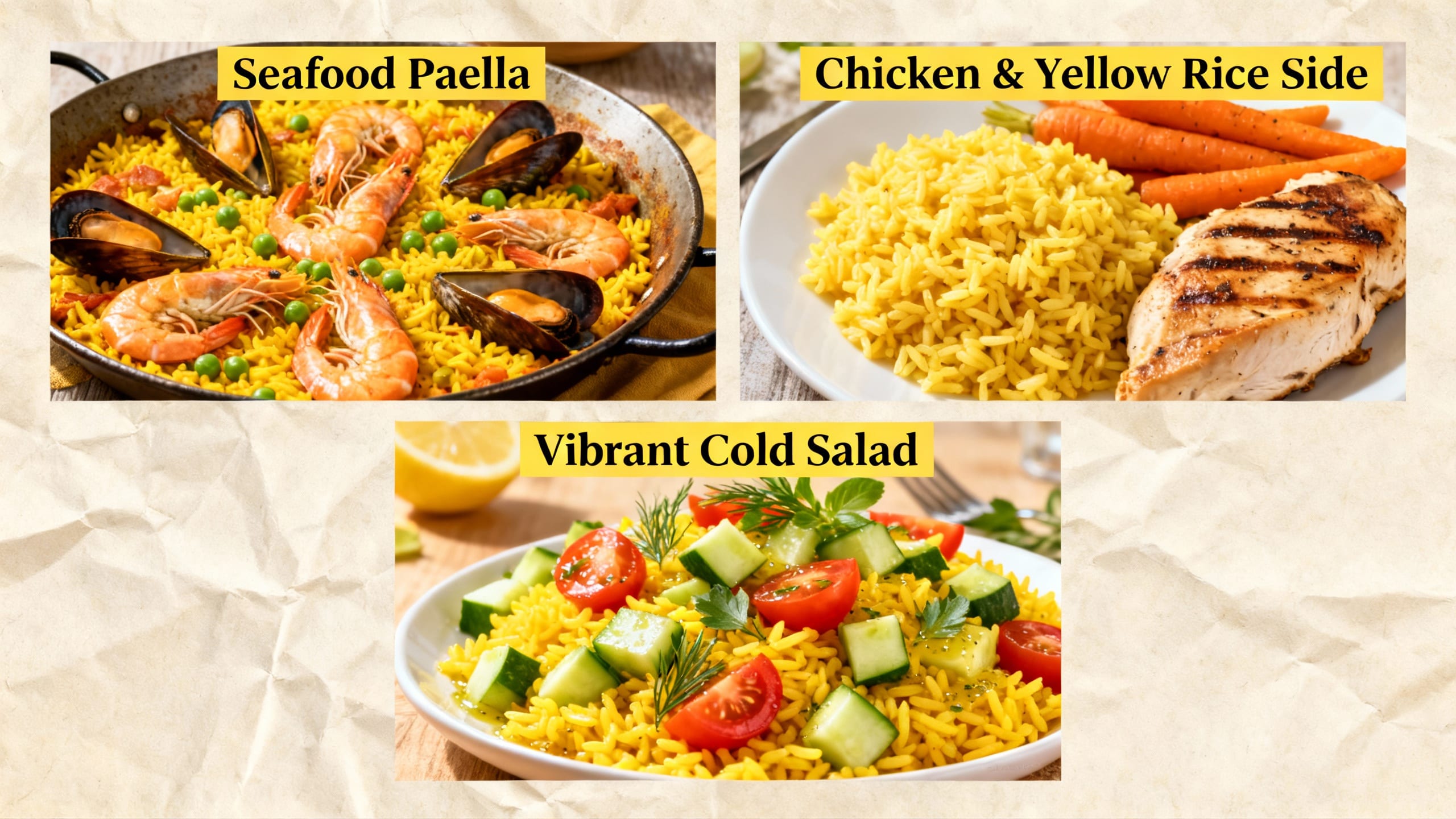
The versatility of Mediterranean yellow rice is one of its greatest strengths. It can easily transition from a simple, flavorful side to the star of a more elaborate meal. You might enjoy it as a vibrant accompaniment to grilled fish or chicken, where its rich flavors complement lean proteins beautifully.
Consider using it as a base for hearty veggie bowls, layering it with roasted vegetables, chickpeas, and a drizzle of tahini. It's also delicious in stuffed peppers or tomatoes, blending with other ingredients for a wholesome meal. For a refreshing twist, chill it and incorporate it into a vibrant cold salad with fresh herbs, cucumber, and feta cheese. The possibilities are truly endless, allowing you to incorporate this golden grain into diverse and exciting new dishes.
Is My Yellow Rice "Eat," "Limit," or "Skip"?
With so many products and preparations out there, it's natural to wonder about the health quotient of your yellow rice. Traditional methods, using whole spices and quality olive oil, generally offer more nutritional benefits. However, many pre-packaged yellow rice mixes can be high in sodium, artificial colors, and unhealthy fats, detracting from the natural goodness.
Making informed choices is key, especially if you have specific dietary goals like weight management, muscle gain, or avoiding certain ingredients. When you're trying to navigate the nuances between a traditional, saffron-infused yellow rice and a quick-mix version, Eatibo becomes your smart nutrition coach. It rates each item as 'Eat,' 'Limit,' or 'Skip' based on your specific goals – whether you're aiming for muscle gain, weight loss, or avoiding seed oils. It even suggests simple swaps to make your favorite yellow rice dishes healthier.
The Golden Takeaway: Embracing Intentional Eating, One Grain at a Time
The journey through the world of Mediterranean yellow rice reveals a food that is rich in culture, flavor, and potential nutritional benefits. It encourages us to look beyond just the plate and understand the ingredients, origins, and impact on our health. By choosing authentic preparations and being mindful of what goes into our meals, we can truly savor the golden goodness it offers.
So, why not try making your own saffron-infused rice, or use a tool like Eatibo to analyze your next meal? Embrace the culinary adventure, make informed choices, and enjoy the delicious path to eating smarter, one golden grain at a time.
Decision framework
| What to check | Why it changes the dish | Practical next step |
|---|---|---|
| Serving size | Recipe nutrition changes fast when the portion doubles | Log the cooked portion you actually eat |
| Oil, cheese, sauce, nuts, or starch | These ingredients can drive calories, sodium, or saturated fat | Measure once, then adjust future versions by feel |
| Protein and fiber | They affect fullness more than the recipe name does | Add beans, yogurt, fish, eggs, lean meat, or vegetables when useful |
| Personal restriction applies | General recipes do not know allergies, medications, or clinician rules | Use verified substitutions and professional guidance where needed |
Concrete examples
- If a dish feels healthy but uses several tablespoons of oil, measure once so the estimate is not fantasy.
- If you want more fullness, increase protein or fiber before cutting flavor.
- If a recipe becomes a weekly default, save the logged version so the next meal takes less work.
Limits and safety notes
Recipe guidance is approximate because ingredient brands, cooking methods, and portions vary. This guide is not allergy clearance, medication advice, eating-disorder recovery guidance, or a substitute for a clinician or registered dietitian.
Where Eatibo fits
Eatibo helps when a recipe becomes something you actually eat. Scan ingredients or a plate photo, check calories, macros, sodium, added sugar, allergens, and additives, then save the meal to your Nutrition Log so repeat versions are easier to compare.
Sources and references
- HHS/ODPHP: Current Dietary Guidelines for Americans
- USDA/FNS: Dietary Guidelines for Americans
- FDA: How to understand and use the Nutrition Facts label
Frequently asked questions
Is this recipe automatically healthy?
No. The answer depends on serving size, ingredients, oil, salt, sauce, protein, fiber, and how often you eat it.
What should I adjust first?
Adjust the biggest driver first: portion size, oil, sauce, cheese, starch, sodium, protein, or fiber. Small swaps work better when they keep the dish enjoyable.
How can Eatibo help with recipes?
Eatibo can scan ingredients or the finished plate, then save the estimate so repeat versions are easier to compare.
Related reading
- Savoring Madison: A Healthy Guide to Oliva Italian & Mediterranean Cuisine
- Unlocking Flavor: The Mediterranean Sauces You Need in Your Life
- Savoring Habibi Mediterranean Grill: Your Smart Eater's Guide
Last updated: June 1, 2026