
Savoring Mediterranean: A Smart Approach to Dining at Safir
Quick answer: Treat restaurant nutrition as an estimate, not a promise. Portions, sauces, fried coatings, sides, drinks, and substitutions can change the result quickly, so compare the menu first and log the plate you actually eat when possible.
Key takeaways
- Start with the menu item, then check sides, sauces, drinks, and serving size.
- Calories matter, but sodium, saturated fat, protein, fiber, and allergens often decide whether a meal fits your goal.
- Restaurant data varies by location and preparation, so avoid pretending an estimate is exact.
- If a place does not publish nutrition, use a close match and review the weekly pattern.
Definition: In this guide, a smarter dining decision means checking the menu context, the likely portion, personal limits, and the repeat pattern before turning one meal into a rule.
You've walked into Safir Mediterranean – the tantalizing aroma of za'atar and grilling meat instantly transports you. But as you glance at the menu, a little question pops into your mind: "How can I enjoy this deliciousness without derailing my health goals?" It’s a common dilemma, wanting to indulge in vibrant flavors while staying on track.
Is Mediterranean Food Always Healthy, Especially at a Restaurant Like Safir?
Many people rightly associate the Mediterranean diet with incredible health benefits, like a lower risk of cardiovascular diseases and improved longevity. However, the restaurant reality can sometimes differ from the traditional principles. While home-cooked Mediterranean meals emphasize fresh, whole ingredients, restaurant versions, even at a beloved spot like Safir, can introduce hidden pitfalls.
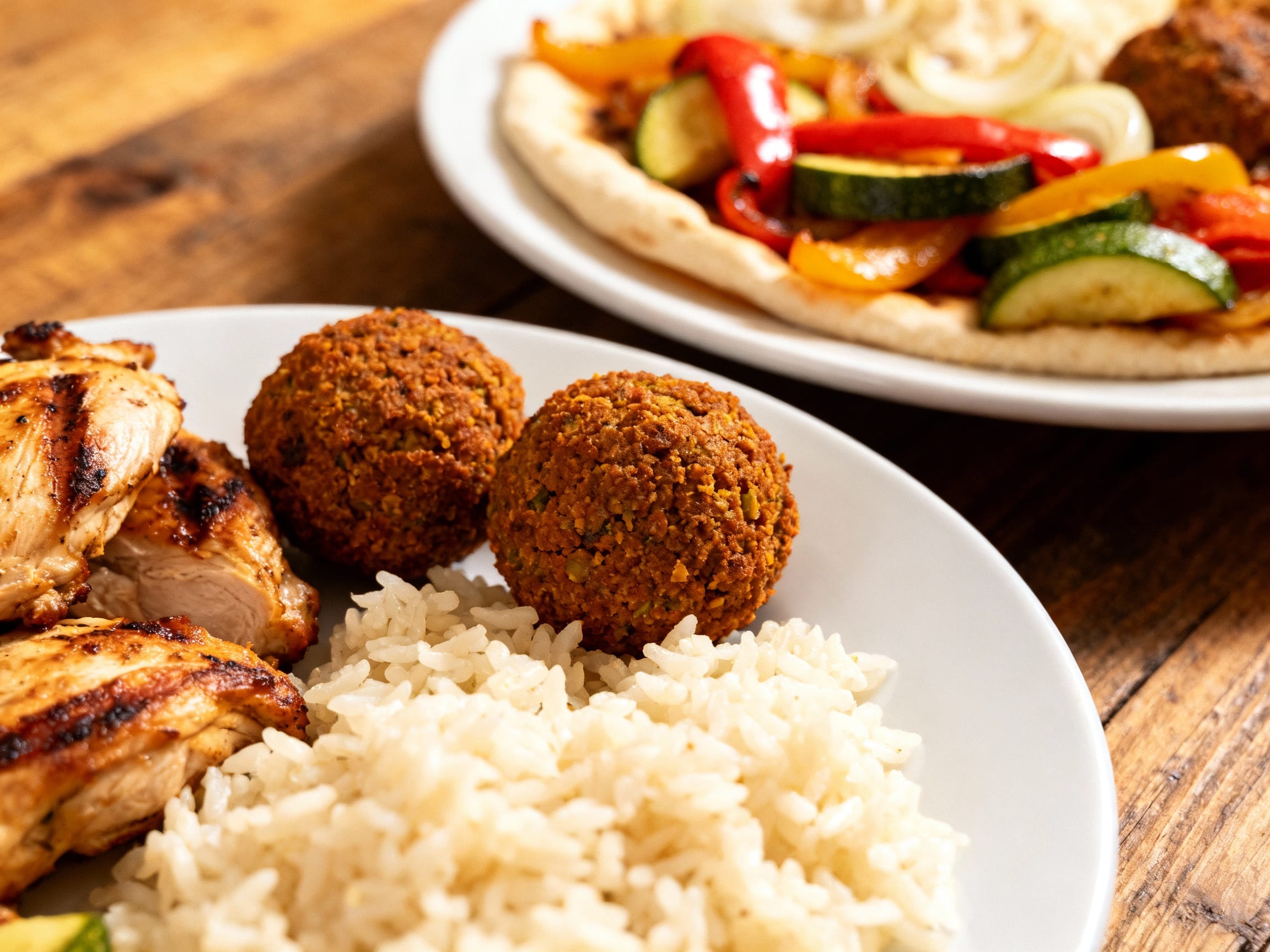
Portion sizes tend to be much larger than what you’d eat at home, and cooking methods might involve more oil – sometimes less healthy seed oils – and higher sodium content. Dressings can be calorie-dense, and even seemingly healthy items like falafel, while plant-based, are often deep-fried, absorbing considerable oil.
What Are the Best Choices on a Mediterranean Menu for My Health Goals?
Making smart choices starts with understanding what to look for. Prioritize lean proteins like grilled chicken (like shish tawook) or fish. Load up on plenty of vegetables, whether in salads (dressing on the side, please!) or as grilled sides. Whole grains, such as bulgur, are great in moderation.
For example, opting for baba ghanoush over hummus can sometimes save on calories. When considering a shawarma plate, ask for extra vegetables and less rice, or choose a kebab with grilled veggies. This is where personalized guidance becomes incredibly helpful. Imagine you're looking at Safir's menu, unsure if that "healthy-sounding" dish truly aligns with your low-sugar or seed-oil-free diet. What if you could quickly scan the menu description, or even a photo of the dish, and get instant feedback?
Eatibo, your AI-powered food scanner, does exactly that. It instantly breaks down calories, macros, and flags additives like seed oils, rating the item as "Eat," "Limit," or "Skip" based on your specific goals. It's like having a personal nutritionist whisper advice in your ear before you even order.
How Can I Spot Hidden Ingredients and Make Smarter Swaps at Safir?
Being an informed diner means asking a few questions and being ready to request modifications. Don't hesitate to inquire about the type of cooking oil used or whether dressings can be served on the side. Grilled options are generally better than fried ones. For example, if your meal comes with fries, ask if you can swap them for grilled vegetables or a side salad.
Even small changes can make a big difference. Requesting less pita bread with your hummus or choosing a lentil soup (often packed with fiber and nutrients) as an appetizer can help you manage your overall intake without sacrificing flavor.
Tracking My Mediterranean Delights: How Do I Stay Accountable?
After enjoying a fantastic meal at Safir, the next challenge is logging it accurately. Instead of guessing or painstakingly searching databases, Eatibo simplifies this immensely. Just like it helps you choose your meal, it seamlessly logs your restaurant dishes. Its clean food log and calendar view allow you to see your week at a glance, and those weekly trends help you understand how often you're choosing Safir's delicious, healthier options, empowering you to adjust and achieve your goals with ease. This effortless tracking is crucial for long-term success.
Enjoying Safir Mediterranean Without the Guesswork: Your Takeaway Toolkit.
Dining out at Safir Mediterranean doesn't have to be a health guessing game. By being mindful of your choices, asking a few smart questions, and leveraging the power of a tool like Eatibo, you can truly savor the rich, vibrant flavors of Mediterranean cuisine while staying perfectly aligned with your health and nutrition goals. Eat smarter, one delicious Safir meal at a time.
Decision framework
| What to check | Why it changes the meal | Practical next step |
|---|---|---|
| Portion, side, sauce, and drink | These often add more calories, sodium, sugar, or saturated fat than the main item | Compare the full order, not just the entree |
| Fried, creamy, or sweet add-ons | Preparation changes can move a meal from moderate to heavy quickly | Ask for sauce on the side or choose grilled, roasted, or simpler options when that fits your goal |
| Published nutrition is missing | Local recipes and serving sizes vary | Use a close estimate, log the meal, and watch repeat patterns |
| Allergy, medication, or clinician-directed diet applies | Restaurant estimates cannot guarantee safety | Follow the stricter rule and ask staff or a qualified professional when needed |
Concrete examples
- If two meals look similar, compare the full order with sides and drinks before judging.
- If the menu does not publish nutrition, log a close match and check whether that type of meal repeats during the week.
- If sodium or allergens matter, ask about sauces, marinades, and substitutions instead of relying only on the menu title.
Limits and safety notes
Restaurant nutrition is approximate and can vary by location, supplier, preparation, and portion. This guide is not allergy clearance, diabetes management, eating-disorder recovery advice, or a substitute for a clinician or registered dietitian.
Where Eatibo fits
Eatibo is useful after the menu decision gets real. You can scan a plate, barcode, or nutrition label, compare calories and macros, check sodium, added sugar, allergens, additives, and ingredients, then save the meal to your Nutrition Log. The goal is not perfect restaurant math; it is seeing whether similar meals are helping or hurting your weekly pattern.
Sources and references
- FDA: Calories on the Menu
- FDA: How to understand and use the Nutrition Facts label
- HHS/ODPHP: Current Dietary Guidelines for Americans
Frequently asked questions
Can I trust restaurant calorie numbers exactly?
Use them as estimates. Standard menu labels help, but local preparation, serving size, sauces, and substitutions can change the final meal.
What should I check first when eating out?
Start with the full order: entree, side, sauce, drink, and dessert. Then check the tradeoff that matters most for your goal, such as sodium, protein, added sugar, saturated fat, or calories.
How can Eatibo help after a restaurant meal?
Eatibo can log the actual plate and help you compare similar meals over the week, which is more useful than treating one estimate as perfect.
Related reading
- Savoring Health – The Mediterranean Diet Decoded
- Savoring Health Decoding Mediterranean Sauces with Eatibo
- The Mediterranean Diet: A Timeless Taste of Health
Last updated: June 1, 2026