
Savoring Health Decoding Mediterranean Sauces with Eatibo

Quick answer: Mediterranean-style eating works best as a pattern, not as a magic label. Look for vegetables, beans, whole grains, olive oil, seafood, yogurt, herbs, and minimally processed foods, then still check portions, sodium, protein, fiber, and added sugar.
Key takeaways
- The Mediterranean pattern is flexible; it is not one fixed meal plan.
- Olive oil, nuts, bread, rice, pasta, cheese, and wine can fit, but portions still matter.
- Protein, fiber, sodium, and added sugar make the difference between a helpful meal and a vague wellness claim.
- Use the label, menu, or meal photo when you need a decision you can repeat.
Definition: In this guide, a smarter Mediterranean food decision means checking the actual dish, the practical nutrition tradeoffs, personal limits, and the repeat pattern before treating a cuisine label as a health guarantee.
You’re aiming for a healthier diet, maybe even embracing the Mediterranean lifestyle. You've got your fresh veggies, lean proteins... but then you hit the sauce aisle. Bottles upon bottles, promising authenticity, but what's really inside? It's easy to feel overwhelmed, wondering which one truly captures the essence of healthy Mediterranean living. Sauces can be a health boon, adding flavor and nutrients, or a hidden trap, sneaking in undesirable ingredients.
What Makes a Sauce "Mediterranean," Anyway?
Truly Mediterranean sauces are built on a foundation of fresh, whole ingredients. Think vibrant vegetables like ripe tomatoes and bell peppers, aromatic herbs such as basil, oregano, and mint, pungent garlic, and of course, healthy fats like extra virgin olive oil. The philosophy is about minimal processing and maximizing natural flavors and nutrients. You'll find regional variations too, from the creamy Greek tzatziki to the bright Italian pesto, or the zesty Moroccan chermoula. These traditional recipes stand in stark contrast to many Americanized sauces often laden with added sugars and artificial flavors. Ingredients like olive oil, tomatoes, garlic, and fresh herbs are celebrated for their nutritional benefits, including anti-inflammatory properties and antioxidants, which contribute to cardiovascular health and overall well-being.
Are Store-Bought Mediterranean Sauces Always a Healthy Choice?
Unfortunately, not always. While a jar might claim "Mediterranean," many pre-made sauces can hide a surprising amount of added sugars, excessive sodium, unhealthy seed oils, artificial additives, and preservatives. These ingredients can quickly undermine any health benefits you're seeking. This is where navigating the grocery aisle can get tricky, especially when deciphering complex ingredient lists.
That's where Eatibo comes in. Just point your camera at the nutrition label, and Eatibo instantly breaks down the calories, macros, additives, and allergen flags. It helps you quickly spot those hidden sugars or undesirable oils in seconds, empowering you to make informed decisions without spending ages scrutinizing tiny print.
Can Mediterranean Sauces Fit My Specific Diet Goals?
Absolutely! With a little awareness, Mediterranean sauces can be incredibly versatile for various dietary goals. For weight loss, fresh tomato-based sauces are often low in calories and packed with nutrients. If you're looking for healthy fats and satiety, a pesto made with quality olive oil and nuts can be a great option. Avoiding seed oils? Many traditional recipes use only olive oil, but always double-check labels or consider making your own at home for ultimate control.
Whether you're aiming for muscle gain, weight loss, or following a low-sugar or seed-oil-free diet, Eatibo doesn't just tell you what's in your sauce; it rates each item as Eat / Limit / Skip based on your specific goals. It acts as your smart nutrition coach, guiding you to make choices that truly align with your health journey, even suggesting simple swaps for your favorite Mediterranean dishes.
How Can I Easily Incorporate More Mediterranean Sauces Into My Meals?
Integrating healthy Mediterranean sauces into your cooking is simpler than you might think. They are incredibly versatile!
- Dipping Sauces: Serve tzatziki, hummus, or a simple olive oil and herb dip with fresh vegetables, whole-grain pita, or crackers.
- Marinades: Use a lemon-herb-olive oil blend for chicken, fish, or tofu to infuse flavor and tenderize.
- Pasta Sauces: Go beyond basic marinara with a fresh puttanesca, pesto, or a simple garlic-and-cherry-tomato sauce.
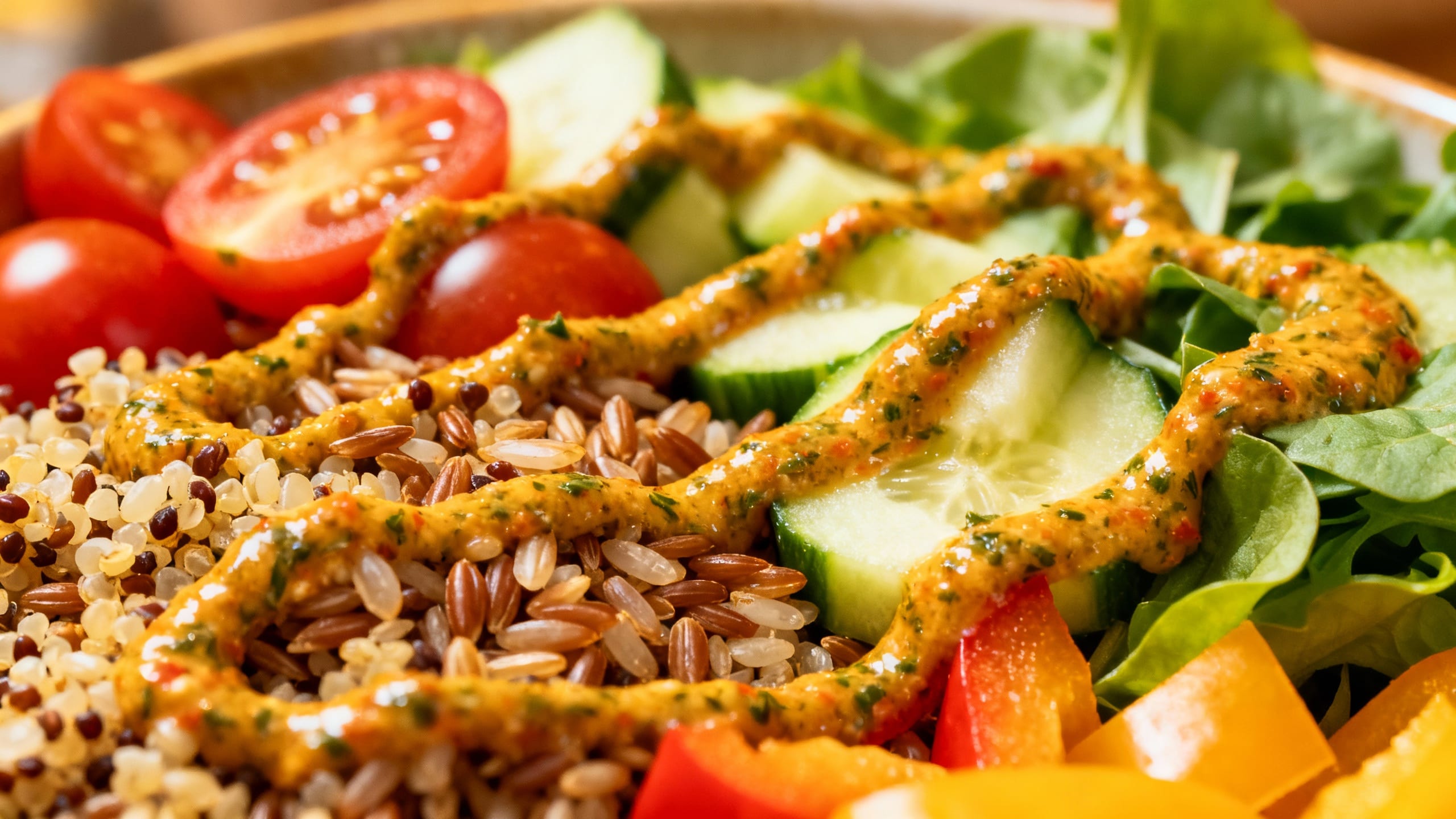
- Dressings: Whisk olive oil, vinegar, lemon juice, and herbs for a vibrant salad dressing or a drizzle over grain bowls.
- Spreads: Use hummus, baba ghanoush, or a red pepper spread for sandwiches, wraps, or as a base for veggie burgers.
Your Path to Saucier, Smarter Eating
Mediterranean sauces are a powerhouse of flavor and nutrition when chosen wisely. Embracing them means more delicious, vibrant meals and a step towards a healthier lifestyle. The key is ingredient awareness – always read those labels, or better yet, let technology like Eatibo help you. Don't be afraid to experiment with homemade options for ultimate control over what goes into your food. Start by scrutinizing just one favorite store-bought sauce this week, or try one new simple Mediterranean sauce recipe. Your taste buds and your body will thank you!
Decision framework
| What to check | Why it changes the answer | Practical next step |
|---|---|---|
| Plant foods, legumes, whole grains, seafood, olive oil | These are the pattern's useful anchors | Build the plate around these before adding extras |
| Bread, pasta, rice, cheese, nuts, oil, or wine | Mediterranean foods can still be calorie-dense | Keep the portion visible instead of assuming the label makes it healthy |
| Sodium, added sugar, and saturated fat | Packaged and restaurant versions vary widely | Check labels, sauces, and sides separately |
| Medical or allergy boundary | A cuisine pattern is not personalized care | Follow clinician-directed limits first |
Concrete examples
- If a meal has vegetables, beans, olive oil, and fish, it may fit the pattern even without a perfect label.
- If a restaurant dish is mostly bread, cheese, creamy sauce, or fried sides, check the portion before assuming it is light.
- If you repeat the same Mediterranean meal weekly, log it once and adjust from your own trend.
Limits and safety notes
Mediterranean-style eating is a general pattern, not a medical prescription. For diagnosed conditions, pregnancy, kidney disease, diabetes medication, severe allergies, eating-disorder recovery, or clinician-directed diets, get qualified guidance before changing your routine.
Where Eatibo fits
Eatibo can turn a broad Mediterranean idea into a specific food decision. Scan the meal, menu, barcode, nutrition label, or ingredient list, then compare calories, macros, sodium, added sugar, allergens, additives, and weekly Nutrition Log patterns.
Sources and references
- American Heart Association: What is the Mediterranean Diet?
- HHS/ODPHP: Current Dietary Guidelines for Americans
- USDA/FNS: Dietary Guidelines for Americans
Frequently asked questions
Is Mediterranean food always healthy?
No. The pattern can be very useful, but portions, sodium, refined grains, cheese, alcohol, sauces, and sweets still matter.
What should I look for first?
Look for vegetables, beans, whole grains, olive oil, fish or lean protein, and minimally processed foods. Then check sodium, added sugar, protein, fiber, and serving size.
Where does Eatibo help?
Eatibo helps when you need to scan a real meal, menu, barcode, label, or ingredient list and compare it against your weekly pattern.
Related reading
- Unlocking Flavor: The Mediterranean Sauces You Need in Your Life
- Savoring Health – The Mediterranean Diet Decoded
- Savoring Mediterranean: A Smart Approach to Dining at Safir
Last updated: June 1, 2026