
Savoring Health – The Mediterranean Diet Decoded
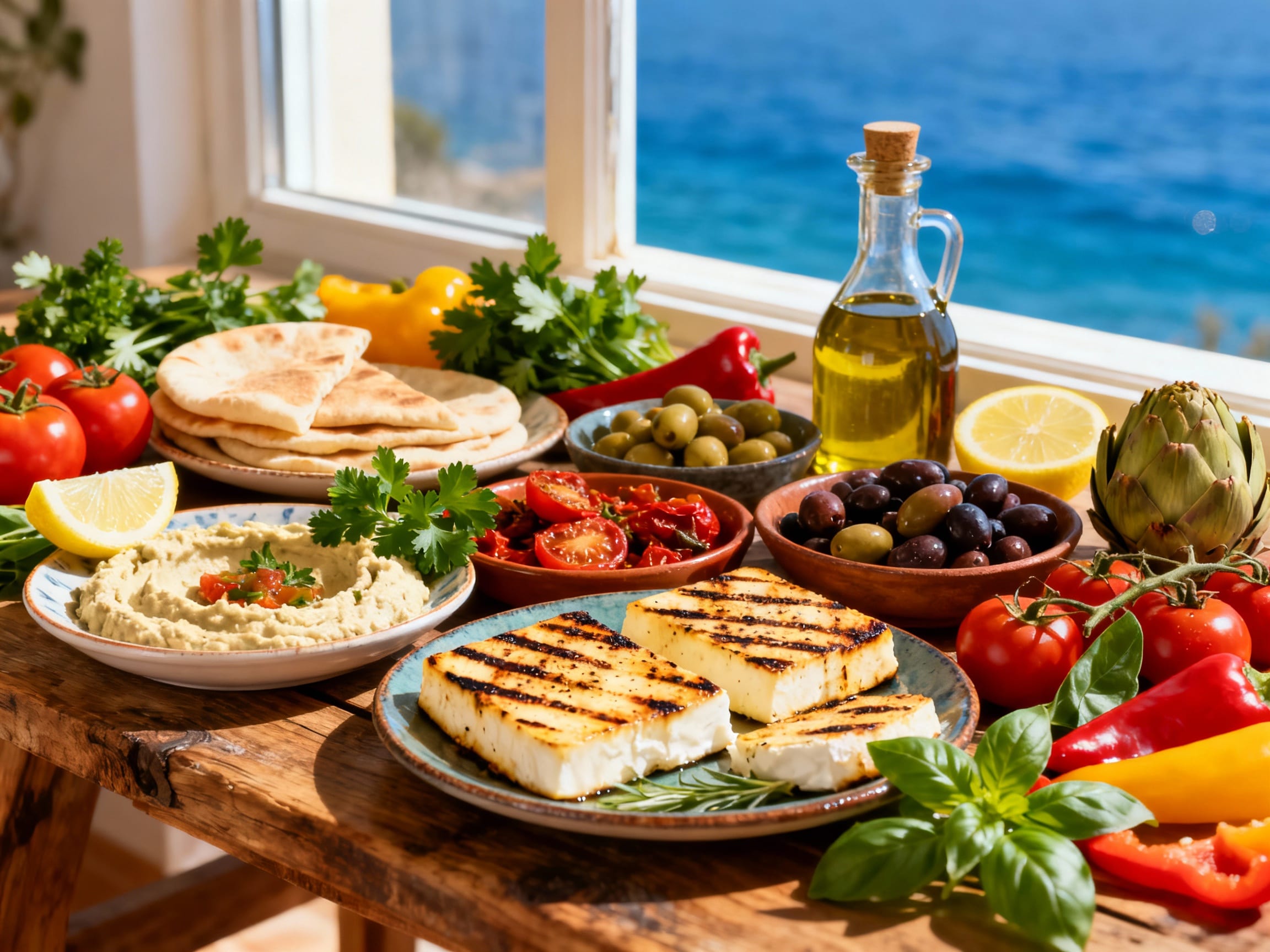
Quick answer: Use the Mediterranean diet as a grocery-and-plate pattern, not a slogan. A good week has vegetables, beans or lentils, whole grains, olive oil, fish or seafood, fruit, nuts, yogurt, and simple meals. It can still go off track if "Mediterranean" turns into extra bread, cheese, pasta, wine, sweets, and salty restaurant sauces.
Key takeaways
- Look at the week, not one perfect bowl. Beans on Monday and fish on Thursday matter more than one branded "Mediterranean" snack.
- Olive oil, nuts, and cheese are not mistakes, but they should be visible portions.
- A restaurant plate can match the flavor and miss the pattern if it is mostly refined starch, salty sauce, and little fiber.
- Medical limits, allergies, pregnancy, diabetes medication, kidney disease, or eating-disorder recovery beat any general diet rule.
Definition: Here, Mediterranean diet means the ordinary pattern behind the meal: mostly plants, legumes, whole grains, seafood, olive oil, and fewer highly processed foods.
The word gets messy fast. A doctor may mean a long-term eating pattern. A restaurant may mean shawarma, rice, pita, and sauce. A packaged food brand may mean a feta-flavored cracker. Those are not the same thing. For health decisions, start with the version you can repeat at home and check on a real plate.
A Simple Way To Decode It
One practical test is your kitchen counter after shopping. If it has tomatoes, greens, beans, lentils, oats, whole-grain bread, olive oil, yogurt, fruit, fish, eggs, herbs, garlic, and nuts, you are close. If it is mostly pita chips, creamy dips, desserts, cured meat, and salty packaged snacks, the label is doing too much work.
At the plate level, ask four questions:
- Is there a plant base: vegetables, beans, lentils, fruit, or greens?
- Is the starch mostly whole grain, beans, or a measured portion of bread, rice, or pasta?
- Is the fat mostly olive oil, nuts, seeds, or fish rather than creamy sauce or fried coating?
- Is the protein clear enough to log: seafood, poultry, eggs, yogurt, beans, or lentils?
Plain meals count. Lentil soup with olive oil and greens counts. Sardines on whole-grain toast with tomato counts. Beans, cucumber, yogurt, herbs, and a little feta can count. The food does not need to look like a cookbook cover.
Why This Pattern Gets Attention
The serious version of this diet is not based on one miracle food. Public-health groups describe it as a pattern that usually brings more fiber, unsaturated fats, beans, seafood, vegetables, and minimally processed foods into the week. That is different from simply adding olive oil to an otherwise low-fiber diet.
The boundaries still matter. Blood pressure goals may require watching olives, pickles, cheese, canned soups, and restaurant meals. Weight-change goals may require measuring oil, nuts, bread, rice, pasta, and cheese. If medical care is involved, use clinician guidance first.
Eatibo helps when the idea needs to become a decision. Scan the meal or label, then check protein, fiber, sodium, added sugar, allergens, additives, and whether that meal fits the rest of your week.
What Foods Make Up a Typical Mediterranean Plate? (And What Should I Limit?)
The Mediterranean plate is diverse, but it still has useful boundaries.
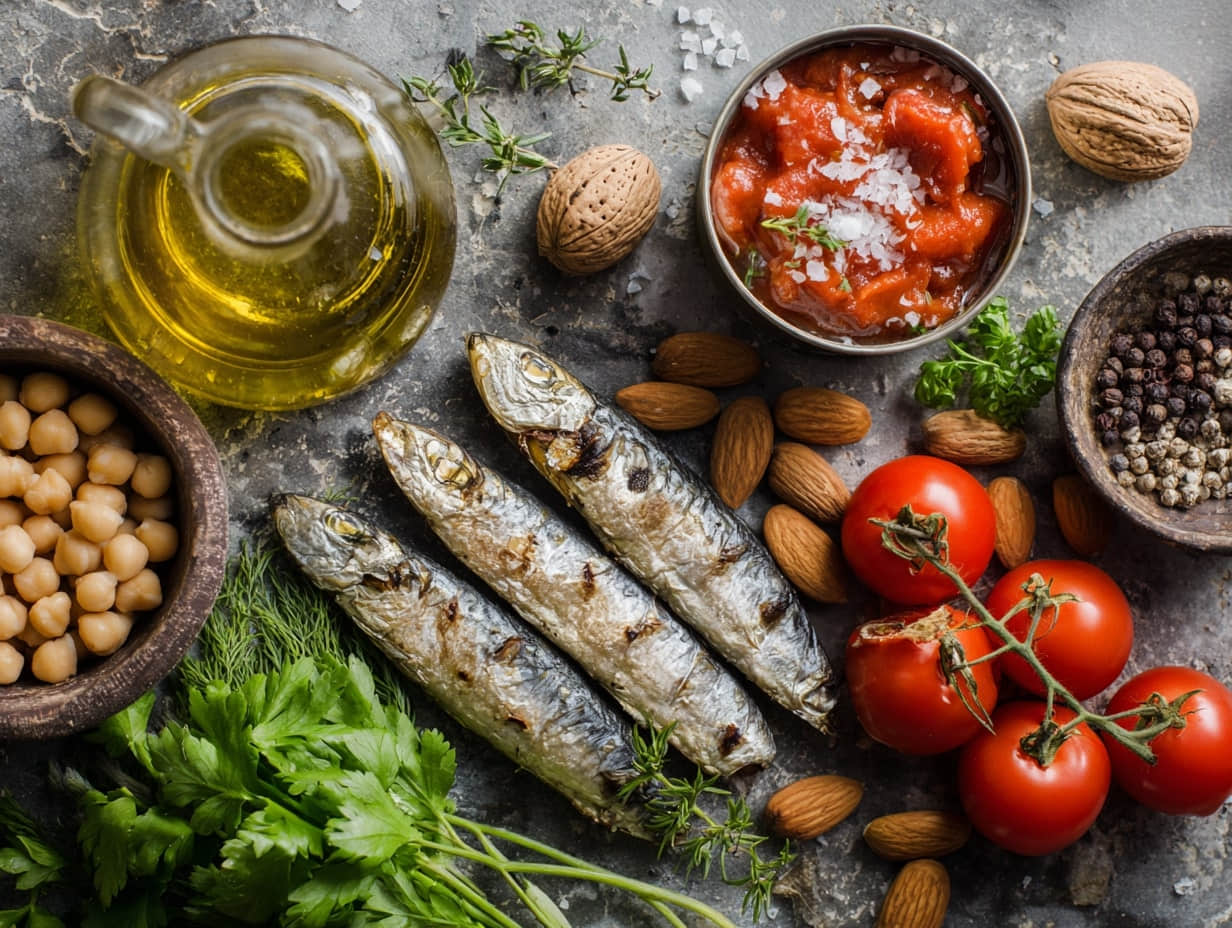
You'll find an abundance of:
- Fruits and Vegetables: The stars of every meal, packed with vitamins, minerals, and fiber.
- Whole Grains: Such as whole-wheat bread, pasta, brown rice, oats, and barley.
- Legumes: Chickpeas, lentils, beans – excellent sources of plant-based protein and fiber.
- Nuts and Seeds: Almonds, walnuts, chia seeds, flax seeds for healthy fats and nutrients.
- Olive Oil: The primary source of fat, used generously for cooking and dressing.
- Herbs and Spices: Flavoring food naturally, reducing the need for excess salt.
Enjoy in moderation:
- Fish and Seafood: Aim for at least two servings per week, especially fatty fish rich in omega-3s.
- Poultry and Eggs: Good sources of protein, consumed a few times a week.
- Dairy: Yogurt and cheese (often fermented varieties) are enjoyed in smaller portions.
Limit or avoid:
- Red Meat: Infrequently, typically a few times a month.
- Processed Foods: Packaged snacks, sugary drinks, and convenience meals.
- Refined Sugars: Found in desserts, candies, and many processed items.
It's about balance and mindful eating, not just fish and olive oil!
Is It Hard to Follow the Mediterranean Diet in the U.S. (or Anywhere Else)?
Many people worry that adopting the Mediterranean Diet is expensive or difficult outside of its native region. The good news is, it's highly adaptable! Focus on sourcing fresh, seasonal produce from local markets or even your grocery store. Legumes, whole grains, and olive oil are staples that are widely available and often affordable. Batch cooking can save time, and smart grocery shopping can help manage costs. It's about making conscious choices and rediscovering the joy of cooking simple, delicious meals at home.
How Can I Personalize This for My Own Health Goals?
The beauty of the Mediterranean framework is its flexibility. While it's not marketed as a "weight loss diet," many people experience healthy weight management due to increased fiber and satiety from whole foods. If you're aiming for muscle gain, you can adjust protein intake through more fish, poultry, and legumes. For specific needs like low-sugar or seed-oil-free eating, the diet's emphasis on whole, unprocessed foods naturally supports these goals.
Whether your goal is gentle weight loss, maintaining energy, or even prioritizing seed-oil-free eating, Eatibo can tailor its guidance to your specific objectives. After scanning, it doesn't just tell you what's in your food, but rates it as 'Eat,' 'Limit,' or 'Skip' based on your unique profile. You’ll get simple swaps, a clean food log with calendar view, and weekly trends that help you easily see the impact of your Mediterranean choices and refine your path to success.
Making the Mediterranean Lifestyle Your Own
Embracing the Mediterranean Diet is a journey, not a sprint. Here are some practical takeaways to get started:
- Start Small: Swap refined grains for whole grains, use extra virgin olive oil for cooking and dressings.
- Embrace Plants: Aim to fill half your plate with colorful vegetables at each meal.
- Cook at Home More Often: Take control of your ingredients and rediscover the pleasure of preparing food.
- Enjoy Meals with Others: Food is meant to be shared; savor the social aspect of eating.
- Move Your Body: Incorporate gentle physical activity into your daily routine.
- Be Patient and Consistent: It's a lifestyle shift, not a temporary fix. Enjoy the process!
The Mediterranean Diet offers a delicious and sustainable path to better health, blending tradition with modern nutritional wisdom. With tools like Eatibo, you can navigate your journey with confidence, making informed choices that align with your health goals and bring the flavors of the Mediterranean to your table.
Decision framework
| What to check | Why it changes the answer | Practical next step |
|---|---|---|
| Plant foods, legumes, whole grains, seafood, olive oil | These are the pattern's useful anchors | Build the plate around these before adding extras |
| Bread, pasta, rice, cheese, nuts, oil, or wine | Mediterranean foods can still be calorie-dense | Keep the portion visible instead of assuming the label makes it healthy |
| Sodium, added sugar, and saturated fat | Packaged and restaurant versions vary widely | Check labels, sauces, and sides separately |
| Medical or allergy boundary | A cuisine pattern is not personalized care | Follow clinician-directed limits first |
Concrete examples
- If a meal has vegetables, beans, olive oil, and fish, it may fit the pattern even without a perfect label.
- If a restaurant dish is mostly bread, cheese, creamy sauce, or fried sides, check the portion before assuming it is light.
- If you repeat the same Mediterranean meal weekly, log it once and adjust from your own trend.
Limits and safety notes
Mediterranean-style eating is a general pattern, not a medical prescription. For diagnosed conditions, pregnancy, kidney disease, diabetes medication, severe allergies, eating-disorder recovery, or clinician-directed diets, get qualified guidance before changing your routine.
Where Eatibo fits
Eatibo can turn a broad Mediterranean idea into a specific food decision. Scan the meal, menu, barcode, nutrition label, or ingredient list, then compare calories, macros, sodium, added sugar, allergens, additives, and weekly Nutrition Log patterns.
Sources and references
- American Heart Association: What is the Mediterranean Diet?
- HHS/ODPHP: Current Dietary Guidelines for Americans
- USDA/FNS: Dietary Guidelines for Americans
Frequently asked questions
Is Mediterranean food always healthy?
No. A plate can use Mediterranean ingredients and still be too salty, low in fiber, heavy on refined starch, or larger than your goal allows.
What should I look for first?
Look for the base first: vegetables, beans, lentils, whole grains, seafood or another clear protein. Then check the parts that usually hide: oil, sauce, cheese, bread, sodium, and added sugar.
Where does Eatibo help?
Eatibo helps after the food is specific. Scan the meal, menu, barcode, label, or ingredient list, then compare it with your Nutrition Log instead of guessing from the cuisine name.
Related reading
- Unlocking the Mediterranean Diet: Key Ingredients for a Longer, Healthier Life
- Savoring Mediterranean: A Smart Approach to Dining at Safir
- Savoring Health Decoding Mediterranean Sauces with Eatibo
Last updated: June 1, 2026