
Savoring the Mediterranean Taste – More Than Just a Diet
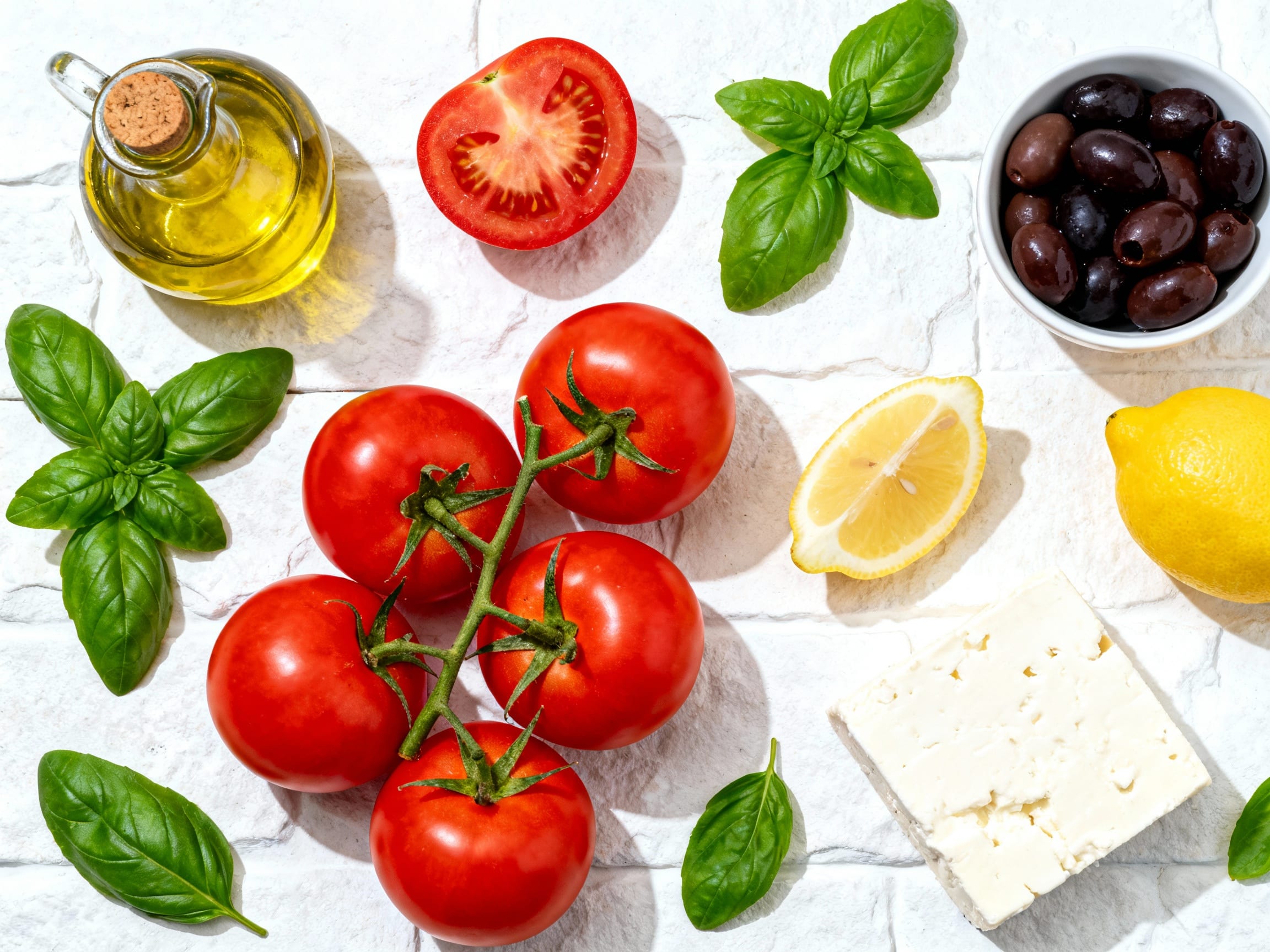
Quick answer: Mediterranean taste is not one spice blend. It is the way olive oil, lemon, vinegar, garlic, herbs, tomatoes, beans, fish, yogurt, grains, olives, and feta balance each other. The same flavors can support a good meal or hide an oversized, salty, low-fiber plate.
Key takeaways
- Think in contrasts: rich olive oil, sharp lemon, soft beans, crisp vegetables, salty olives, and fresh herbs.
- Bread, rice, pasta, nuts, feta, and oil can belong; they just need to be counted like real food.
- A restaurant dish can taste right and still be mostly starch, sauce, and sodium.
- Eatibo helps when the flavor sounds healthy but you need to see calories, protein, fiber, sodium, allergens, and added sugar.
Definition: Mediterranean taste means the flavor pattern on the plate: produce, olive oil, acid, herbs, legumes or grains, seafood or another protein, and salty accents used in a measured way.
The flavor works because the pieces do different jobs. A tomato salad needs fat, acid, salt, and herbs. Lentils need garlic, lemon, parsley, and enough olive oil to feel finished. Fish tastes better with citrus and vegetables than with a heavy sauce. None of that is complicated. The problem starts when the word "Mediterranean" gets used for a huge plate of bread, rice, cheese, sauce, and very few vegetables.
What The Taste Is Actually Doing
Break a good plate into jobs:
- Fat for body: olive oil, tahini, nuts, or yogurt.
- Acid for lift: lemon, vinegar, tomato, or fermented dairy.
- Aromatics for character: garlic, onion, parsley, oregano, mint, cumin, paprika, dill.
- Plants for volume: vegetables, beans, lentils, chickpeas, fruit, greens.
- Protein for staying power: fish, poultry, eggs, yogurt, cheese, beans, or lentils.
- Salt for punctuation: olives, feta, capers, pickles, cured items. Useful, but easy to overdo.
That is why a modest bowl of beans, greens, tomato, olive oil, and lemon can feel like enough. It is also why the nutrition can drift. More oil, more bread, more cheese, more creamy dip, and a large rice base may keep the flavor but change the meal.
When The Flavor Helps The Nutrition
The best version is not fancy. Beans with olive oil and herbs bring fiber and some protein. Grilled fish with vegetables brings protein and unsaturated fat. Yogurt with fruit and nuts can be filling without needing a sweet syrup. A grain bowl with lentils, cucumber, tomato, parsley, and lemon can be simple and still taste complete.
Eatibo is useful when the flavor sounds healthy but the details are not obvious. Scan the meal, barcode, or label, then check calories, protein, fiber, sodium, added sugar, allergens, and additives. If the dish is mostly bread, cheese, sauce, and salty toppings, the scan makes that visible.
Is "Mediterranean Taste" Hard to Achieve? (Especially for Busy Lives?)
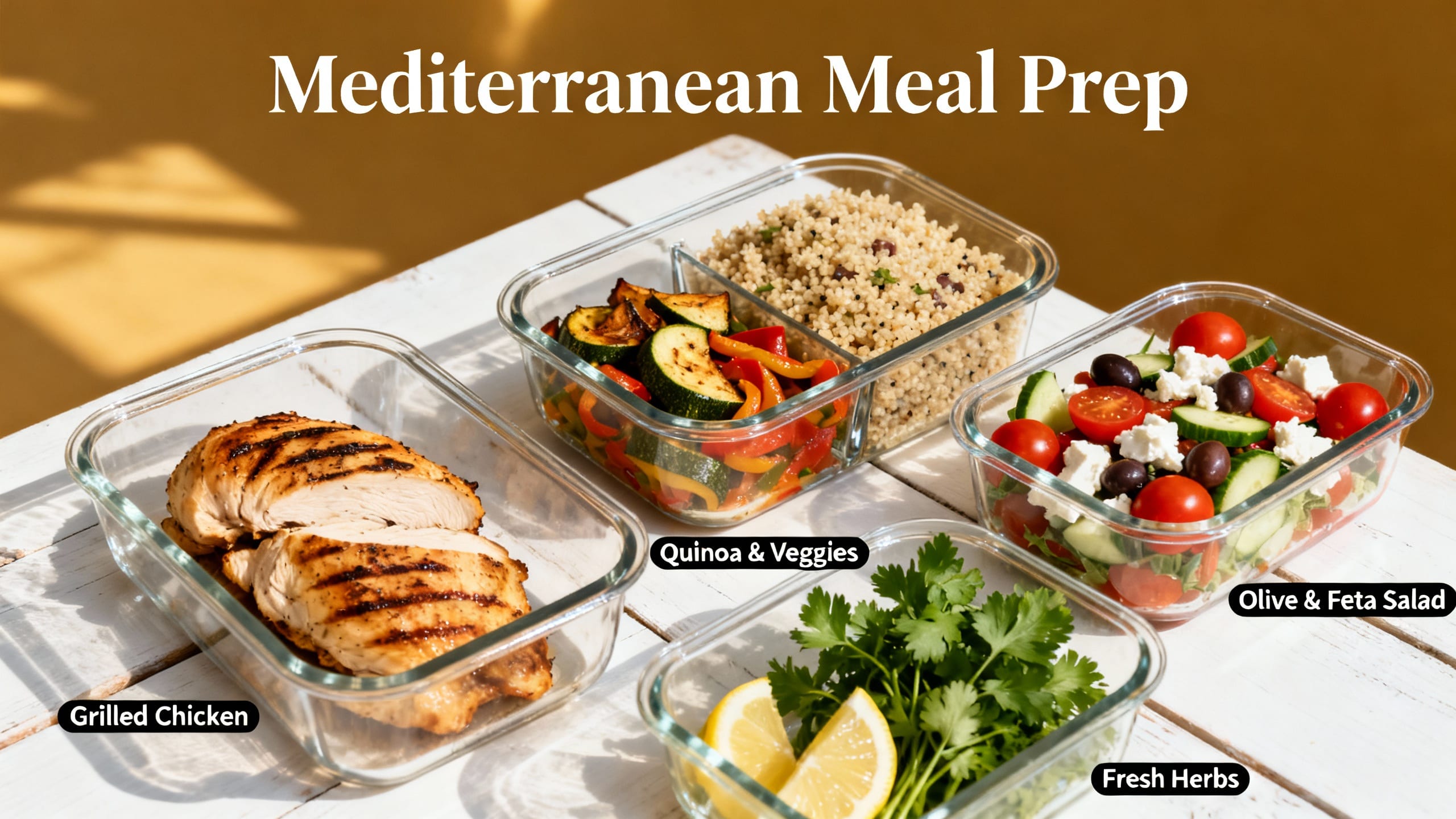
Many people worry that adopting a Mediterranean style of eating is difficult or expensive, but that's often a misconception. Staples like beans, lentils, whole grains, and seasonal vegetables are generally affordable and widely available. Think about simple pasta dishes with fresh tomato sauce, a robust lentil soup, or a vibrant salad with chickpeas and feta. Meal prepping can be a fantastic way to incorporate these tastes into a busy schedule. A large batch of roasted vegetables, a whole-grain salad, or a hearty bean stew can provide delicious, healthy meals for days. It's about shifting focus from highly processed foods to fresh, whole ingredients, which can often be more cost-effective in the long run.
Can I Really Make Mediterranean Tastes My Own? (Personalizing Your Plate)
Absolutely! The beauty of the Mediterranean approach lies in its flexibility. It's a template, not a rigid set of rules. Whether you're aiming for muscle gain, focusing on a low-sugar lifestyle, or managing specific allergies, you can tailor Mediterranean principles to your needs. For instance, if you're building muscle, you might emphasize lean protein sources like fish and chicken, paired with complex carbs. If you're going low-sugar, you'd naturally lean into vegetables and healthy fats, limiting processed sweets. And with Eatibo, you don't have to guess if you're hitting your targets. It tailors guidance to your specific goals, rating items as 'Eat,' 'Limit,' or 'Skip,' to help you build a personalized Mediterranean plate that works for you.
Incorporating the Mediterranean taste into your life is a journey, not a destination. Start small: swap butter for olive oil, add an extra serving of vegetables to your plate, or try a meatless Monday. Focus on fresh ingredients, enjoy your meals, and celebrate the simple, yet profound, flavors that have nurtured health and happiness for centuries. It's an empowering way to eat smarter, one delicious, vibrant meal at a time.
Decision framework
| What to check | Why it changes the answer | Practical next step |
|---|---|---|
| Plant foods, legumes, whole grains, seafood, olive oil | These are the pattern's useful anchors | Build the plate around these before adding extras |
| Bread, pasta, rice, cheese, nuts, oil, or wine | Mediterranean foods can still be calorie-dense | Keep the portion visible instead of assuming the label makes it healthy |
| Sodium, added sugar, and saturated fat | Packaged and restaurant versions vary widely | Check labels, sauces, and sides separately |
| Medical or allergy boundary | A cuisine pattern is not personalized care | Follow clinician-directed limits first |
Concrete examples
- If a meal has vegetables, beans, olive oil, and fish, it may fit the pattern even without a perfect label.
- If a restaurant dish is mostly bread, cheese, creamy sauce, or fried sides, check the portion before assuming it is light.
- If you repeat the same Mediterranean meal weekly, log it once and adjust from your own trend.
Limits and safety notes
Mediterranean-style eating is a general pattern, not a medical prescription. For diagnosed conditions, pregnancy, kidney disease, diabetes medication, severe allergies, eating-disorder recovery, or clinician-directed diets, get qualified guidance before changing your routine.
Where Eatibo fits
Eatibo can turn a broad Mediterranean idea into a specific food decision. Scan the meal, menu, barcode, nutrition label, or ingredient list, then compare calories, macros, sodium, added sugar, allergens, additives, and weekly Nutrition Log patterns.
Sources and references
- American Heart Association: What is the Mediterranean Diet?
- HHS/ODPHP: Current Dietary Guidelines for Americans
- USDA/FNS: Dietary Guidelines for Americans
Frequently asked questions
Is Mediterranean food always healthy?
No. The pattern can be very useful, but portions, sodium, refined grains, cheese, alcohol, sauces, and sweets still matter.
What should I look for first?
Look for vegetables, beans, whole grains, olive oil, fish or lean protein, and minimally processed foods. Then check sodium, added sugar, protein, fiber, and serving size.
Where does Eatibo help?
Eatibo helps when you need to scan a real meal, menu, barcode, label, or ingredient list and compare it against your weekly pattern.
Related reading
- The Complete Mediterranean Cookbook: Your Guide to a Deliciously Healthy Life
- Unlocking Flavor: The Mediterranean Sauces You Need in Your Life
- Savoring Mediterranean: A Smart Approach to Dining at Safir
Last updated: June 1, 2026