
Cracking the Code: How Many Calories Are Really in Your Scrambled Eggs?
Quick answer: Do not stop at the headline calorie or macro number. Start with the serving you will actually eat, then check calories, protein, fiber, sodium, added sugar, saturated fat, ingredients, and allergens against your real goal.
Key takeaways
- Serving size usually changes the answer more than the label headline.
- Compare the tradeoff that matters most for your goal: calories, protein, fiber, sodium, added sugar, saturated fat, ingredients, or allergens.
- One item rarely decides the whole diet; repeated weekly patterns matter more.
- Use official labels and menus when available, then log the real portion you ate.
Definition: In this guide, a smarter food decision means checking the real portion, the practical tradeoffs, personal limits, and the repeat pattern before turning one answer into a rule.
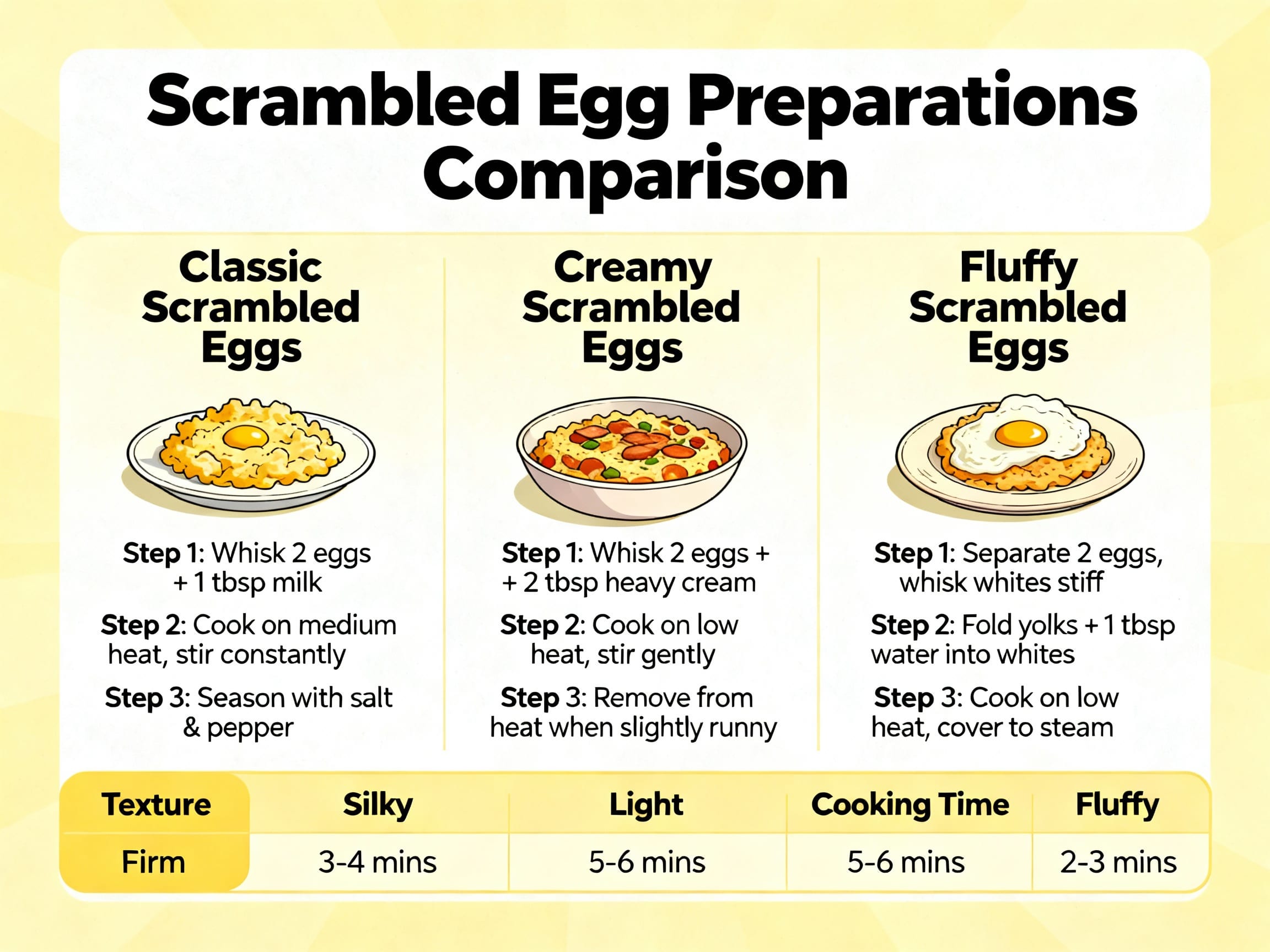
You whip up a plate of scrambled eggs – a healthy, quick breakfast, right? But what if that seemingly simple meal is secretly derailing your diet goals? Many people underestimate the caloric impact of how they prepare their eggs and what they mix in. From diner-style scrambles loaded with cheese to a minimalist protein-packed breakfast, the calorie count of scrambled eggs can swing wildly. Are you truly aware of what you're eating?
How Many Calories Are In a Single Egg, Anyway? (And Why It Matters)
Let's start with the basics. A plain, large whole egg is a pretty straightforward nutritional package. According to the USDA FoodData Central, a large whole egg contains approximately 72 calories. But not all parts of the egg are created equal. The egg white contributes around 17 calories, primarily from protein, while the yolk packs roughly 55 calories, rich in healthy fats, vitamins, and minerals.
Knowing this distinction is key, especially if you're trying to adjust your protein or fat intake. For instance, opting for egg whites can significantly reduce calories and fat while still providing a good protein boost.
What Goes Into Your Scramble: The Hidden Calorie Multipliers You Might Be Missing
Here's where things get interesting and often surprising. The way you cook your eggs and the ingredients you add can drastically change the final calorie count. That seemingly innocent splash of milk or pat of butter can quickly add up.
Consider these common additions:
- Cooking Fats: One tablespoon of butter can add about 102 calories, and one tablespoon of olive oil can add around 119 calories (Source: USDA FoodData Central). Most people don't measure these precisely when cooking, leading to easy overestimation.
- Dairy: Even a small amount of cheese significantly increases calories. For example, 1 ounce of cheddar cheese contains about 113 calories. A splash of milk or cream will also contribute, though typically less than fats or cheese.
- Meats: Adding bacon or sausage can substantially increase both the calorie and fat content of your scrambled eggs.
- Vegetables: Good news here! Most vegetables have a minimal caloric impact and are a fantastic way to add nutrients and volume without many extra calories.
Trying to manually calculate all that for your breakfast every day? It's a recipe for frustration. Imagine simply pointing your phone at your plate of scrambled eggs, and instantly getting the precise calorie, macro, and even additive breakdown – accounting for every ingredient and how it’s prepared. That’s where Eatibo comes in, turning guesswork into certainty. Its AI-powered food scanner can identify your specific ingredients, helping you understand the real numbers on your plate.
Scrambled Eggs: The Macro Breakdown – Protein Powerhouse or Fat Bomb?
Beyond just calories, understanding the macronutrient breakdown (protein, fat, carbohydrates) of your scrambled eggs is crucial for different dietary goals.
- Protein: Eggs are a fantastic source of protein. A large egg provides about 6 grams. If you're looking to build muscle or stay full, increasing your egg count or adding lean protein sources like chicken breast can help.
- Fat: While eggs contain healthy fats, cooking oils, butter, cheese, and meats can quickly turn a moderate-fat meal into a high-fat one. This can be beneficial for ketogenic diets but might hinder weight loss goals if not managed.
- Carbohydrates: Plain eggs have very few carbs. Any significant carb content in your scramble will come from additions like certain vegetables or toast served alongside.
Tailoring your scrambled eggs to your macro needs involves conscious choices about every ingredient.
Are Your Scrambled Eggs Helping or Hurting Your Goals? (Weight Loss, Muscle Gain, Low-Sugar & More)
Your scrambled eggs can be a powerful tool for achieving your health objectives, or they can inadvertently sabotage them. It all depends on how you prepare them.
- For Weight Loss: Focus on reducing caloric density. Consider using more egg whites, cooking with a non-stick spray instead of butter, and loading up on calorie-light vegetables like spinach, mushrooms, and bell peppers.
- For Muscle Gain: Increase your protein and overall calorie intake. This could mean adding more whole eggs, incorporating lean meats like turkey sausage, or mixing in cottage cheese for an extra protein punch.
- For Keto or Low-Carb: Embrace healthy fats! Cook with olive oil or butter, add plenty of cheese, and include high-fat, low-carb vegetables like avocado. Avoid any sugary sauces or carby additions.
But simply knowing the numbers isn't enough; you need personalized guidance. This is where Eatibo elevates your nutrition. Not only does it show you the calories and macros of your scrambled eggs, but it also rates them as 'Eat,' 'Limit,' or 'Skip' based on your specific goals – whether that’s weight loss, muscle gain, or avoiding seed oils. Plus, it offers simple swaps, like suggesting spinach instead of cheese to keep you on track without sacrificing flavor.
Beyond the Numbers: Additives, Allergens, and What Else Your Eggs are Hiding
While calories and macros are primary concerns, it's worth considering other nutritional aspects. If you're using pre-mixed liquid egg products or processed cheese, these might contain additives, preservatives, or higher levels of sodium that aren't present in whole, fresh ingredients. For those with sensitivities, allergens like dairy (from milk or cheese) are also important to track. A comprehensive nutrition tracker like Eatibo can flag these, giving you a fuller picture of what you're consuming.
Mastering Your Morning Meal: Actionable Steps for Smarter Scrambled Eggs
Taking control of your scrambled eggs doesn't have to be complicated. Here are some actionable steps to make them work for your health goals:
- Prioritize whole, fresh ingredients: Opt for whole eggs and fresh vegetables over processed alternatives.
- Be mindful of cooking fats: Measure your butter or oil. Even a teaspoon less can make a difference over time.
- Experiment with healthy add-ins: Get creative with herbs, spices, and a variety of colorful vegetables.
- Consider egg whites: A great option if you're aiming for higher protein with fewer calories and less fat.
- Track with ease: Utilize tools like Eatibo to accurately log your meals without the hassle of manual entry.
Conclusion: Eat Smarter, One Scrambled Egg at a Time.
Understanding the true caloric and nutritional content of your scrambled eggs is a powerful step toward achieving your health and fitness goals. By being aware of how cooking methods and ingredients impact your meal, you can make informed choices that align with your dietary needs. Take control of your nutrition, starting with simple meals like scrambled eggs. Knowing exactly what's on your plate is the first step to achieving any health goal, and with tools like Eatibo, it's easier than ever to eat smarter, one scan at a time.
Decision framework
| What to check | Why it changes the answer | Practical next step |
|---|---|---|
| Serving size or portion | Calories, sodium, sugar, carbs, and fat scale with the amount actually eaten | Log the realistic portion, not the ideal one |
| Protein, fiber, sodium, added sugar, and saturated fat | These decide whether the choice supports fullness and long-term habits | Compare the tradeoff that matters most for your goal |
| Ingredients, sauces, breading, or add-ons | Small extras can change the result quickly | Compare the base item and extras separately |
| Personal restriction applies | General nutrition advice cannot know every boundary | Follow allergy, medication, religious, or clinician-directed rules first |
Concrete examples
- If the food looks healthy but the serving is tiny, check what a realistic portion does to calories, sodium, or sugar.
- If two options have similar calories, choose the one with more protein, fiber, or ingredients you tolerate.
- If the food is occasional and you enjoy it, log it honestly instead of building a strict rule you will not keep.
Limits and safety notes
This guide is for everyday food awareness. It is not a diagnosis tool, allergy authority, medication checker, eating-disorder recovery plan, or substitute for a clinician or registered dietitian. For diagnosed conditions, pregnancy, kidney disease, diabetes medication, severe allergies, or clinician-directed diets, get professional guidance before changing your routine.
Where Eatibo fits
Eatibo is useful when a question turns into something you need to compare or log. You can scan a meal photo, barcode, nutrition label, or ingredient list, review calories and macros, check sodium, added sugar, allergens, additives, and ingredients, then save the result to your Nutrition Log. The point is not one perfect judgment; it is making the next similar choice easier because your own pattern is visible.
Sources and references
- FDA: Calories on the Nutrition Facts Label
- FDA: How to understand and use the Nutrition Facts label
- HHS/ODPHP: Current Dietary Guidelines for Americans
Frequently asked questions
Is this something I need to avoid completely?
Usually no. The better question is portion, frequency, and fit. A food can be fine occasionally but less useful as an everyday default if it repeatedly pushes sodium, added sugar, saturated fat, calories, or allergens past your limits.
What should I check first?
Start with the serving size you will actually eat. Then check the tradeoff most relevant to your goal: calories, protein, fiber, sodium, added sugar, saturated fat, ingredients, or allergens. The order matters because a tiny serving can hide a bigger real-world intake.
How can Eatibo help me decide faster?
Eatibo helps you scan or log the choice, compare the practical nutrition details, and review the pattern later. It is most useful for repeat decisions because the app can show whether similar foods are helping your weekly routine or quietly pushing it off track.
Related reading
- Fried Egg Calories – Your Guide to a Healthier Fry
- Cuántas Calorías Debo Consumir al Día: Unraveling the Calorie Conundrum
- Decoding Corn Tortilla Calories: Your Smart Guide to Smarter Taco Nights
Last updated: June 1, 2026