
The Complete Mediterranean Cookbook: Your Guide to a Deliciously Healthy Life
Quick answer: A recipe is only useful if the serving size is honest. Check how much oil, salt, sauce, cheese, grain, starch, or protein is in your portion, then decide whether the meal fits your calorie, macro, sodium, fiber, or ingredient goal.
Key takeaways
- Recipe names can sound healthy while oil, salt, cheese, sauces, or portions drive the numbers.
- Serving size, protein, fiber, and sodium are usually more useful than a broad diet label.
- Ingredient swaps work best when they protect flavor and the reason you wanted the dish.
- Log the cooked portion once so future versions are easier to estimate.
Definition: In this guide, a smarter recipe decision means checking the real portion, the main nutrition drivers, personal limits, and the repeat pattern before turning a dish into a default.
Dreaming of sun-drenched coasts, vibrant food, and a life full of vitality? Many people feel overwhelmed by endless diet trends promising quick fixes that rarely last. What if the "secret" to longevity and health wasn't a secret at all, but ancient wisdom wrapped in delicious, accessible meals?
The Mediterranean diet offers a refreshing contrast to restrictive eating, consistently ranking as a top diet for overall health year after year by publications like U.S. News & World Report. It's less about deprivation and more about embracing flavorful, whole foods.
Why Should I Even Consider the Mediterranean Diet?
This eating pattern goes beyond just weight loss; it's a blueprint for vibrant health. Imagine a life where you enjoy nourishing meals without feeling guilty, while simultaneously boosting your well-being.
Research from leading health organizations highlights its profound benefits:
- Heart Health: The American Heart Association and Harvard Health Publishing confirm its strong association with improved cardiovascular health, significantly reducing the risk of heart disease and stroke. This is largely thanks to its emphasis on healthy fats, whole grains, and lean proteins.
- Longevity: Studies from the National Institutes of Health suggest that adhering to a Mediterranean diet can contribute to increased longevity and a reduced risk of premature death. Its anti-inflammatory properties are believed to play a key role.
- Diabetes Prevention: Harvard Health Publishing notes the diet's focus on whole foods, high fiber, and healthy fats helps regulate blood sugar levels, thereby reducing the risk of developing type 2 diabetes.
- Cognitive Function: The National Institutes of Health and Harvard Health Publishing also point to emerging research indicating that the Mediterranean diet may support cognitive health, potentially lowering the risk of cognitive decline and neurodegenerative diseases.
What Is the Mediterranean Diet, Really? What Are Its Core Principles?
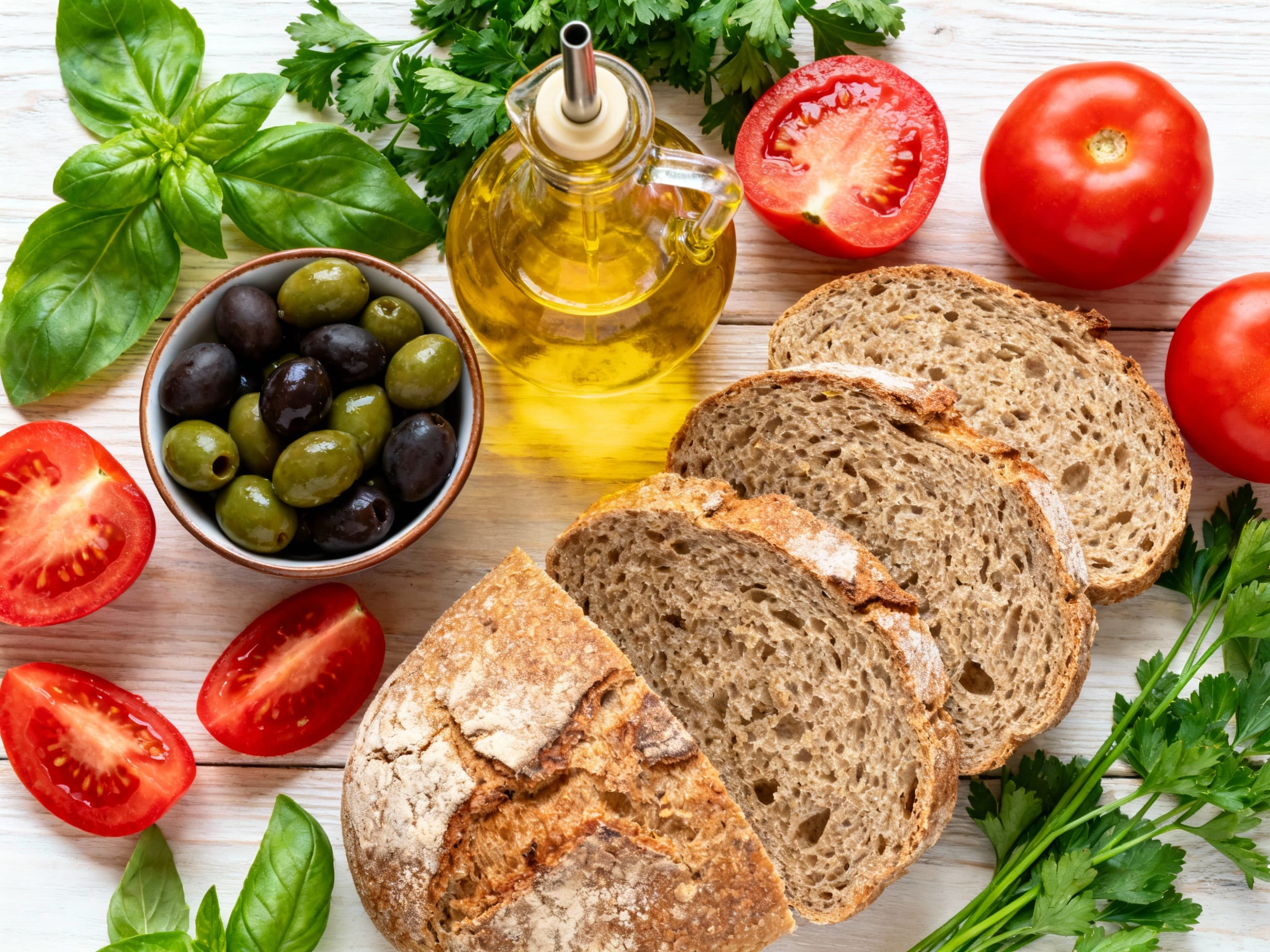
At its heart, the Mediterranean diet is about enjoying real, unprocessed food. It's a culinary philosophy inspired by the traditional eating habits of countries bordering the Mediterranean Sea. Think of it as a pyramid:
- Base (Daily): Abundance of fruits, vegetables, whole grains, legumes, nuts, seeds, herbs, and spices. Olive oil is the primary source of fat.
- Middle (Regularly): Fish and seafood (at least twice a week), poultry, eggs, and dairy products (yogurt, cheese) in moderation.
- Top (Sparsely): Red meat and sweets are reserved for occasional treats.
The nutritional powerhouse of this diet comes from its key ingredients. Extra virgin olive oil, rich in monounsaturated fats, provides anti-inflammatory benefits. Fresh produce and whole grains deliver essential vitamins, minerals, and fiber. Fish offers omega-3 fatty acids, crucial for brain and heart health.
What Should I Actually Eat (and Avoid)?
Let's get practical. Here's a quick guide to stocking your pantry and making meal choices:
Eat Freely:
- Vegetables: Spinach, broccoli, tomatoes, bell peppers, zucchini, eggplant, onions, garlic.
- Fruits: Apples, oranges, berries, grapes, figs, peaches.
- Whole Grains: Whole wheat bread, pasta, brown rice, oats, quinoa, barley.
- Legumes: Lentils, chickpeas, beans.
- Nuts & Seeds: Almonds, walnuts, sunflower seeds, chia seeds.
- Healthy Fats: Extra virgin olive oil (your primary fat source), avocados.
- Herbs & Spices: Basil, oregano, rosemary, thyme, parsley.
Enjoy in Moderation:
- Fish & Seafood: Salmon, tuna, mackerel, sardines, shrimp (at least two servings per week).
- Poultry: Chicken, turkey.
- Dairy: Greek yogurt, cheese (feta, mozzarella).
- Eggs: 2-4 times a week.
Limit/Avoid:
- Processed Foods: Packaged snacks, fast food, sugary drinks.
- Refined Grains: White bread, white pasta.
- Unhealthy Fats: Trans fats, hydrogenated oils.
- Processed Meats: Bacon, sausages.
- Added Sugars: Candies, pastries, most desserts.
This is where Eatibo shines! When you're trying to figure out if that "Mediterranean-style" dressing or packaged dip truly aligns with your goals, just point your Eatibo scanner at the label. It instantly breaks down ingredients, flags additives, and tells you if it's an "Eat," "Limit," or "Skip" for your personal Mediterranean journey. No more guessing games in the grocery aisle!
Are There Different "Flavors" of the Mediterranean Diet to Explore?
Absolutely! The Mediterranean diet isn't a single, rigid plan. It's a collection of dietary patterns from various countries like Greece, Italy, Spain, and even parts of the Middle East. While the core principles remain, regional ingredients and culinary traditions create delicious variations. For instance, Greek cuisine might feature more feta and olives, while Italian dishes lean on tomatoes and pasta (whole grain, of course!).
The beauty is in its adaptability. Whether you're aiming for muscle gain while eating Mediterranean, need a low-sugar version, or want to ensure your meals are seed-oil-free, Eatibo acts as your personalized nutrition coach. It helps you fine-tune your Mediterranean choices to meet your unique health objectives, offering simple swaps and tailored guidance right from your phone.
How Can I Make the Mediterranean Lifestyle Work for My Busy Life?
Embracing the Mediterranean lifestyle doesn’t mean you need to move to Santorini. It's about bringing those principles into your daily routine.
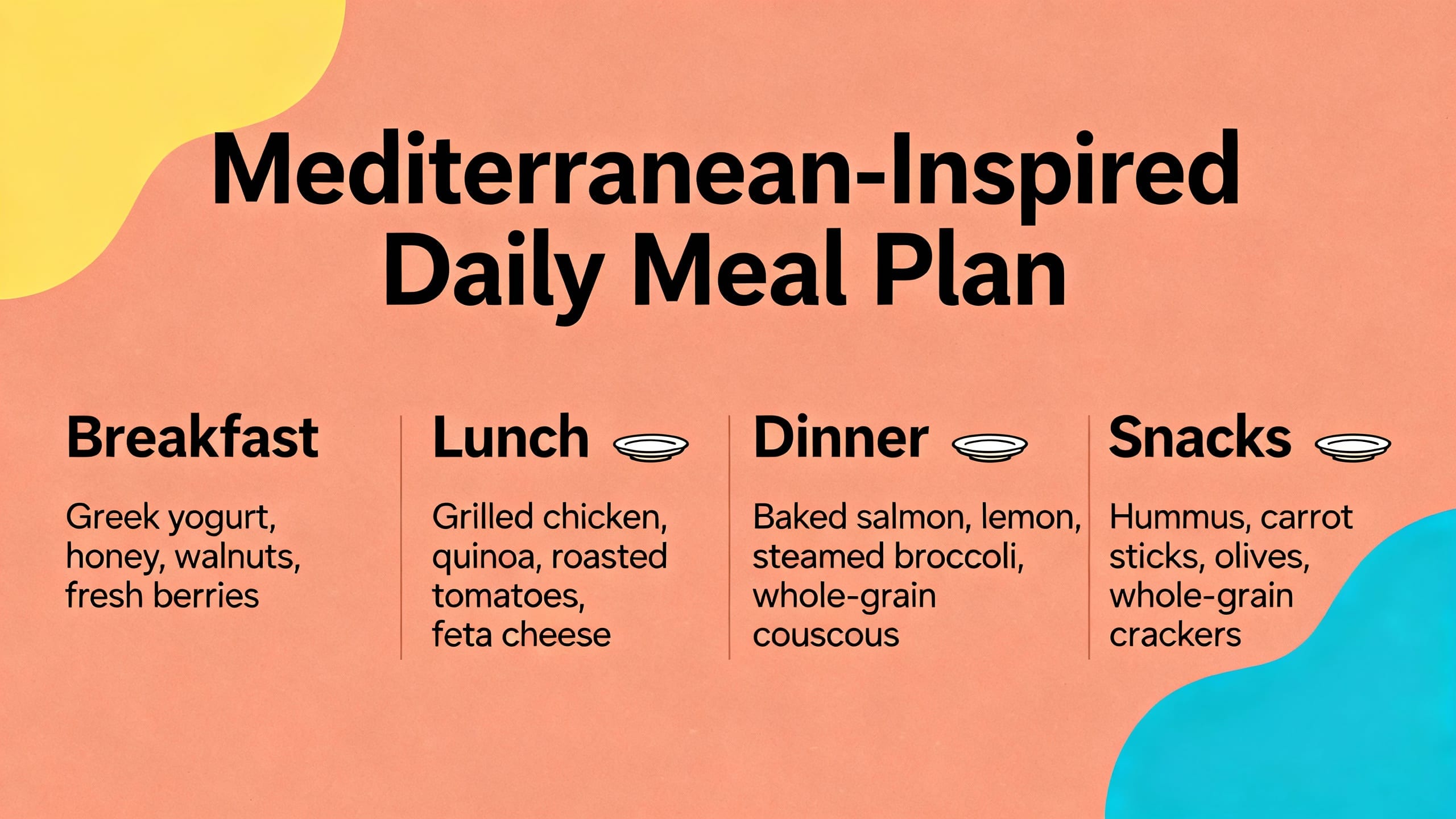
- Meal Prep Smart: Dedicate an hour or two on weekends to chop veggies, cook a batch of whole grains, or grill some chicken or fish. This makes weeknight meals a breeze.
- Simple Recipes: Focus on dishes with fresh ingredients that don't require complex steps. Think sheet pan dinners, quick salads, or hearty lentil soups.
- Dining Out: Look for grilled fish, large salads with olive oil dressing, vegetable-heavy pasta dishes, or mezze platters. Don't be afraid to ask for substitutions.
- Stay Active: Physical activity is an integral part of the Mediterranean lifestyle. Even a daily walk can make a big difference.
- Enjoy Socially: This diet isn't about isolation. Share meals with loved ones, savor the process, and appreciate the connection food brings.
Ready to Embark on Your Mediterranean Journey?
The Mediterranean diet offers a delicious, sustainable path to better health and increased longevity. It's not a temporary fix but a lifestyle choice that celebrates fresh, whole foods and the joy of eating well. Start small: swap butter for olive oil, add an extra serving of vegetables, or choose fish over red meat once a week. Empower yourself with knowledge, and let tools like Eatibo guide you in making informed choices that truly align with your goals. Your journey to a healthier, more vibrant you begins now.
Decision framework
| What to check | Why it changes the dish | Practical next step |
|---|---|---|
| Serving size | Recipe nutrition changes fast when the portion doubles | Log the cooked portion you actually eat |
| Oil, cheese, sauce, nuts, or starch | These ingredients can drive calories, sodium, or saturated fat | Measure once, then adjust future versions by feel |
| Protein and fiber | They affect fullness more than the recipe name does | Add beans, yogurt, fish, eggs, lean meat, or vegetables when useful |
| Personal restriction applies | General recipes do not know allergies, medications, or clinician rules | Use verified substitutions and professional guidance where needed |
Concrete examples
- If a dish feels healthy but uses several tablespoons of oil, measure once so the estimate is not fantasy.
- If you want more fullness, increase protein or fiber before cutting flavor.
- If a recipe becomes a weekly default, save the logged version so the next meal takes less work.
Limits and safety notes
Recipe guidance is approximate because ingredient brands, cooking methods, and portions vary. This guide is not allergy clearance, medication advice, eating-disorder recovery guidance, or a substitute for a clinician or registered dietitian.
Where Eatibo fits
Eatibo helps when a recipe becomes something you actually eat. Scan ingredients or a plate photo, check calories, macros, sodium, added sugar, allergens, and additives, then save the meal to your Nutrition Log so repeat versions are easier to compare.
Sources and references
- HHS/ODPHP: Current Dietary Guidelines for Americans
- USDA/FNS: Dietary Guidelines for Americans
- FDA: How to understand and use the Nutrition Facts label
Frequently asked questions
Is this recipe automatically healthy?
No. The answer depends on serving size, ingredients, oil, salt, sauce, protein, fiber, and how often you eat it.
What should I adjust first?
Adjust the biggest driver first: portion size, oil, sauce, cheese, starch, sodium, protein, or fiber. Small swaps work better when they keep the dish enjoyable.
How can Eatibo help with recipes?
Eatibo can scan ingredients or the finished plate, then save the estimate so repeat versions are easier to compare.
Related reading
- Savoring the Mediterranean Taste – More Than Just a Diet
- Unlocking Flavor: The Mediterranean Sauces You Need in Your Life
- Savoring Mediterranean: A Smart Approach to Dining at Safir
Last updated: June 1, 2026