
Decoding Tropical Smoothie Calories: Friend or Foe to Your Health Goals?
You grab a vibrant, fruity concoction from your favorite smoothie spot, feeling good about fueling your body. But what if that "healthy" sip is actually a sugar bomb in disguise, potentially sabotaging your goals? It’s a common misconception that all smoothies are inherently healthy, especially the store-bought ones.
That refreshing drink can sometimes contain a surprising amount of calories and sugar. Let's peel back the layers on your favorite tropical sips and uncover what's really in your cup.
How Many Calories Are Really Hiding in Your Tropical Smoothie?
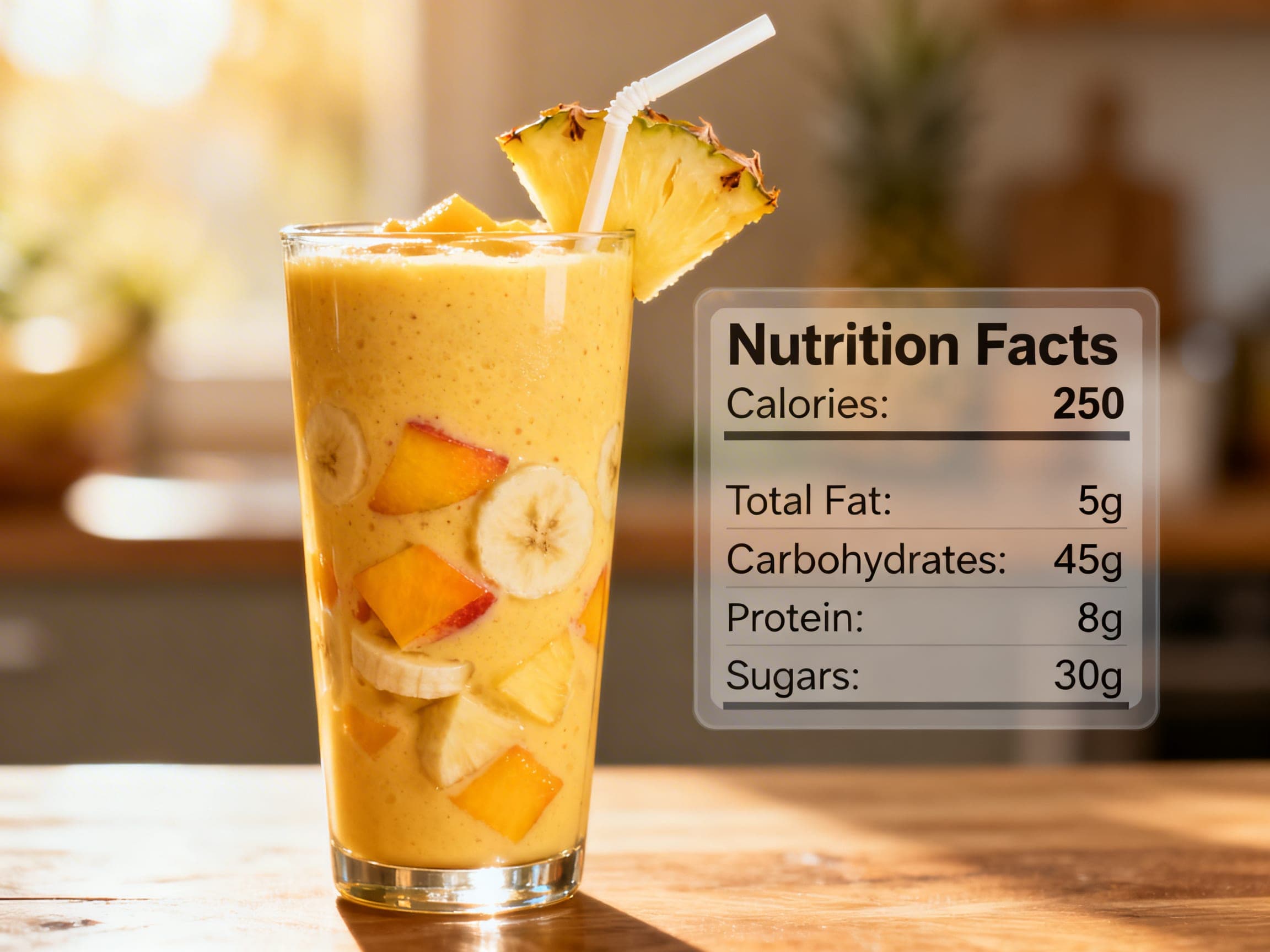
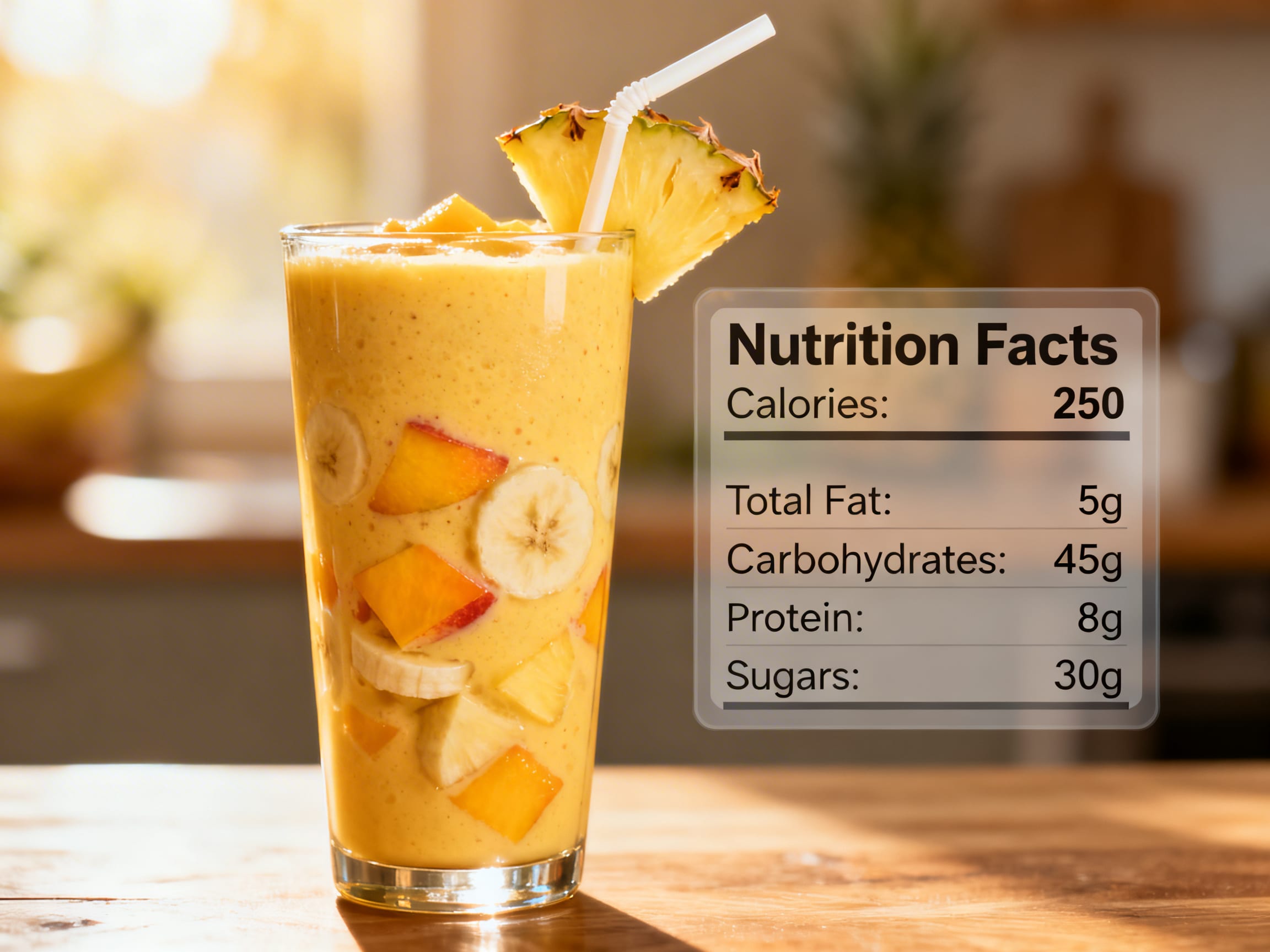
Many people often underestimate the calorie count in commercial smoothies. While they're packed with fruits, they can also include added sugars, fruit juices, and high-calorie bases that quickly increase the numbers. A typical small (24 oz) smoothie at a popular chain like Tropical Smoothie Cafe can range anywhere from 250 to over 700 calories, depending on the ingredients.
For instance, a classic like the Bahama Mama (24 oz) might hover around 400-500 calories, while something like a Peanut Paradise (24 oz) could easily exceed 600 calories due to the peanut butter and other dense additions. Even seemingly innocent "green" smoothies can pack a punch if they include fruit juices or sweetened yogurts. The wide range comes from things like whole fruit vs. juice, sorbets, and specific protein or fat add-ins.
Beyond Calories: What About the Sugar, Fat, and Protein?
Calories are just one piece of the puzzle. The sugar content in many commercial smoothies is often a huge surprise. A single 24 oz smoothie can contain 50 to over 100 grams of sugar, often far exceeding the World Health Organization's (WHO) recommendation of limiting daily added sugar intake to about 25-50 grams for adults. That's right, one drink could blow through your entire day's sugar budget!
High sugar intake can lead to energy crashes, contribute to weight gain, and negatively impact overall health. Beyond sugar, you'll find varying levels of fat (from ingredients like avocado, coconut, or peanut butter) and protein (if specifically added). Trying to figure out if your go-to smoothie is a sugar bomb or a protein powerhouse can feel like detective work. This is where tools like Eatibo come in handy. Just point your camera at the nutrition label or even a picture of your custom order, and Eatibo instantly breaks down the calories, macros, and flags any additives, so you know exactly what you're sipping.
Why Does the Nutritional Info Seem So Complicated?
Have you ever tried to build your own smoothie and felt overwhelmed by the sheer number of options? That's part of the complexity. Customization options, varying portion sizes (small, regular, large), and the difference between whole fruit and fruit juice concentrates all contribute to the nutritional ambiguity. A "strawberry" smoothie could mean whole strawberries, or it could mean a strawberry-flavored syrup with minimal actual fruit. These subtle differences can drastically change the calorie and sugar count without you even realizing it.
How Can You Make Smarter Tropical Smoothie Choices for Your Goals?
Making healthier choices doesn't mean giving up your favorite treat entirely. It's about being informed and strategic. If you're aiming for weight loss, muscle gain, or trying to manage blood sugar, your smoothie strategy needs to shift.
Here are some practical takeaways:
- Ask for no added sugar/sweeteners: Many places add extra sweeteners beyond the fruit.
- Opt for water or unsweetened milk bases: Avoid fruit juices or sweetened yogurts as your base.
- Prioritize whole fruits and veggies: These provide fiber and nutrients, unlike fruit concentrates.
- Be mindful of high-calorie add-ins: Extra peanut butter, sorbet, or certain protein powders can quickly inflate calories.
- Consider "light" or "skinny" options: But always check their specific nutrition, as "light" doesn't always mean low sugar.
This is where personalized guidance becomes invaluable. Whether your goal is weight loss, muscle gain, or even avoiding seed oils, Eatibo doesn’t just show you the numbers; it rates items as ‘Eat,’ ‘Limit,’ or ‘Skip’ and then tailors guidance for simple swaps. It's like having a smart nutrition coach in your pocket, helping you navigate the smoothie menu with confidence and making sure your choices align with your personal health goals.
Sip Smarter, Not Harder: Your Path to Healthier Smoothie Habits
Understanding what's in your cup is the first step toward making choices that truly support your health and fitness goals. Smoothies can be a fantastic way to get nutrients quickly, but they can also be hidden sources of excess calories and sugar. By being mindful, asking questions, and utilizing tools that provide clear nutritional insights, you can transform your favorite tropical treat into a powerful ally for your well-being. Every sip is an opportunity to fuel your body right. Make it count.
Leave A Reply
Login to post your comment or signup if you dont have any account