
Unlocking the Mediterranean Diet: Simple Secrets for a Healthier You
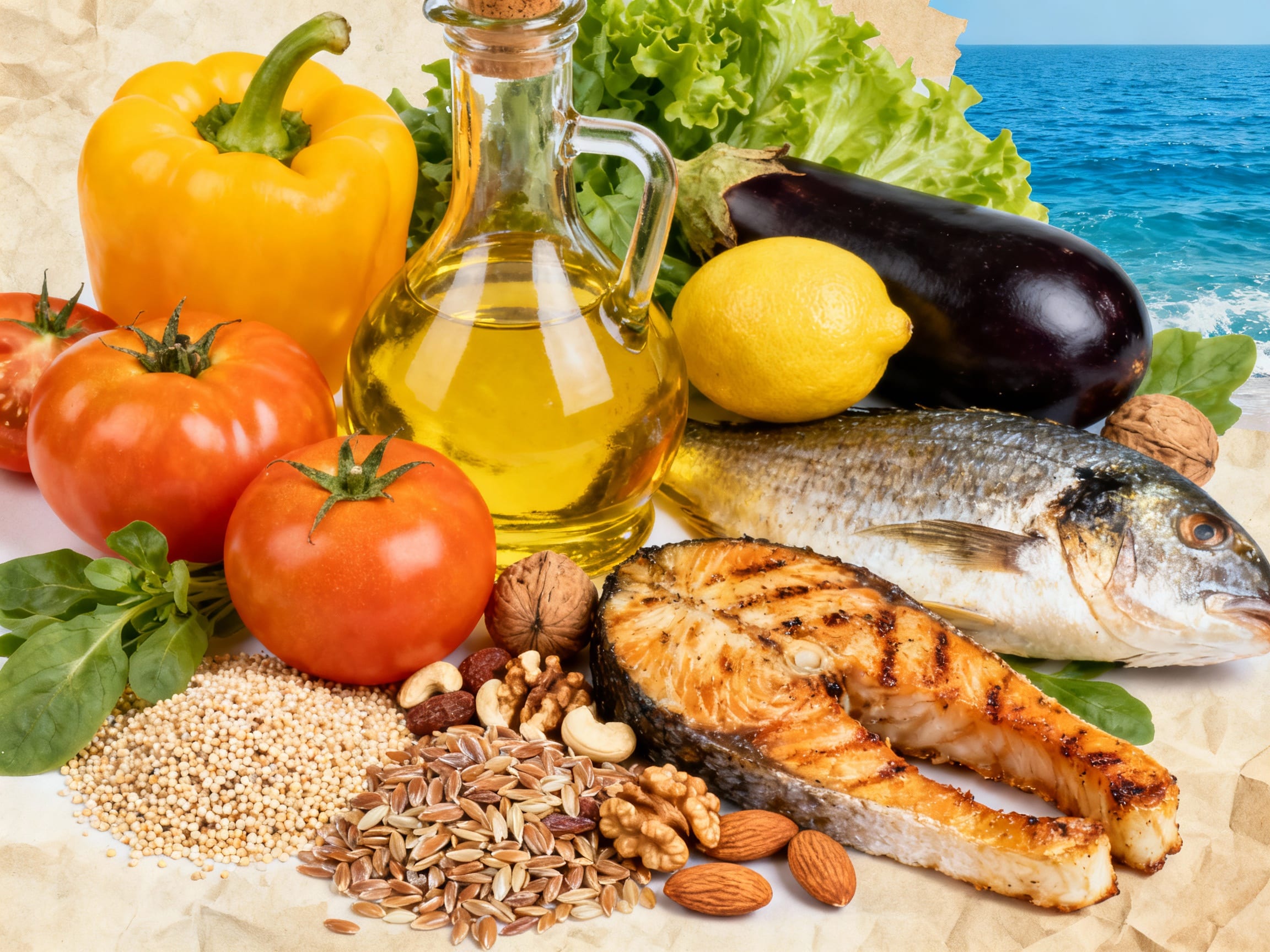
Quick answer: Mediterranean-style eating works best as a pattern, not as a magic label. Look for vegetables, beans, whole grains, olive oil, seafood, yogurt, herbs, and minimally processed foods, then still check portions, sodium, protein, fiber, and added sugar.
Key takeaways
- The Mediterranean pattern is flexible; it is not one fixed meal plan.
- Olive oil, nuts, bread, rice, pasta, cheese, and wine can fit, but portions still matter.
- Protein, fiber, sodium, and added sugar make the difference between a helpful meal and a vague wellness claim.
- Use the label, menu, or meal photo when you need a decision you can repeat.
Definition: In this guide, a smarter Mediterranean food decision means checking the actual dish, the practical nutrition tradeoffs, personal limits, and the repeat pattern before treating a cuisine label as a health guarantee.
Ever wondered why people in the "Blue Zones" of the Mediterranean seem to live longer, healthier lives, often enjoying delicious food well into their nineties? It's not just the sunshine; it's a centuries-old way of eating that's both satisfying and scientifically proven to boost well-being. This isn't about deprivation; it's about a rich, flavorful approach to food and life.
What Exactly is the Mediterranean Diet, Anyway?
The Mediterranean diet isn't a strict, calorie-counting regimen; it's more of a lifestyle pattern inspired by the traditional eating habits of countries bordering the Mediterranean Sea, like Greece, Italy, and Spain. Imagine a plate abundant with fresh fruits, vibrant vegetables, whole grains, legumes, nuts, and healthy fats like olive oil. Fish and poultry are common, often several times a week, while red meat is consumed sparingly, perhaps a few times a month. It emphasizes local, seasonal produce and minimal processing.
Why Do So Many Health Experts Rave About It?
Health professionals and researchers consistently praise the Mediterranean diet for its profound health benefits. It's a powerful ally against chronic diseases, primarily due to its emphasis on anti-inflammatory foods and healthy fats. Studies have shown it can significantly reduce the risk of cardiovascular disease and stroke. The diet also supports brain health, with research suggesting it can improve cognitive function and potentially lower the risk of Alzheimer's disease. Its high fiber content contributes to better gut health and blood sugar regulation.
Sifting through countless articles to understand which foods truly align with these benefits can be overwhelming. That's where technology can help. Imagine if you could instantly know if that seemingly healthy snack fits your Mediterranean goals, or if a restaurant meal is truly a good choice. Eatibo's AI-powered food scanner lets you point your camera at a meal or label to get instant calories, macros, and flags for additives. It then rates items as Eat/Limit/Skip, aligning perfectly with the mindful choices the Mediterranean diet encourages. It takes the guesswork out of healthy eating, making it easier to stick to your goals.
Is It Just About Food, or Something More?
While the food is central, the Mediterranean diet is deeply intertwined with a broader lifestyle. It's about savoring meals, often shared with family and friends, fostering social connection that's vital for mental well-being. Physical activity is naturally incorporated, whether through walking, gardening, or daily chores. Mindfulness and moderation are also key; it's about enjoying food without excess, appreciating quality over quantity. This holistic approach contributes significantly to the longevity and vitality observed in these regions.

How Can I Actually Start Eating This Way Without Feeling Overwhelmed?
Embracing the Mediterranean diet doesn't require an instant overhaul. Start small. Swap butter for extra virgin olive oil when cooking. Replace some red meat meals with fish or legumes like lentils and chickpeas. Add an extra serving of vegetables to your dinner plate. Opt for whole-grain bread instead of white. Make water your primary beverage and enjoy wine in moderation, if at all. These small, consistent changes build into a sustainable eating pattern.
Making these dietary shifts personal and sustainable is key. But what if you have specific goals like weight loss, muscle gain, or avoiding seed oils? How do you ensure your Mediterranean journey is truly tailored to you? Eatibo isn't just a scanner; it's a smart nutrition coach that tailors guidance to your unique goals. It offers simple swaps based on your preferences, provides a clean food log with a calendar view, and shows weekly trends so you can truly act on your progress. It's like having a personalized Mediterranean guide in your pocket, making your journey both easier and more effective.
Embracing the Mediterranean diet isn't about deprivation; it's about abundance – of flavor, health, and a more joyful approach to eating. Start small, focus on whole foods, savor your meals, and consider how smart tools can make your journey both easier and more effective. Your plate, and your health, will thank you for it.
Decision framework
| What to check | Why it changes the answer | Practical next step |
|---|---|---|
| Plant foods, legumes, whole grains, seafood, olive oil | These are the pattern's useful anchors | Build the plate around these before adding extras |
| Bread, pasta, rice, cheese, nuts, oil, or wine | Mediterranean foods can still be calorie-dense | Keep the portion visible instead of assuming the label makes it healthy |
| Sodium, added sugar, and saturated fat | Packaged and restaurant versions vary widely | Check labels, sauces, and sides separately |
| Medical or allergy boundary | A cuisine pattern is not personalized care | Follow clinician-directed limits first |
Concrete examples
- If a meal has vegetables, beans, olive oil, and fish, it may fit the pattern even without a perfect label.
- If a restaurant dish is mostly bread, cheese, creamy sauce, or fried sides, check the portion before assuming it is light.
- If you repeat the same Mediterranean meal weekly, log it once and adjust from your own trend.
Limits and safety notes
Mediterranean-style eating is a general pattern, not a medical prescription. For diagnosed conditions, pregnancy, kidney disease, diabetes medication, severe allergies, eating-disorder recovery, or clinician-directed diets, get qualified guidance before changing your routine.
Where Eatibo fits
Eatibo can turn a broad Mediterranean idea into a specific food decision. Scan the meal, menu, barcode, nutrition label, or ingredient list, then compare calories, macros, sodium, added sugar, allergens, additives, and weekly Nutrition Log patterns.
Sources and references
- American Heart Association: What is the Mediterranean Diet?
- HHS/ODPHP: Current Dietary Guidelines for Americans
- USDA/FNS: Dietary Guidelines for Americans
Frequently asked questions
Is Mediterranean food always healthy?
No. The pattern can be very useful, but portions, sodium, refined grains, cheese, alcohol, sauces, and sweets still matter.
What should I look for first?
Look for vegetables, beans, whole grains, olive oil, fish or lean protein, and minimally processed foods. Then check sodium, added sugar, protein, fiber, and serving size.
Where does Eatibo help?
Eatibo helps when you need to scan a real meal, menu, barcode, label, or ingredient list and compare it against your weekly pattern.
Related reading
- Savoring the Mediterranean: Your Guide to Delicious & Nutritious Dijon Chicken Catering
- Savoring the Mediterranean Diet: Your Guide to Healthier Grilling & Grocery Shopping
- Savoring Smarter: How Mediterranean Grills and Pizza Fit Your Health Goals
Last updated: June 1, 2026