
Unmasking the Mango: Your Nutritional Compass

Quick answer: Do not stop at the headline calorie or macro number. Start with the serving you will actually eat, then check calories, protein, fiber, sodium, added sugar, saturated fat, ingredients, and allergens against your real goal.
Key takeaways
- Serving size usually changes the answer more than the label headline.
- Compare the tradeoff that matters most for your goal: calories, protein, fiber, sodium, added sugar, saturated fat, ingredients, or allergens.
- One item rarely decides the whole diet; repeated weekly patterns matter more.
- Use official labels and menus when available, then log the real portion you ate.
Definition: In this guide, a smarter food decision means checking the real portion, the practical tradeoffs, personal limits, and the repeat pattern before turning one answer into a rule.
That vibrant, sweet aroma. The juicy, tender flesh. A mango is pure bliss, a taste of tropical sunshine in every bite. But have you ever paused to wonder what nutritional secrets this delicious fruit truly holds? You've just peeled a juicy mango – but what are you really about to eat?
Many of us love mangoes, yet we're often surprisingly unaware of their detailed nutritional profile. Is this tropical escape in your hand a health hero or a sugar trap?
How Many Calories Are Really in My Mango?
When you’re enjoying a mango, it's natural to wonder about its calorie count. The simple answer is, it depends on the size. A medium mango, weighing around 200 grams, typically contains about 135-150 calories. If you're looking at a cup of diced mango, that usually clocks in around 99 calories.
A small mango might have closer to 100 calories, while a large one could easily reach 200 calories or more. So, portion awareness is key if you're tracking your intake.
Beyond Calories: What Else Am I Eating When I Enjoy a Mango?
Mangoes offer so much more than just calories; they're packed with beneficial nutrients. Let's break down what's inside.
A typical 1-cup serving of diced mango (about 165 grams) provides:
- Carbohydrates: Roughly 25 grams, primarily from natural sugars.
- Fiber: Around 2.6 grams, which is fantastic for digestive health and helps manage blood sugar levels.
- Protein: A modest 1.4 grams.
- Fat: A negligible 0.6 grams.
Beyond the macros, mangoes are a powerhouse of vitamins and minerals. They are an excellent source of Vitamin C, providing almost 70% of your daily recommended intake in that same 1-cup serving. This vitamin is crucial for immune function and skin health. You'll also get a good dose of Vitamin A (from beta-carotene), important for vision, and folate, essential for cell growth. Potassium is another notable mineral, supporting heart health and blood pressure regulation. Plus, mangoes are rich in various antioxidants, which help combat oxidative stress in the body.
Trying to track your specific sugar intake or fiber goals? Instead of guessing, just point your camera at your mango with Eatibo. It instantly breaks down the exact carbs, sugars, and fiber content right in front of you, specific to your fruit, giving you precise insights without any manual calculations.
Is the Sugar in Mango Something to Worry About?
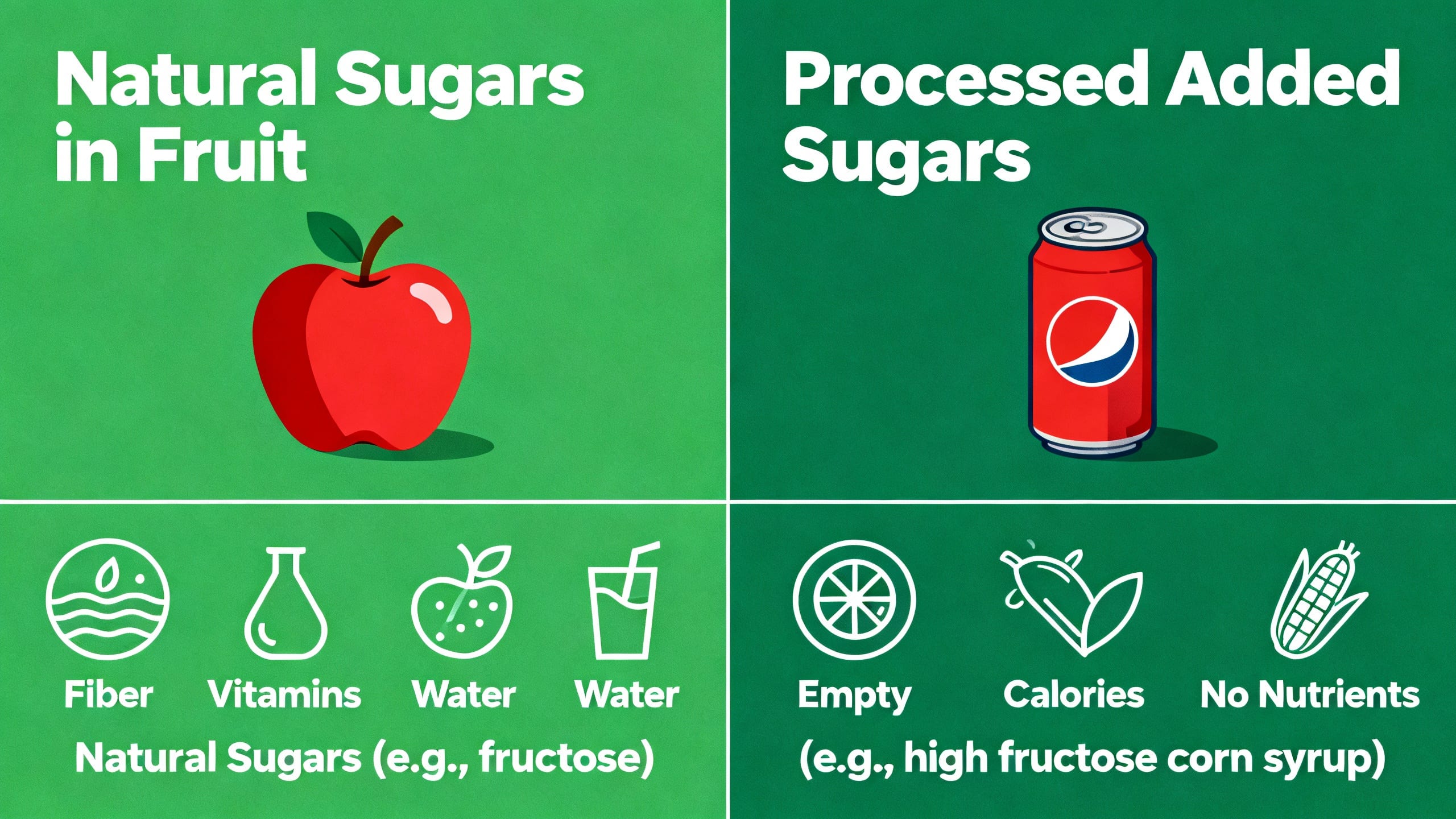
Mangoes are undeniably sweet, leading some to question their sugar content. It's true that a cup of diced mango contains about 23 grams of natural sugars. However, it’s crucial to differentiate between natural sugars found in whole fruits and added sugars in processed foods. The sugars in mangoes come wrapped in fiber, water, vitamins, and antioxidants.
This fiber plays a significant role in how your body processes the sugar. It slows down digestion, leading to a more gradual rise in blood sugar compared to consuming added sugars without fiber. The Glycemic Index (GI) of mangoes is generally considered moderate, ranging from 41 to 60, depending on ripeness. This means they won't cause a drastic spike in blood sugar for most people when consumed in moderation.
Can a Mango Fit My Health Goals?
Absolutely! Mangoes can be a fantastic addition to almost any healthy eating plan.
- For Weight Loss: Due to their fiber content and natural sweetness, mangoes can help you feel full and satisfied, potentially reducing cravings for less healthy snacks. Portion control is key here; enjoy a serving as a snack or part of a meal.
- For Low-Sugar Diets: While mangoes contain natural sugars, their fiber content helps mitigate rapid blood sugar spikes. If you're managing blood sugar, pair your mango with a source of protein or healthy fats (like nuts or yogurt) to further stabilize your response.
- For Muscle Gain: Mangoes provide a good source of carbohydrates for energy, making them an excellent pre- or post-workout snack to fuel your activities and aid recovery. They're also hydrating, which is important for active individuals.
Whether you're aiming for weight loss, following a low-sugar diet, or trying to optimize for seed-oil-free living, Eatibo doesn't just tell you what's in your mango – it rates it 'Eat / Limit / Skip' based on your personal goals and even suggests simple swaps if you need to adjust your diet. This personalized guidance takes the guesswork out of healthy eating.
Quick Scan, Smart Choices: How to Eat Your Mangoes Wisely.
So, how can you enjoy this tropical delight as part of a balanced diet? Here are some practical tips:
- Portion Control: Stick to a 1-cup serving size to keep calories and sugar in check.
- Pair It Up: Combine mango with protein (like Greek yogurt or cottage cheese) or healthy fats (a handful of almonds) to slow sugar absorption and increase satiety.
- Consider Ripeness: Firmer, less ripe mangoes tend to have a slightly lower sugar content and a different flavor profile.
- Variety is Key: Enjoy mangoes as part of a diverse diet rich in various fruits, vegetables, and whole foods.
The next time you reach for that golden, sweet mango, do so with confidence. Understand its vibrant nutritional profile, listen to your body, and know that smart eating is just a scan away for instant, personalized insights into every bite you take.
Decision framework
| Mango question | What changes the answer | What to do next |
|---|---|---|
| How big is the mango? | A small fruit and a large fruit can differ by 100 calories or more | Weigh it once, or log the amount you actually cut into the bowl |
| Is it a snack or part of a meal? | Mango alone may not keep you full for long | Pair it with yogurt, nuts, cottage cheese, or another protein/fat source if you need satiety |
| Are you watching blood sugar? | Natural sugar still counts, especially when the portion is large or very ripe | Keep the serving modest and follow clinician guidance if you monitor glucose |
| Are you using dried mango? | Dried fruit is much more concentrated and often has added sugar | Check the label before treating it like fresh mango |
Concrete examples
- Half a fresh mango with Greek yogurt is a different decision from a large smoothie with juice and sweetened yogurt.
- A cup of diced mango can fit many routines, but two cups plus granola and honey should be logged as a real meal, not a light snack.
- Dried mango belongs in a smaller portion because water has been removed and the sugar is concentrated.
Limits and safety notes
This is general nutrition information, not diabetes care, allergy clearance, eating-disorder recovery advice, or a substitute for a clinician or registered dietitian. If you use glucose medication, have kidney disease, are pregnant, or follow a clinician-directed diet, use your care team's limits before changing fruit portions.
Where Eatibo fits
Eatibo helps when the mango stops being an abstract fruit and becomes the bowl in front of you. Scan the plate, barcode, or nutrition label, then compare calories, carbs, fiber, added sugar, and the rest of the meal in your Nutrition Log.
Sources and references
- FDA: Calories on the Nutrition Facts Label
- FDA: How to understand and use the Nutrition Facts label
- HHS/ODPHP: Current Dietary Guidelines for Americans
Frequently asked questions
Is mango too sugary?
Fresh mango has natural sugar, but it also brings water, fiber, and micronutrients. The practical issue is usually portion size and what you eat with it.
Is dried mango the same as fresh mango?
No. Dried mango is concentrated, easier to overeat, and may include added sugar. Check the label and use a smaller serving.
How should I log mango in Eatibo?
Log the actual form: fresh slices, smoothie, dried mango, salsa, or dessert. The same fruit can change a lot once juice, sweeteners, yogurt, or granola are added.
Related reading
- Decoding Your Subway Meal: More Than Just 'Fresh'
- Cuántas Calorías Debo Consumir al Día: Unraveling the Calorie Conundrum
- Cracking the Code: How Many Calories Are Really in Your Scrambled Eggs?
Last updated: June 1, 2026