What Foods to Avoid 24 Hours Before a PET Scan: Your Essential Guide
Quick answer: Food prep before a PET scan should follow the imaging center's written instructions, not a generic diet article. The right plan can depend on scan type, timing, blood sugar, medications, and diagnosis. Use this guide to organize questions, then call the care team when anything is unclear.
Key takeaways
- PET scan prep instructions from your imaging center override general food advice.
- Ask about fasting, carbohydrates, diabetes medication, supplements, and timing before the appointment.
- A food log can help you remember what you ate, but it should not replace medical instructions.
- When the instruction is unclear, call the imaging team instead of guessing.
Definition: In this guide, a safer prep decision means following the medical instruction first, then using food logging only as an organization tool.
You’ve got your PET scan appointment circled on the calendar – a vital step in understanding your health. But then comes the often-vague, sometimes-confusing dietary instructions: "No sugar, no carbs..." Suddenly, navigating your kitchen feels less like a meal prep and more like a medical puzzle. What you eat (or don't eat) in the 24 hours leading up to your scan is more than just a suggestion; it's a critical factor in ensuring clear, accurate results that could truly impact your diagnostic journey.
Why Does What I Eat Even Matter for a PET Scan?
A PET scan uses a special radioactive tracer called fluorodeoxyglucose (FDG), which is essentially a type of sugar. This tracer is injected into your bloodstream and travels throughout your body. Cancer cells and other metabolically active tissues absorb FDG more rapidly than healthy cells because they're hungry for energy.
The key here is that FDG is a sugar. If your body has a lot of natural sugar from your diet, it can "dilute" or compete with the FDG tracer. This competition makes it harder for the scanner to pick up the areas of interest, like tumors or inflammation. High dietary glucose can lead to blurry or false results, meaning your medical team might not get the clear picture they need. Medical guidelines often emphasize that FDG uptake is directly influenced by blood glucose levels, making diet a primary concern for scan accuracy.
What Specific Foods Should I Absolutely Avoid Because of Their Sugar and Carb Content?
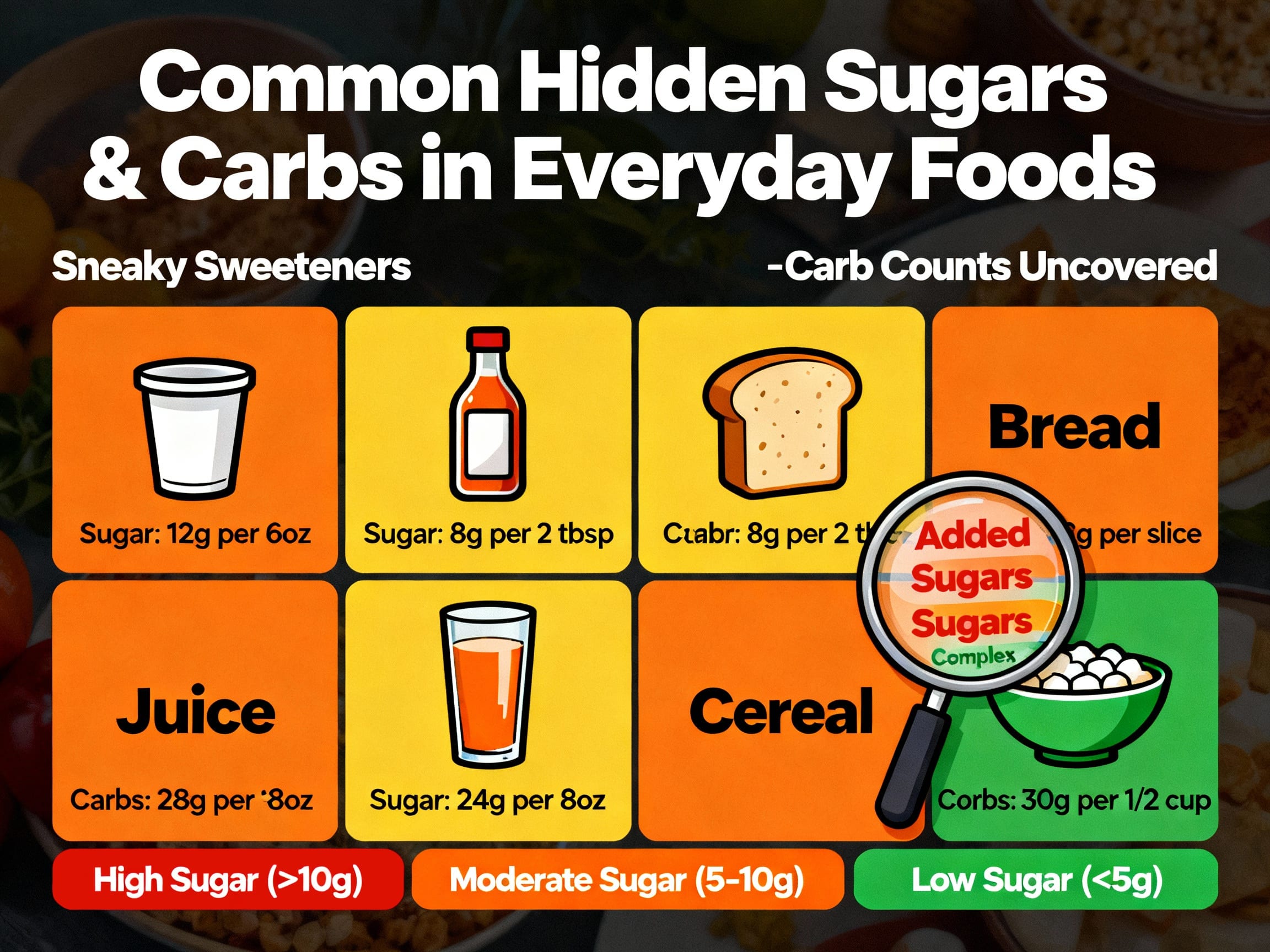
The most critical foods to avoid are those high in sugars and carbohydrates, as these significantly raise your blood sugar levels. This includes the obvious culprits and some sneaky ones too.
Strictly avoid:
- Simple Sugars: Candy, sodas, desserts, fruit juices, honey, syrup, and even some flavored yogurts and processed foods with added sugars.
- Complex Carbohydrates: Bread, pasta, rice, potatoes, corn, oats, and most fruits and starchy vegetables. These break down into sugars in your body.
- Artificial Sweeteners: Some studies suggest certain artificial sweeteners can still trigger an insulin response, which you want to avoid.
Many guidelines recommend limiting carbohydrate intake to less than 20 grams in the 24 hours prior to the scan to keep your blood sugar low and stable.
Are There Other "Innocent" Foods That Can Still Affect My PET Scan Results?
Beyond sugar and carbs, a few other items can interfere with your PET scan, even if they seem harmless:
- Caffeine: Some sources suggest avoiding caffeine, as it can affect certain metabolic processes in your body.
- Alcohol: Alcohol can impact liver function and metabolism, so it's best to steer clear.
- High-Fat Meals: While not directly glucose-related, extremely high-fat meals might sometimes affect how your body processes subsequent substances. Stick to lean proteins and non-starchy vegetables.
- Certain Medications/Supplements: Always consult with your doctor or the imaging center regarding your medications and supplements. This is especially crucial if you have diabetes and take insulin or other diabetes medications, as specific instructions will be provided for these cases.
Navigating these restrictions can feel overwhelming, especially with hidden ingredients. This is where tools like Eatibo become invaluable. Just point your phone at a nutrition label or a meal, and Eatibo instantly breaks down calories, macros, additives, and flags potential issues like high sugar or carbohydrate content. It simplifies adherence to your pre-scan diet, helping you proactively choose 'Eat' or 'Limit' options, ensuring nothing compromises your results.
So, What Can I Eat 24 Hours Before My PET Scan?
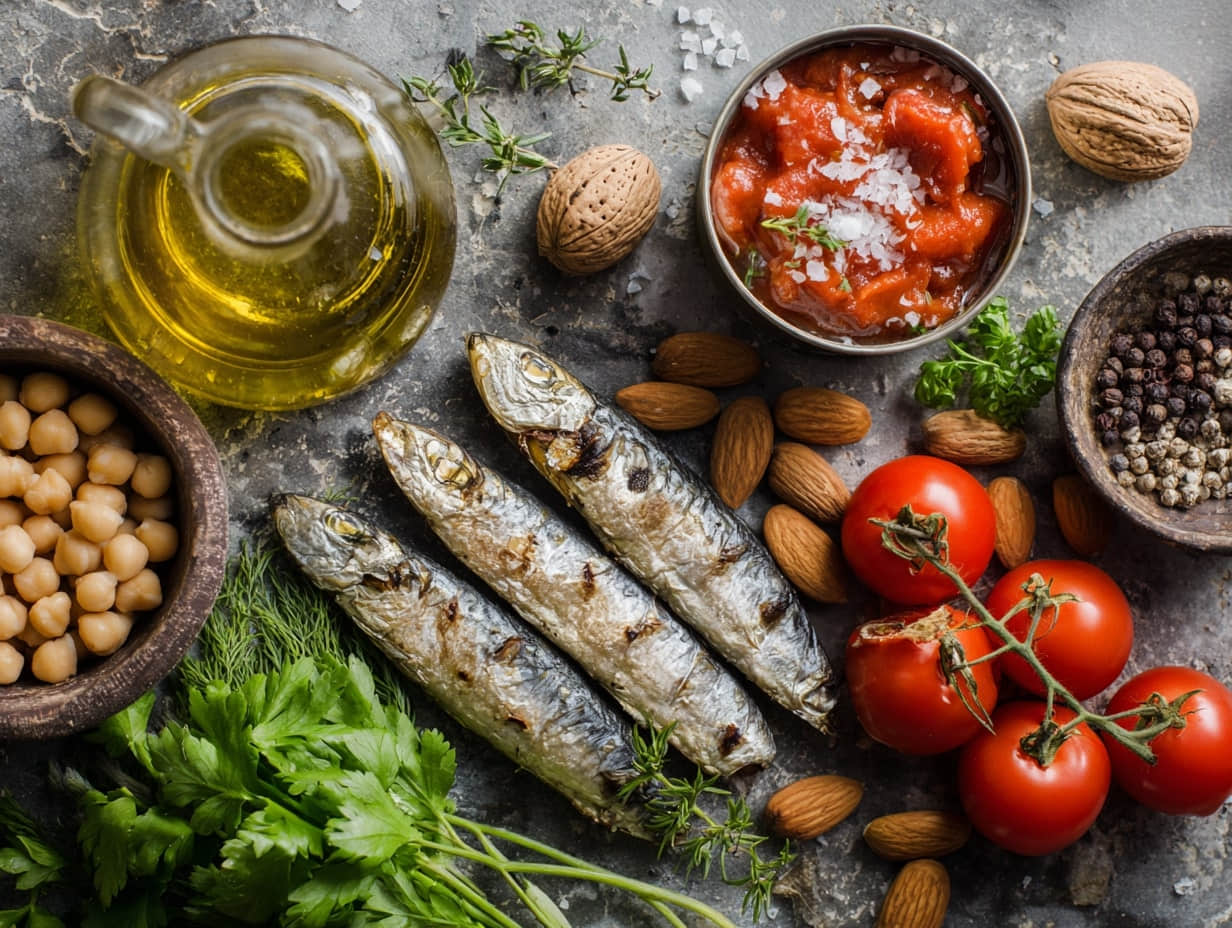
The good news is there are still safe and approved food options during this restrictive period. Focus on high-protein, low-carb, and low-sugar choices:
- Proteins: Lean meats like chicken, turkey, beef, or fish (ensure they are unmarinated to avoid hidden sugars). Eggs are also an excellent choice.
- Non-Starchy Vegetables (in moderation): Leafy greens (spinach, kale), broccoli, cauliflower, and green beans are generally safe. Emphasize plain preparation – steamed, baked, or lightly sautéed with no sauces or added sugars.
- Healthy Fats (in moderation): Small amounts of olive oil or avocado can be included.
- Hydration: Water is your best friend. Plain herbal tea (no sugar, honey, or artificial sweeteners) is also acceptable.
How Do I Practically Implement These Guidelines Into a Daily Plan?
Putting these guidelines into practice means meticulous planning and label reading. Here are some example meal ideas:
- Breakfast: Scrambled eggs with a handful of spinach.
- Lunch: Baked salmon with steamed green beans.
- Dinner: Plain grilled chicken breast with a side of cauliflower rice.
- Snacks: Small portion of unmarinated lean meat or a hard-boiled egg.
Even with a clear list of approved foods, sticking to them and ensuring no hidden pitfalls can be challenging. Eatibo acts as your personal nutrition coach, providing real-time feedback on what you're about to consume. It can help you identify compliant protein sources, flag sneaky additives, and even suggest simple swaps to keep you on track for an optimal scan. Its clean food log also helps you visually track your adherence, providing peace of mind before your important appointment.
Preparing for a PET scan doesn't have to be a guessing game. By understanding why certain foods are restricted and what safe alternatives exist, you empower yourself to contribute positively to the accuracy of your diagnostic results. Remember, clear communication with your medical team is always paramount – if in doubt, ask your doctor or the imaging center for specific clarifications. With a little planning and the right tools, you can confidently walk into your PET scan knowing you've done everything to ensure the best possible outcome.
Decision framework
| What the instruction says | Why it matters | How to handle it |
|---|---|---|
| Fast for a set number of hours | The scan may require a specific metabolic state | Follow the written timing exactly |
| Avoid carbohydrates or certain drinks | Prep rules can depend on the scan protocol | Ask the imaging center if a food is unclear |
| You have diabetes or medication timing questions | Blood sugar and medication safety are individual | Confirm the plan with the care team before the appointment |
| You made a prep mistake | Guessing can affect scan quality or safety | Call the imaging center before arriving |
Concrete examples
- If your instruction says to avoid carbohydrates, do not substitute a generic low-calorie plan. Follow the scan-specific rule.
- If you take diabetes medication, ask how to handle fasting, medication timing, and blood sugar checks.
- If a supplement, drink, or snack seems borderline, call the imaging center instead of guessing.
Limits and safety notes
PET scan preparation is medical instruction. Your imaging center, clinician, and written appointment instructions override this article. This guide is not a diagnosis tool, medication checker, diabetes plan, or substitute for your care team.
Where Eatibo fits
Eatibo can help organize ordinary food logs around the appointment, but it should not decide PET scan prep. Keep the medical instruction separate. After the scan, the app can help you return to normal meal logging and spot patterns in calories, protein, hydration, and ingredients.
Sources and references
Frequently asked questions
Can I use this article instead of my PET scan instructions?
No. PET scan preparation depends on your appointment type and health situation. Use the imaging center instructions as the source of truth, and call them if a food, drink, supplement, or medication question is unclear.
What if I accidentally ate the wrong food?
Call the imaging center before the appointment. Do not try to fix the mistake with a different diet rule, fasting change, or extra exercise unless the care team tells you to.
Can Eatibo help with PET scan prep?
Eatibo can help you remember and log ordinary foods, but it should not decide medical scan prep. Keep the app as an organization tool, not the authority for appointment instructions.
Related reading
- Is Gluten-Free Low Carb? Debunking the Myth for Smarter Choices
- Sip Smart: Your Guide to Enjoying Low-Carb Beers Without the Guilt
- Beyond the Bland: Delicious Low-Carb Chicken Recipes You'll Actually Crave
Last updated: June 1, 2026