
Where is Mediterranean Food From? Unpacking a Culinary Tapestry
Quick answer: Mediterranean-style eating works best as a pattern, not as a magic label. Look for vegetables, beans, whole grains, olive oil, seafood, yogurt, herbs, and minimally processed foods, then still check portions, sodium, protein, fiber, and added sugar.
Key takeaways
- The Mediterranean pattern is flexible; it is not one fixed meal plan.
- Olive oil, nuts, bread, rice, pasta, cheese, and wine can fit, but portions still matter.
- Protein, fiber, sodium, and added sugar make the difference between a helpful meal and a vague wellness claim.
- Use the label, menu, or meal photo when you need a decision you can repeat.
Definition: In this guide, a smarter Mediterranean food decision means checking the actual dish, the practical nutrition tradeoffs, personal limits, and the repeat pattern before treating a cuisine label as a health guarantee.
Forget everything you think you know about the Mediterranean diet. It's more than just olive oil and feta; it's a centuries-old culinary journey spanning continents. Imagine a diet born not in a lab, but from the sunshine, the sea, and the wisdom of generations. From ancient Phoenician trade routes to modern-day coastal villages, the story of Mediterranean food is as rich and varied as its flavors.
Is "Mediterranean Food" Just One Thing, Or Something More?
The common perception of Mediterranean food often conjures images of Greek salads, Italian pasta, or perhaps Spanish paella. However, the reality is far more diverse. The "Mediterranean diet" isn't a single prescriptive diet, but rather a collection of diverse culinary traditions. It’s a broad term for many distinct cuisines, reflecting the rich mosaic of cultures that have thrived around the Mediterranean Sea for millennia.
Where Exactly Does the Mediterranean Diet Come From?
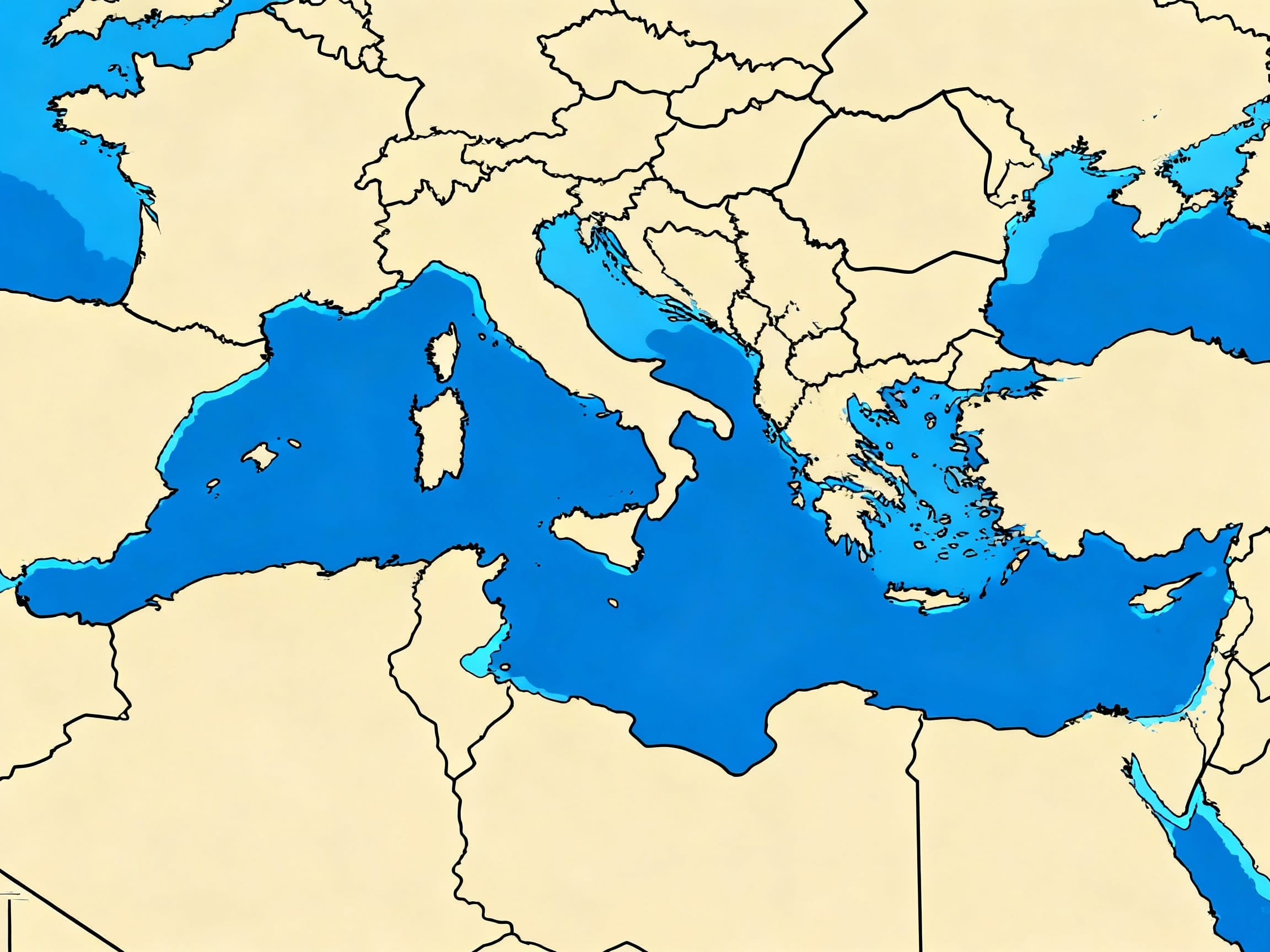
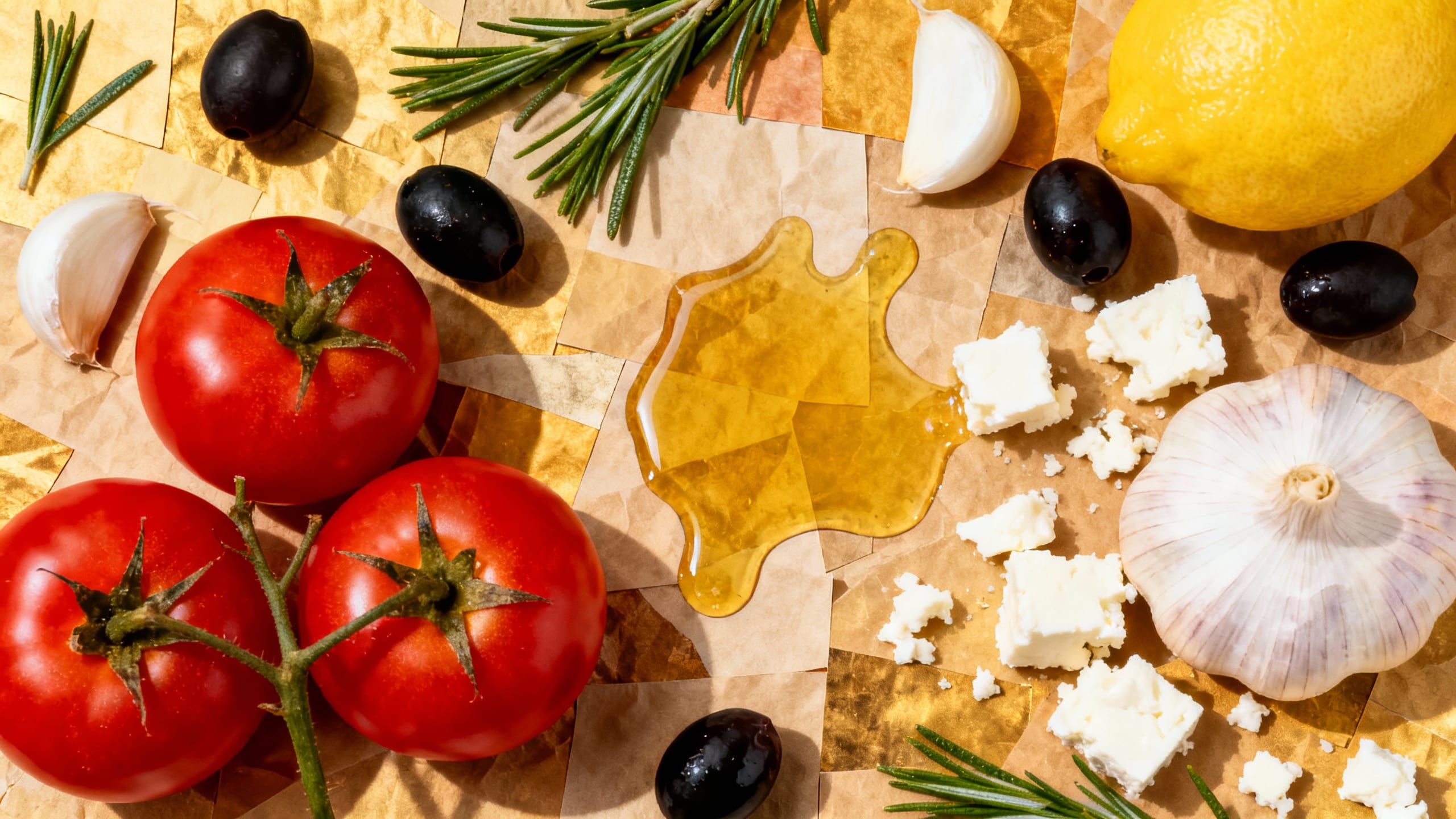
The Mediterranean diet originates from the 21 countries bordering the Mediterranean Sea. This vast region includes nations like Spain, Italy, Greece, Turkey, Morocco, Egypt, and many more. Each country contributes unique flavors and dishes, yet they all share common staples. These staples often include olives and olive oil, various grains, legumes, fresh seafood, and an abundance of fresh produce.
The sheer diversity of cultural influences across this basin means the "Mediterranean diet" is truly a tapestry of foodways, not a uniform recipe book.
When Did This Way of Eating Become So Important?
The historical roots of these foodways are incredibly deep, influenced by ancient civilizations, extensive trade routes, and long-standing traditions of subsistence farming. People ate what was local, seasonal, and sustainable. The diet gained global recognition for its health benefits largely due to groundbreaking research in the mid-20th century.
Ancel Keys' Seven Countries Study, in particular, brought the health benefits of this traditional eating pattern to light. This study highlighted a correlation between the dietary patterns of Mediterranean populations and lower rates of heart disease. This research provided a scientific basis for what generations had intuitively known about the healthfulness of their traditional foods.
Who Benefits Most from Eating This Way, and Why?
The core nutritional principles of Mediterranean food emphasize whole, unprocessed foods. This includes a high intake of fruits, vegetables, whole grains, legumes, nuts, and olive oil as the primary source of fat. Moderate consumption of fish and poultry is typical, while red meat and processed sugars are limited. This dietary pattern is consistently associated with numerous health benefits. These include improved cardiovascular health, increased longevity, and a reduced risk of chronic diseases.
Understanding the true nutritional impact of these regional staples, from Greek fava beans to Italian whole grains, can be tricky. That's where an AI food scanner like Eatibo becomes invaluable, instantly showing you the macros and potential allergens in that authentic tzatziki or hummus. It helps you grasp the full nutritional picture of these historically healthy foods.
How Can We Bring More Mediterranean Flavors to Our Plates Today?
Incorporating Mediterranean eating into a modern lifestyle is simpler than you might think. Start by focusing on fresh, seasonal produce and making olive oil your primary cooking fat. Swap out refined grains for whole grains like barley, farro, or whole wheat pasta. Increase your intake of legumes like lentils and chickpeas, and enjoy fish a couple of times a week. Explore diverse regional recipes from countries like Greece, Italy, and Spain to truly enjoy the vastness of this culinary tradition.
Tailoring Ancient Wisdom to Your Modern Life
While the core principles of the Mediterranean diet are consistent, a "one-size-fits-all" approach isn't always best. How you apply these principles might differ based on your unique health goals. Whether it's managing sugar intake with a focus on whole foods, or avoiding seed oils, the Mediterranean framework is flexible. Eatibo acts as your personal nutrition coach, helping you tailor these ancient dietary wisdoms to your modern health journey, flagging exactly what aligns with 'Eat,' 'Limit,' or 'Skip' for you. This personalization ensures you get the most out of this healthful way of eating.
Eating Smarter, One Mediterranean Meal at a Time
The Mediterranean diet is a rich, diverse, and healthful way of eating rooted in centuries of culinary tradition. It's not just a diet; it's a lifestyle focused on fresh, wholesome foods and communal eating. We encourage you to explore its vastness, adapt its principles for better health and enjoyment, and truly understand your food choices. Understanding your food is key to making informed decisions for a healthier, happier you.
Decision framework
| What to check | Why it changes the answer | Practical next step |
|---|---|---|
| Plant foods, legumes, whole grains, seafood, olive oil | These are the pattern's useful anchors | Build the plate around these before adding extras |
| Bread, pasta, rice, cheese, nuts, oil, or wine | Mediterranean foods can still be calorie-dense | Keep the portion visible instead of assuming the label makes it healthy |
| Sodium, added sugar, and saturated fat | Packaged and restaurant versions vary widely | Check labels, sauces, and sides separately |
| Medical or allergy boundary | A cuisine pattern is not personalized care | Follow clinician-directed limits first |
Concrete examples
- If a meal has vegetables, beans, olive oil, and fish, it may fit the pattern even without a perfect label.
- If a restaurant dish is mostly bread, cheese, creamy sauce, or fried sides, check the portion before assuming it is light.
- If you repeat the same Mediterranean meal weekly, log it once and adjust from your own trend.
Limits and safety notes
Mediterranean-style eating is a general pattern, not a medical prescription. For diagnosed conditions, pregnancy, kidney disease, diabetes medication, severe allergies, eating-disorder recovery, or clinician-directed diets, get qualified guidance before changing your routine.
Where Eatibo fits
Eatibo can turn a broad Mediterranean idea into a specific food decision. Scan the meal, menu, barcode, nutrition label, or ingredient list, then compare calories, macros, sodium, added sugar, allergens, additives, and weekly Nutrition Log patterns.
Sources and references
- American Heart Association: What is the Mediterranean Diet?
- HHS/ODPHP: Current Dietary Guidelines for Americans
- USDA/FNS: Dietary Guidelines for Americans
Frequently asked questions
Is Mediterranean food always healthy?
No. The pattern can be very useful, but portions, sodium, refined grains, cheese, alcohol, sauces, and sweets still matter.
What should I look for first?
Look for vegetables, beans, whole grains, olive oil, fish or lean protein, and minimally processed foods. Then check sodium, added sugar, protein, fiber, and serving size.
Where does Eatibo help?
Eatibo helps when you need to scan a real meal, menu, barcode, label, or ingredient list and compare it against your weekly pattern.
Related reading
- The Complete Mediterranean Cookbook: Your Guide to a Deliciously Healthy Life
- Savoring Madison: A Healthy Guide to Oliva Italian & Mediterranean Cuisine
- Can You Eat Healthy at Nostimo Mediterranean Greek Restaurant? Your Guide to Guilt-Free Feasting
Last updated: June 1, 2026