
Unpacking Your Whopper Jr. – Smarter Choices for Fast Food Fans
That moment you cave for a quick burger, but then the nutrition guilt hits you like a ton of fries. We've all been there. The drive-thru beckons, your stomach grumbles, and a familiar question pops into your head: "Is this really going to mess up my diet?" Many of us gravitate towards "smaller" options, like the Whopper Jr., thinking they're automatically the smarter, healthier choice. But is that always the case?
That Craving Just Hit: Is a Whopper Jr. a Smart Fast-Food Move?
When you’re trying to navigate the fast-food landscape, a smaller burger seems like a logical compromise. It feels like you're indulging without completely derailing your health goals. However, the term "smaller" can be a bit misleading when it comes to nutritional impact. It’s easy to assume fewer calories, less fat, and less sodium, but the full picture is often more complex than that.
So, What's Really Inside a Whopper Jr. - Beyond Just Calories?
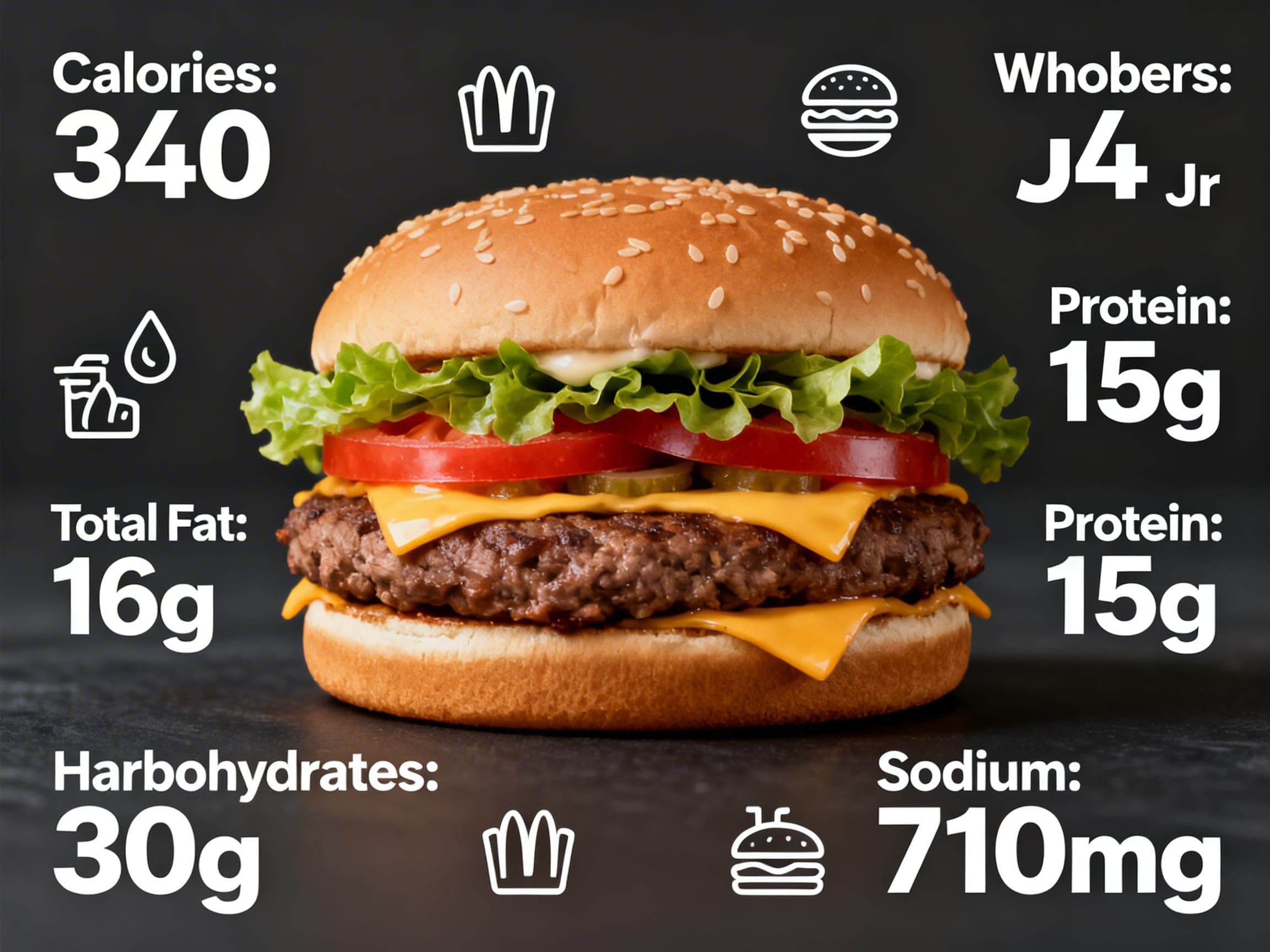
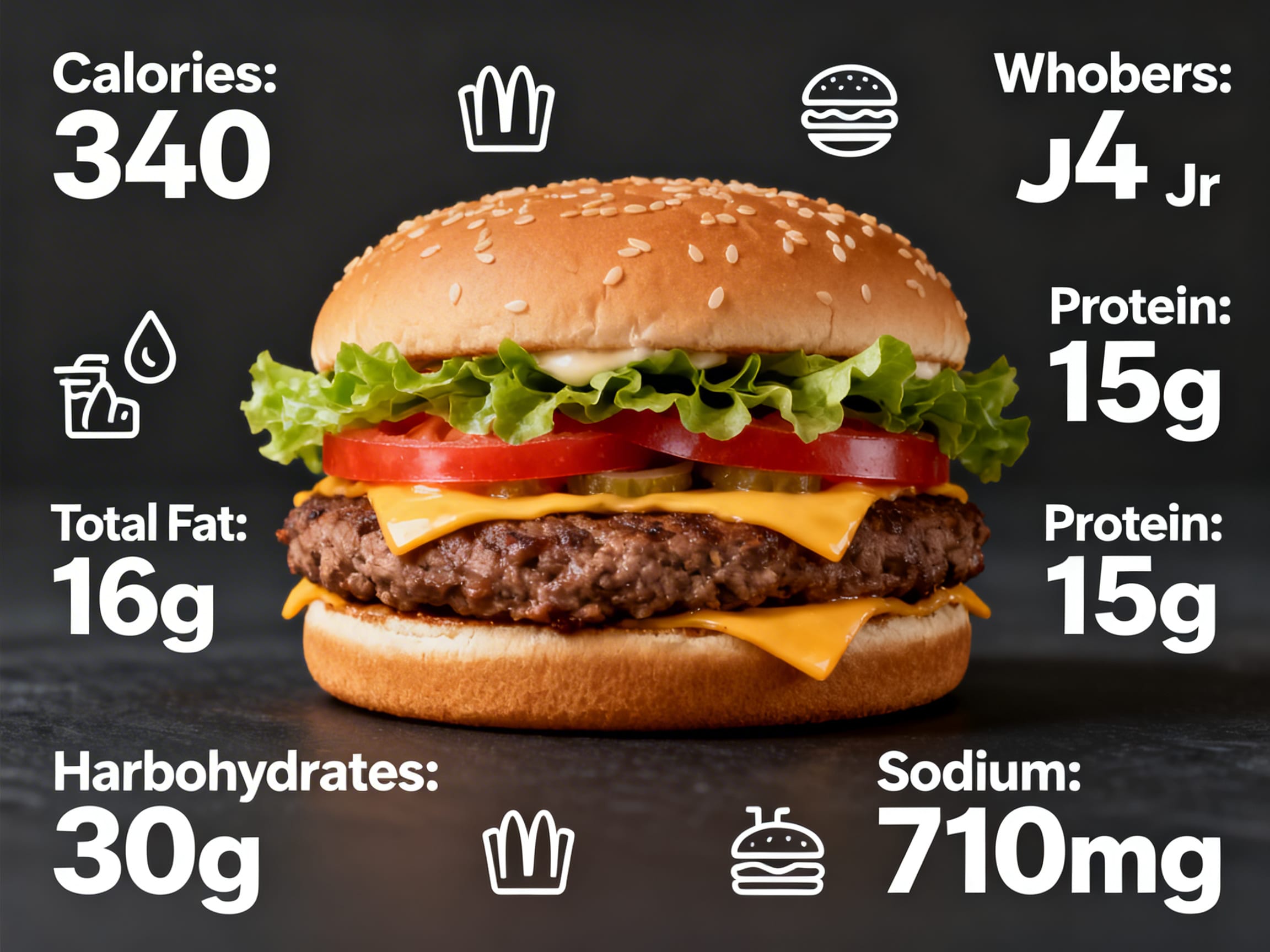
Let's dive into the core of the Whopper Jr. to understand its nutritional profile. While I couldn't pull the exact official numbers in this instance, typically, a standard Whopper Jr. without cheese or mayo would contain somewhere in the range of 250-300 calories. However, that's just the start. You'd also find a significant amount of fat, saturated fat, sodium, and carbohydrates. Protein is present, thanks to the beef patty, but often not enough to balance the other elements.
The real eye-opener isn't just the calorie count, but the breakdown of sodium, saturated fat, and sugar hiding in the bun and sauces. These elements can quickly add up, easily pushing you past recommended daily limits, even in a "small" serving. Imagine being able to get this level of detail instantly, just by scanning the menu board or a nutrition label! That's where tools like Eatibo come in. It can quickly tell you if that Whopper Jr. aligns with your personal goals.
How Does it Stack Up? Whopper Jr. vs. Other Fast-Food Choices
Putting the Whopper Jr. into context helps clarify its place in the fast-food hierarchy. A regular Whopper, for instance, can easily double the calories, fat, and sodium. But what about a small fry? Often, a small order of fries can pack a surprising punch, sometimes even exceeding the calorie and fat content of a plain Whopper Jr. The same goes for many "healthier-sounding" chicken sandwiches, which can be loaded with breading, sauces, and high sodium levels. This highlights that "small" doesn't always translate to "low cal" or "healthy" across the board.
Beyond the Burger: How Your Entire Meal Adds Up
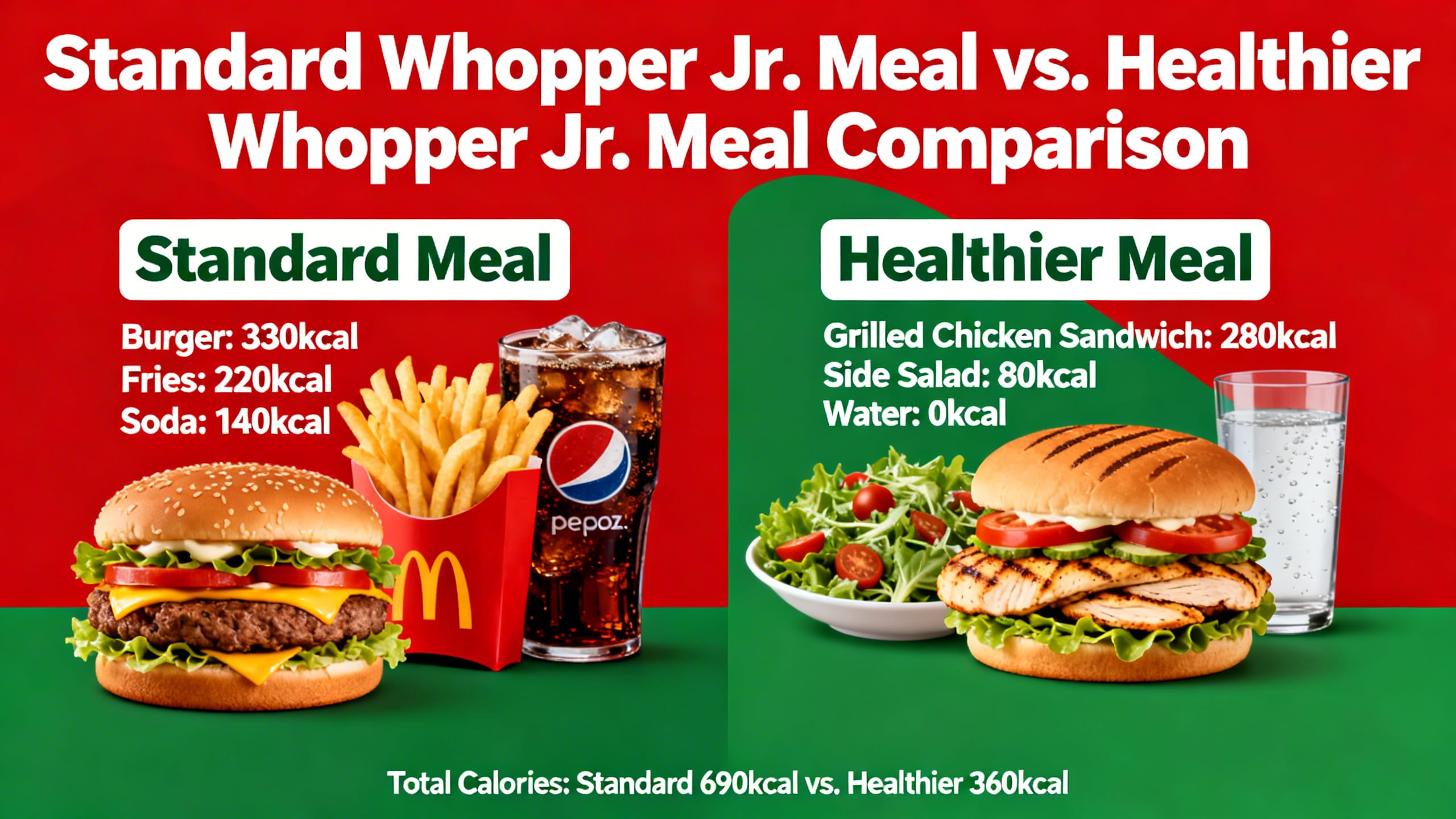
It’s rare that anyone orders just a Whopper Jr. The real nutritional challenge often comes from the accompanying sides and drinks. A seemingly innocent soda can add 150-200 calories and a significant amount of sugar, while a medium fry can tack on another 300-400 calories and even more sodium and unhealthy fats. Even a side salad, if drenched in a creamy dressing, can become a calorie and fat trap.
This is where making smarter choices becomes crucial. With Eatibo, you can scan your entire meal – from the burger to the fries and drink – and get an instant "Eat," "Limit," or "Skip" rating based on your specific dietary goals, whether it's low-sugar, seed-oil-free, or muscle gain. This holistic view helps you understand the true impact of your entire order.
Small Tweaks for Smarter Fast Food: Making Your Whopper Jr. Better
You don't have to give up fast food entirely to eat smarter. Small, intentional tweaks can make a big difference. For your Whopper Jr., consider these simple swaps:
- Skip the cheese and mayo: These add a significant amount of saturated fat and calories.
- Ask for extra veggies: Load up on lettuce, tomato, onion, and pickles for added fiber and nutrients.
- Choose water or unsweetened tea: Ditching sugary sodas is one of the easiest ways to cut down on empty calories and sugar.
- Opt for healthier sides: If available, a side salad with light dressing, apple slices, or even just skipping the side altogether are better choices than fries.
- Check for whole grain options: Some places offer whole wheat buns, which can add a little more fiber.
Your Fast-Food Blueprint: Eating Smarter, One Scan at a Time
Occasional fast food is a reality of modern life, and that's perfectly okay. The goal isn't perfection, but rather awareness and making the best possible choices for you. Understanding what you're eating, making informed decisions, and having tools to help you navigate those choices are key. Empower yourself to take control of your nutrition, even in convenient settings. By using resources like Eatibo to quickly understand the nutritional breakdown of your food, you can transform your fast-food experience from a moment of guilt into an informed decision that aligns with your health goals. Eat smarter, one scan at a time.
Leave A Reply
Login to post your comment or signup if you dont have any account