
The Golden Grains of Yellow Mediterranean Rice: A Culinary Journey

Quick answer: A recipe is only useful if the serving size is honest. Check how much oil, salt, sauce, cheese, grain, starch, or protein is in your portion, then decide whether the meal fits your calorie, macro, sodium, fiber, or ingredient goal.
Key takeaways
- Recipe names can sound healthy while oil, salt, cheese, sauces, or portions drive the numbers.
- Serving size, protein, fiber, and sodium are usually more useful than a broad diet label.
- Ingredient swaps work best when they protect flavor and the reason you wanted the dish.
- Log the cooked portion once so future versions are easier to estimate.
Definition: In this guide, a smarter recipe decision means checking the real portion, the main nutrition drivers, personal limits, and the repeat pattern before turning a dish into a default.
Imagine a vibrant platter, its golden hue promising warmth and exotic flavors, a centerpiece at countless Mediterranean tables. Yellow Mediterranean rice isn't just a dish; it's a story told through spices, tradition, and shared meals. But what exactly makes this rice so special, and how does it fit into your plate?
What exactly is yellow Mediterranean rice, and where did it come from?
Yellow Mediterranean rice generally refers to rice dishes common in regions influenced by Mediterranean cuisine, characterized by their bright yellow color and aromatic spice profiles. While there isn't one single "yellow Mediterranean rice" dish, its variations span across countries like Spain (think paella), Italy (like risotto alla Milanese), and parts of North Africa and the Middle East. These dishes often reflect ancient trade routes and cultural exchanges, where spices like saffron and turmeric were introduced and integrated into local culinary traditions. The Moorish influence, for instance, brought many rice-based dishes to the Iberian Peninsula, which later evolved into iconic preparations.
What gives yellow rice its distinct golden glow and irresistible flavor?
The unmistakable golden color and rich flavor of yellow rice primarily come from a few key spices. Saffron, often called "red gold," is a star player, known for its vibrant hue and delicate, slightly sweet aroma. Turmeric, a common staple in many cuisines, lends a deeper, earthy yellow and boasts anti-inflammatory properties thanks to its active compound, curcumin. Annatto, derived from the seeds of the achiote tree, can also contribute an earthy flavor and a yellow-to-orange tint. These spices are often combined with other aromatics like garlic, onion, and various broths, creating a complex and inviting flavor profile that’s hard to resist.
Is yellow Mediterranean rice a healthy choice for my diet goals?
The nutritional profile of yellow Mediterranean rice can vary quite a bit depending on how it's prepared and what ingredients are added. At its core, rice is a good source of carbohydrates, providing energy. A basic serving primarily offers complex carbs, but once you start adding oils, meats, seafood, and other ingredients, the calorie, fat, and protein content will change significantly. For instance, a plain yellow rice can be a relatively light side, while a paella laden with shellfish, chorizo, and olive oil will be much richer.
Curious about the exact nutritional breakdown of your grandmother's yellow Mediterranean rice recipe? With Eatibo, you can simply scan a portion to get instant calories, macros, and even flags for ingredients that might be "Eat," "Limit," or "Skip" based on your specific goals – whether that's muscle gain, weight loss, or managing an allergy. It helps you understand if your favorite dish aligns with your dietary needs.
How can I make yellow Mediterranean rice that fits my specific dietary needs?
Making yellow Mediterranean rice fit your dietary needs is all about smart ingredient choices and portion control. If you're watching your sodium, opt for low-sodium broth and be mindful of added salt. For a gluten-free version, simply ensure all added ingredients (like certain spice blends or broths) are certified gluten-free, as rice itself is naturally gluten-free. Vegetarians and vegans can easily enjoy this dish by using vegetable broth and loading it with plant-based proteins like chickpeas, lentils, or a variety of vegetables instead of meat or seafood. If you're aiming for "seed-oil-free," you can swap out common vegetable oils for olive oil, avocado oil, or even a small amount of butter or ghee if compatible with your diet.
Struggling to find healthier alternatives for specific ingredients in your favorite yellow rice? Eatibo doesn't just tell you what's in your food; it also suggests simple swaps directly tailored to your profile. If you're aiming for "seed-oil-free," for instance, Eatibo can prompt you with easy oil alternatives, helping you eat smarter without sacrificing flavor.
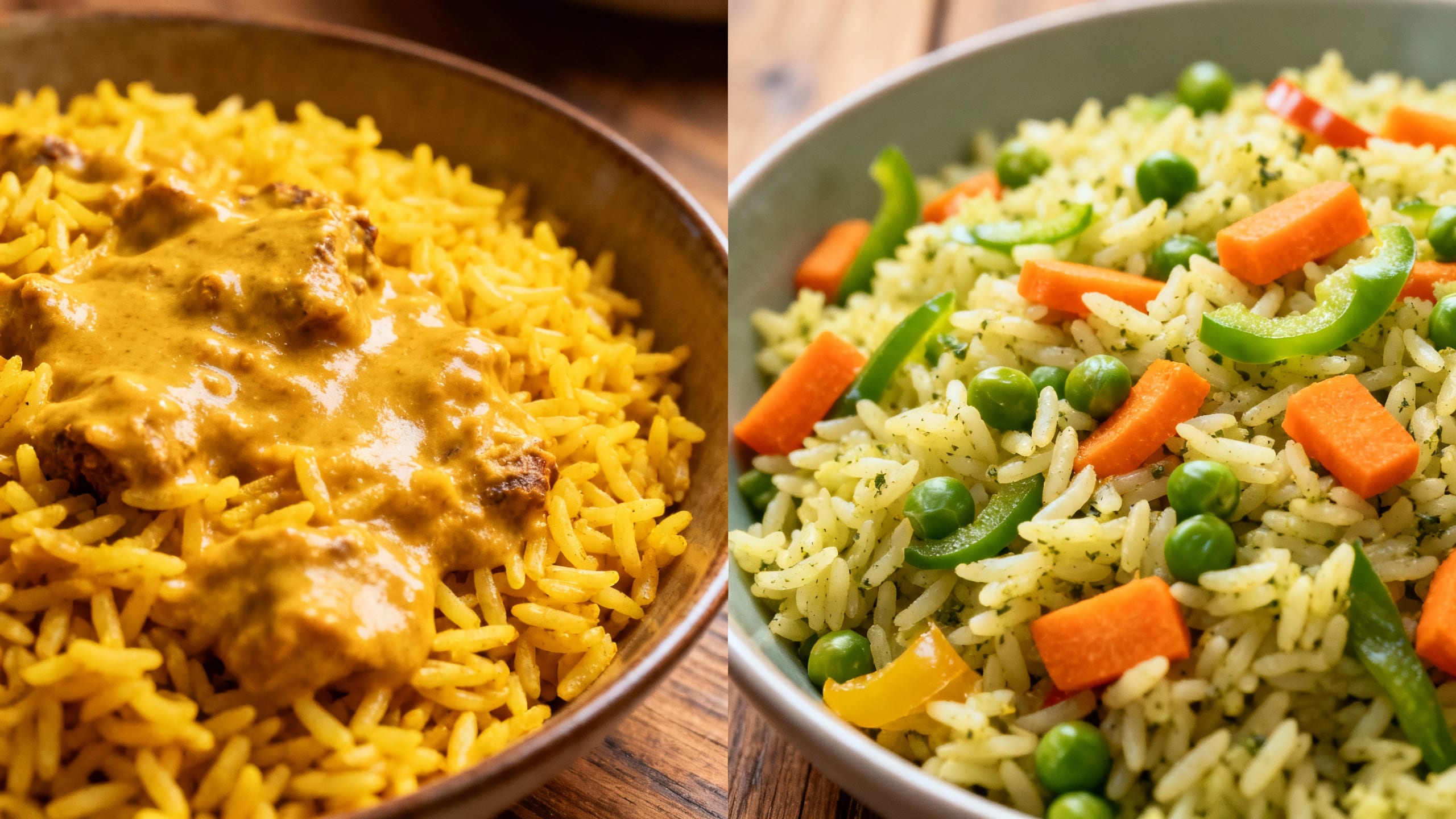
What are the best ways to enjoy yellow Mediterranean rice, from simple sides to main dishes?
Yellow Mediterranean rice is incredibly versatile. It can shine as a simple, aromatic side dish for grilled chicken, fish, or lamb. It also serves as a fantastic base for more elaborate meals like Spanish paella, where it gets infused with seafood, chicken, and sometimes sausage. In other regions, it might be served as part of a mezze platter, complementing hummus, baba ghanoush, and fresh salads. You can even enjoy it as a standalone meal, packed with vegetables and plant-based protein for a hearty and satisfying experience. Its golden color makes it a festive addition to any table, perfect for celebrations or a cozy family dinner.
From its sun-kissed color to its aromatic spices, yellow Mediterranean rice is a testament to rich culinary traditions. Understanding its ingredients and nutritional profile empowers you to enjoy this delicious dish while staying true to your health goals. Whether you’re experimenting with new spices or fine-tuning your macros, embrace the journey of mindful eating – one golden grain at a time.
Decision framework
| What to check | Why it changes the dish | Practical next step |
|---|---|---|
| Serving size | Recipe nutrition changes fast when the portion doubles | Log the cooked portion you actually eat |
| Oil, cheese, sauce, nuts, or starch | These ingredients can drive calories, sodium, or saturated fat | Measure once, then adjust future versions by feel |
| Protein and fiber | They affect fullness more than the recipe name does | Add beans, yogurt, fish, eggs, lean meat, or vegetables when useful |
| Personal restriction applies | General recipes do not know allergies, medications, or clinician rules | Use verified substitutions and professional guidance where needed |
Concrete examples
- If a dish feels healthy but uses several tablespoons of oil, measure once so the estimate is not fantasy.
- If you want more fullness, increase protein or fiber before cutting flavor.
- If a recipe becomes a weekly default, save the logged version so the next meal takes less work.
Limits and safety notes
Recipe guidance is approximate because ingredient brands, cooking methods, and portions vary. This guide is not allergy clearance, medication advice, eating-disorder recovery guidance, or a substitute for a clinician or registered dietitian.
Where Eatibo fits
Eatibo helps when a recipe becomes something you actually eat. Scan ingredients or a plate photo, check calories, macros, sodium, added sugar, allergens, and additives, then save the meal to your Nutrition Log so repeat versions are easier to compare.
Sources and references
- HHS/ODPHP: Current Dietary Guidelines for Americans
- USDA/FNS: Dietary Guidelines for Americans
- FDA: How to understand and use the Nutrition Facts label
Frequently asked questions
Is this recipe automatically healthy?
No. The answer depends on serving size, ingredients, oil, salt, sauce, protein, fiber, and how often you eat it.
What should I adjust first?
Adjust the biggest driver first: portion size, oil, sauce, cheese, starch, sodium, protein, or fiber. Small swaps work better when they keep the dish enjoyable.
How can Eatibo help with recipes?
Eatibo can scan ingredients or the finished plate, then save the estimate so repeat versions are easier to compare.
Related reading
- The Complete Mediterranean Cookbook: Your Guide to a Deliciously Healthy Life
- Shopping Smarter at Sunshine Health Foods: Your Guide to Truly Healthy Eating
- Decoding Daily Meals with Eatibo: A Smarter Way to Eat
Last updated: June 1, 2026