
Calories in Sushi: Unpacking Your Favorite Rolls for Healthier Choices
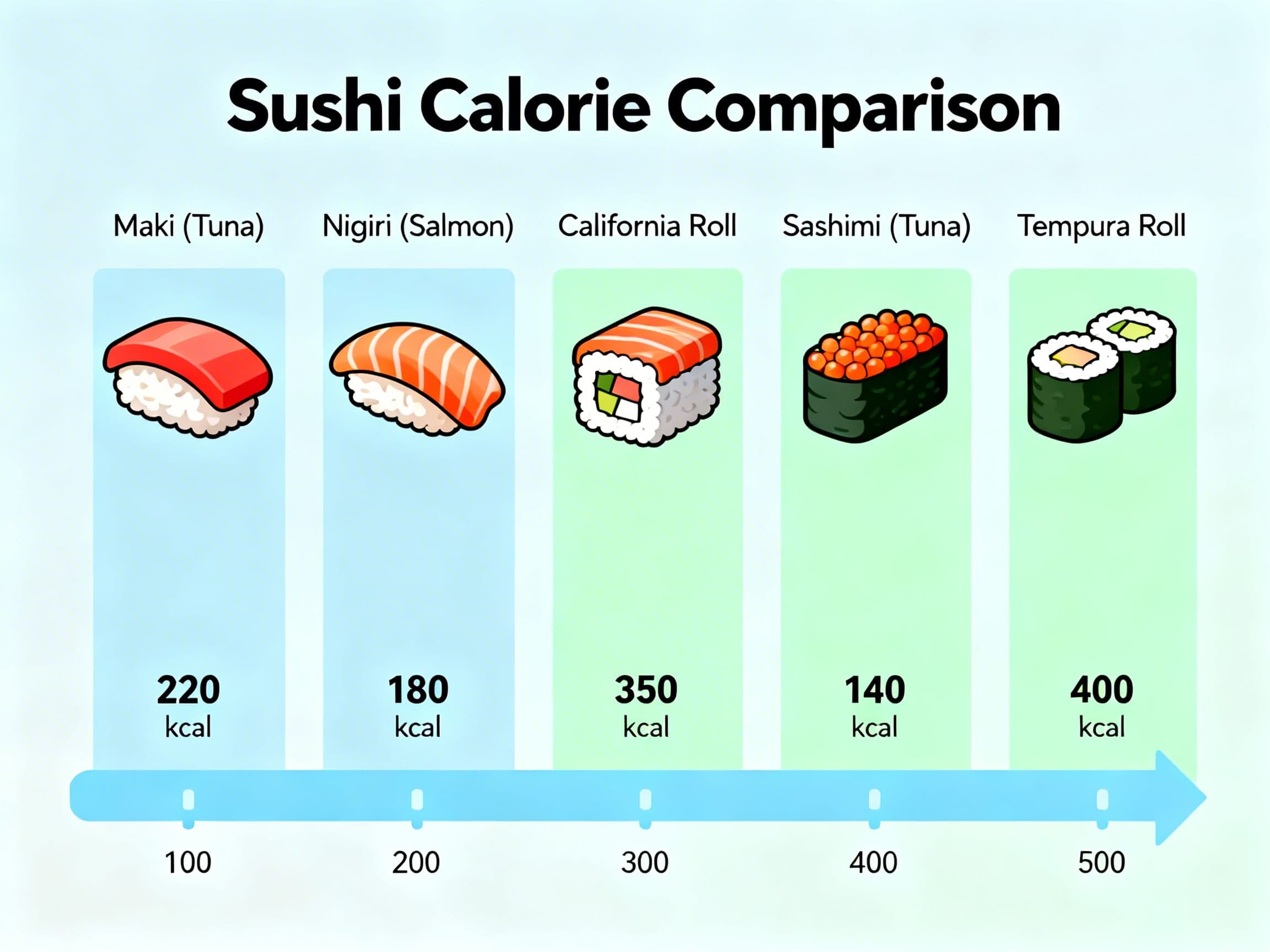
Sushi night is a celebration, a vibrant dance of flavors and textures. But as you dip that delicate piece of salmon maki into soy sauce, a nagging thought might pop up: "How many calories am I really eating?" You're not alone if you love sushi but wonder if it's helping or hindering your health goals. What seems like a light meal can sometimes pack a surprising caloric punch, depending on your choices.
Is all sushi created equal when it comes to nutrition?
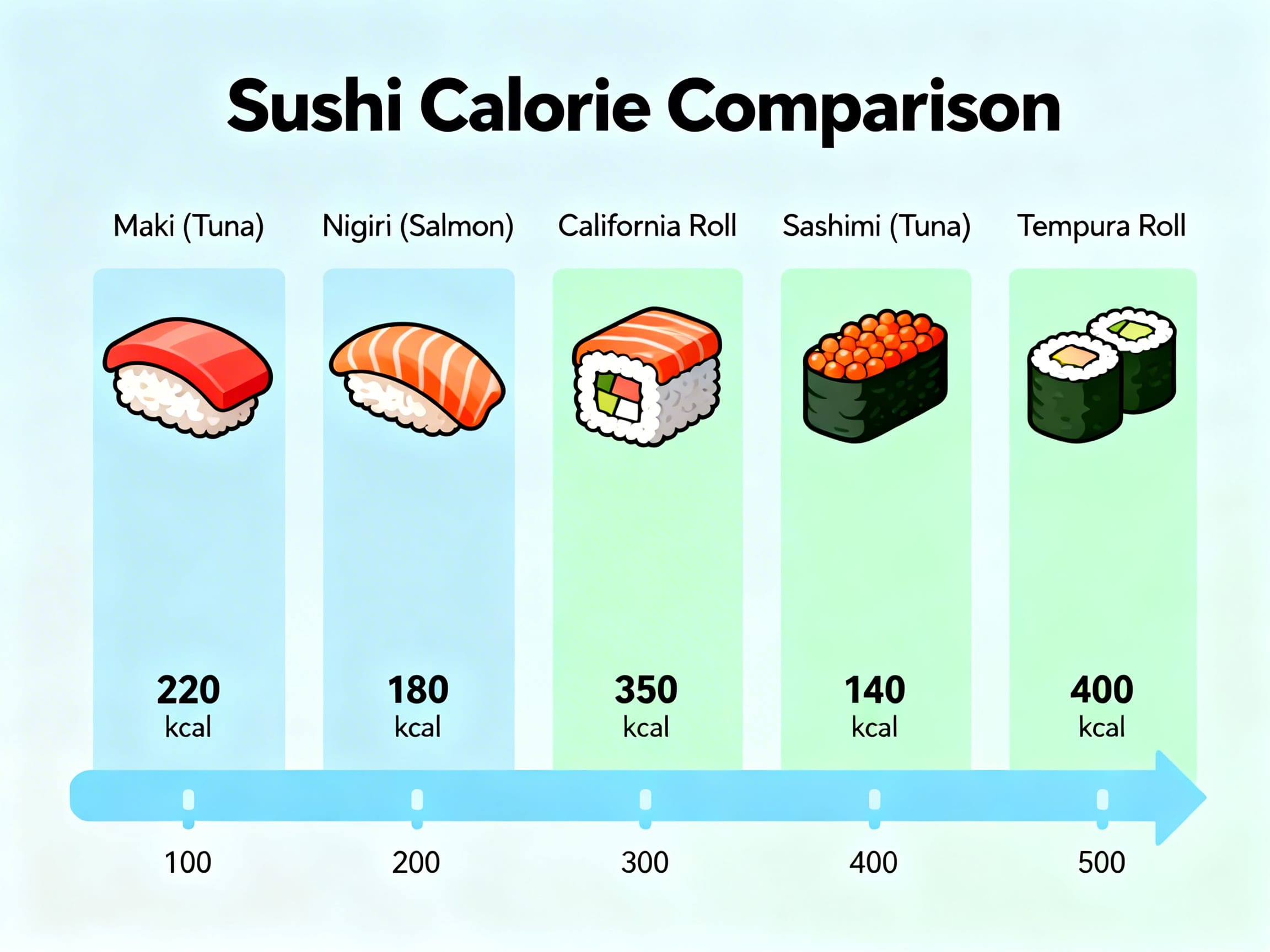
Absolutely not! Sushi is a diverse world, ranging from simple sashimi to elaborate specialty rolls, and their nutritional profiles vary wildly. Sashimi, which is just thinly sliced raw fish or seafood, is generally the lowest in calories and carbs because it lacks rice. Nigiri adds a small bed of vinegared rice under the fish, increasing the calorie count slightly.
Maki rolls, wrapped in seaweed and rice, are where things get really interesting. A basic 6-piece California roll might hover around 250-300 calories, while a spicy tuna roll could be similar, depending on the amount of sauce. However, specialty and tempura rolls, often loaded with creamy sauces, fried ingredients, and sweet glazes like eel sauce, can easily push a single roll past 500 or even 700 calories. It's all about the ingredients.
What are the biggest calorie culprits hiding in my sushi order?
When you're trying to keep an eye on your caloric intake, certain sushi ingredients are bigger offenders than others. The biggest contributor is often the white rice, especially since many rolls use a significant volume. Creamy, mayonnaise-based sauces, like those found in spicy tuna or dragon rolls, add a lot of fat and calories. Tempura or any other fried elements also dramatically increase the fat and calorie content. Lastly, sweet glazes, like the commonly used eel sauce (unagi sauce), pack in sugar and calories.
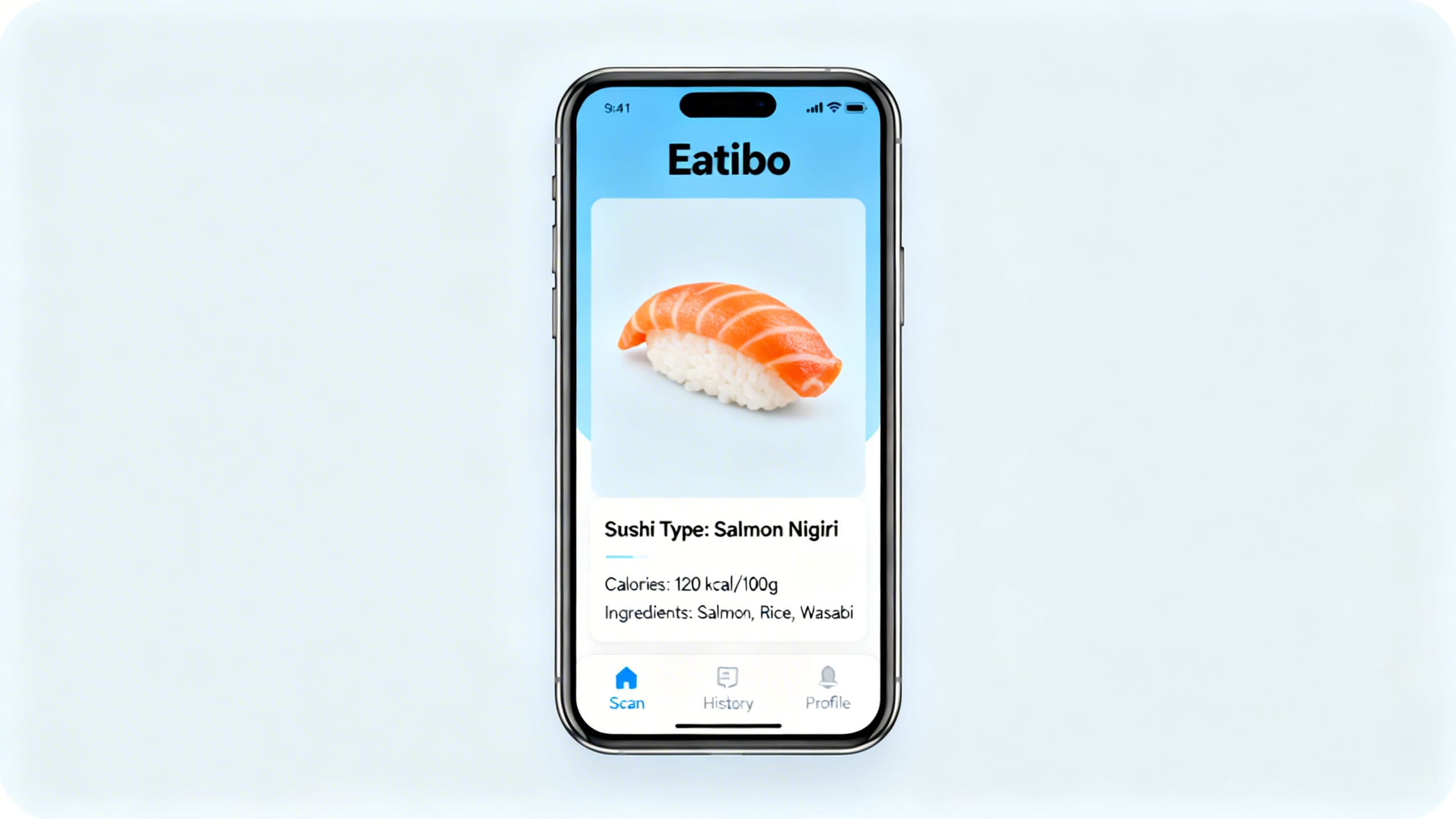
This is where a tool like Eatibo becomes invaluable. Instead of guessing, you could simply point your phone at your menu choice or even a picture of a sushi roll, and Eatibo instantly breaks down not just the calories, but also macros and flags for ingredients like added sugars in sauces or seed oils in fried items, empowering you to make informed decisions before you even order. Knowing what's in your food gives you the power to choose wisely.
How can I enjoy sushi while sticking to my healthy eating goals?
You absolutely can enjoy sushi as part of a healthy diet! It just takes a little mindfulness. Here are some simple tips:
- Prioritize Sashimi and Nigiri: Opt for these choices to reduce your rice intake and focus on lean protein.
- Choose Brown Rice: If available, ask for brown rice for added fiber and nutrients.
- Go Easy on Sauces: Ask for high-calorie sauces on the side, or opt for lighter alternatives like low-sodium soy sauce.
- Embrace Veggies and Lean Fish: Vegetable rolls and rolls with lean fish like tuna, salmon, or yellowtail are great choices.
- Mind Your Portions: Even healthy options can add up if you overdo it.
- Hydrate: Drink water before and during your meal to help with satiety.
Beyond calories, what else should I consider in my sushi?
Calories are just one piece of the nutritional puzzle. Sushi offers a fantastic source of protein from fish, and carbohydrates from rice provide energy. Many fatty fish like salmon and tuna are excellent sources of omega-3 fatty acids, which are beneficial for heart and brain health. For example, a 3-ounce serving of Atlantic salmon can provide over 1,500 mg of omega-3s.
However, it's also wise to consider potential concerns. Some larger, longer-lived fish, like certain types of tuna, can contain higher levels of mercury. Health organizations often advise pregnant women and young children to limit their intake of high-mercury fish. Additionally, be aware of common allergens like soy, sesame, and shellfish, as well as potential additives in sauces or processed ingredients.
Understanding the full picture – not just calories, but also allergens, additives, and how a meal aligns with your specific goals like low-sugar or seed-oil-free – can feel overwhelming. Eatibo simplifies this by giving each scanned item an "Eat / Limit / Skip" rating tailored to your personal health objectives, alongside simple swap suggestions.
Sushi can absolutely be a part of a healthy diet. It's all about making smart, informed choices. Don't let the fear of "hidden calories" deter you from enjoying your favorite rolls. By understanding the ingredients and making conscious decisions, you can savor every bite while staying in control of your nutrition. And with tools that put nutritional insights at your fingertips, you're empowered to eat smarter, one delicious scan at a time.
Leave A Reply
Login to post your comment or signup if you dont have any account