
That Golden, Crispy Question: What's *Really* in Your Chick-fil-A Medium Fries?

You've just pulled up to the Chick-fil-A drive-thru, the aroma of waffle fries wafts through your car, and you think, "Just a medium order... how bad can it be?" It's a moment many of us have experienced – the irresistible lure of those perfectly seasoned, crispy potato delights. But beyond the delicious taste, have you ever stopped to wonder what you're really eating?
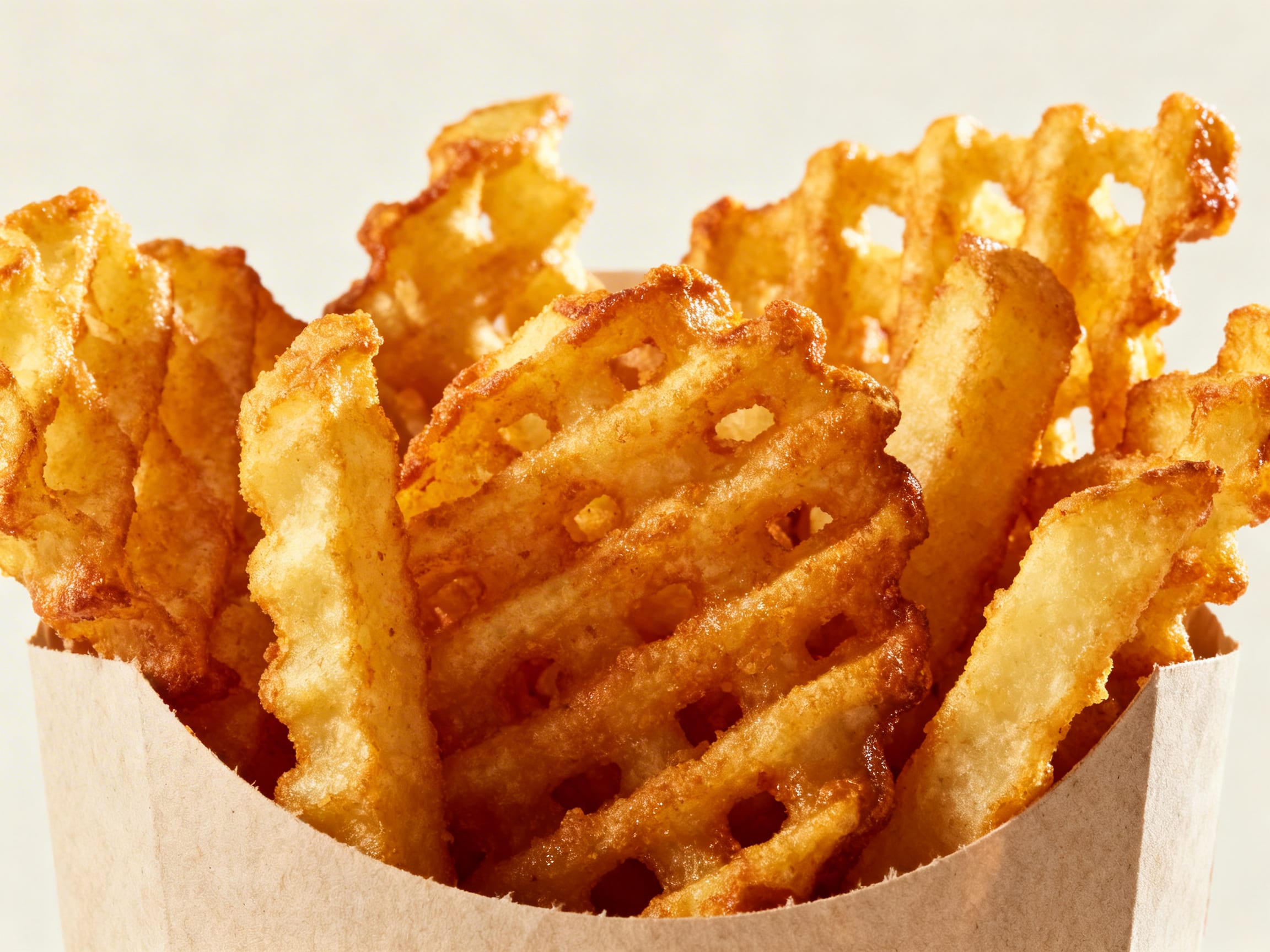
So, How Many Calories Are We Talking About for Chick-fil-A Medium Fries?
Let's cut right to the chase, because this is often the first question on everyone's mind. A medium order of Chick-fil-A Waffle Potato Fries contains approximately 420 calories. That's roughly 21% of the average recommended daily caloric intake for many adults, which typically hovers around 2,000 calories.
While a quick Google search gives you the calorie number, understanding its full impact can be tricky. This is where tools like Eatibo shine – just point your camera at the menu or even your meal, and it instantly pulls up not just calories, but the whole nutritional picture.
Beyond Calories: What About the Fat, Carbs, and Other Stuff?
Calories are important, but they don't tell the whole story. Those 420 calories are broken down into various macronutrients, and knowing this can help you understand the impact on your body.
Here's a typical breakdown for a medium order of Chick-fil-A Waffle Potato Fries:
- Total Fat: Around 24g-25g, with about 2.5g-3g of saturated fat. For context, the American Heart Association recommends limiting saturated fat to about 5-6% of daily calories, which is around 13g for a 2,000-calorie diet.
- Carbohydrates: Approximately 48g-50g. These are primarily from the potatoes themselves, which provide energy but can also contribute to blood sugar spikes if not balanced with other nutrients.
- Protein: About 5g-6g. While not a significant source of protein, it does contribute slightly.
- Sodium: Around 240mg-250mg. Keeping an eye on sodium is crucial for blood pressure management, and this amount contributes to your daily intake.
- Fiber: Roughly 5g-6g. This is a decent amount of fiber, which is good for digestive health and can help you feel full.
The fries are cooked in canola oil, a common seed oil, which is good to know if you're trying to limit certain types of fats in your diet. Understanding these numbers helps you make more informed decisions about how these fries fit into your overall diet.
Are There Any Hidden Surprises or Allergens in My Waffle Fries?
When you’re just looking at calories, it's easy to miss other important details. Chick-fil-A Waffle Potato Fries are generally considered gluten-free, as they are cooked in a dedicated fryer. However, cross-contamination is always a possibility in a busy kitchen environment for those with severe sensitivities. The main ingredients are potatoes, canola oil, and sea salt. There aren't many "hidden" additives, but the presence of a seed oil like canola oil is a key detail for those following specific dietary protocols (like a seed-oil-free diet).
For those with specific dietary needs, allergies, or who are trying to avoid certain additives like seed oils, a simple calorie count just isn't enough. Eatibo, for example, goes a step further, flagging potential allergens and additives – giving you an 'Eat / Limit / Skip' recommendation tailored to your unique goals, whether it's avoiding seed oils or managing a gluten sensitivity.
How Can I Enjoy Fast Food Smarter (Even My Favorite Fries)?
It's clear that a medium order of Chick-fil-A fries isn't a health food, but enjoying your favorite treats occasionally doesn't have to derail your health goals. It's all about making smarter choices:
- Portion Control: Opt for a small order instead of a medium or large to cut down significantly on calories, fat, and sodium.
- Pair Wisely: If you're having fries, consider pairing them with a grilled chicken sandwich or a salad with a light dressing instead of another fried item.
- Make it an Occasional Treat: Don't eat them every day! Save them for a special treat once in a while.
- Listen to Your Body: Pay attention to how different foods make you feel. Sometimes, just knowing the nutritional breakdown can help you decide if it's worth it for you.

Your Fry Future: Making Informed Choices, One Scan at a Time.
Eating smart isn't about deprivation; it's about empowerment. It's about having the knowledge to make choices that align with your health and wellness goals. Next time you’re eyeing those tempting Chick-fil-A fries, you'll be armed with more than just a craving. You'll have the knowledge to decide if they fit your goals, and if not, how to adjust the rest of your day. Being conscious about what you eat, even when it comes to fast food, is a powerful step toward a healthier lifestyle.
Leave A Reply
Login to post your comment or signup if you dont have any account