
Protein Calculator: Turn a Target Into Meals
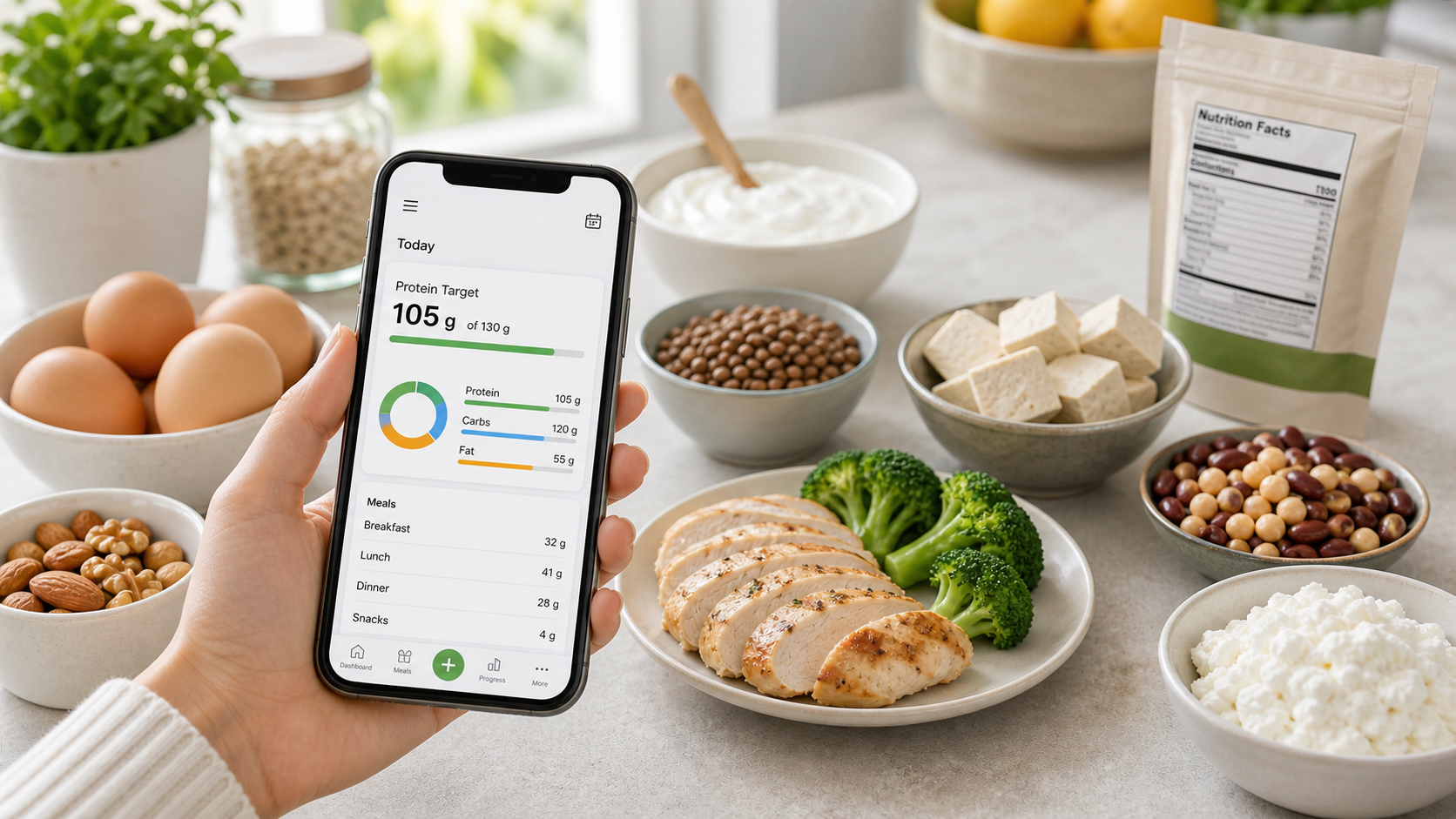
Quick answer: A protein calculator is a starting range, not a food plan. The useful move is to split the target across meals, scan the foods that are supposed to carry the protein, and check the weekly log for gaps. Eatibo can help with label scans, serving sizes, macro totals, and pattern review, but it should not set medical protein targets for kidney disease, pregnancy, eating disorder recovery, diabetes medication, serious symptoms, or clinician-directed diets.
The number is the easy part. The awkward part is breakfast on a Tuesday, a rushed lunch, a protein bar that says 20 grams but counts as two servings, and a dinner where the protein disappears under sauce and sides.
That is why a protein calculator works best when you treat it like a planning note. It gives you a rough destination. Your meals decide whether the destination is realistic.
If you need that first planning note, use the free Protein Intake Calculator to estimate a daily range and split it into meal targets before you scan real foods.
Key takeaways
- Use a calculator to choose a realistic protein range, not a perfect daily score.
- Split the range into meal anchors so you can see where the day usually breaks.
- Scan serving size before trusting a protein claim on a package.
- Compare protein with fiber, sodium, added sugar, saturated fat, and allergens.
- Review a full week in Eatibo before raising the target or blaming one meal.
A protein calculator is a meal-planning prompt: it estimates a daily protein range, but the real work is turning that range into scanned servings, repeatable meals, and a weekly pattern you can actually live with.
What a protein calculator can and cannot tell you
A calculator can estimate a daily protein range from inputs such as body weight, age, activity level, and goal. That is useful. People who are trying to build muscle, feel fuller at breakfast, or stop guessing at packaged foods need a starting point.
But the calculator does not see your kitchen.
It does not know that you hate cottage cheese, that lunch is usually eaten in a car, that dairy upsets your stomach, or that weekends look nothing like weekdays. It also cannot judge whether your protein target is appropriate for a medical condition. That is where people get into trouble: they turn a rough number into a rule before checking whether the meals make sense.
Use the target as a first draft. Then let your log correct it.
A better way to split a protein target
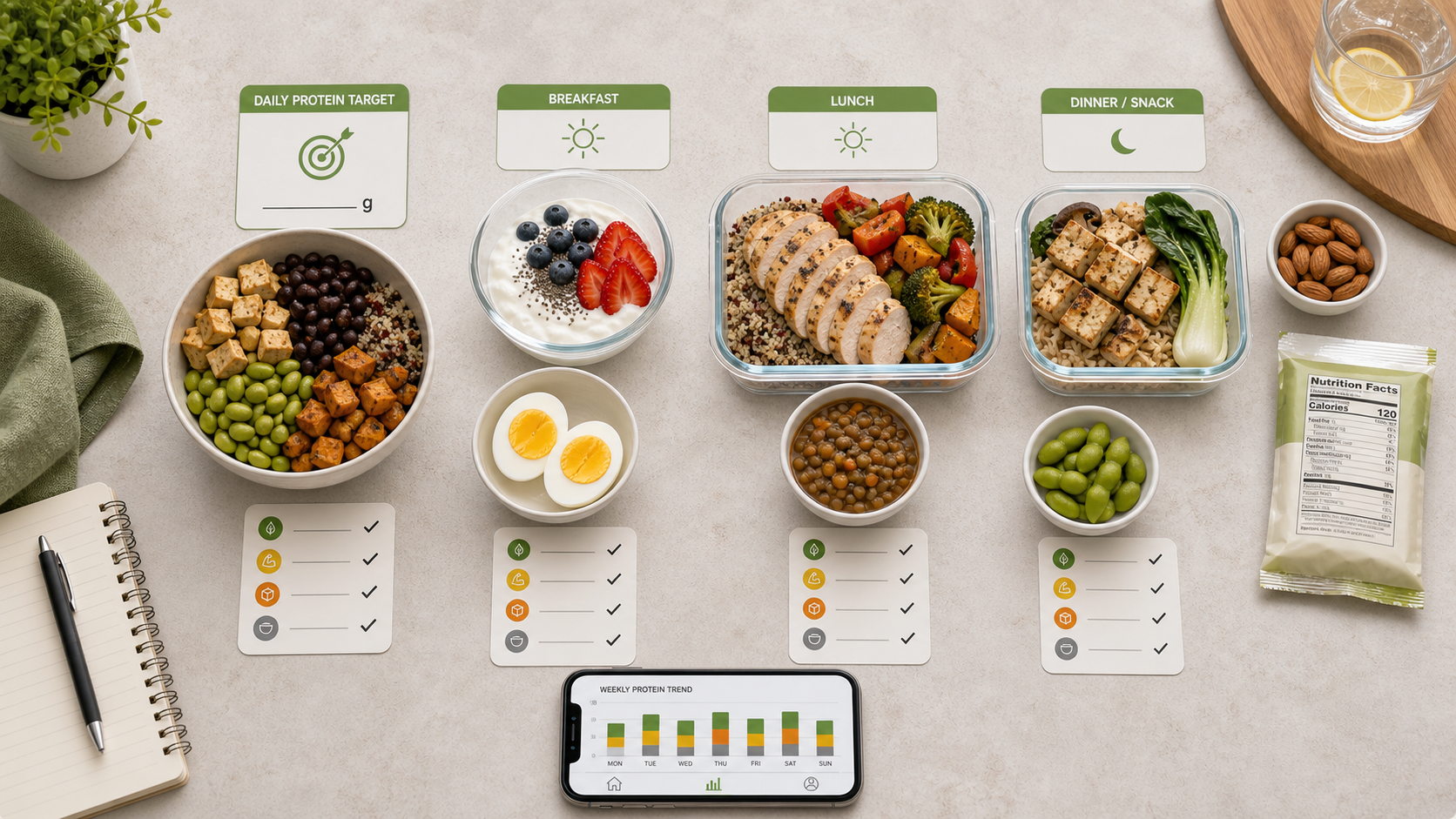
Instead of chasing the whole number at night, divide it into meal anchors. The anchors do not have to be exact. They just show where the day needs support.
| Daily target example | Breakfast | Lunch | Dinner | Snack or gap fill |
|---|---|---|---|---|
| 80 g/day | 20 g | 25 g | 25 g | 10 g |
| 100 g/day | 25 g | 30 g | 30 g | 15 g |
| 120 g/day | 30 g | 35 g | 35 g | 20 g |
If breakfast is always low, fix breakfast first. That may mean Greek yogurt, eggs, tofu scramble, protein oats, cottage cheese, a higher-protein smoothie, or leftovers that you actually like. The boring answer is often the useful one: make one meal easier before redesigning the whole diet.
Lunch and dinner are usually clearer because the protein source is visible. Chicken, fish, lean meat, tofu, tempeh, beans, lentils, eggs, yogurt, edamame, and packaged prepared foods can all work. The scan changes depending on the food. Chicken may need a sodium and sauce check. Beans need the full meal logged because they bring carbs and fiber with the protein. A bar needs a serving-size check before the headline number means anything.
Label checks that matter more than the front claim
Protein marketing is loud. The Nutrition Facts label is quieter and more useful.
| Label detail | Why it matters | Common trap |
|---|---|---|
| Serving size | Shows how much food earns the protein number | A bottle, bar, or pouch may be two servings. |
| Protein grams | Confirms the actual amount per serving | "High protein" can still be modest for a full meal. |
| Calories | Shows the energy cost of the protein | Some snacks solve protein but overshoot the calorie budget. |
| Added sugar | Important for yogurt, drinks, bars, cereal, and shakes | A sweet product can become a daily dessert by accident. |
| Sodium | Common issue in jerky, deli meat, frozen meals, and prepared foods | The protein looks good while sodium quietly climbs. |
| Allergens and ingredients | Dairy, soy, gluten, nuts, sweeteners, and additives change fit | A macro-friendly item can still fail your personal boundary. |
Here is a simple example. A protein bar with 20 grams of protein may be useful after a workout or during travel. If it also has sugar alcohols that bother your stomach and a serving size that does not match how you eat it, it should not become the default snack. A bowl of lentils may have less protein per calorie than chicken, but it can bring fiber and fullness that make the whole meal work better.
That is the kind of tradeoff a calculator cannot make for you.
How Eatibo turns the target into a weekly pattern
Eatibo fits after the calculator, not before it. Start with the range, then scan the foods carrying the protein. A label scan can catch serving size, protein grams, calories, added sugar, sodium, allergens, and ingredient friction before a product becomes a routine.
The Nutrition Log is where the target becomes practical. Look for the repeat issue:
- breakfast is consistently low;
- protein comes mostly from bars or shakes;
- weekend meals drop sharply;
- high-protein choices are also pushing sodium up;
- a dairy-heavy plan is not working for tolerance;
- snacks are filling the gap but crowding out real meals.
Use Eat / Limit / Skip as a decision tool, not a moral label.
- Eat: The food gives useful protein, has a clear serving, and fits your sensitivities and goals.
- Limit: The food helps protein but brings too much sodium, added sugar, saturated fat, or ingredient friction for daily use.
- Skip: The label conflicts with a medical, allergy, religious, ethical, or personal boundary.
For packaged snacks, Low-Carb Snacks: How to Scan Labels Smarter is a useful companion because many low-carb products use the same protein, sweetener, and serving-size tricks. If you want the broader macro view, Your AI Nutrition Coach: Decoding What You Eat for a Healthier You explains how scanning and weekly trends work together.
For weight-loss planning, the free Macro Calculator for Weight Loss can estimate calories, protein, carbs, and fat before you compare the target with your Eatibo log.
For repeat meal prep, the free Recipe Nutrition Analyzer can estimate calories and macros per serving from an ingredient list before you scan or save the finished meal in Eatibo.
When to slow down and ask a professional
More protein is not automatically better. Be careful if you have kidney disease, liver disease, pregnancy-specific nutrition needs, diabetes medication, eating disorder recovery, unexplained weight loss, serious symptoms, or a clinician-directed diet. In those cases, a clinician or registered dietitian should help set the target.
Also slow down if the plan makes eating feel narrower and more stressful. A calculator should make food easier to organize. If it turns every meal into a pass/fail test, the workflow needs adjustment.
A practical protein planning checklist
Before increasing your target, answer these with real meals, not guesses:
- What is your current weekly average?
- Which meal is usually lowest?
- Which protein sources are easy enough to repeat?
- Which choices create digestive, allergy, budget, or taste problems?
- Are you balancing protein with fiber, produce, hydration, and enough total energy?
- Are packaged protein foods helping, or are they becoming the whole plan?
- Do you need medical guidance before changing the target?
The checklist is intentionally plain. You are trying to build a repeatable routine, not win a spreadsheet.
Frequently asked questions
Is a protein calculator accurate?
It is an estimate. A calculator can help you choose a starting range, but your real meals, activity, health status, digestion, and professional guidance matter more than one number. Use it for planning, then validate the range with your weekly food log.
Should I hit my protein target every day?
For general wellness, the weekly pattern usually matters more than a perfect daily score. If one day lands low, look at why. Maybe breakfast was too light, lunch was rushed, or the target is not realistic yet. Fix the recurring gap first.
What should I scan first on a protein food label?
Start with serving size, then protein grams per serving. After that, check calories, added sugar, sodium, saturated fat, allergens, and ingredients. The front label can be helpful, but it should never be the whole review.
Can Eatibo tell me my medical protein target?
No. Eatibo can help you scan, log, compare, and review patterns. It does not replace clinician or registered dietitian guidance for kidney disease, pregnancy, eating disorder recovery, diabetes medication, serious symptoms, or therapeutic diets.
Last updated: June 29, 2026
Sources
Related reading
- Protein Intake Calculator estimates a daily protein range and per-meal targets.
- Macro Calculator for Weight Loss connects protein planning with calories, carbs, and fat.
- Recipe Nutrition Analyzer estimates calories and macros per serving for repeat meal prep.
- Your AI Nutrition Coach: Decoding What You Eat for a Healthier You explains how scanning and weekly trends support macro decisions.
- Low-Carb Snacks: How to Scan Labels Smarter helps compare packaged snacks by serving size, carbs, protein, and ingredients.
- Food Additives: How to Scan Ingredient Lists Smarter shows how additives and serving patterns affect packaged-food decisions.