
Gluten-Free Desserts: A Label-Scan Guide for Safer Sweets
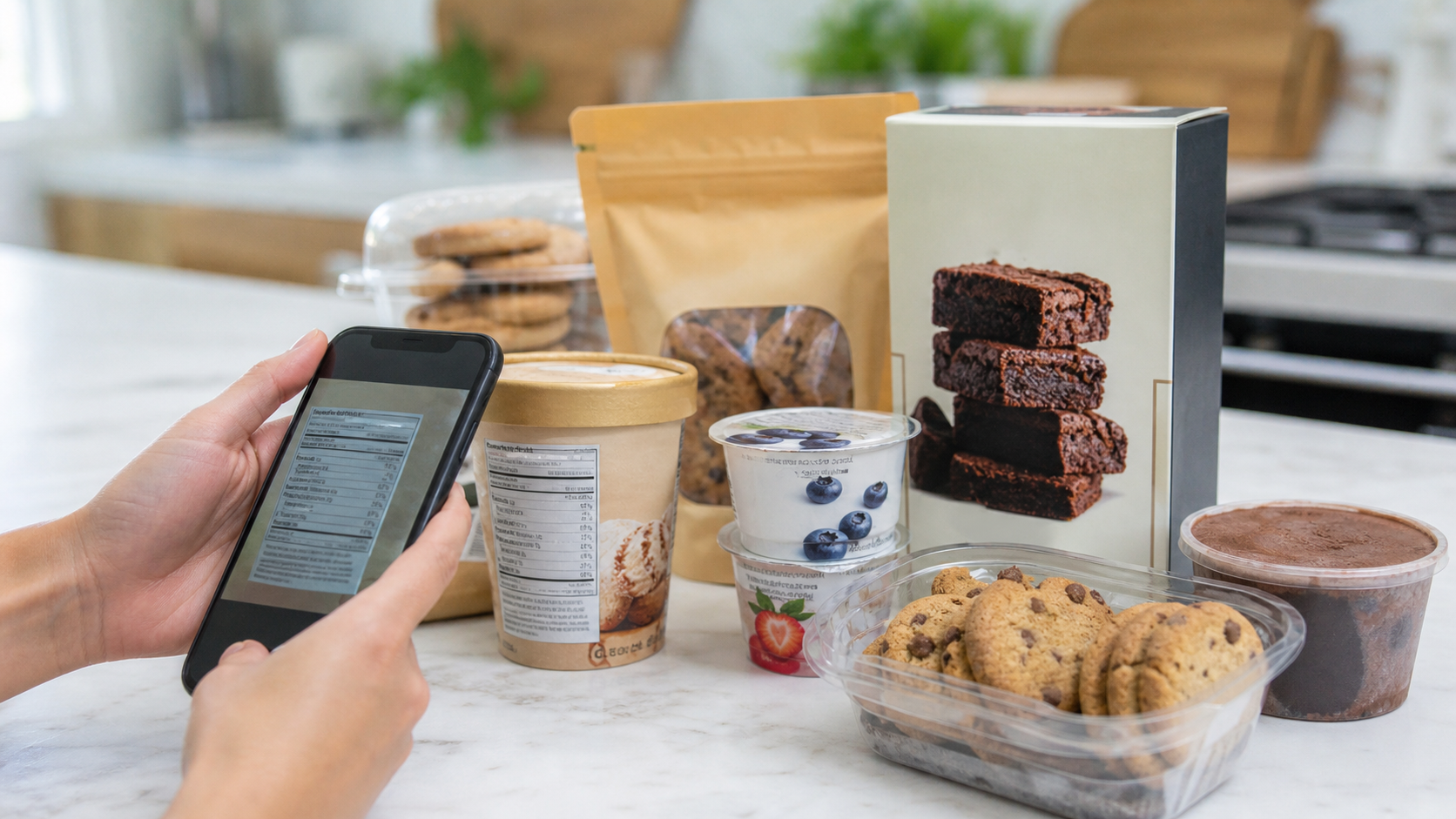
Quick answer: The best gluten-free desserts are not automatically the lowest-sugar, lowest-calorie, or safest desserts for every person. Start by checking whether the product truly fits your gluten boundary, then scan serving size, added sugar, fiber, protein, saturated fat, sugar alcohols, and cross-contact language. Eatibo can help turn that label check into a repeatable decision before the dessert becomes part of your daily log.
Gluten-free desserts have moved far beyond plain fruit and flourless chocolate cake. Grocery shelves now include gluten-free cookies, brownies, ice cream cones, frozen cakes, pudding cups, bakery muffins, chocolate bars, and dessert-style yogurts. That variety is useful, but it also creates a familiar trap: a front label can solve the gluten question while leaving the nutrition question unanswered.
If you avoid gluten because of celiac disease, wheat allergy, or a strict medical plan, the first job is safety. If you avoid gluten by preference or because you feel better with fewer wheat-based foods, the first job may be comfort and consistency. Either way, dessert still deserves a second look. A sweet can be gluten-free and still be high in added sugar, low in fiber, easy to over-portion, or made in a facility where cross-contact language matters.
Why gluten-free desserts need a second label check
The phrase gluten-free answers one narrow question: whether the food is made to avoid gluten-containing grains or meet a gluten-free standard. It does not tell you whether the dessert has balanced macros, whether the serving size matches how much you will eat, or whether the product works with your other nutrition goals.
Many packaged gluten-free desserts rely on rice flour, tapioca starch, potato starch, corn starch, cassava flour, or almond flour to replace wheat texture. Some of those ingredients are useful, and some can make a dessert taste great. The tradeoff is that a cookie or brownie may still be mostly refined starch, oil, and sugar. That is fine when you want a treat. It is less useful when you are trying to find an everyday snack or build steadier energy into your day.
The label also matters because gluten-free shoppers often have overlapping needs. Someone may be gluten-free and lactose intolerant. Another person may be watching added sugar. Someone else may be trying to increase protein, avoid certain oils, or keep sodium reasonable. The smarter decision is not "never eat dessert." It is "know what kind of dessert this is and log it honestly."
A practical scan framework for gluten-free desserts
Use this sequence before you buy, share, or log a packaged dessert.
| Label signal | What to look for | How Eatibo helps |
|---|---|---|
| Gluten boundary | Certified gluten-free marks, wheat/barley/rye/malt, oats, wheat starch, shared-facility notes | Scan ingredients first when gluten avoidance is the main requirement. |
| Serving size | Grams, pieces, slices, cups, servings per package | Compare the label serving with the portion you actually plan to eat. |
| Added sugar | Cane sugar, syrups, candy pieces, fillings, frosting, sweetened fruit, chocolate coatings | Flag whether the dessert is an occasional treat or a better daily option. |
| Fiber and protein | Almond flour, nuts, seeds, dairy protein, legumes, whole-grain gluten-free flours | Separate more filling desserts from starch-heavy sweets. |
| Saturated fat and sodium | Coconut oil, palm oil, butter, cream, salty toppings, processed fillings | Catch tradeoffs that are easy to miss when the front label looks healthy. |
| Sugar alcohols | Erythritol, xylitol, maltitol, sorbitol, allulose blends | Decide whether a low-sugar dessert fits your digestion and tolerance. |
This order keeps the decision simple. If the gluten boundary does not work for you, stop there. If it passes, check whether the nutrition profile fits the role you want the dessert to play. A small brownie after dinner can be a good choice because it is satisfying and predictable. The same brownie may not be the best afternoon snack if it leaves you hungry again in an hour.
Dessert aisle examples: what to compare
Gluten-free cookies are usually the easiest place to see the health halo. One cookie brand may lead with rice flour and sugar. Another may use almond flour, oats that are labeled gluten-free, or added protein. Neither is automatically good or bad, but the second option may keep you full longer. Scan both labels and compare the real portion instead of relying on the front claim.
Brownies and cake slices need a slightly different check. The serving size may be one small square while the package contains several pieces. If you usually eat two pieces, log two pieces. If frosting or fillings push added sugar high, treat the dessert as a sweet event rather than a balanced snack.
Frozen desserts add another layer. Gluten-free ice cream, dairy-free pints, sorbet, frozen yogurt bars, and ice cream sandwiches can all look similar in the freezer case. Look for cookie crumbs, cone pieces, brownie mix-ins, malt, or shared-equipment notes if gluten is a strict boundary. Then compare added sugar and saturated fat. A sorbet may be dairy-free and gluten-free, but it can still be mostly sugar. A dairy-based bar may have more protein but more saturated fat.
Yogurt cups and pudding cups are often marketed as lighter desserts. They can work well, especially when they bring protein and a realistic portion. Still, scan for sweetened toppings, candy mix-ins, syrups, and thickeners. If you are also managing lactose intolerance, use the same careful scan recommended in Navigating the Dairy Aisle.
How Eatibo turns dessert choices into a habit
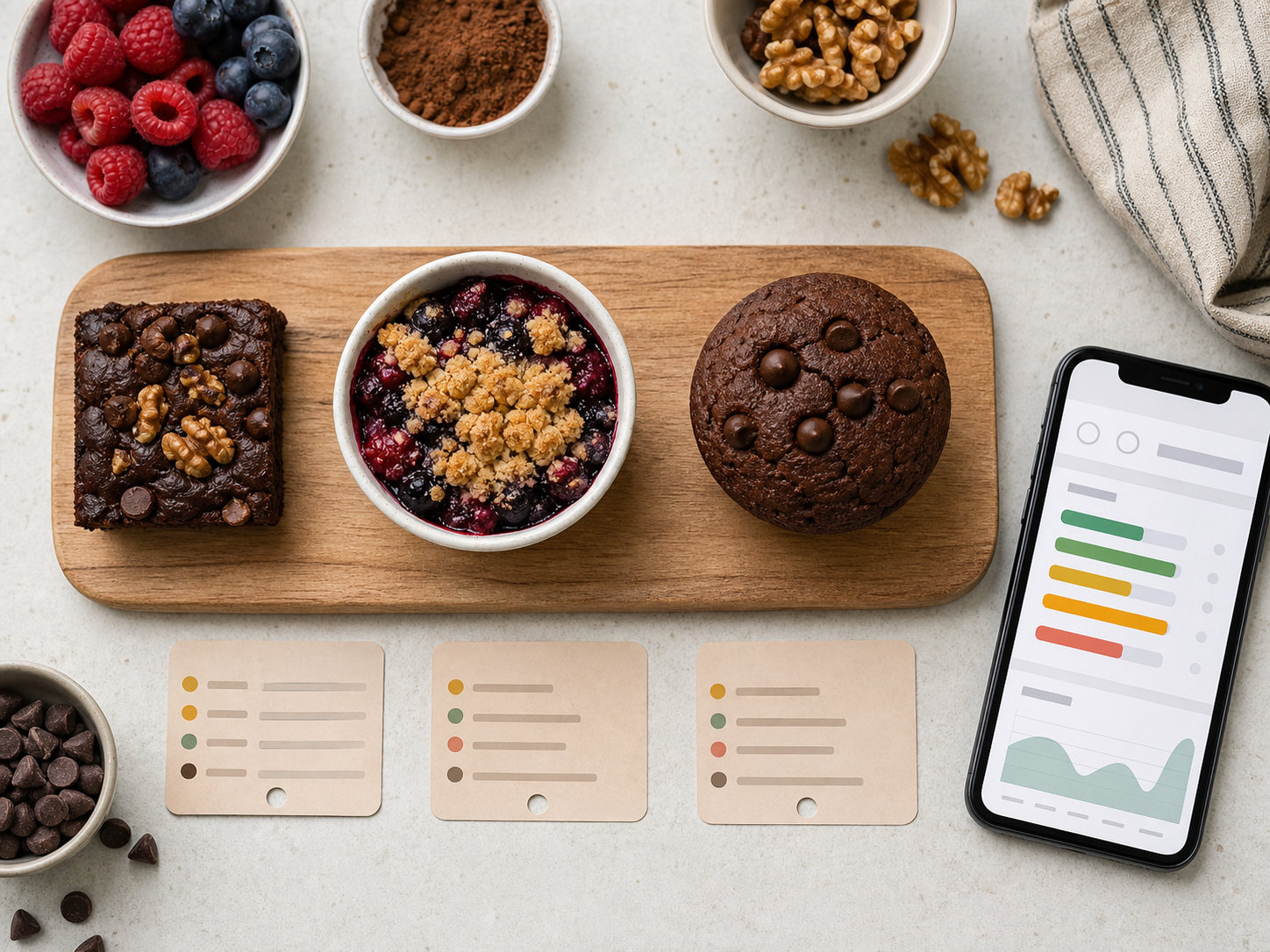
Eatibo is most useful when the same type of decision repeats. Dessert is exactly that kind of decision. You do not need a long spreadsheet every time you want something sweet. You need a fast way to scan the label, understand the tradeoff, and remember what happened after you ate it.
The first scan helps with the immediate choice: Eat, Limit, or Skip. A dessert may land in Eat because it fits your gluten boundary, has a realistic serving, and satisfies the craving without a large tradeoff. It may land in Limit because the added sugar or portion size is high, but you still want it occasionally. It may land in Skip if the ingredients conflict with your sensitivity needs or the cross-contact language is not acceptable for your situation.
The log is where the pattern becomes clearer. One gluten-free cookie after lunch is different from several dessert-style snacks across the week. If your weekly history shows that gluten-free sweets are crowding out protein, fiber, or steady meals, you can adjust the rotation instead of blaming one food. If a specific dessert lines up with symptoms or low energy, you have a stronger reason to compare ingredients next time.
This is also why gluten-free does not mean low-carb. If you are using gluten-free desserts while also watching carbs or blood sugar patterns, read Is Gluten-Free Low Carb? before assuming the label solves both problems. For a broader label-reading method that works outside the dessert aisle, use Deconstructing Food for Better Health. If you want the snack version of this workflow, start with Gluten-Free Snacks: How to Scan Labels Smarter.
A simple dessert rotation that stays realistic
Build a rotation instead of trying to find one perfect dessert. Keep one naturally gluten-free option, one packaged backup, and one true treat. A naturally gluten-free option might be berries with yogurt, chia pudding, baked apples, or a small bowl of fruit with nuts. A packaged backup might be a bar, pudding cup, freezer dessert, or cookie pack that scans well and has a portion you can repeat. A true treat is the dessert you choose for enjoyment, not because the label makes it sound like a health food.
This framing makes the decision less emotional. You are not asking whether gluten-free brownies are "good" or "bad." You are asking whether this brownie is the right food for this moment, in this portion, with your current needs. That is a much easier question to answer and a much easier habit to keep.
For people with celiac disease, diagnosed wheat allergy, severe reactions, or unclear symptoms, Eatibo should support label review, not replace medical guidance. Certification, manufacturer allergen statements, and clinician or dietitian advice matter. For everyone else, the practical win is still the same: scan the dessert like a real food, log the amount you actually eat, and let your weekly pattern guide the next choice.
Frequently asked questions
Are all gluten-free desserts healthy?
No. Gluten-free means the dessert is made without gluten-containing ingredients or to a gluten-free standard. It can still be high in added sugar, refined starch, saturated fat, or calories per realistic portion.
What ingredients should I scan first in gluten-free desserts?
Start with wheat, barley, rye, malt, brewer's yeast, oats that are not labeled gluten-free, wheat starch, and cross-contact statements. After that, check added sugar, serving size, fiber, protein, saturated fat, and sugar alcohols.
Can Eatibo tell me if a dessert is safe for celiac disease?
Eatibo can help you read labels and track foods, but it should not replace certified gluten-free standards, manufacturer allergen information, or your clinician's advice. If you have celiac disease or serious allergy risk, use strict medical guidance.
How should I log shared gluten-free desserts?
Estimate the portion you actually ate, not the serving shown for the whole package. If the dessert was homemade or shared at an event, log the closest match and add notes about ingredients, portion size, and any symptoms or energy changes.
Last updated: May 19, 2026
Related reading
- Gluten-Free Snacks: How to Scan Labels Smarter applies the same label-first method to packaged snacks.
- Is Gluten-Free Low Carb? explains why gluten-free products can still be carb-heavy.
- Navigating the Dairy Aisle helps compare yogurt, dairy-free desserts, and lactose-sensitive choices.