
The Ultimate Guide to Delicious Vegan Mediterranean Recipes for a Healthier You

Quick answer: A recipe is only useful if the serving size is honest. Check how much oil, salt, sauce, cheese, grain, starch, or protein is in your portion, then decide whether the meal fits your calorie, macro, sodium, fiber, or ingredient goal.
Key takeaways
- Recipe names can sound healthy while oil, salt, cheese, sauces, or portions drive the numbers.
- Serving size, protein, fiber, and sodium are usually more useful than a broad diet label.
- Ingredient swaps work best when they protect flavor and the reason you wanted the dish.
- Log the cooked portion once so future versions are easier to estimate.
Definition: In this guide, a smarter recipe decision means checking the real portion, the main nutrition drivers, personal limits, and the repeat pattern before turning a dish into a default.
Ready to unlock a healthier you? Imagine this: you're eating incredibly delicious food that boosts your well-being, fights disease, and aligns with your ethical choices, all without feeling restricted. It sounds almost too good to be true, right? Yet, this is the reality for many who embrace the vibrant world of vegan Mediterranean eating.
Chronic diseases like heart disease and type 2 diabetes are prevalent in the US, often linked to poor dietary choices. But what if your plate could be your most powerful medicine? This guide will show you how to transform your health, one delicious, plant-powered Mediterranean meal at a time.
So, What Exactly is Vegan Mediterranean Eating?
At its heart, vegan Mediterranean eating is a beautiful fusion of two incredibly healthy dietary philosophies. "Vegan" means your diet is entirely plant-based, excluding all animal products like meat, dairy, eggs, and honey. The "Mediterranean diet," on the other hand, isn't just about specific foods; it's a lifestyle inspired by the traditional eating patterns of countries bordering the Mediterranean Sea.
This traditional diet emphasizes whole, unprocessed plant foods, healthy fats (especially olive oil), whole grains, legumes, and nuts, with fish consumed occasionally and red meat rarely. When you bring these two together, you create a powerful, nutrient-dense eating pattern that prioritizes fruits, vegetables, whole grains, legumes, nuts, seeds, and healthy fats, all while avoiding animal products. It's about celebrating nature's bounty in its most delicious forms.
Why Should You Embrace This Delicious Lifestyle?
The benefits of adopting a vegan Mediterranean diet are truly compelling, touching on health, environmental impact, and ethical considerations. Studies consistently show the Mediterranean diet is associated with increased longevity and a reduced risk of chronic diseases such as heart disease and type 2 diabetes. For instance, research highlights its role in preventing cardiovascular disease and improving cognitive health.
Combining this with a vegan approach amplifies these advantages. Plant-based diets are linked to a lower BMI, reduced risk of certain cancers, and improved gut health, which is increasingly recognized for its role in overall well-being. For example, a 2018 review in Nutrients noted that vegetarian and vegan diets are associated with significant improvements in gut microbiota composition. Beyond personal health, choosing a plant-based path also typically means a lower carbon footprint compared to meat-heavy diets, and it aligns with ethical considerations for animal welfare.
Imagine you're aiming for muscle gain or weight loss, but still want to enjoy these incredible flavors. This is where a smart tool comes in handy. With Eatibo, you can quickly scan ingredients for your vegan Mediterranean recipes to see instant calories and macros, ensuring every meal aligns perfectly with your unique health goals – whether you're building muscle, shedding pounds, or avoiding specific allergens.
What Kinds of Amazing Vegan Mediterranean Meals Can You Make?
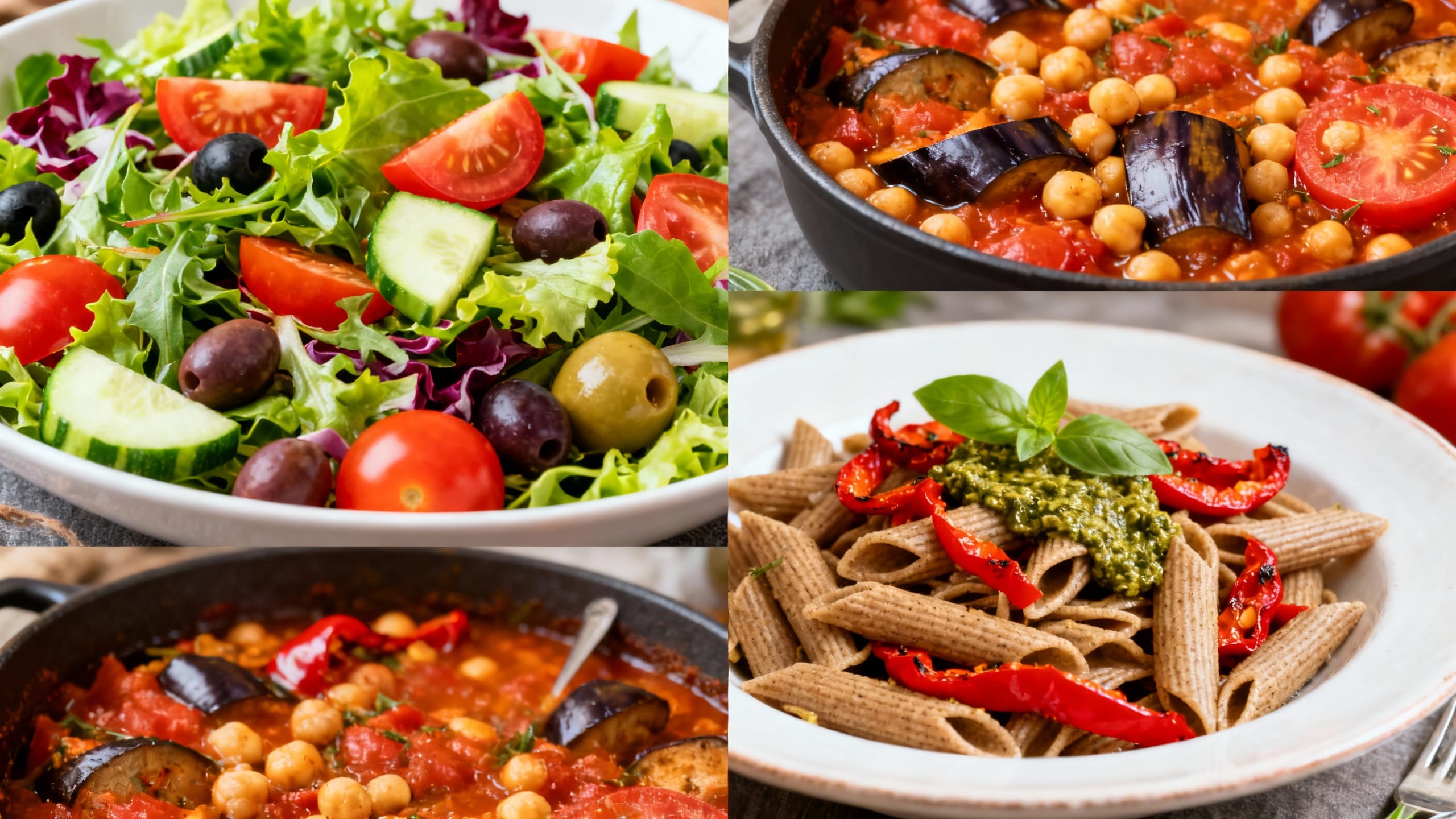
The variety of delicious vegan Mediterranean meals you can create is truly inspiring, proving that healthy eating is anything but boring. This eating style celebrates fresh, seasonal ingredients and bold flavors, making it easy to enjoy every meal.
For breakfasts, you can whip up savory tofu scrambles infused with Mediterranean herbs like oregano and parsley, or enjoy hearty oatmeals topped with nuts, seeds, and fresh berries. Savory chickpea pancakes are another fantastic option. Lunches can be simple yet satisfying, like giant salads brimming with lentils, quinoa, and colorful veggies, or wraps filled with hummus and grilled vegetables. Leftover stews also make for a quick and nutritious midday meal.
When it comes to dinners, the possibilities are endless: hearty lentil moussaka, aromatic vegetable tagines with couscous, pasta dishes bursting with fresh tomato sauces and basil, or beautifully stuffed bell peppers filled with rice and herbs. And don't forget about snacks! Hummus with crisp crudités, a handful of briny olives, a mix of nuts and seeds, or fresh fruit are perfect for keeping you energized between meals.
How Do I Start Building My Vegan Mediterranean Pantry?
Getting started with vegan Mediterranean cooking begins with stocking your kitchen with the right staples. Having these key ingredients on hand makes meal preparation much easier and more enjoyable.
Focus on these essential categories:
- Produce: Prioritize an abundance of fresh fruits and vegetables. Emphasize seasonal options for the best flavor and nutritional value. Think leafy greens, bell peppers, tomatoes, cucumbers, eggplant, zucchini, berries, and citrus.
- Legumes: These are your protein powerhouses! Stock up on lentils (red, green, brown), chickpeas, cannellini beans, kidney beans, and black beans. They're versatile and affordable.
- Whole Grains: Opt for unrefined grains like quinoa, whole wheat pasta, oats, farro, and bulgur. These provide sustained energy and fiber.
- Healthy Fats: Extra virgin olive oil is king in Mediterranean cooking. Also include a variety of nuts (almonds, walnuts, pistachios) and seeds (sesame, flax, chia), and avocados.
- Herbs & Spices: These are crucial for flavor. Essential dried herbs include oregano, basil, mint, thyme, and rosemary. For spices, consider cumin, coriander, smoked paprika, turmeric, and, of course, plenty of fresh garlic and onions.
When you're at the grocery store, making smart choices can feel overwhelming, especially if you're avoiding seed oils or certain additives. Eatibo becomes your personal shopping assistant. Simply point your camera at a nutrition label – whether it's olive oil, plant-based yogurt, or even that vegan feta – and Eatibo instantly flags additives and allergens, rating it 'Eat,' 'Limit,' or 'Skip' based on your customized preferences. This makes building your ideal vegan Mediterranean pantry incredibly simple and stress-free.
Where Can I Find Reliable Vegan Mediterranean Recipes?
Once your pantry is stocked, you'll want to dive into cooking! Finding reliable and delicious vegan Mediterranean recipes is easier than ever. Start by exploring reputable food blogs dedicated to plant-based or Mediterranean cuisine; many offer free recipes and meal plans. Cookbooks from well-known chefs or nutritionists focusing on these diets are also excellent resources. Online culinary communities and social media groups can provide a wealth of ideas and support. Don't forget nutrition websites and university extension programs, which often offer evidence-based recipes. Look for recipes that emphasize whole foods and minimize processed ingredients for the most authentic and beneficial experience.
Ready to Eat Smarter, One Delicious Meal at a Time?
Embracing the vegan Mediterranean way of eating is more than just a diet; it's a journey towards a more vibrant, healthier life. It's about savoring incredible flavors, nourishing your body with wholesome ingredients, and feeling truly fantastic. You don't have to overhaul your entire life overnight.
Here are some practical takeaways to get you started:
- Start small: Pick one new vegan Mediterranean recipe to try each week.
- Experiment with flavors: Don't be afraid to explore new herbs, spices, and ingredients. Your taste buds will thank you!
- Listen to your body: Pay attention to how these nutritious meals make you feel, both physically and mentally.
- Embrace the journey: This is about making sustainable, enjoyable changes, not striving for perfection.
By focusing on delicious plant-based foods and the principles of the Mediterranean diet, you're setting yourself up for long-term health and happiness. Enjoy the process, and get ready to discover a world of flavors!
Decision framework
| What to check | Why it changes the dish | Practical next step |
|---|---|---|
| Serving size | Recipe nutrition changes fast when the portion doubles | Log the cooked portion you actually eat |
| Oil, cheese, sauce, nuts, or starch | These ingredients can drive calories, sodium, or saturated fat | Measure once, then adjust future versions by feel |
| Protein and fiber | They affect fullness more than the recipe name does | Add beans, yogurt, fish, eggs, lean meat, or vegetables when useful |
| Personal restriction applies | General recipes do not know allergies, medications, or clinician rules | Use verified substitutions and professional guidance where needed |
Concrete examples
- If a dish feels healthy but uses several tablespoons of oil, measure once so the estimate is not fantasy.
- If you want more fullness, increase protein or fiber before cutting flavor.
- If a recipe becomes a weekly default, save the logged version so the next meal takes less work.
Limits and safety notes
Recipe guidance is approximate because ingredient brands, cooking methods, and portions vary. This guide is not allergy clearance, medication advice, eating-disorder recovery guidance, or a substitute for a clinician or registered dietitian.
Where Eatibo fits
Eatibo helps when a recipe becomes something you actually eat. Scan ingredients or a plate photo, check calories, macros, sodium, added sugar, allergens, and additives, then save the meal to your Nutrition Log so repeat versions are easier to compare.
Sources and references
- HHS/ODPHP: Current Dietary Guidelines for Americans
- USDA/FNS: Dietary Guidelines for Americans
- FDA: How to understand and use the Nutrition Facts label
Frequently asked questions
Is this recipe automatically healthy?
No. The answer depends on serving size, ingredients, oil, salt, sauce, protein, fiber, and how often you eat it.
What should I adjust first?
Adjust the biggest driver first: portion size, oil, sauce, cheese, starch, sodium, protein, or fiber. Small swaps work better when they keep the dish enjoyable.
How can Eatibo help with recipes?
Eatibo can scan ingredients or the finished plate, then save the estimate so repeat versions are easier to compare.
Related reading
- The Mediterranean Diet: A Timeless Taste of Health
- Savoring the Mediterranean: Your Guide to Delicious & Nutritious Dijon Chicken Catering
- Savoring the Mediterranean Diet: Your Guide to Healthier Grilling & Grocery Shopping
Last updated: June 1, 2026