
Savoring Habibi Mediterranean Grill: Your Smart Eater's Guide
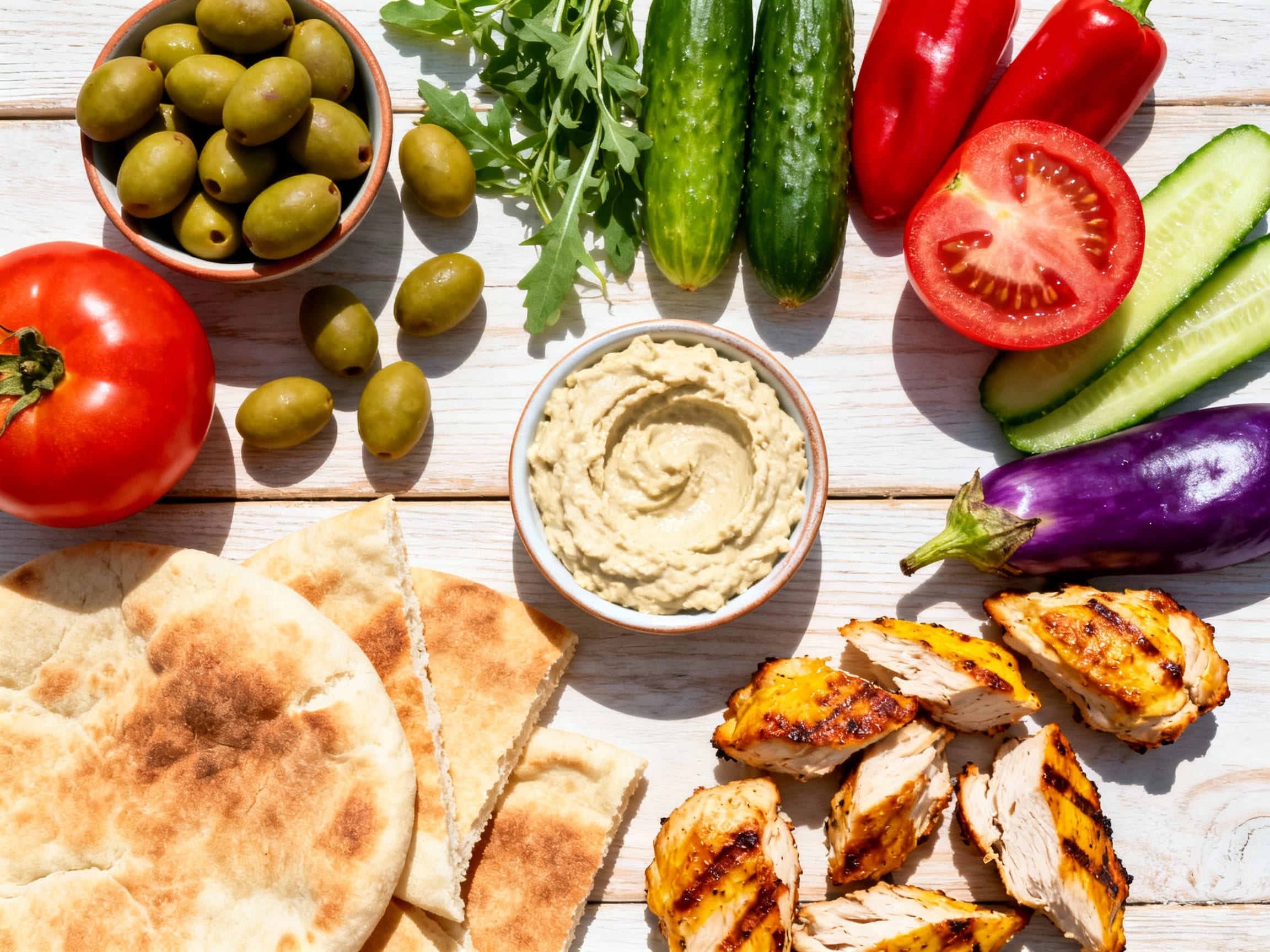
Quick answer: A Habibi order is easiest to keep on track when it is grilled meat or falafel, a salad or rice base, sauce on the side, and one planned starch. If the tray ends up with rice, pita, hummus, garlic sauce, fries, and a sweet drink, log it as a full restaurant meal, not a "light Mediterranean" shortcut.
Key takeaways
- Choose the protein first. Then choose rice, pita, or a larger dip portion; do not let all three arrive by default.
- Sauce is the quiet swing item. Garlic sauce, tahini, and creamy dressings should be measured by use, not by the cup they come in.
- Falafel can be a good vegetarian order, but it is usually fried, so compare it differently from grilled chicken or fish.
- If the exact nutrition is not posted, use a close log entry and watch whether this kind of meal repeats during the week.
Definition: A smarter Habibi order is one where the main item, starch, vegetables, sauce, drink, and allergy or sodium limits are chosen on purpose.
I would not judge Habibi by the cuisine name alone. A chicken shawarma plate with rice, pita, hummus, garlic sauce, and soda is a different choice from grilled chicken over salad with a few spoonfuls of sauce. Same restaurant, same general food style, completely different weekly impact. Read the plate in parts before you decide it "counts" as healthy.
Read The Plate Before The Menu Title
Mediterranean restaurant menus are useful because the parts are often visible. You can see the meat, rice, salad, pita, dip, and sauce. That makes the meal easier to adjust than food where everything is mixed together before it reaches you.
Use the menu like a checklist:
- Main item: grilled chicken, beef, lamb, fish, shawarma, falafel, or a vegetarian plate.
- Base: rice, salad, pita, or a mix. This is where many meals quietly double.
- Dip: hummus and baba ghanoush bring flavor and fiber, but the portion still matters.
- Sauce: garlic sauce, tahini, yogurt sauce, and dressing can add fat, sodium, and allergens.
- Extras: fries, sweet drinks, extra pita, olives, and pickled vegetables should be counted, not ignored.
If sodium is a concern, ask about pickles, olives, seasoned rice, marinades, and sauces. If allergies matter, sesame in tahini, wheat in pita, and dairy in yogurt sauces are the first things to check.
Three Habibi Orders, Three Different Logs
Here is how I would think about common orders:
- Grilled chicken salad, sauce on the side: easier to keep moderate; check dressing and any pita.
- Shawarma plate with rice and hummus: still workable, but log rice, meat, hummus, and sauce separately if possible.
- Falafel plate with pita and fries: not automatically bad, but it is a fried meal with starch on the side, so do not compare it to a salad.
Eatibo fits after the plate is real. Scan the meal, add a note for rice, pita, sauce, or fries, and save the closest match. The value is not perfect restaurant math. The value is seeing whether your usual Habibi order is quietly driving the weekly sodium, calories, or saturated fat higher than you expected.
Beyond Calories: What Else Should You Know About Your Meal?
Understanding what's in your food goes beyond just calories. It's vital to think about macros (proteins, carbs, fats), potential hidden ingredients, and allergens. Mediterranean food, while healthy, can sometimes contain hidden elements like seed oils in dressings or excessive salt. Common allergens include sesame (in tahini found in hummus or baba ghanoush), gluten (in pita bread and some bulgur dishes), and dairy (in some labneh or yogurt-based sauces). Always ask your server if you have specific dietary concerns.

How Can You Keep Track and Stay Accountable, Even When Dining Out?
Logging restaurant meals accurately can be tricky. It's hard to guess exact portion sizes or ingredients. This is where modern tools can be incredibly helpful.
Once your delicious plate from Habibi arrives, a quick scan with Eatibo transforms guesswork into knowledge. Just point your phone, and it instantly flags calories, macros, additives, and crucial allergens, giving you a real-time "Eat / Limit / Skip" rating. This isn't just about the moment; Eatibo's clean food log, calendar view, and weekly trends help you integrate that delightful Habibi meal into your overall journey, providing simple swaps and tailored guidance for your specific goals, whether it’s weight loss or going seed-oil-free.
Smarter Sips and Sides: Rounding Out Your Habibi Experience
Don't forget about your drink and accompanying items! Opt for water, unsweetened tea, or sparkling water instead of sugary sodas. When it comes to bread and dips, practice mindful portioning. Focus on loading up your plate with fresh salads and grilled vegetables, which offer maximum nutrients for minimal calories.
Enjoying Every Bite, Guilt-Free: Your Habibi Takeaway
Dining out should be an enjoyable experience, not a source of stress about your diet. With a few smart strategies and the right tools, you can savor every bite at Habibi Mediterranean Grill and still align with your health goals. Prioritize grilled options over fried, load up on vibrant vegetables, and always ask for dressings on the side. Remember that portion control is key, and don't hesitate to ask about ingredients if you have questions. Enjoy your meal!
Decision framework
| What to check | Why it changes the meal | Practical next step |
|---|---|---|
| Portion, side, sauce, and drink | These often add more calories, sodium, sugar, or saturated fat than the main item | Compare the full order, not just the entree |
| Fried, creamy, or sweet add-ons | Preparation changes can move a meal from moderate to heavy quickly | Ask for sauce on the side or choose grilled, roasted, or simpler options when that fits your goal |
| Published nutrition is missing | Local recipes and serving sizes vary | Use a close estimate, log the meal, and watch repeat patterns |
| Allergy, medication, or clinician-directed diet applies | Restaurant estimates cannot guarantee safety | Follow the stricter rule and ask staff or a qualified professional when needed |
Concrete examples
- If two meals look similar, compare the full order with sides and drinks before judging.
- If the menu does not publish nutrition, log a close match and check whether that type of meal repeats during the week.
- If sodium or allergens matter, ask about sauces, marinades, and substitutions instead of relying only on the menu title.
Limits and safety notes
Restaurant nutrition is approximate and can vary by location, supplier, preparation, and portion. This guide is not allergy clearance, diabetes management, eating-disorder recovery advice, or a substitute for a clinician or registered dietitian.
Where Eatibo fits
Eatibo is useful after the menu decision gets real. You can scan a plate, barcode, or nutrition label, compare calories and macros, check sodium, added sugar, allergens, additives, and ingredients, then save the meal to your Nutrition Log. The goal is not perfect restaurant math; it is seeing whether similar meals are helping or hurting your weekly pattern.
Sources and references
- FDA: Calories on the Menu
- FDA: How to understand and use the Nutrition Facts label
- HHS/ODPHP: Current Dietary Guidelines for Americans
Frequently asked questions
Can I trust restaurant calorie numbers exactly?
Use them as estimates. Standard menu labels help, but local preparation, serving size, sauces, and substitutions can change the final meal.
What should I check first when eating out?
Start with the full order: entree, side, sauce, drink, and dessert. Then check the tradeoff that matters most for your goal, such as sodium, protein, added sugar, saturated fat, or calories.
How can Eatibo help after a restaurant meal?
Eatibo can log the actual plate and help you compare similar meals over the week, which is more useful than treating one estimate as perfect.
Related reading
- Savoring Health Decoding Mediterranean Sauces with Eatibo
- Unlocking Flavor: The Mediterranean Sauces You Need in Your Life
- Saffron-Kissed Secrets: Unpacking the Mediterranean Yellow Rice Phenomenon
Last updated: June 1, 2026