
High-Calorie Cat Food: Safer Label Checks
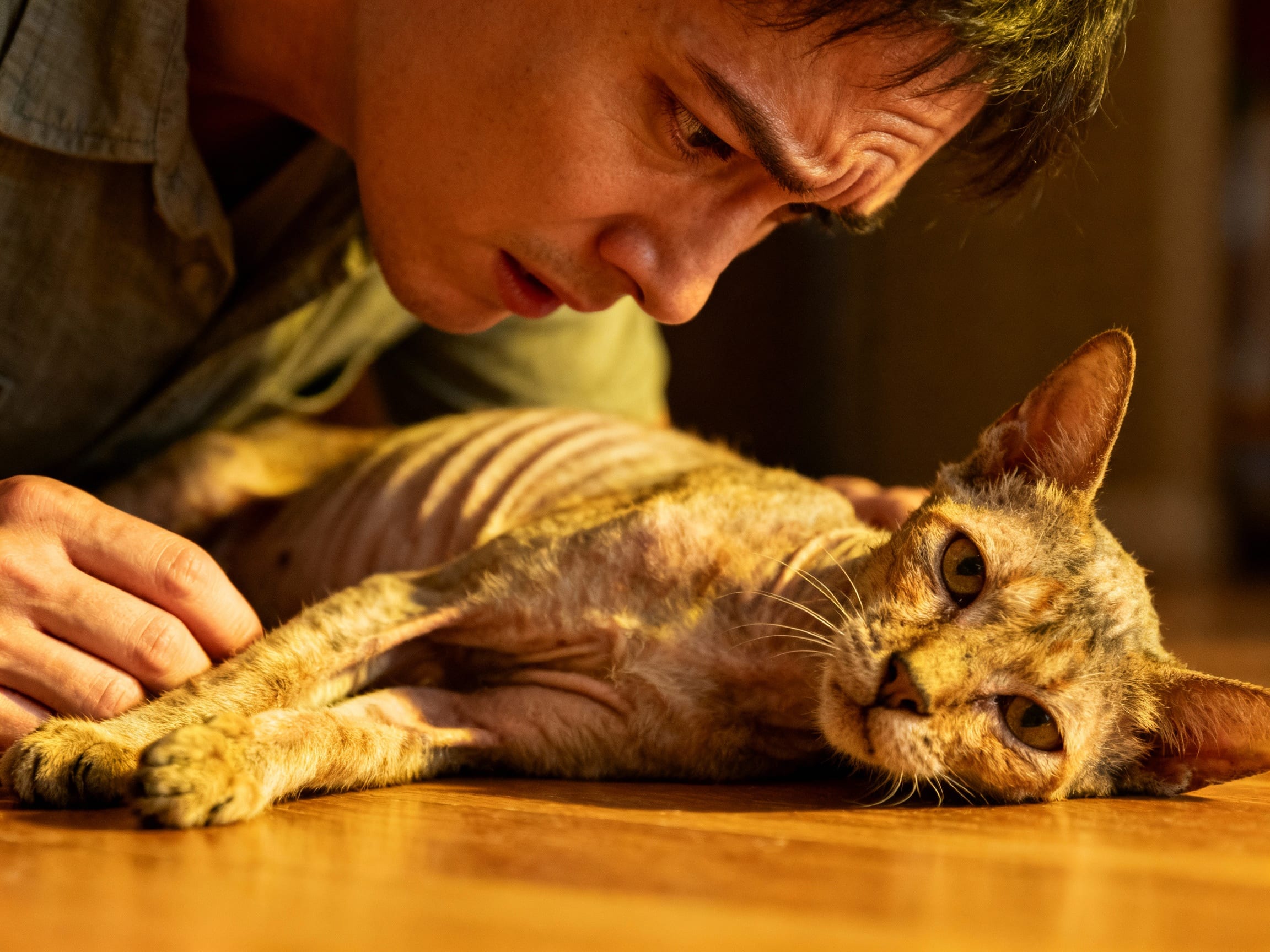
Quick answer: High-calorie cat food should be chosen with a veterinarian when a cat is losing weight, recovering, refusing food, or managing a disease. At the label level, compare calorie content, life-stage statement, protein and fat, moisture, feeding directions, and any veterinary diet claims. Eatibo is built for human food scanning, so use this article as a careful label-reading framework, not as pet medical advice or a replacement for veterinary care.
When a cat looks thinner, the instinct is to find the richest food on the shelf. That reaction makes sense. It can also miss the real issue.
A cat may need more calories because of age, illness, recovery, appetite changes, stress, dental pain, digestive problems, or competition with other pets at feeding time. Some of those are simple feeding issues. Some are veterinary problems. The label matters, but the reason behind the weight change matters more.
Key takeaways
- Unexplained weight loss, poor appetite, vomiting, diarrhea, lethargy, or sudden behavior change deserves a veterinarian before a diet experiment.
- Look for a calorie content statement and feeding directions, then compare wet and dry foods on a practical serving basis.
- "High calorie" is not enough; the food should be appropriate for the cat's life stage and health situation.
- Veterinary therapeutic diets should be used under veterinary direction.
- Eatibo should not be treated as a pet nutrition app. It can inspire a structured label checklist, but pet feeding decisions belong with veterinary guidance.
High-calorie cat food is food with higher energy density per serving, but the safer decision is not simply "more calories." It is matching calorie density, nutrient balance, life stage, appetite, and medical context with help from a veterinarian.
Start with the reason, not the bag
The first question is not "Which food has the most calories?" It is "Why does this cat need more energy?"
If a healthy young cat is very active or a kitten is growing, calorie needs can be higher. If an older cat is losing weight, the same answer is not enough. Weight loss can sit next to dental disease, thyroid disease, kidney disease, diabetes, gastrointestinal problems, pain, stress, or other issues that a label cannot solve.
That is why high-calorie feeding should be treated as a plan, not a pantry swap. A veterinarian can help decide whether the goal is weight gain, recovery support, appetite stimulation, disease management, or simply better portion control in a multi-cat household.
What to scan on a high-calorie cat food label
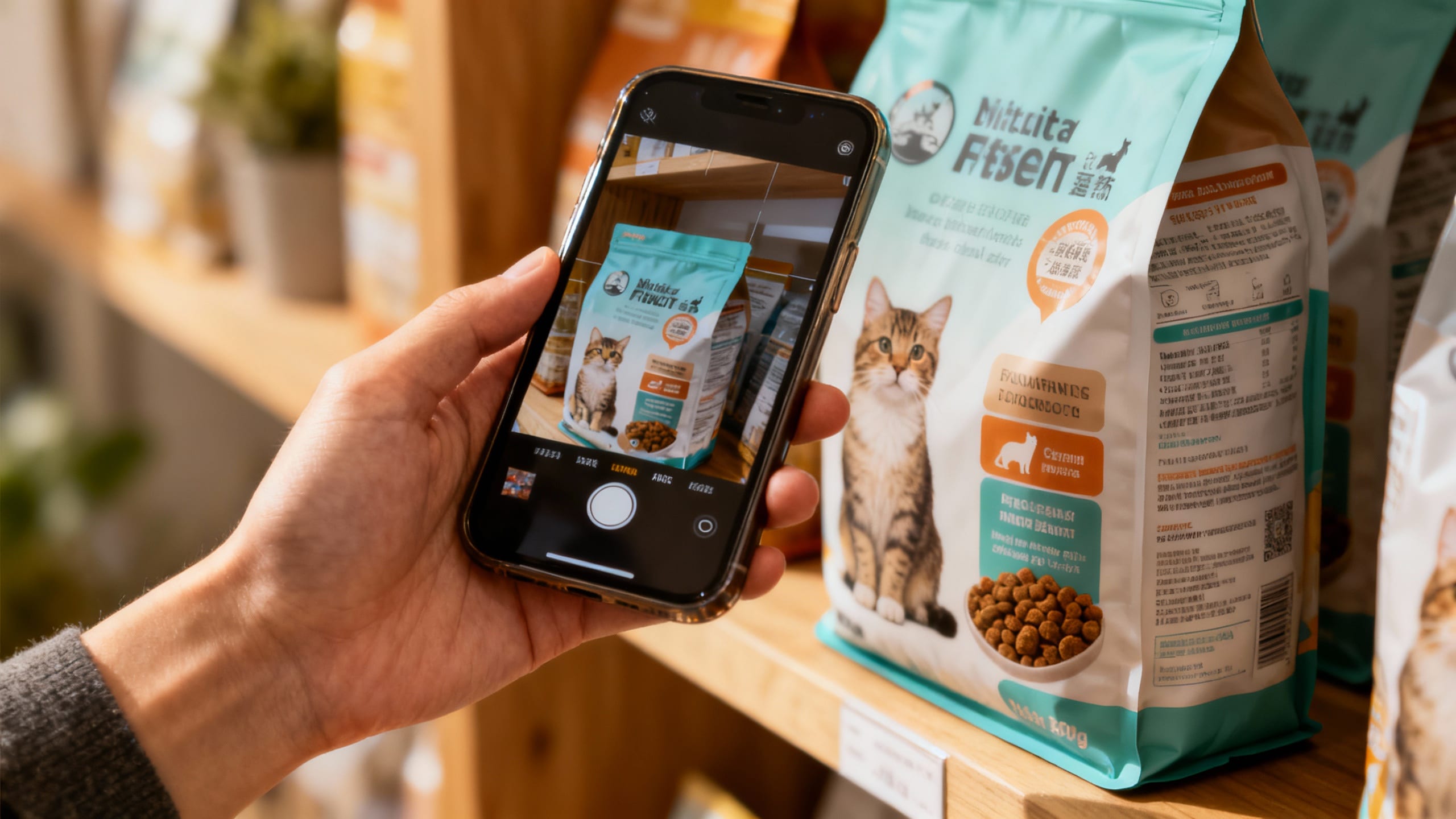
Pet food labels are different from human food labels. Do not try to read them like a cereal box.
| Label area | What to check | Why it matters |
|---|---|---|
| Calorie content | kcal per can, cup, pouch, or kilogram | Lets you compare real portions instead of vague "rich" claims. |
| Life-stage statement | Kitten, adult maintenance, all life stages, senior, or veterinary diet | A growing kitten and an older cat with disease risk may need different support. |
| Guaranteed analysis | Protein, fat, fiber, moisture, and other listed nutrients | Useful, but moisture makes wet and dry foods hard to compare directly. |
| Feeding directions | Suggested amount by weight and life stage | A starting point, not a perfect prescription. Monitor body condition and appetite. |
| Ingredient and claim language | Named animal proteins, texture, palatability, therapeutic claims | Veterinary claims and prescription diets should not be self-selected casually. |
Moisture is the detail people often miss. Wet food can look lower in protein or fat on the guaranteed analysis because it contains more water. Dry food can look more concentrated. That does not automatically make one better. It means you need to compare calorie content and the amount the cat will actually eat.
Practical scenarios
A picky cat who eats only a few bites may need palatability and feeding setup before a calorie-dense food helps. Warming wet food slightly, offering smaller meals, reducing bowl competition, or changing texture can matter. If the cat still refuses food, that is not a label problem.
A cat recovering from illness may need a veterinarian-approved food that is easier to eat and appropriate for recovery. Do not assume a rich over-the-counter food is the same as a recovery diet.
A senior cat losing weight needs a medical check. Higher calories may help only after the underlying cause is understood.
A kitten needs food appropriate for growth, not just "more" adult food.
A multi-cat home needs feeding separation. One cat may need more calories while another gains weight by stealing the extra food. A simple household feeding log can prevent the plan from drifting.
Where Eatibo fits, and where it does not
Eatibo is not a veterinary nutrition tool. It is built around human food scanning, nutrition labels, ingredient awareness, and habit tracking. Do not use it to diagnose a cat, choose a therapeutic pet diet, or calculate a medical feeding plan.
The useful crossover is the decision habit. The same label discipline that helps a person scan sodium, added sugar, allergens, and serving size can help a household stay organized when comparing pet-food labels. You can keep notes on product name, calorie content, feeding direction, veterinarian instructions, appetite, and weight trend outside the article's medical scope.
If you are reading this because you already use Eatibo for your own food choices, keep the pet boundary clear:
- Use a checklist: calorie content, life stage, feeding direction, vet guidance, appetite, weight trend.
- Do not use Eatibo as a verdict: it is not built to grade cat food safety or prescribe pet diets.
- Escalate quickly: weight loss, refusal to eat, repeated vomiting, diarrhea, severe lethargy, or known disease needs a vet.
For a broader human-label framework, Food Additives: How to Scan Ingredient Lists Smarter shows how to separate a label claim from the actual decision. Deconstructing Food for Better Health explains why serving size and pattern matter more than one headline number.
Red flags before you buy
Be cautious with any product or online advice that promises quick weight gain without a health check. Cats are small animals; a feeding change can have a large effect.
Be cautious with homemade high-calorie recipes unless a veterinarian or board-certified veterinary nutritionist is involved. Pet nutrition is not just calories. Cats need complete and balanced nutrition for their life stage.
Be cautious with raw diets, disease-management claims, and supplement stacks. Some claims require a level of veterinary oversight that a shopper cannot verify from a front label.
And be cautious if the cat is not eating. Prolonged poor appetite in cats can become serious. Do not wait on a content article or app workflow when the situation is urgent.
A safer label-review checklist
Bring this list to the shelf or to the vet conversation:
- What is the cat's current weight, body condition, and recent weight trend?
- Did a veterinarian identify why more calories are needed?
- What is the calorie content per can, cup, pouch, or kilogram?
- Is the food labeled for the right life stage?
- Is it complete and balanced for the intended use?
- Are feeding directions realistic for the cat's appetite?
- Is this a therapeutic or veterinary diet that needs supervision?
- How will you monitor appetite, weight, stool, vomiting, energy, and behavior?
The goal is not to find the richest food. The goal is to make the feeding plan visible enough that you and your veterinarian can adjust it.
Frequently asked questions
What should I check first on high-calorie cat food?
Start with the reason your cat needs more calories. Then check the calorie content statement, life-stage statement, feeding directions, and whether the food is complete and balanced for the intended use. If weight loss is unexplained, call a veterinarian first.
Is wet or dry food better for weight gain?
It depends on the cat and the medical context. Dry food is often calorie-dense by volume, while wet food can help some cats eat because of texture, aroma, or moisture. The better choice is the one your veterinarian approves and your cat reliably eats.
Can I use Eatibo to choose cat food?
No, not as a pet nutrition authority. Eatibo is for human food scanning and nutrition habits. You can borrow the label-checking mindset, but cat feeding plans, therapeutic diets, and unexplained weight changes belong with a veterinarian.
When is high-calorie cat food urgent?
Poor appetite, rapid weight loss, repeated vomiting or diarrhea, severe lethargy, dehydration signs, known disease, or a cat that stops eating should be treated as urgent enough to contact a veterinarian. Do not wait for a food swap to fix those signs.
Last updated: May 31, 2026
Sources
- Cornell Feline Health Center: Feeding Your Cat
- FDA: Complete and Balanced Pet Food
- FDA: Animal Food Labeling and Pet Food Claims
- Merck Veterinary Manual: Proper Nutrition for Cats
Related reading
- Decoding Your Plate (and Your Pet's): A Smarter Way to Eat covers the site's older pet-adjacent label angle.
- Food Additives: How to Scan Ingredient Lists Smarter gives a practical label-scan framework for human packaged foods.
- Deconstructing Food for Better Health explains why serving size and weekly pattern matter.