That Shadow in the Shallows: Are There Sharks in the Mediterranean?
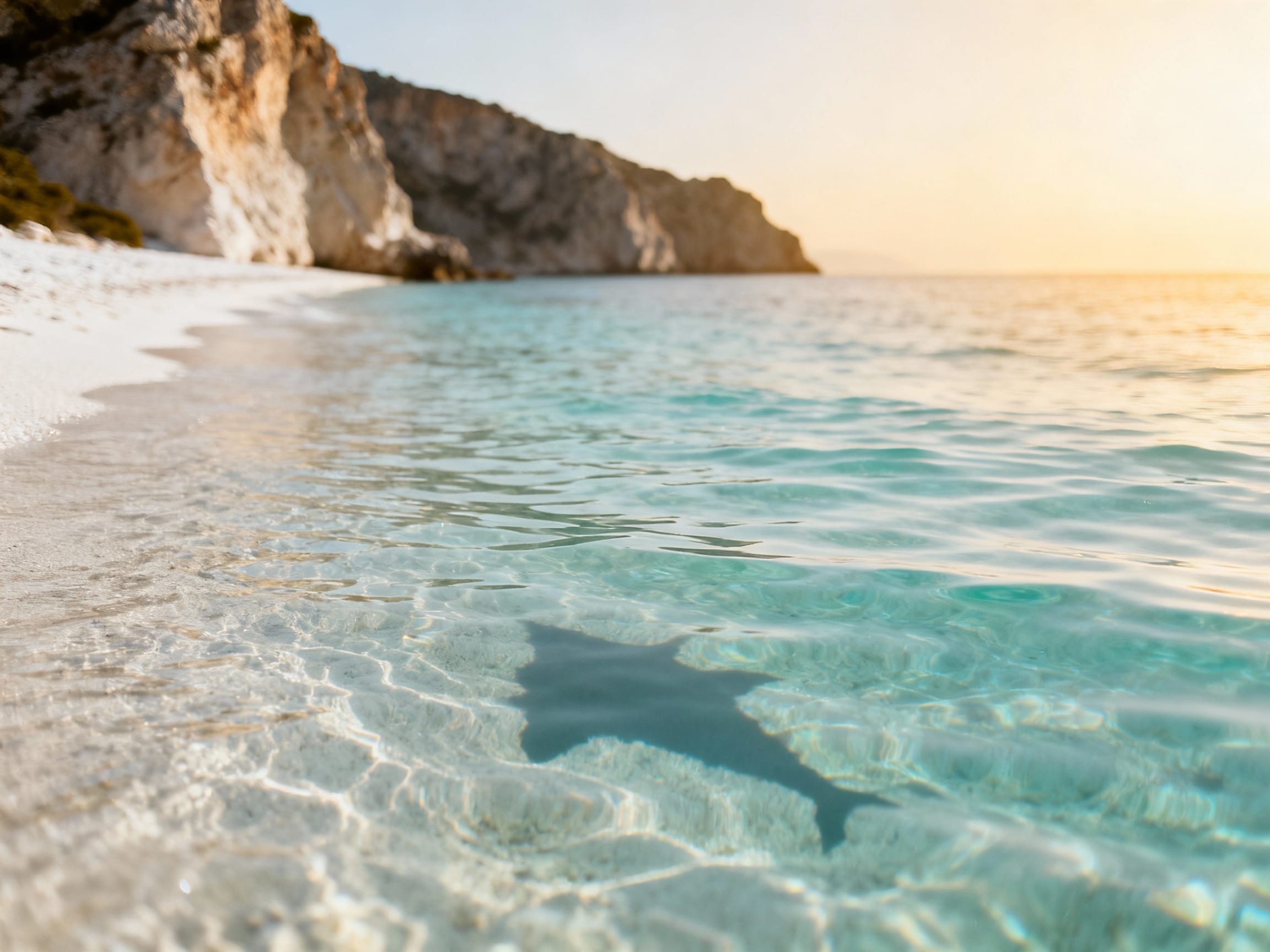
Quick answer: Yes, sharks live in the Mediterranean, but shark risk for ordinary swimmers near busy beaches is very low. Treat this as travel context: follow local beach guidance, avoid risky water conditions, and save nutrition decisions for the actual meals and menus on the trip.
Key takeaways
- The Mediterranean has multiple shark species, including open-water species rarely seen by swimmers.
- Normal beach safety habits matter more than fear-based shark stories.
- This page is travel context, not nutrition or medical advice.
- Eatibo only becomes relevant when the trip turns into a restaurant, grocery, seafood, or label decision.
Definition: In this guide, a useful travel answer means giving the narrow factual context first, then separating beach safety from food and nutrition decisions.
The Mediterranean is home to dozens of shark species. For travelers, the practical takeaway is simple: the chance of seeing one near a busy beach is very low, and swimming risk from sharks is minimal.
What kinds of sharks live in the Mediterranean?
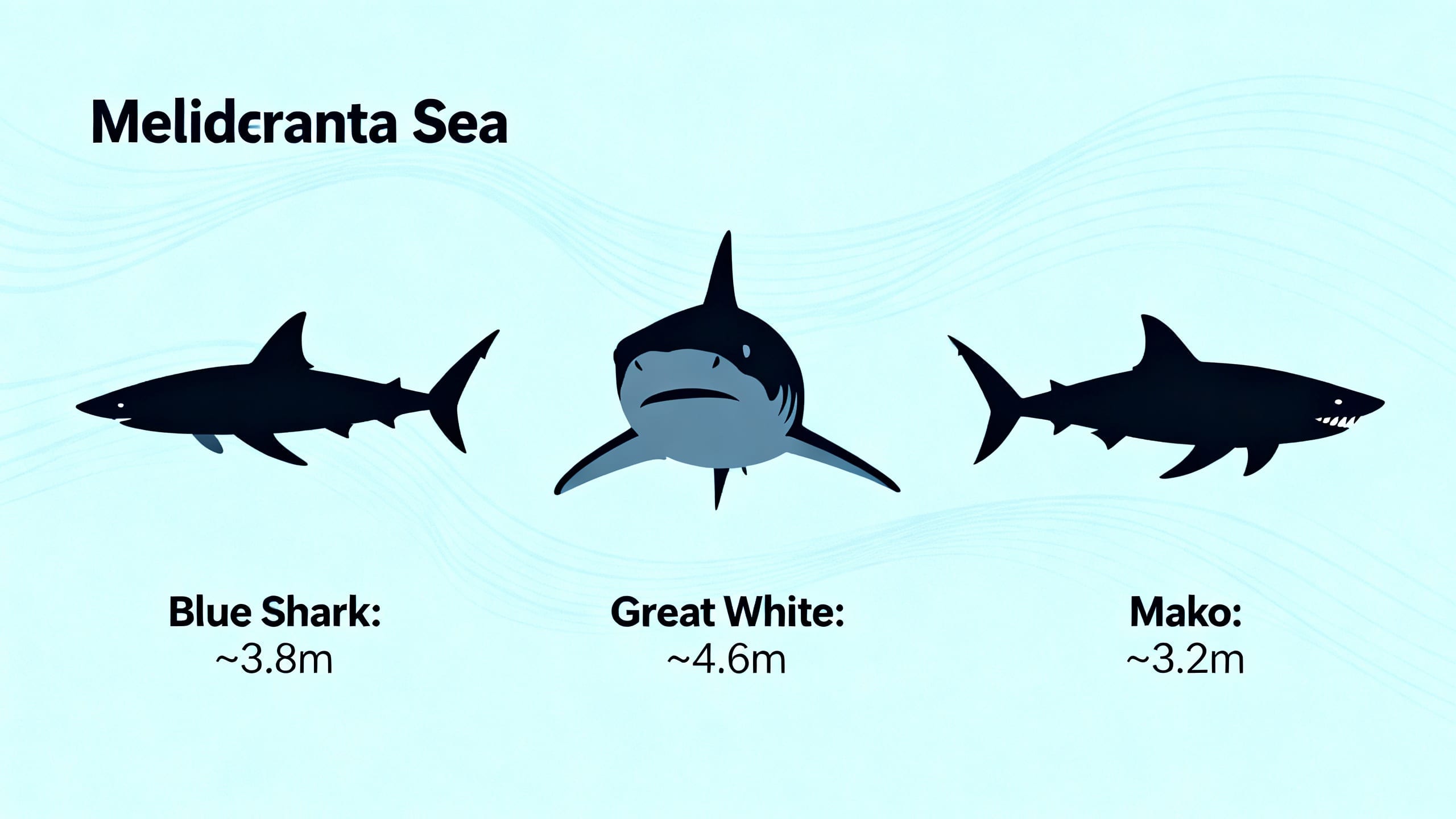
Researchers commonly estimate around 47 shark species in the Mediterranean. Well-known examples include the Great White Shark, Blue Shark, Mako Shark, and Hammerhead Sharks. Many are pelagic (open-water) species and not typical near-shore swimmers.
Is swimming in the Mediterranean risky because of sharks?
For most swimmers, no. Encounters are rare, and many Mediterranean shark species prefer offshore waters. As with any ocean, normal safety habits are enough.
Simple swim-safety habits
- Swim in groups and stay near lifeguarded areas.
- Avoid swimming at dawn or dusk when marine life is more active.
- Don’t enter the water with open wounds or shiny jewelry.
- Follow local signage and guidance.
Travel note: enjoy the food too
Mediterranean travel usually means fresh seafood, olive oil, and seasonal vegetables. If you track meals while traveling, scanning a plate or menu can help you stay consistent without counting everything manually.
Decision framework
| Reader question | Why it matters | Practical next step |
|---|---|---|
| Are there sharks in the Mediterranean? | Yes, but many are offshore and encounters with swimmers are rare | Keep the answer factual instead of fear-based |
| Is swimming risky? | Shark risk is only one small part of beach safety | Follow local signs, lifeguards, and beach conditions |
| Does this connect to nutrition? | Only indirectly through travel, seafood, restaurants, and menus | Use food tools when choosing meals, not for beach safety |
| The food question comes later | Beach context and food context are different | Separate safety choices from restaurant or grocery choices |
Concrete examples
- If you are choosing a beach, follow local signs and lifeguard guidance rather than internet fear.
- If you are planning food around a Mediterranean trip, compare restaurants, seafood dishes, and grocery labels separately.
- If this page does not answer a food decision, keep the product connection brief and factual.
Limits and safety notes
This page is travel context, not emergency, marine safety, medical, or nutrition advice. Follow local authorities, lifeguards, posted signs, and current beach conditions. Use nutrition tools only for actual food choices.
Where Eatibo fits
Eatibo is not relevant to shark safety. It becomes useful later in the trip when you choose seafood, restaurant meals, packaged snacks, or grocery labels and want to compare nutrition details or log the pattern.
Keep the travel question in its lane
This page answers a travel-safety curiosity, not a nutrition problem. That distinction matters because adding food advice to every Mediterranean topic can make the page less useful. If you are planning a swim, the right sources are local signs, lifeguards, weather, water conditions, and official beach guidance. If the same trip turns into a food decision, then the context changes. A seafood plate, packaged snack, restaurant menu, or grocery label can be scanned and logged like any other meal. Keeping those two decisions separate protects trust: beach safety should not be solved with a food app, and a travel article should not pretend to be a medical or nutrition guide.
For families, the same separation helps children and anxious travelers. Answer the shark question calmly, check the beach rules, and then move on to the parts of the trip you can control. Food choices are one of those controllable parts. A simple scan at lunch or dinner can help with allergies, sodium, alcohol, or portions without dragging beach-safety anxiety into the meal.
Sources and references
- NOAA Ocean Service: Do sharks hunt people?
- NOAA Ocean Service: Dangers at the Beach
- IUCN: Mediterranean sharks, rays and chimaeras at risk
Frequently asked questions
Are sharks common near Mediterranean beaches?
Sharks live in the Mediterranean, but ordinary beach encounters are uncommon. Follow local guidance and avoid risky water conditions.
Is this a nutrition article?
No. It is travel context. Nutrition only becomes relevant when you choose meals, restaurants, seafood, snacks, or grocery items during the trip.
Can Eatibo help with travel meals?
Yes, but only for food decisions. Use it to scan menus, packaged foods, labels, or meal photos, not for beach safety.
Related reading
- Dining Smart at Aladdin's Mediterranean Grill Sandy Springs with Eatibo
- Craving Delicious & Healthy? Your Guide to Padria Mediterranean Cafe in Kirkland
- Aegean Front-Row: Mediterranean Restaurants You Shouldn’t Miss
Last updated: June 1, 2026