What's Really in Your Twisted Tea? Unpacking the Calories and More
Quick answer: Do not stop at the headline calorie or macro number. Start with the serving you will actually eat, then check calories, protein, fiber, sodium, added sugar, saturated fat, ingredients, and allergens against your real goal.
Key takeaways
- Serving size usually changes the answer more than the label headline.
- Compare the tradeoff that matters most for your goal: calories, protein, fiber, sodium, added sugar, saturated fat, ingredients, or allergens.
- One item rarely decides the whole diet; repeated weekly patterns matter more.
- Use official labels and menus when available, then log the real portion you ate.
Definition: In this guide, a smarter food decision means checking the real portion, the practical tradeoffs, personal limits, and the repeat pattern before turning one answer into a rule.
You grab a Twisted Tea, thinking "iced tea"... but what if that refreshing taste is hiding more than just a kick? Many of us reach for hard iced teas, perceiving them as a lighter, more refreshing alcoholic option. But when you’re watching what you eat – and drink – it’s only natural to wonder what’s really inside that familiar bottle or can.
Is That "Iced Tea" Really as Innocent as it Seems?
It’s easy to be fooled by the "iced tea" label. After all, traditional iced tea is often a low-calorie, hydrating beverage. However, its alcoholic counterpart, Twisted Tea, is a different story altogether. The sweet, tea-infused flavor can mask a significant amount of calories and sugar, potentially impacting your dietary goals without you even realizing it.
How Many Calories Are Actually in a Twisted Tea?
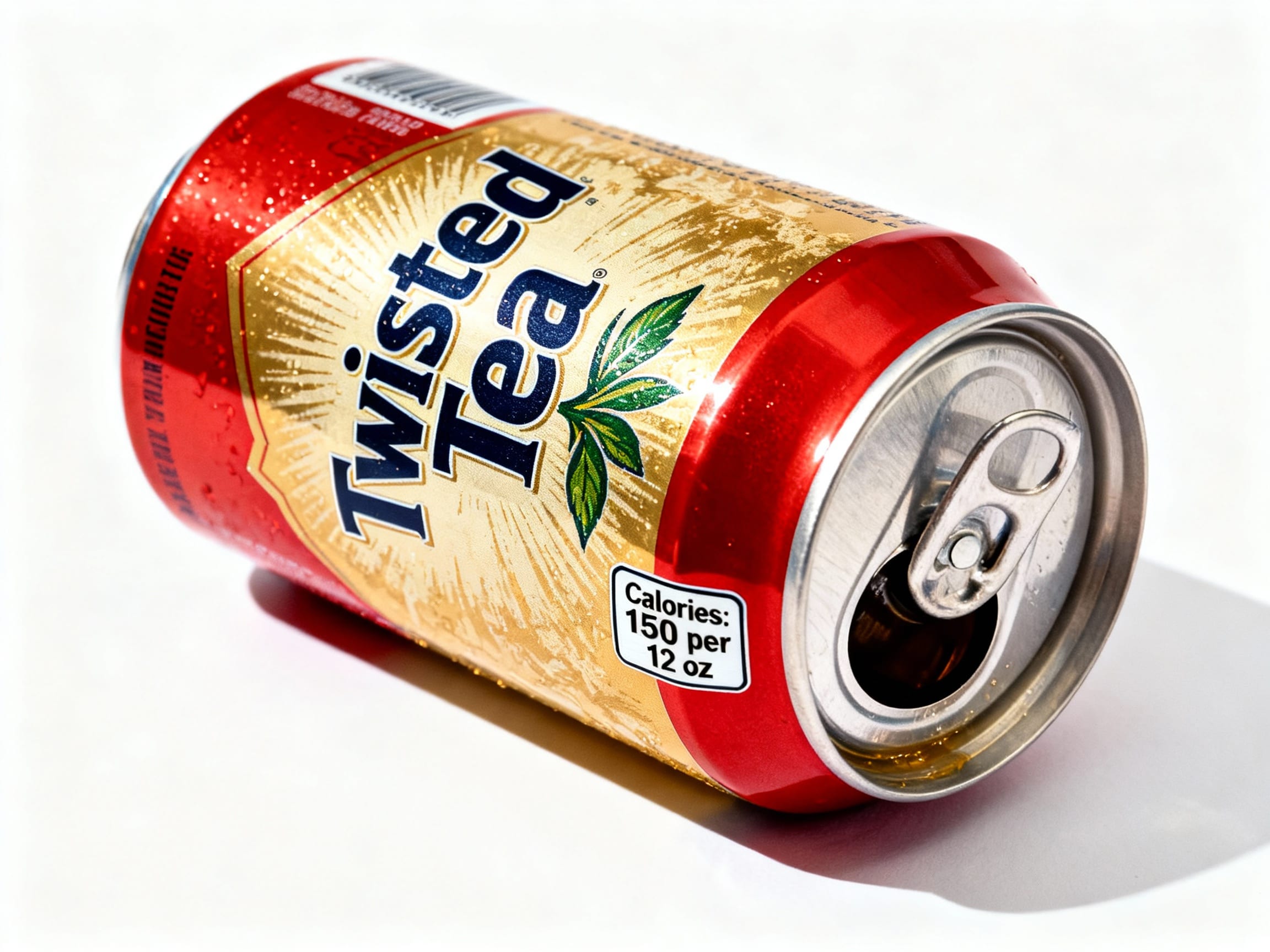
This is often the first question people ask, and for good reason! While specific numbers can vary slightly by flavor and region, a standard 12oz serving of Twisted Tea Original typically hovers around 200-220 calories. If you're opting for a larger 24oz can, you're looking at roughly double that, often in the 400-440 calorie range.
These calories come from both the alcohol content (which is 5% ABV in most standard Twisted Tea varieties) and, significantly, from added sugars. Imagine knowing the exact calorie count of that Twisted Tea, just by scanning it with your phone! That's what Eatibo empowers you to do, giving you clarity in seconds.
Beyond Calories: What About the Sugar and Carbs in Twisted Tea?
Calories are important, but they don't tell the whole story. The sugar content in Twisted Tea is often what surprises people most. A single 12oz Twisted Tea Original can contain around 25-30 grams of sugar. To put that in perspective, the American Heart Association recommends no more than 36 grams of added sugar per day for men and 25 grams for women. Just one Twisted Tea can put a significant dent in, or even exceed, that daily limit.
Carbohydrates are also present, largely due to these sugars. A 12oz serving might contain 30-35 grams of total carbohydrates. For those following a low-carb or ketogenic diet, this amount can quickly derail your progress. The "Light" versions of Twisted Tea do offer lower calories and sugar, but it's crucial to check their labels to understand the trade-offs, which might include artificial sweeteners.
How Does Twisted Tea Compare to Other Popular Drinks?
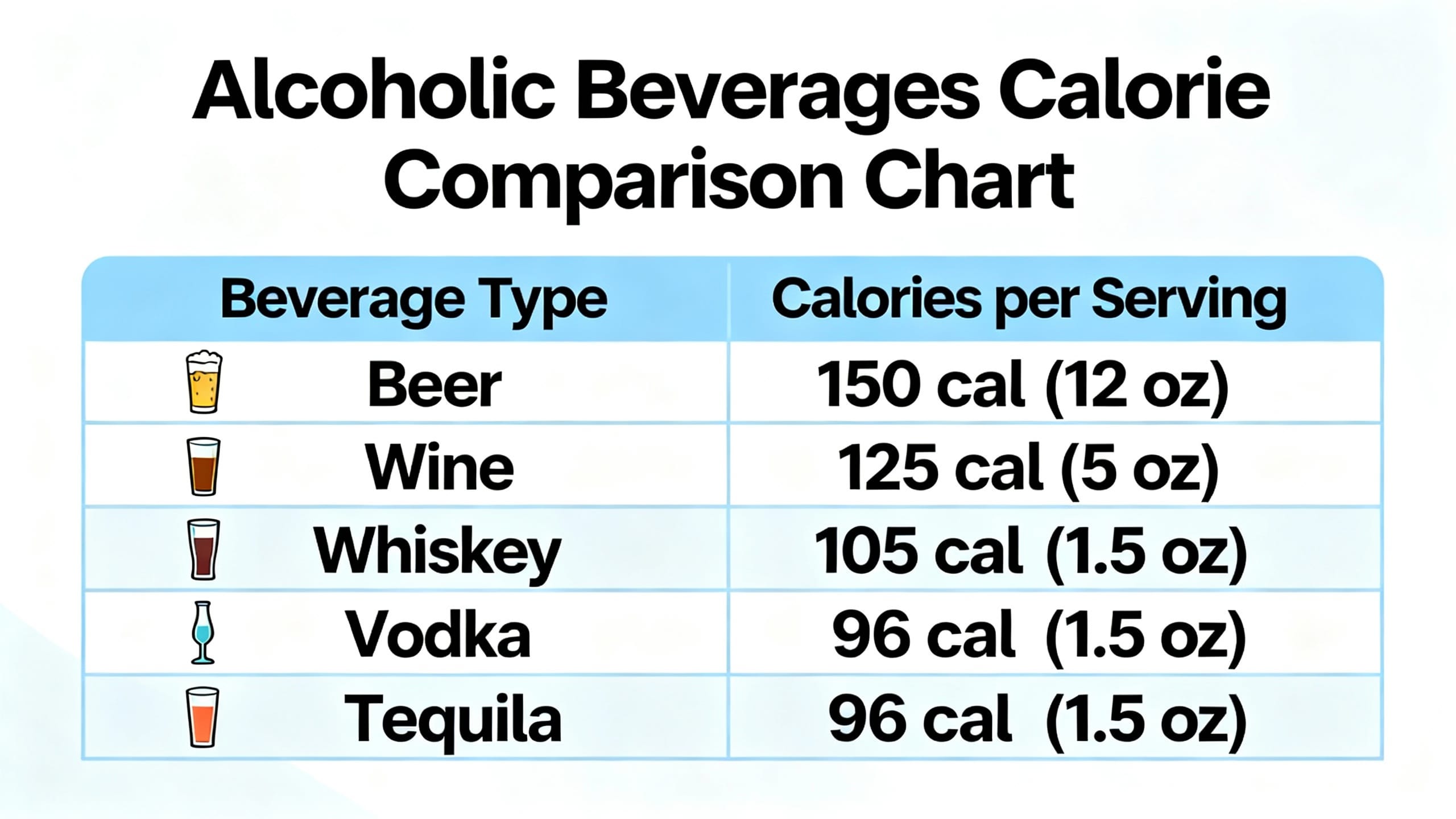
Understanding Twisted Tea's nutritional profile is easier when you compare it to other common alcoholic beverages. Here's a quick look at how a 12oz serving of Twisted Tea (Original) stacks up against some popular choices:
- Twisted Tea Original (12oz): ~200-220 calories, ~25-30g sugar
- Regular Beer (e.g., Budweiser, 12oz): ~145 calories, ~13g carbs, 0g sugar
- Light Beer (e.g., Bud Light, 12oz): ~110 calories, ~7g carbs, 0g sugar
- Hard Seltzer (e.g., White Claw, 12oz): ~100 calories, ~2g carbs, ~2g sugar
- Wine (Red/White, 5oz serving): ~120-130 calories, ~3-4g carbs, ~1g sugar
- Vodka Soda (1.5oz vodka + soda water): ~100 calories, 0g carbs, 0g sugar
As you can see, Twisted Tea often contains significantly more calories and sugar than many other alcoholic options, especially light beers and hard seltzers.
Is Twisted Tea a "Good" or "Bad" Choice for My Diet?
There's no universal "good" or "bad" food or drink; it truly depends on your individual goals and overall dietary pattern. If you're aiming for weight loss, managing blood sugar, or simply trying to reduce your sugar intake, the high calorie and sugar content of Twisted Tea might make it a less ideal choice for regular consumption.
However, if enjoyed in moderation as an occasional treat, and you're otherwise eating a balanced diet, it might fit into your lifestyle. This is where Eatibo really shines. With Eatibo, you don't just see the numbers; you get personalized guidance. If you're on a low-sugar diet or working towards weight loss, Eatibo would rate that Twisted Tea as 'Limit' or 'Skip' and even suggest simple swaps based on your specific goals. It helps you make informed choices without feeling deprived.
Making Smarter Drink Choices: What Else Should I Consider?
When enjoying alcoholic beverages, awareness is your best friend. If Twisted Tea is a favorite, consider these tips:
- Practice Moderation: Enjoying one occasionally is very different from having several throughout an evening.
- Hydrate with Water: Alternate alcoholic drinks with water to stay hydrated and potentially reduce overall consumption.
- Explore Alternatives: If you're looking for lower-calorie, lower-sugar options, consider hard seltzers, light beers, or spirits mixed with zero-calorie mixers like soda water or diet tonic.
- Read Labels: Always take a moment to look at the nutritional information, especially if trying a new flavor or brand.
The bottom line? Understanding what's in your glass is the first step to making choices that align with your health goals. Whether it's a Twisted Tea or your dinner plate, being informed empowers you to "Eat Smarter, One Scan at a Time."
Decision framework
| What to check | Why it changes the answer | Practical next step |
|---|---|---|
| Serving size or portion | Calories, sodium, sugar, carbs, and fat scale with the amount actually eaten | Log the realistic portion, not the ideal one |
| Protein, fiber, sodium, added sugar, and saturated fat | These decide whether the choice supports fullness and long-term habits | Compare the tradeoff that matters most for your goal |
| Ingredients, sauces, breading, or add-ons | Small extras can change the result quickly | Compare the base item and extras separately |
| Personal restriction applies | General nutrition advice cannot know every boundary | Follow allergy, medication, religious, or clinician-directed rules first |
Concrete examples
- If the food looks healthy but the serving is tiny, check what a realistic portion does to calories, sodium, or sugar.
- If two options have similar calories, choose the one with more protein, fiber, or ingredients you tolerate.
- If the food is occasional and you enjoy it, log it honestly instead of building a strict rule you will not keep.
Limits and safety notes
This guide is for everyday food awareness. It is not a diagnosis tool, allergy authority, medication checker, eating-disorder recovery plan, or substitute for a clinician or registered dietitian. For diagnosed conditions, pregnancy, kidney disease, diabetes medication, severe allergies, or clinician-directed diets, get professional guidance before changing your routine.
Where Eatibo fits
Eatibo is useful when a question turns into something you need to compare or log. You can scan a meal photo, barcode, nutrition label, or ingredient list, review calories and macros, check sodium, added sugar, allergens, additives, and ingredients, then save the result to your Nutrition Log. The point is not one perfect judgment; it is making the next similar choice easier because your own pattern is visible.
Sources and references
- FDA: Calories on the Nutrition Facts Label
- FDA: How to understand and use the Nutrition Facts label
- HHS/ODPHP: Current Dietary Guidelines for Americans
Frequently asked questions
Is this something I need to avoid completely?
Usually no. The better question is portion, frequency, and fit. A food can be fine occasionally but less useful as an everyday default if it repeatedly pushes sodium, added sugar, saturated fat, calories, or allergens past your limits.
What should I check first?
Start with the serving size you will actually eat. Then check the tradeoff most relevant to your goal: calories, protein, fiber, sodium, added sugar, saturated fat, ingredients, or allergens. The order matters because a tiny serving can hide a bigger real-world intake.
How can Eatibo help me decide faster?
Eatibo helps you scan or log the choice, compare the practical nutrition details, and review the pattern later. It is most useful for repeat decisions because the app can show whether similar foods are helping your weekly routine or quietly pushing it off track.
Related reading
- Shopping Smarter at Sunshine Health Foods: Your Guide to Truly Healthy Eating
- Savoring Madison: A Healthy Guide to Oliva Italian & Mediterranean Cuisine
- Saffron-Kissed Secrets: Unpacking the Mediterranean Yellow Rice Phenomenon
Last updated: June 1, 2026